Cultural Bridges on Display as Shanghai Arts Festival Wraps Up
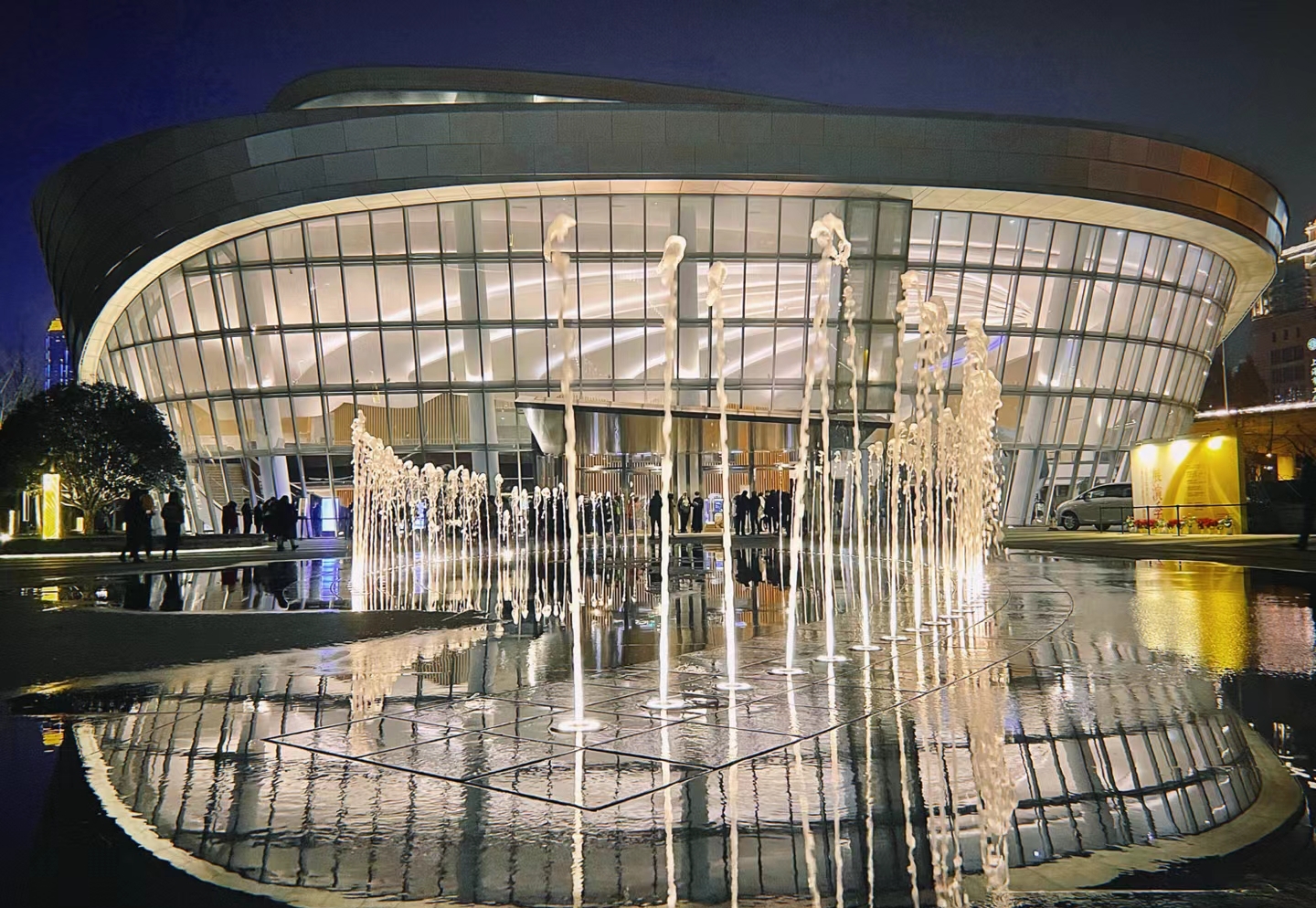
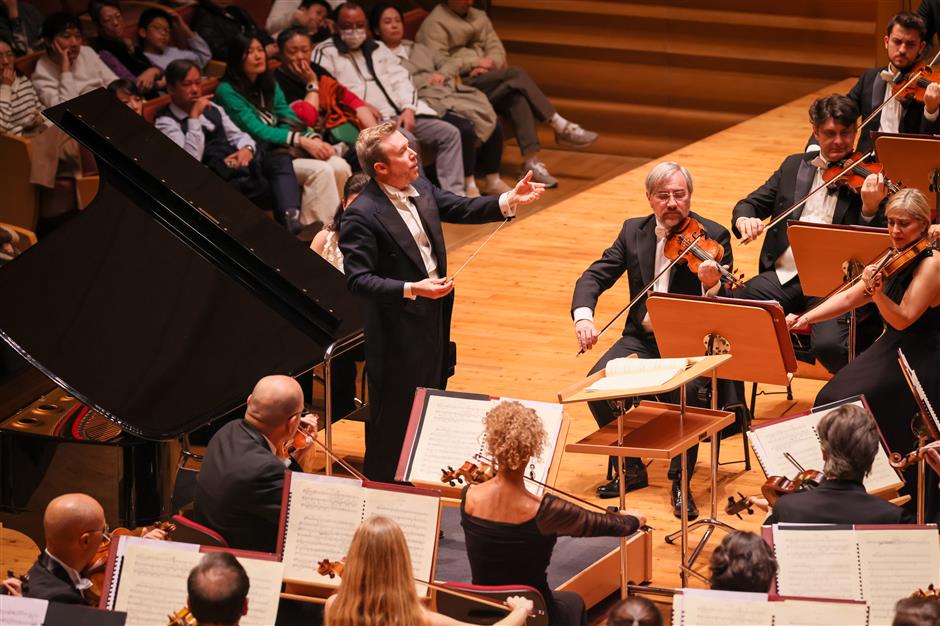
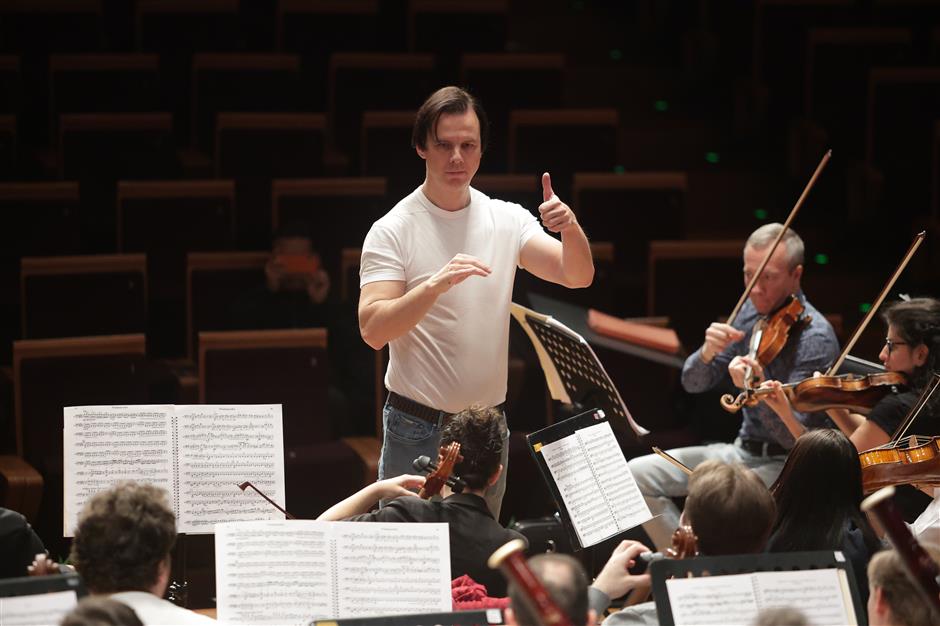
The 24th China Shanghai International Arts Festival concluded on a high note with Italy's Orchestra dell'Accademia Nazionale di Santa Cecilia presenting a closing ceremony concert on November 27 at the Jaguar Shanghai Symphony Hall under the baton of conductor Daniel Harding.
The city has hosted more than 1,400 shows, exhibitions, and artistic activities over the past one and a half months, featuring nearly 20,000 artists from over 80 countries and regions. Approximately 60 percent of the 55 major stage productions came from overseas. Additionally, over 90 percent of these productions made their Shanghai debuts.
This year's festival attracted an audience of more than 14.4 million, including online viewers. It was a feast for local art and cultural enthusiasts and drew crowds from across the country, especially the Yangtze Delta. Many traveled to Shanghai to see one or more performances, including two early music concerts at Cadillac Shanghai Concert Hall.
On October 16, Baroque maestro Harry Bicket and The English Concert performed Handel's famed opera "Rinaldo" for the first time in Shanghai. Bicket complimented the Shanghai audience's professionalism and attentiveness.
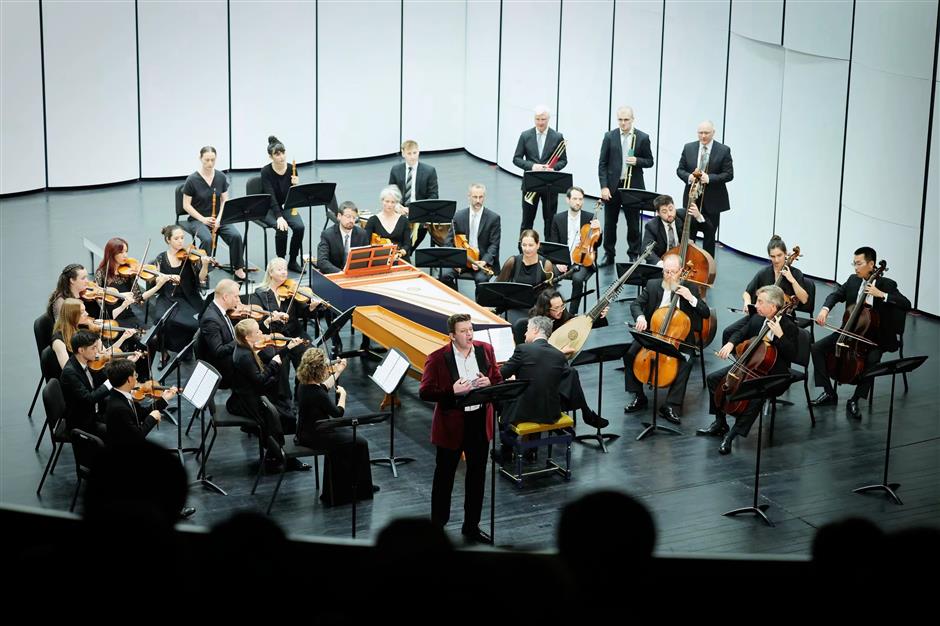
A music instructor from Hangzhou surnamed Zhang was among the audience members who traveled to Shanghai for the concert.
"I rearranged my classes today and left the school just on time to catch a fast train so that I could make it to this performance," Zhang told Shanghai Daily.
"It's very rare to see high-quality Baroque music performances in China, so this is a chance I couldn't miss," she said.
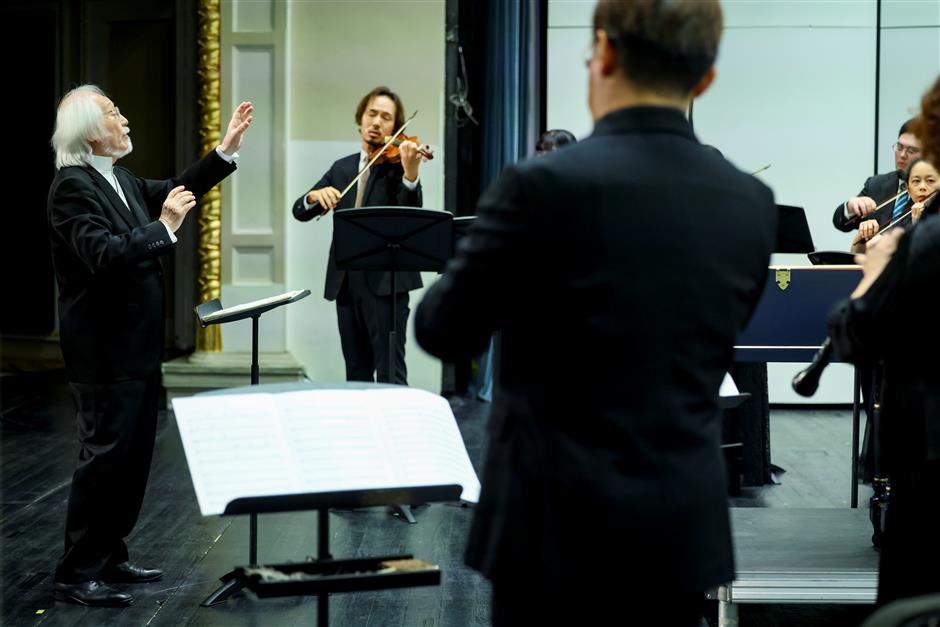
The other concert at Shanghai Concert Hall took place on November 2, when Japanese conductor Masaaki Suzuki and his Bach Collegium Japan made their debut in China. They performed the cantata "The Quarrel between Phoebus and Pan," which is rarely played in its entirety at modern concerts.
Adjacent to the Shanghai Concert Hall is the Music Lawn, which held outdoor performances during the Arts Festival's Art Space. The surrounding area boasts a number of theaters, including the Shanghai Grand Theatre, as well as other dining, lodging, and entertainment options, making it an excellent starting point for out-of-town and international visitors who come to Shanghai specifically to experience the city.
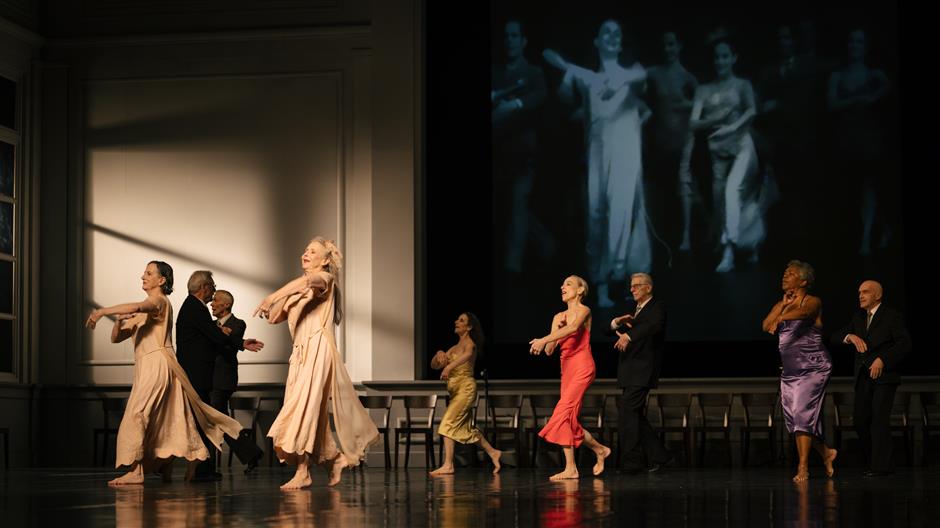
Shanghai's art lovers were captivated by this year's festival's "premiere week" from November 4 to 9, with 13 pieces making their Shanghai, China, or Asian debuts. Among them was a restaged version of Pina Bausch's 1978 work "Kontakthof – Echoes of '78," which the Arts Festival commissioned and co-produced.
Many of Bausch's original dancers returned to reprise their roles, joined on stage by projections of their younger selves. The work's avant-garde artistic imagination extends beyond dance, acting as both a celebration of life and a tribute to the German choreographic master.
All three performances of "Kontakthof – Echoes of '78" at the Shanghai International Dance Center Theater sold out quickly, demonstrating the discerning taste of Shanghai and Chinese dance fans.
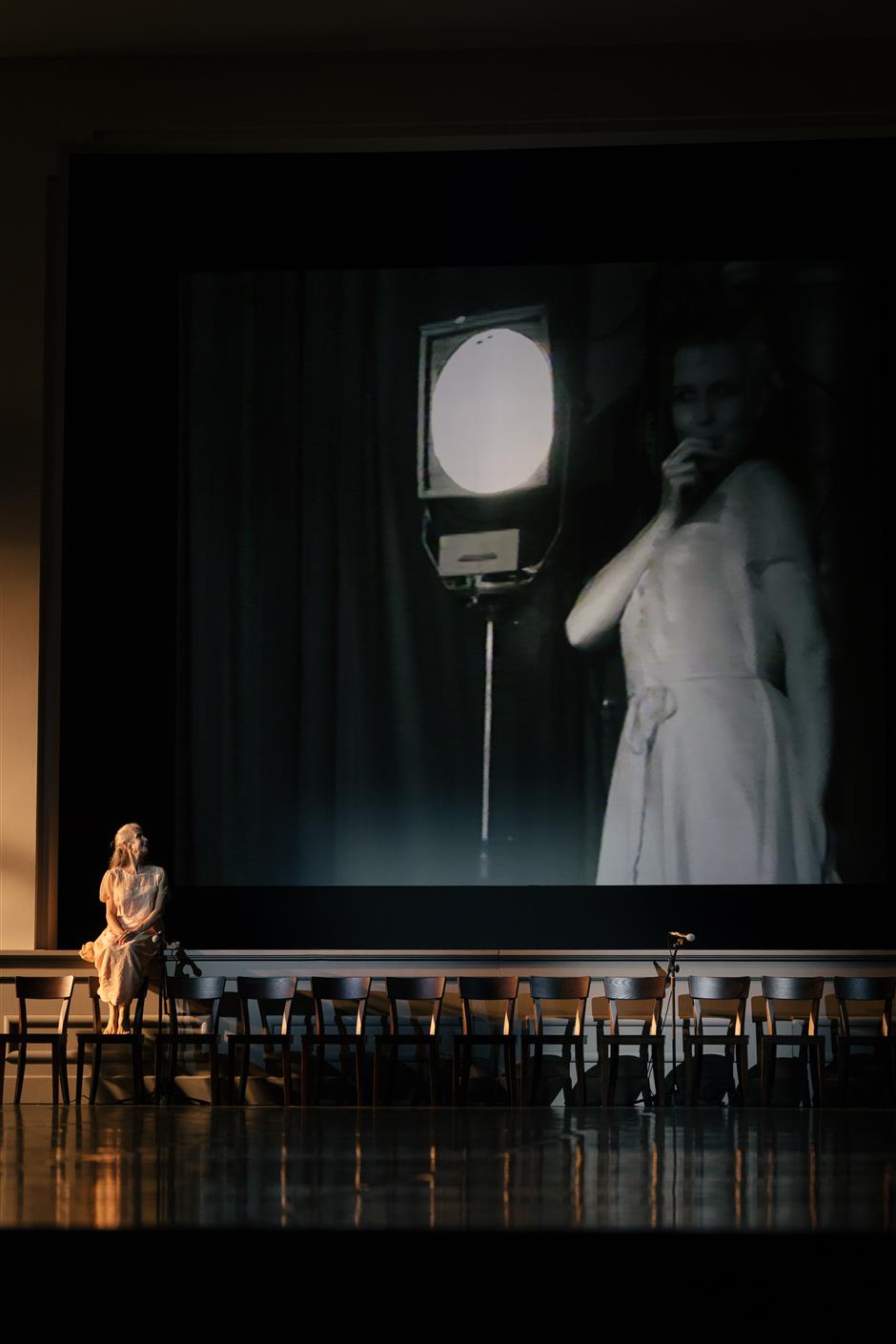
The "premiere week" was dubbed the "German week" with a schedule that was heavy with German theater productions.
The Berliner Ensemble's "The Threepenny Opera" premiered in Shanghai at the West Bund Theater, allowing audiences to experience Bertolt Brecht's "alienation effect." Stage technologies from the 21st century breathed new life into this nearly century-old work.
During interactive activities, the ensemble generously allowed audiences to explore its steel-structured stage. Oliver Reese, the artistic director of the Berliner Ensemble, did not hide his eagerness to engage with Shanghai audiences.
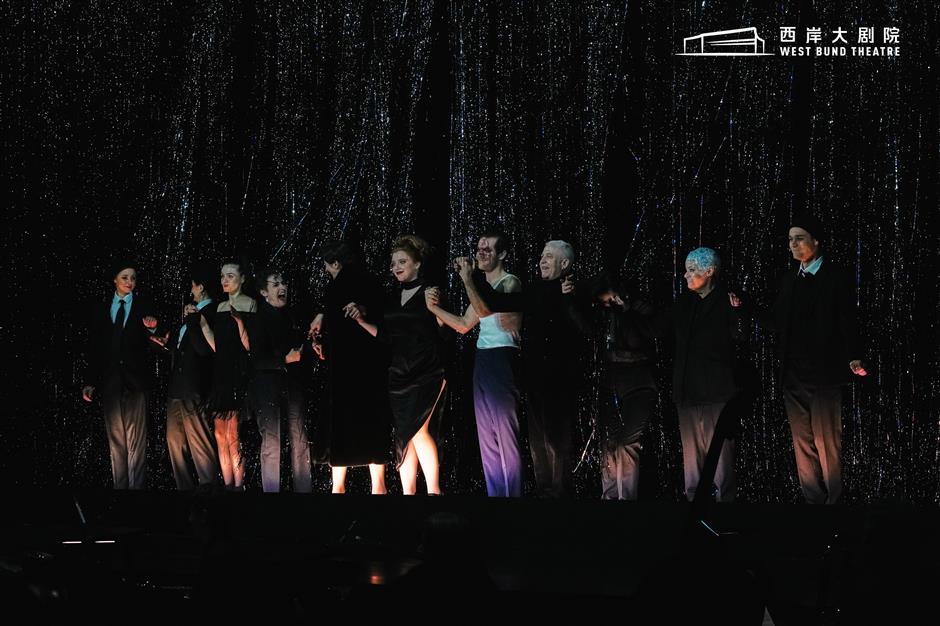
"Last year, we brought 'Brecht's Ghosts' to Shanghai, and the performance was even more successful here than in Berlin," said Reese. "This year, with our signature work, 'The Threepenny Opera,' we observed interesting differences in reactions between Shanghai and German audiences."
At Theater YOUNG, the Schaubühne Berlin returned to Shanghai with "Richard III," which also sold out all three performances. Director Thomas Ostermeier spoke with university students and held masterclasses.
German media interviewed Chinese audiences and covered Schaubühne's performances here. At last year's Arts Festival, Russian media also covered events in Shanghai, including the Bolshoi Ballet and Mariinsky Ballet, led by Valery Gergiev, highlighting the increasing international appeal of the Shanghai Arts Festival.
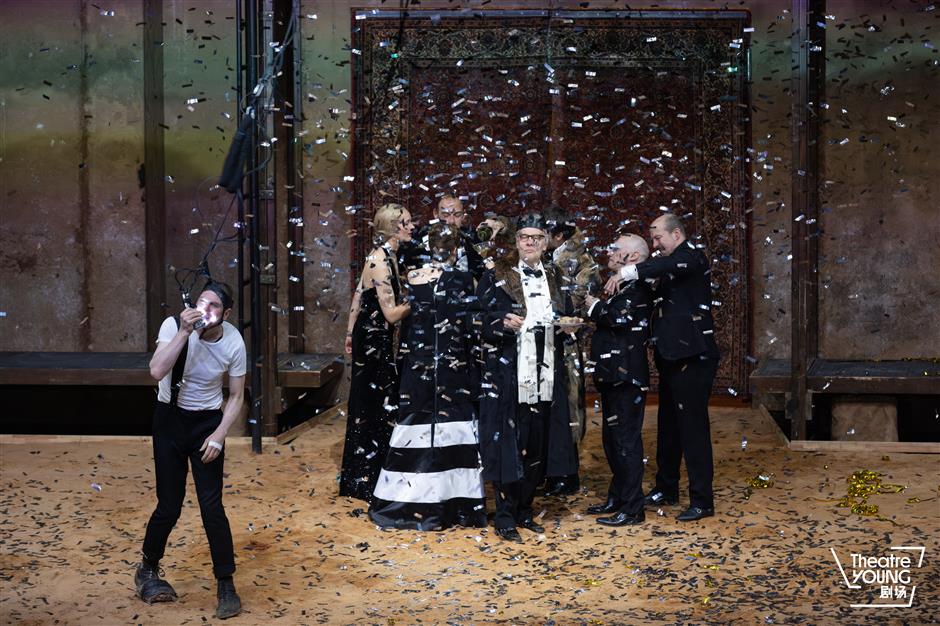
Both "Richard III" and "The Threepenny Opera" reimagined classic masterpieces with modern twists. German theater groups presented modern German dramatic themes to Chinese audiences while soliciting feedback from Shanghai's young and active audiences.
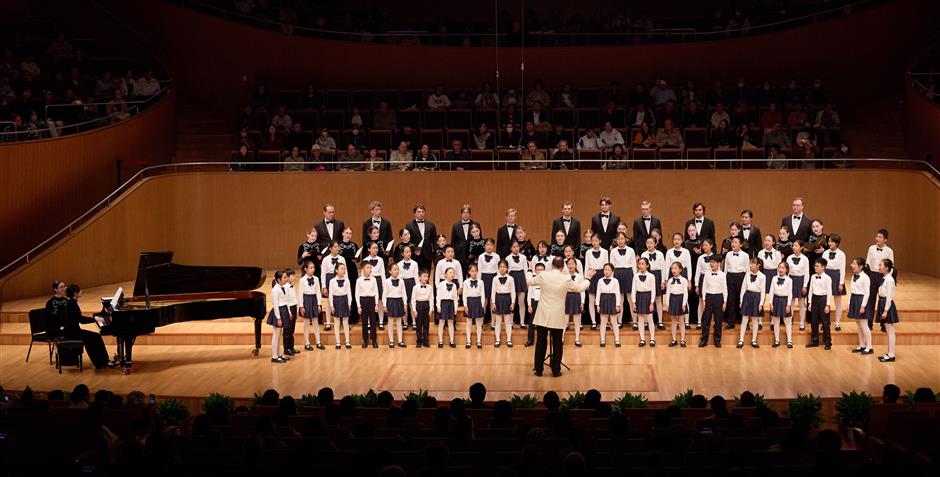
Such interactions were not exclusive to performers and spectators. This year, Gergiev led the Mariinsky Symphony Orchestra in a series of six concerts over five days, showcasing the Mahler symphonies cycle. A children's choir from Shanghai took part in the performance of Mahler's Eighth Symphony. Throughout the rehearsals, Gergiev adjusted the choir's positioning five times.
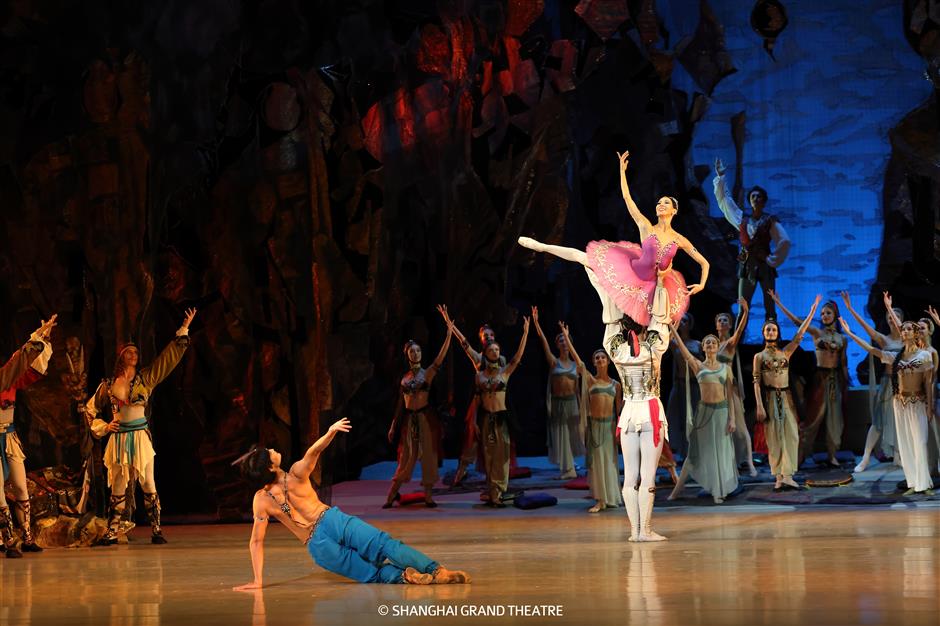
The set for "Kontakthof – Echoes of '78" was built by the stage art factory of the Shanghai Dramatic Arts Center. During the preparation phase, European technicians flew to Shanghai twice to discuss details, and the dance company shipped original templates from Germany to assist their Shanghai partners in precise color matching. This shared pursuit of professionalism among Chinese and international theater practitioners has greatly contributed to the growth of China's performance industry.
In addition to introducing high-quality overseas works, the festival, as in previous years, provided a platform for young Chinese artists and original Chinese works to showcase themselves to the world through initiatives like the "Rising Artists' Works" program.
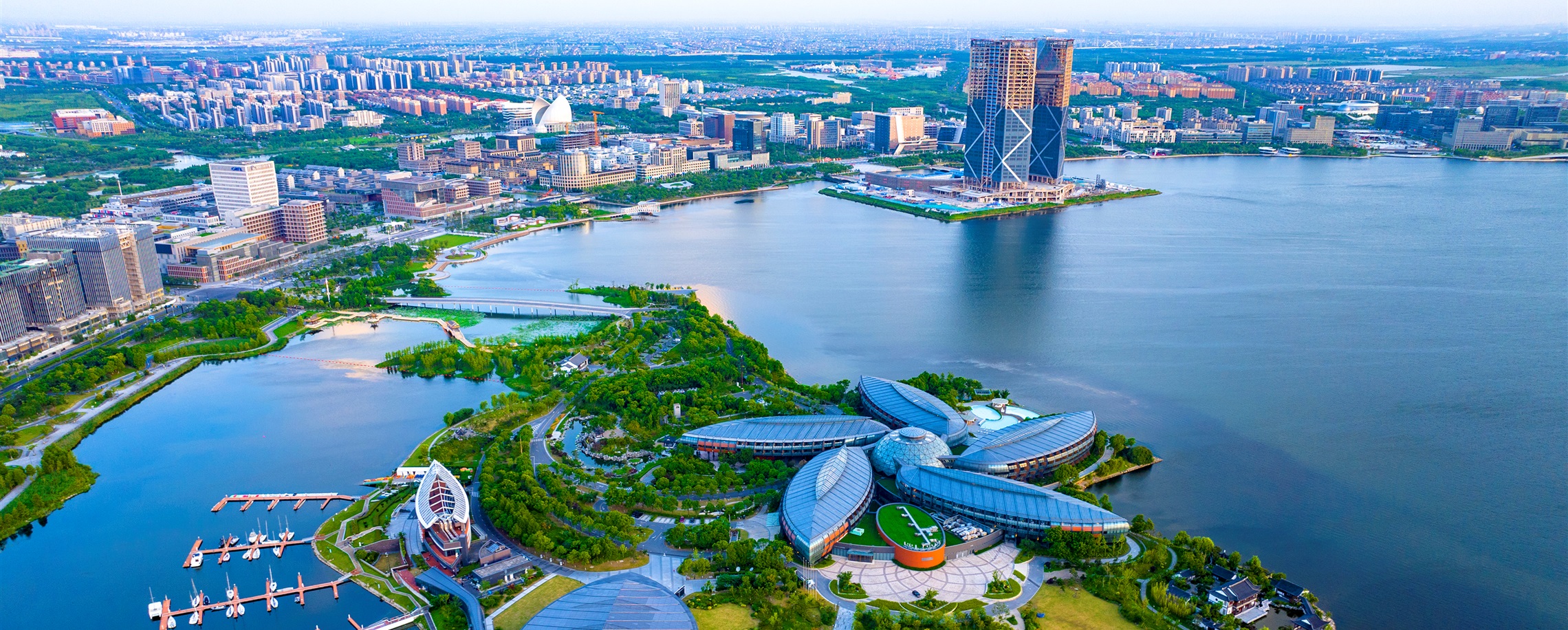
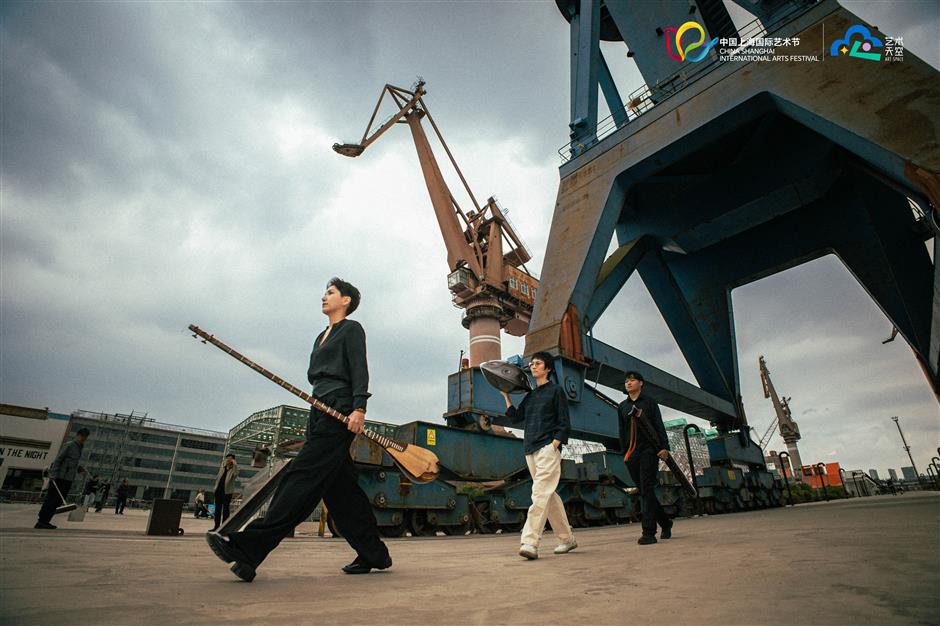
The Art Space segment took art outside the theater to parks, commercial areas, Dishui Lake, and Fuxing Island, integrating creative works with urban lives.
Although the Arts Festival has concluded, art continues to permeate local peoples' lives with cultural exchanges between China and the world.
Prominent theaters and art organizations in Shanghai offer various art education programs throughout the year, such as the "Moscow Conservatory at SHOAC" series at the Shanghai Oriental Art Center.
Jointly launched by the Tchaikovsky Moscow State Conservatory and the Art Center, the project aims to improve cultural and artistic communication between Shanghai and Moscow and present Russian music to local music lovers.
In August, Russian pianists Andrey Pisarev and Pavel Nersessian presented a recital concert at the Art Center. Both of them have been teaching at the Russian institute for over 30 years.
The duo also became instructors of a piano master's camp from August 18 to 23, providing one-on-one coaching and open classes to local piano learners. Young Russian pianist Vladimir Vishnevsky also joined them.
It is easy to see how Shanghai's dynamic performance market and its passionate support for art and culture will encourage greater international cultural exchanges and collaborations, solidifying the city's status as the performing arts center of Asia.
Editor: Xu Qing
In Case You Missed It...

 Mar 14, 2026