China Carmakers Expanding Overseas Need to Win Consumer Trust
China's automotive industry has accomplished in less than a decade what many manufacturers take generations to achieve. Chinese mainland carmakers have gone from assemblers and parts suppliers for foreign auto companies to building their own vehicles, developing electrification and battery technologies, creating world-class supply chains, establishing overseas production facilities and entering markets across the world.
Their next challenge is no longer technological or operational. It is emotional and will be determined by how much global consumers genuinely trust and actively choose their brands.
Over the last decade, China's automotive industry mastered what can be described as Automotive Globalization 1.0. The priorities were clear: export vehicles, build distributor networks and compete aggressively on technology and price. This initial strategy transformed China into the world's largest automotive exporter.
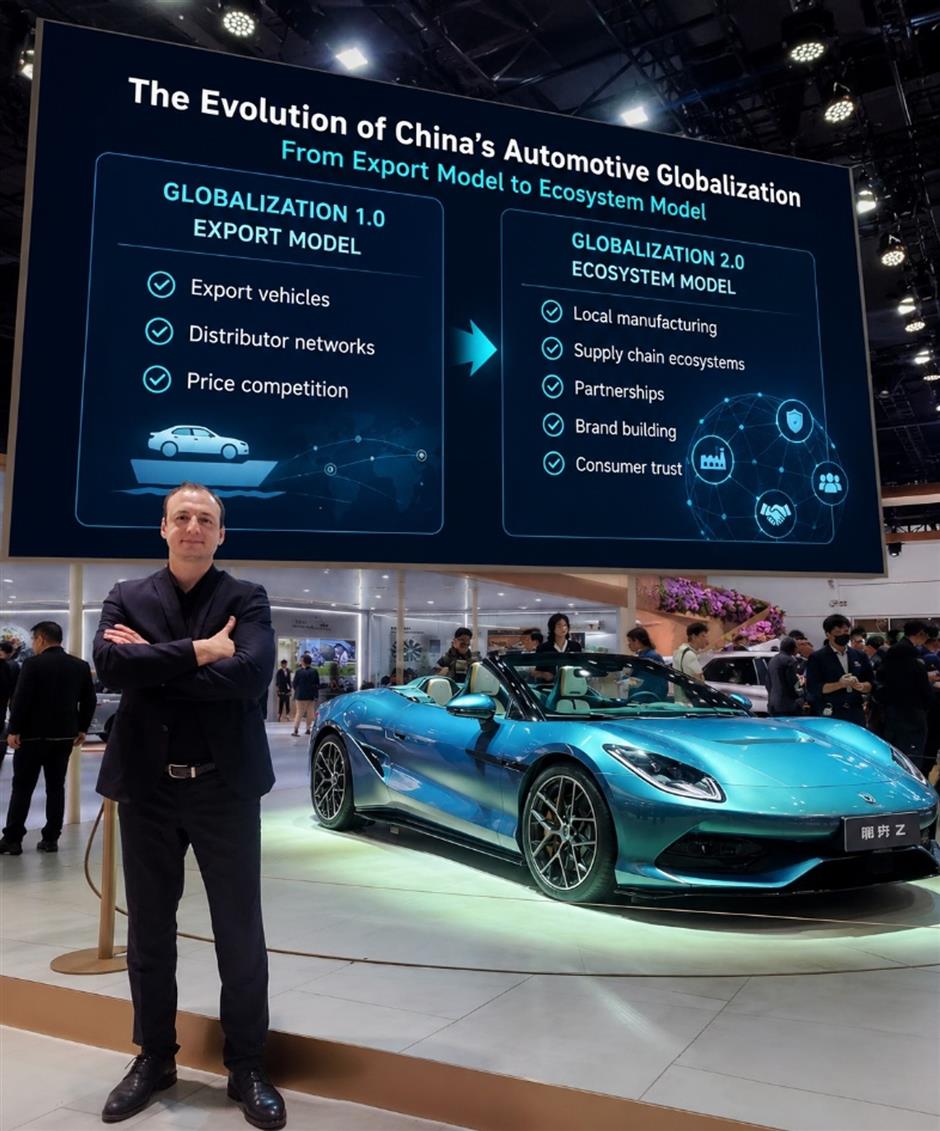
Today, however, the competitive landscape is shifting rapidly. Chinese automakers are increasingly investing in overseas manufacturing, localizing supply chains and enhancing industrial partnerships. This shift might be called Automotive Globalization 2.0, a fundamental transition to creating complete automotive ecosystems.
This evolution is now visible everywhere from Hungary, Thailand and South Africa to Spain, Brazil, Turkey, Russia and beyond. Rather than simply focusing on production facilities, overseas investment has become the anchor for regional supply chains, localization and broad industrial cooperation.
Yet every successful strategy eventually reveals its own limitations. Globalization 2.0 may have solved production localization to create capacity, but it has not addressed the challenge of cementing brand preference and consumer loyalty.
China's domestic automotive market is entering a turbulent phase. Passenger vehicle retail sales in June tumbled about 23 percent from a year earlier, according to the China Passenger Car Association, reflecting intense price competition, persistent domestic overcapacity and weak consumer spending. As a result, Chinese automakers are increasingly looking overseas for future growth and improved profitability.
In June, China's vehicle exports reach nearly 1 million units for the first time in a single month, while total exports for the first half of the year reached a milestone 5.1 million vehicles, up 65 percent, according to the China Association of Automobile Manufacturers.
Meanwhile, industry data from JATO Dynamics and EcoMotors News indicate that up to 60 new Chinese automotive brands and sub-brands have been introduced during the past five years alone, bringing the total number of Chinese marques to well over 100. That signals an extraordinary diversity of choice.
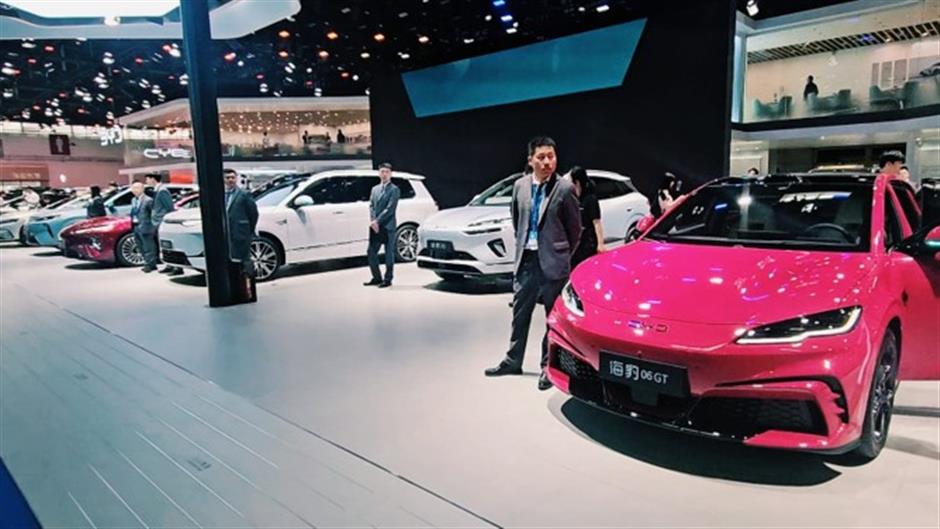
From a branding perspective, however, it creates a formidable challenge. International consumers are now confronted with an unprecedented number of unfamiliar Chinese automotive brands competing simultaneously for attention. Under those conditions, price alone isn't necessarily an overriding factor, but brand familiarity may be.
According to Deloitte's 2026 Global Automotive Consumer Study, product quality, vehicle performance and price remain the primary drivers in motorist decision-making, but consumers also heavily evaluate whether they trust the manufacturer.
Deloitte concludes that one-size-fits-all strategies are becoming less effective in a market of brand saturation without brand clarity – a market where consumer preferences vary significantly across regions. Consumers are asking what makes a specific brand different from the others, why they should trust a particular one and whether the brand will be around long enough to ensure available after-sales services.
The next step in the localization story is to localize meaning. Factories, supply chains, and dealer networks can be standardized and localized through investment, but brand identity needs cultural interpretation. A marketing message that resonates in Shanghai may fall flat in Riyadh. A premium positioning that works in Dubai may not connect with buyers in São Paulo. The driving experience sought by a motorist in Germany may be quite different it those in Kazakhstan or South Africa.
This is why Automotive Globalization 2.0 must be viewed more widely and deeply than just ecosystem expansion. It must aim for cultural legitimacy and consumer trust.
The most successful global automotive companies have never measured success solely by the number of vehicles they produce abroad. Instead, they measure it by how ingrained their trademark is in a country's industrial and social fabric.
Toyota's operations in Kentucky or BMW's manufacturing complex in South Carolina are no longer perceived as mere foreign direct investments; they are widely regarded as integral contributors to local employment, supplier chains and regional industrial competitiveness. This offers a crucial lesson for Chinese automakers: The strongest overseas factory is not necessarily the one that produces the highest volume of vehicles, but the one that becomes embedded in a country's or even a community's identity.
The world's automotive markets can no longer be treated as a single monolith. Successful global brands maintain a consistent identity tailored across strategic regions. In the EU, consumers increasingly value sustainability, safety, design quality, and environmental responsibility.
In Russia and Central Asia, long-term reliability, robust after-sales service, spare parts availability and durability in harsh driving conditions remain decisive factors. In the Gulf countries, technology leadership, a premium experience, digital ecosystems and luxury positioning strongly influence decisions. Across Africa, affordability, durability and local employment opportunities often outweigh advanced technological features. In Latin America, ownership costs, flexible financing solutions, dealer proximity and long-term value remain central, while in Southeast Asia, urban mobility, digital integration, affordability and regional localization define competitiveness.
Manufacturing can be standardized, but consumer trust cannot be. Expectations are becoming increasingly fragmented rather than globalized, and Chinese automakers bent on overseas expansion need to understand that. In that framework, after-sales infrastructure, financing options, warranties, local partnerships and customer communities have become vital strategic assets rather than simple operational functions.
Trust isn't something that can be created purely through advertising. Recent findings from the JD Power 2026 China Purchase Experience Index demonstrate that that the purchasing and ownership experiences of an auto buyer have overtaken traditional brand loyalty
Many Chinese manufacturers continue to manage overseas expansion primarily from headquarters back on the mainland. While that approach may deliver impressive production results, it usually falls short of immersion in local culture. Automakers need executives with deep international experience in overseas markets, if not locally hired executives.
McKinsey's China Auto Consumer Insights highlights that future competitiveness depends on combining global technology platforms with that level of local market intelligence.
China has already demonstrated that it can build world-class vehicles and manufacturing facilities. Now it needs to complete the ecosystem by embracing local consumers and culture.
(The author is a global business development executive specializing in automotive, electric mobility, industrial localization and ecosystem-led international expansion.)
Editor: Liu Qi
In Case You Missed It...
 Aug 2, 2026
![[Shopping] 6 Unisex Brands to Buy Clothes Inside TX Huaihai](https://obj.shine.cn/files/2026/08/01/062092c5-f38f-4958-a6f1-5a8af5de4999_0.jpg)

Popular Reads
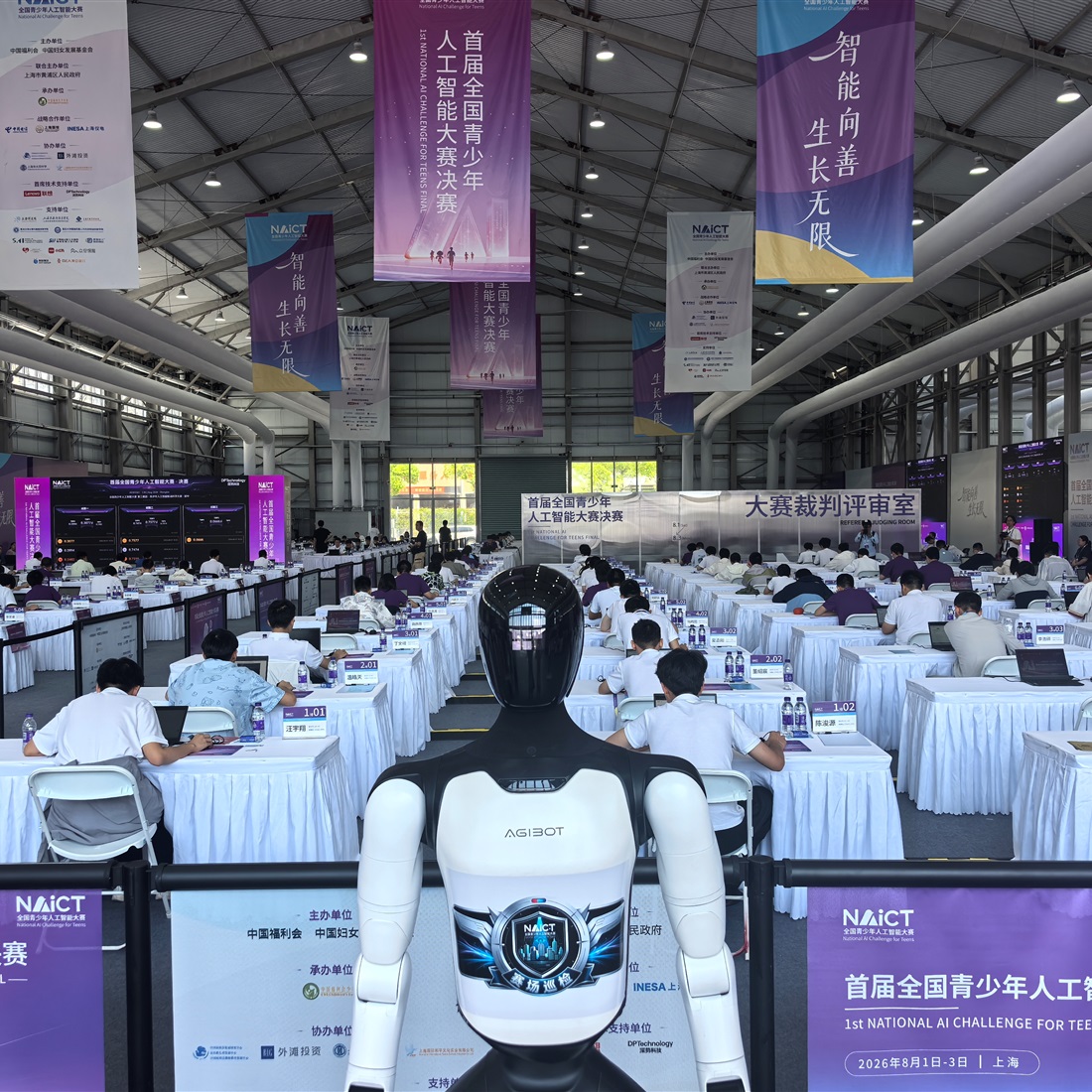
Debut National Teen AI Competition Lands in Shanghai: Inclusive Tech Education and Early AI Exploration Advocated for Youths

Beyond Gaming: AI Innovations Shine at ChinaJoy 2026

Tsinghua Graduate, 38, Wins Place in Peking University Medical Program After Three Years of Gaokao