'The Magic Flute' Closes Music Festival in a Cross-Cultural Triumph
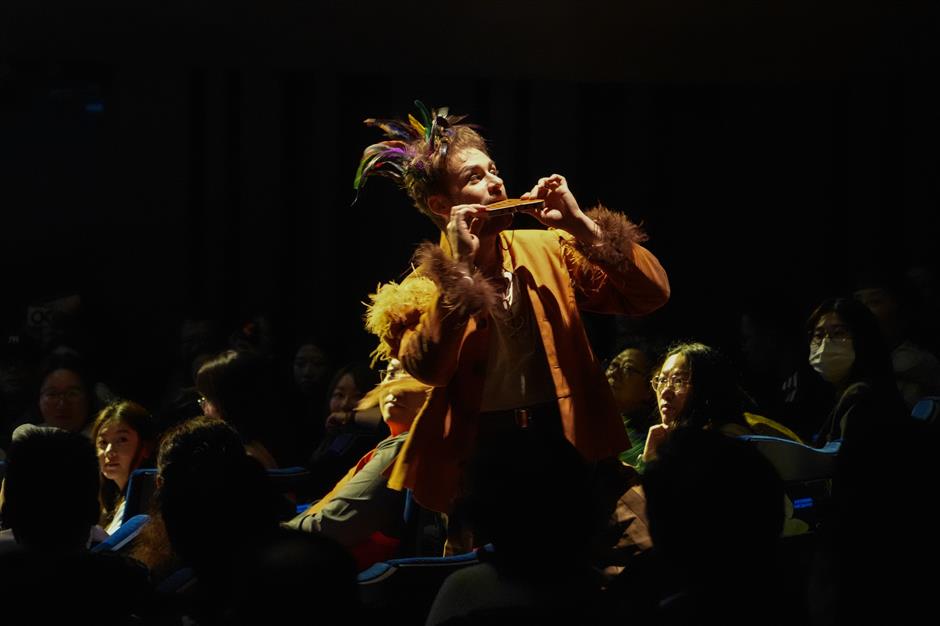
The 41st Shanghai Spring International Music Festival concluded with the Mozart opera "The Magic Flute," co-produced by the Shanghai Conservatory of Music and the Freiburg National Conservatory of Music, Germany, on the evening of April 12.
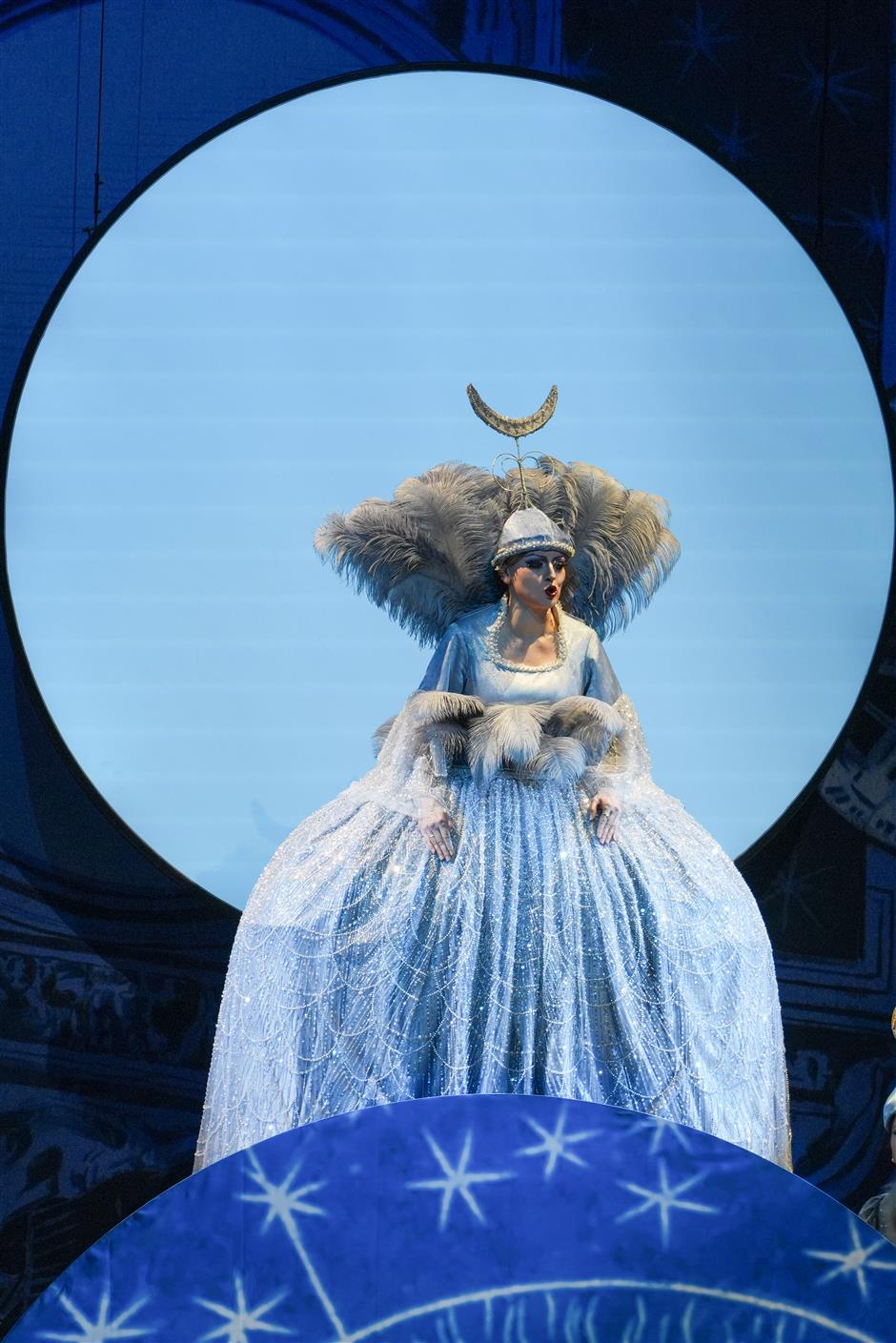
"The Magic Flute" (Die Zauberflöte, K.620) was Mozart's final operatic masterpiece. Combining fairy tales and mythology, it recounts the timeless story of light triumphing over darkness.
The opera's complex musical structure and challenging arias also established it as a touchstone in operatic creativity.
From "The Barber of Seville" and "La Traviata" to "The Magic Flute," the Shanghai Spring International Music Festival has collaborated with international artists to recreate great operas for the third year in a row.
"The Magic Flute" was the festival's concluding performance under the artistic direction of Liao Changyong, President of the Shanghai Conservatory of Music, and Ludwig Holtmeier, President of the Freiburg National Conservatory of Music.
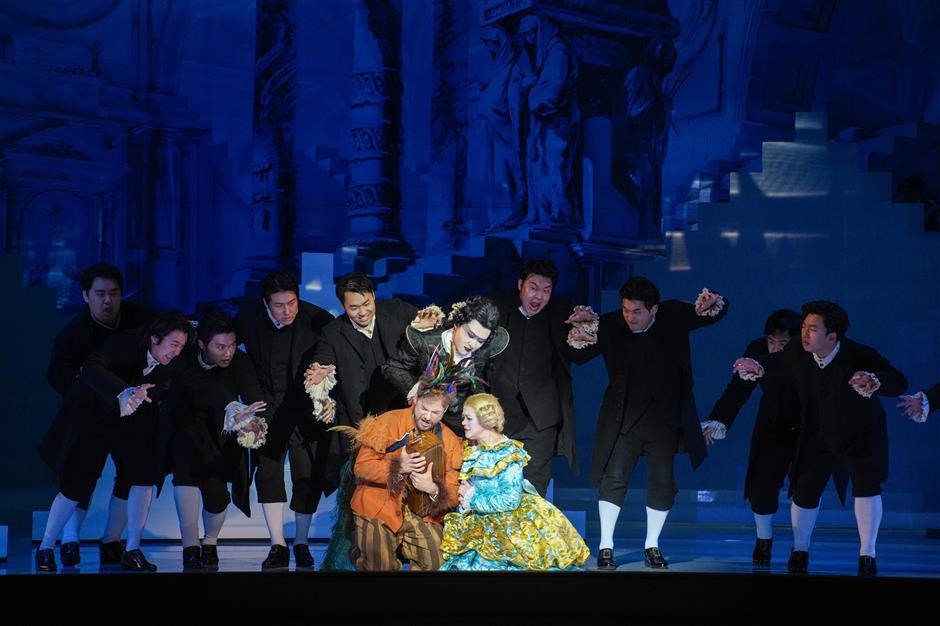
Alexander Schulin, a professor at the Freiburg National Conservatory, supervised the production, which was conducted by Professor Marius Stieghorst and presented by Shanghai Conservatory Symphony Orchestra.
They appeared on stage at the Shangyin Opera House alongside Chinese and international vocalists, as well as the Shanghai Conservatory Choir.
"This kind of internationally collaborative production involves all aspects – stagecraft, repertoire management, performer training, and orchestra training," Liao Changyong said.
"These international exchanges offer very valuable reference points for the future of Chinese opera creation," he said.
Director Schulin said that "The Magic Flute" was the first opera he ever saw as a child.
"I was about eight years old, and it became a crucial inspiration for my career in opera," the 61-year-old said.
"The most astonishing aspect of 'The Magic Flute' is its universality. No matter where the audience is from, they will understand it from the first minute," he said.
"I'm a perfectionist. During rehearsals, I pushed the crew to strive for perfection. The young singers from the Shanghai Conservatory were very well prepared and deeply committed," he added.
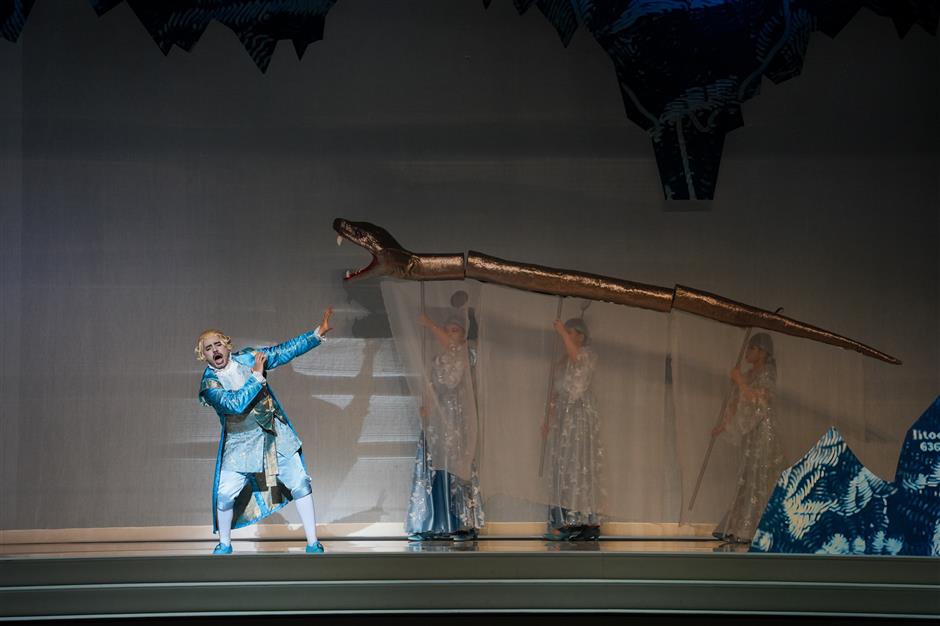
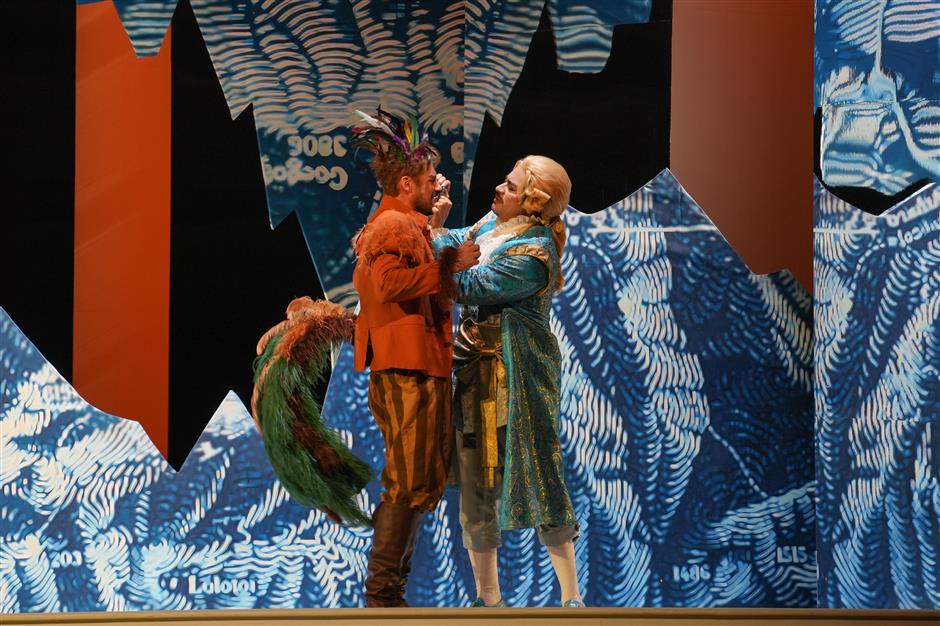
German baritone Ludwig Mittelhammer, who sang Papageno, admired the German language skills of the Chinese singers. "German is as difficult as Chinese. This level of achievement is impressive," he remarked.
Colombian rising tenor Cesar Augusto Cortes Betancourt, who performed Tamino, was on his first visit to China and forged deep friendships with Conservatory students.
"This is what music is about – connecting. I think the audience feels that emotion too," he said.
International performances made up 30 percent of this year's festival's 18-day run from March 26 to April 12.
After this, Shanghai will continue to host performances recommended by the festival, including Wagner's opera "Die Walküre," at Shanghai Grand Theater on April 24.
Editor: Xu Qing
In Case You Missed It...

 Aug 30, 2026

![[The City Asks] How is Shanghai's Healthcare in 2026?](https://obj.shine.cn/files/2026/08/28/d5cb243b-92cd-43f6-8575-5fc1b21bac6e_0.png)