Dongxi Improv Lets Shanghai Adults Be 'Kids' Again
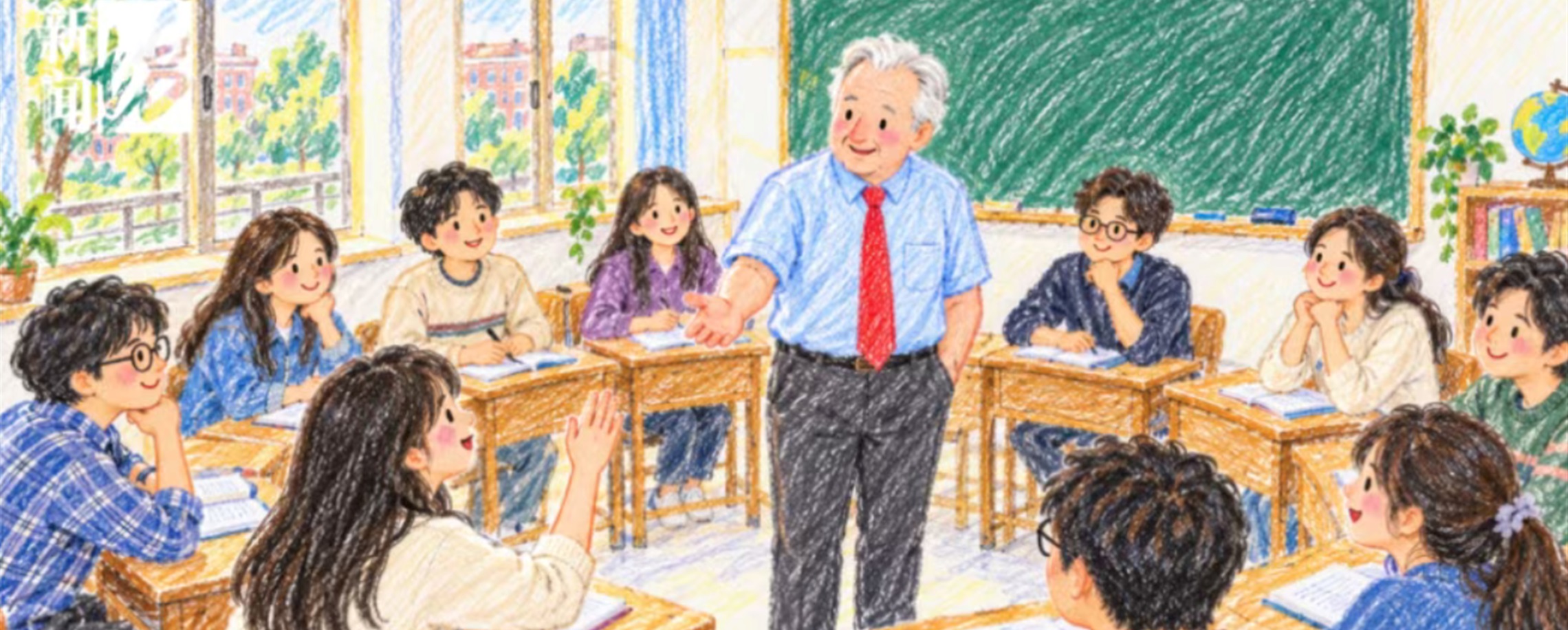
On a weeknight in Shanghai, office workers, students, and freelancers stand in a loose circle, pretending to be trees. One person steps forward and declares, "I am a tree." Another joins: "I am a leaf," "I am a fruit," or whatever comes to mind. Piece by piece, the group builds a small world together, syncing their ideas until the whole scene feels connected.
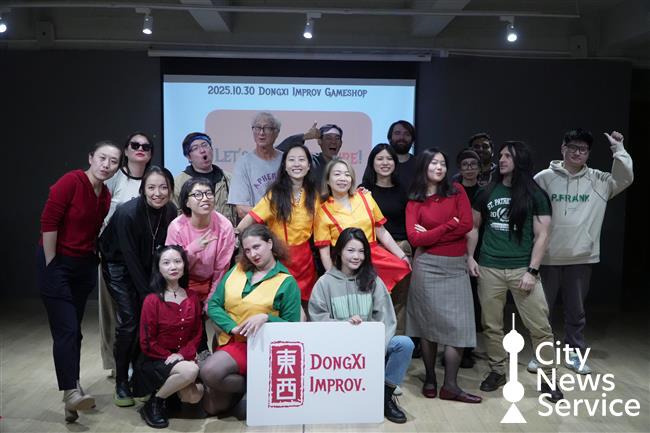
Dongxi Improv is a bilingual improv project that allows adults to express themselves freely without being judged by their English level, job title, or social status.
English-language improv – short for improvisational theater – in China remains a niche world. Just five or six teams perform in English nationwide, most founded and led by foreigners and featuring native English speakers. In this context, Dongxi Improv stands out as a Chinese-led, bilingual center that is quietly transforming English-language creativity in Shanghai.
Grace Yin and Yirong Shi, the group's co-founders, are both Chinese, one from the north and one from the south. They formerly worked with Zmack, Shanghai's oldest English improv community. After years of performing there, they founded a bilingual platform rooted in local culture but open to the world.
The name "Dongxi" means "east-west," indicating the group's mission. They aim to bridge cultures by combining Western-style improv and Chinese lived experience in one scene. Over 700–800 people from at least 20 countries have attended their workshops, jams, and shows, with participants' ages ranging from 14 to 74.
Improv looks effortless from the outside. On stage, performers invent entire stories out of a single suggestion. But for many Chinese participants, the journey begins with discomfort. When Shi first studied improv with an American teacher, she struggled with physical coordination and high-energy, body-heavy games.
She felt she could never "keep up with Westerners" and nearly quit. That experience now shapes the way she teaches: slowly, gently, and with special attention to those who feel out of place.
Even fluent English speakers face a cultural learning curve. Improv often draws on Western humor, pop culture references, and a particular kind of openness that pushes against Confucian traditions of modesty and hierarchy. In Chinese-led spaces like Dongxi, performers and students are not only practicing language but also decoding jokes, values, and assumptions embedded in Western comedy.
At the same time, being Chinese brings clear advantages. Dongxi runs weekly jams in a rehearsal space that looks more like a classroom than a club, but trust and cooperation are still easier to build when organizers can communicate directly in Chinese and understand local expectations.
Every Thursday, people of all levels come together, are divided into different groups, and improvise in a space with no stage, no drinks, and no formal audience – just practice.
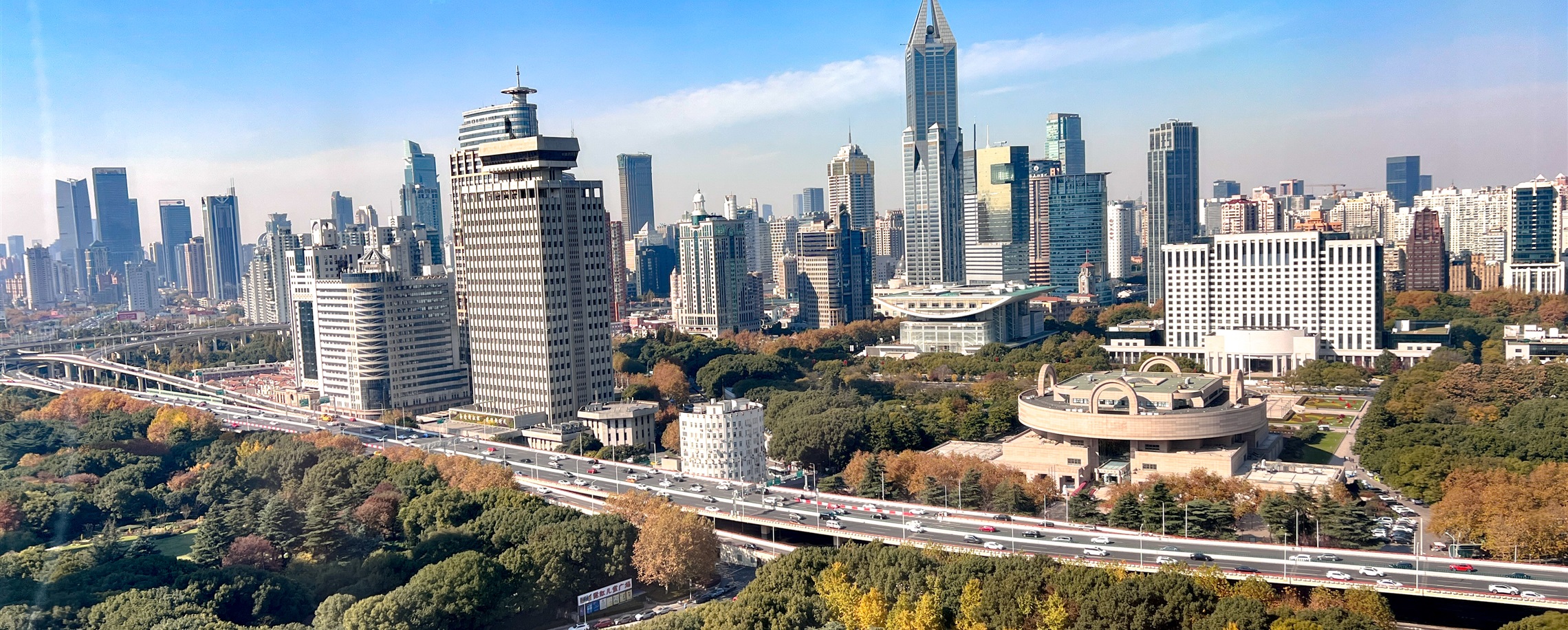
"In many ways, our project could only exist in Shanghai: a city where people from around the world come and go, where communities are constantly forming and dissolving," according to Shi.
Improv, with its emphasis on trust, listening, and saying "yes," gives that transitory city a stable heartbeat night after night, scene after scene, as adults relearn how to play.
(The author is a graduate student at Shanghai Jiao Tong University.)
Editor: Yao Minji
In Case You Missed It...

 Sep 10, 2026
![[SH Health Guide] Shanghai Tongren Hospital](https://obj.shine.cn/files/2026/09/09/1aee3b24-6759-4b1d-8b0f-1346a8bf91b0_0.jpg)
![[SH Health Guide] Shanghai Tenth People's Hospital](https://obj.shine.cn/files/2026/07/22/e595808a-0fdb-4e16-be21-53639d3ee1e7_0.jpg)