Researchers Find Gene That Raises Maize Protein Levels
A gene that was lost during thousands of years of maize breeding can potentially create more nutritious crops without affecting yields, according to a research paper published in Nature journal on June 3.
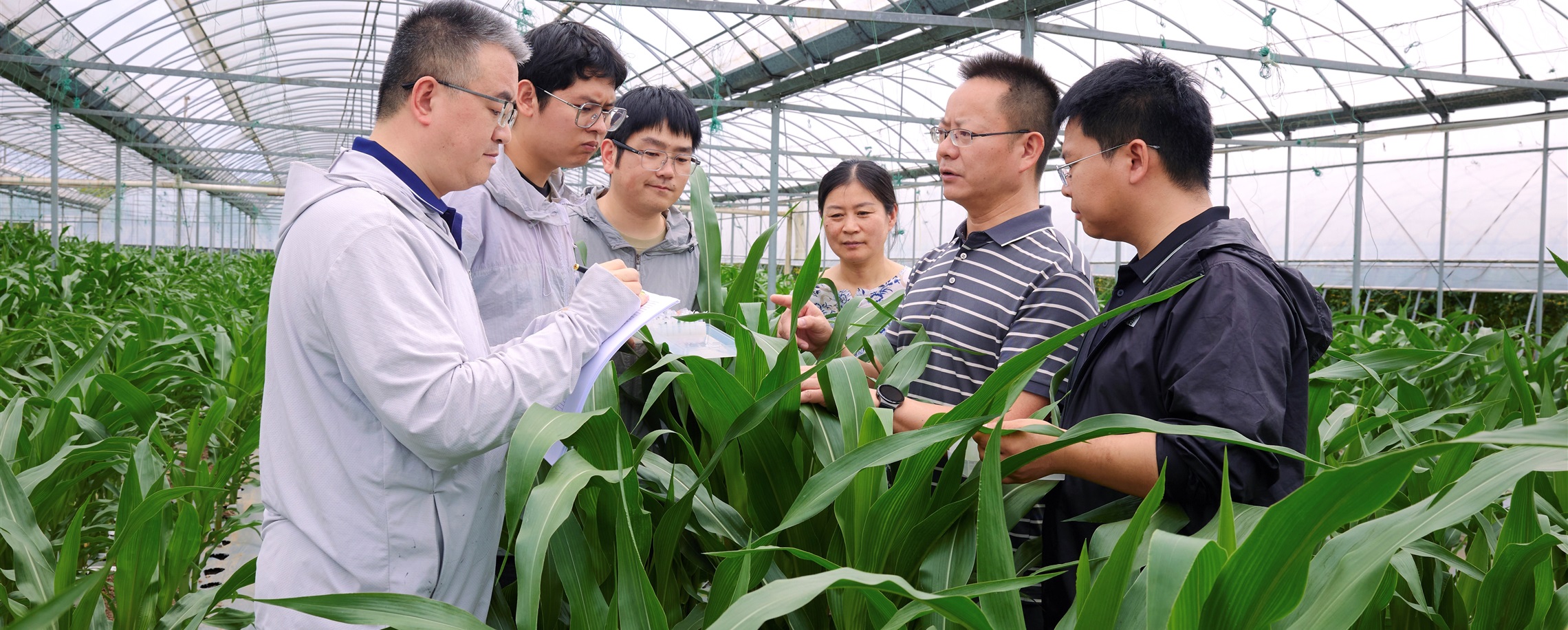
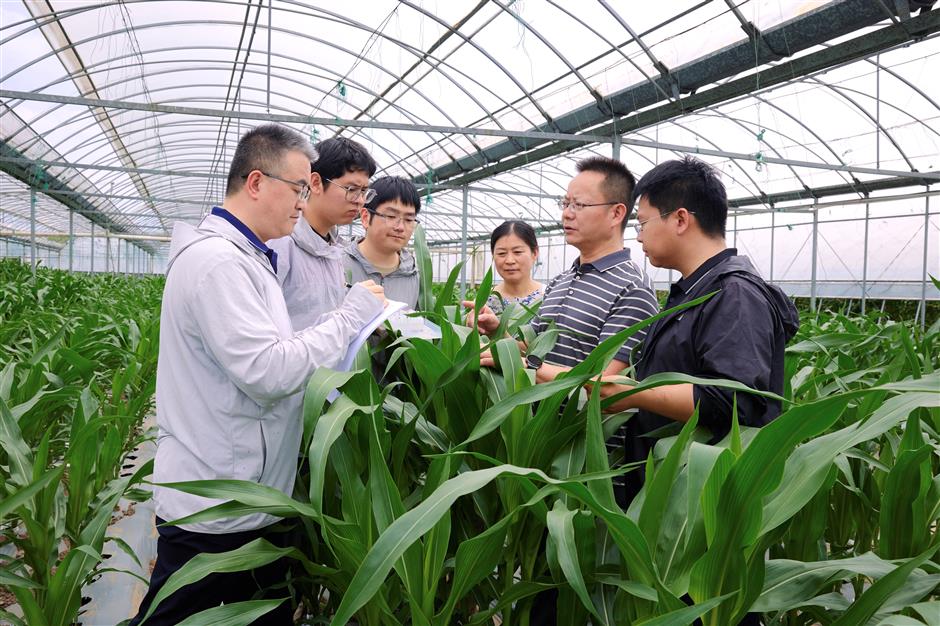
Wu Yongrui and Wang Haihai with the Chinese Academy of Sciences Center for Excellence in Molecular Plant Sciences led the study alongside colleagues from Shanghai Normal University and Sichuan Agricultural University.
The researchers discovered a gene called THP3-T in teosinte, the wild ancestor of modern maize. When added to current maize types, the gene significantly enhanced protein levels in both the grain and the plant.
The discovery could help alleviate a long-standing agricultural issue. Although maize is one of the world's most important food and feed crops, current cultivars have relatively low protein levels, resulting in a high demand for protein-rich feed additives like soybean meal.
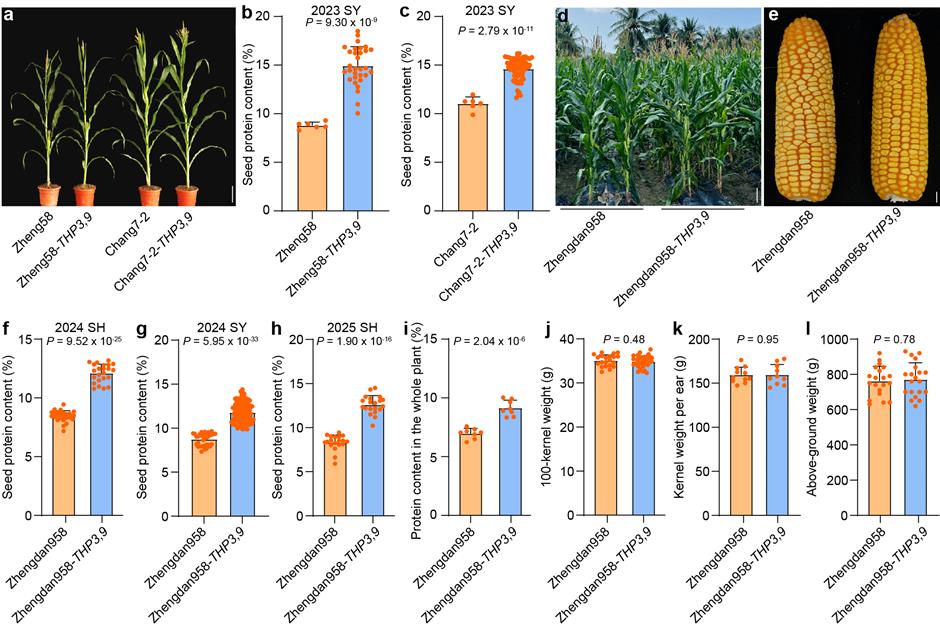
Researchers found that THP3-T helps plants use nitrogen more effectively, directing more of it into protein production. The beneficial version of the gene has become increasingly rare over the course of maize domestication and breeding and is now found in just 2.1 percent of modern maize lines.
The team also combined THP3-T with THP9-T, another protein-enhancing gene they reported in 2022. In trials involving Zhengdan 958, one of China's most widely grown maize hybrids, grain protein content increased from about 8.5 percent to between 12 and 13 percent.
Crucially, the increase came without a reduction in grain yield, a trade-off that has long complicated efforts to breed crops that are both more nutritious and highly productive.
The researchers say the work sheds light on how maize lost some of its protein-producing capacity during domestication and points out the potential of wild crop relatives as a source of valuable genetic traits. Reintroducing such traits to modern breeding could help develop maize varieties capable of producing more protein to meet growing global demand for food and animal feed.
Editor: Liu Qi