Remembering the legacy of a British architect in Shanghai
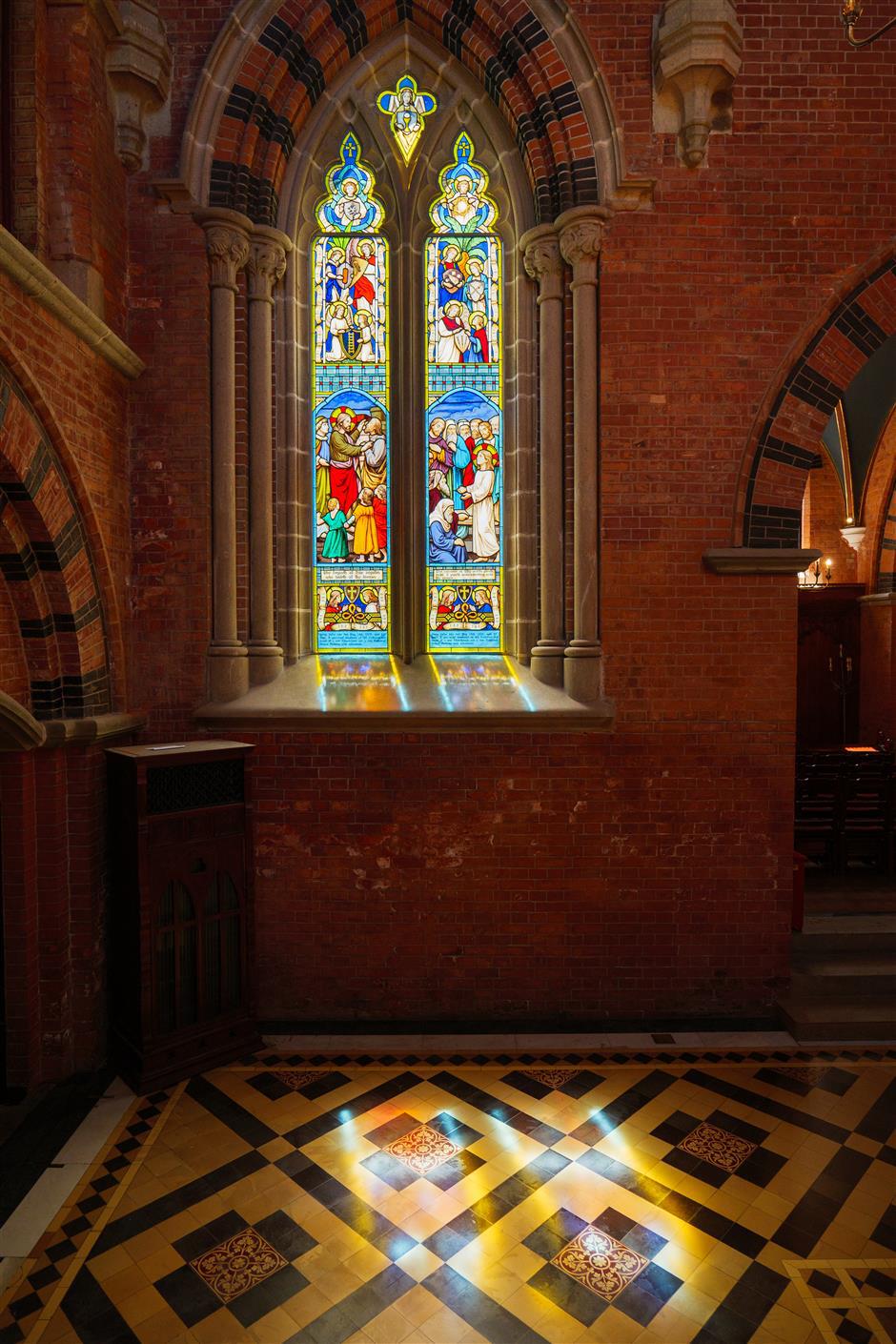
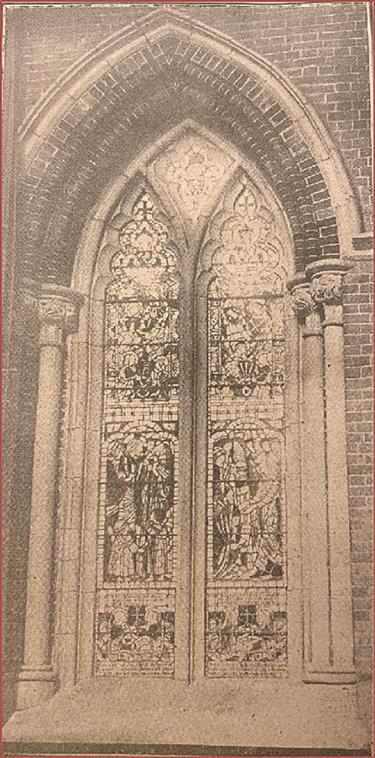
The Holy Trinity Cathedral in Shanghai officially unveiled the restored Lester Memorial Window on May 17, recreating a century-old stained-glass tribute to Henry Lester (1840-1926), a British architect, merchant and philanthropist whose legacy profoundly shaped the city.
Born in Southampton, England, in 1840, Lester trained as an architect and land surveyor in London before arriving in Shanghai in 1863. He joined the Shanghai Municipal Council as a surveyor, then co-founded Lester, Johnson & Morriss in 1913, building a formidable career in architectural design, civil engineering and real estate. By the time of his death on May 14, 1926, at General Hospital (now Shanghai First People's Hospital), he was among Shanghai's largest landowners – yet lived a notably modest life.
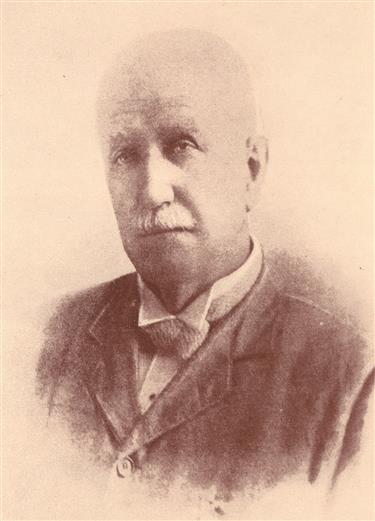
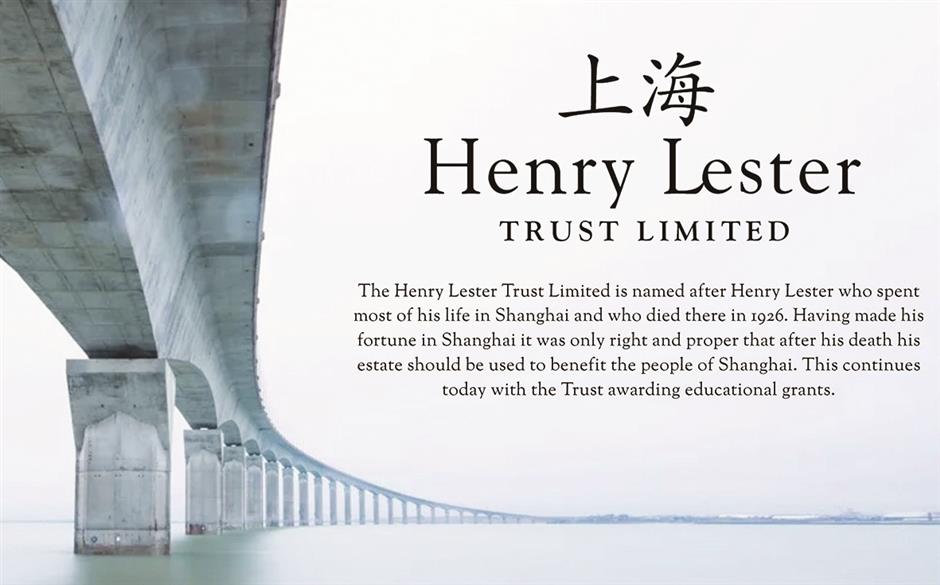
Lester bequeathed virtually all his wealth to establish the Henry Lester Trust, earmarked for medicine, education and charity. His endowments funded the new building of Renji Hospital (Lester Chinese Hospital), the Lester Institute of Medical Research, the Henry Lester Institute of Technical Education, as well as the Lester Scholarship. These remain his most treasured gifts to Shanghai – institutions that continue to serve the city to this day.
I first heard of Henry Lester in 2009, when Beijing journalist Wang Jun, author of "Beijing Record: A Physical and Political History of Planning Modern Beijing Illustrated Edition," told the story of urban planner Charles Chen, or Chen Zhanxiang, who collaborated with architectural master Liang Sicheng on the famous "Liang-Chen Plan" for Beijing.
Chen graduated from the Henry Lester Institute of Technical Education. This college offered first-rate education and nurtured a group of outstanding "Lester Boys" like Chen. In the autobiography, he specifically mentioned British teacher H. Millier from the institute: "It was he who taught me the responsibilities and ultimate power of an architect... An architect does more than just draw plans and build."
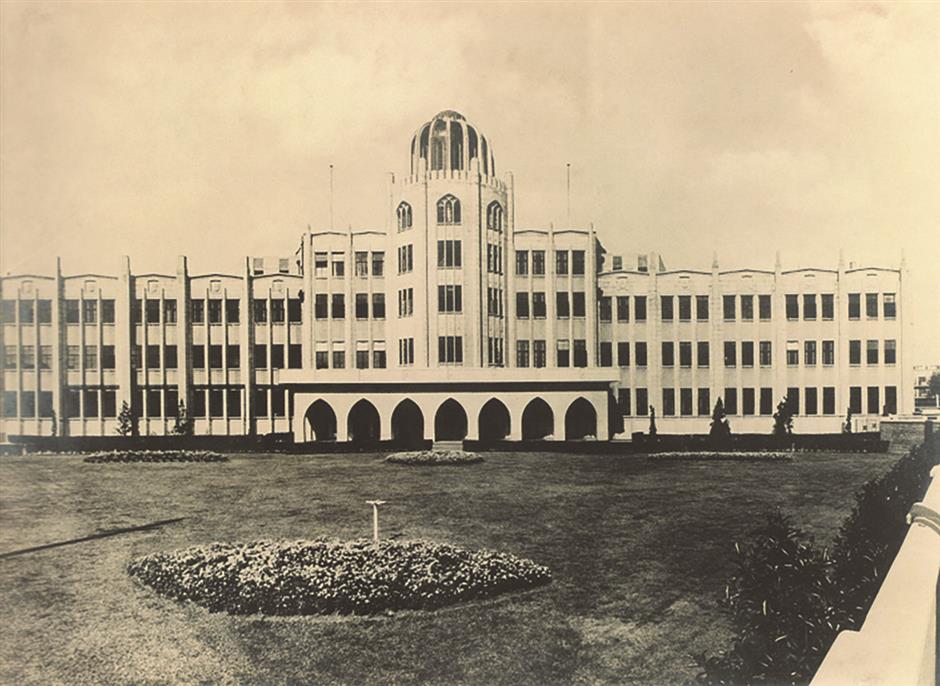
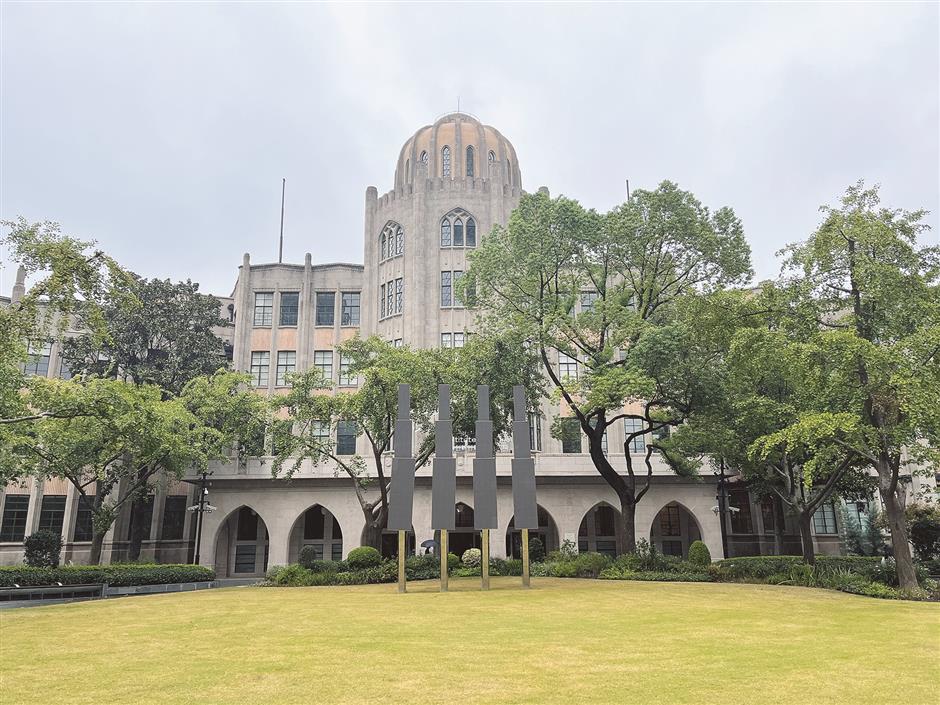
I immediately went to visit the Henry Lester Institute of Technical Education, which at the time served as Seamen's Hospital. The building was somewhat aged and very quiet, yet its unique Art Deco design exuded an extraordinary grandeur. During the 2010 Shanghai World Expo, I wrote a column about it in Shanghai Daily, which caught the attention of a delegation of Miami City Council members attending the expo. They remarked that the building's tower bore a striking resemblance to Art Deco architecture in Miami, Florida.
In my subsequent research and writing, I kept encountering references to Henry Lester. While writing about buildings along Shanghai's Bund, I discovered Lester had resided in a room at the Shanghai Club on the Bund. He was the club's earliest and "strangest" member and loved strolling along the iconic Huangpu River waterfront.
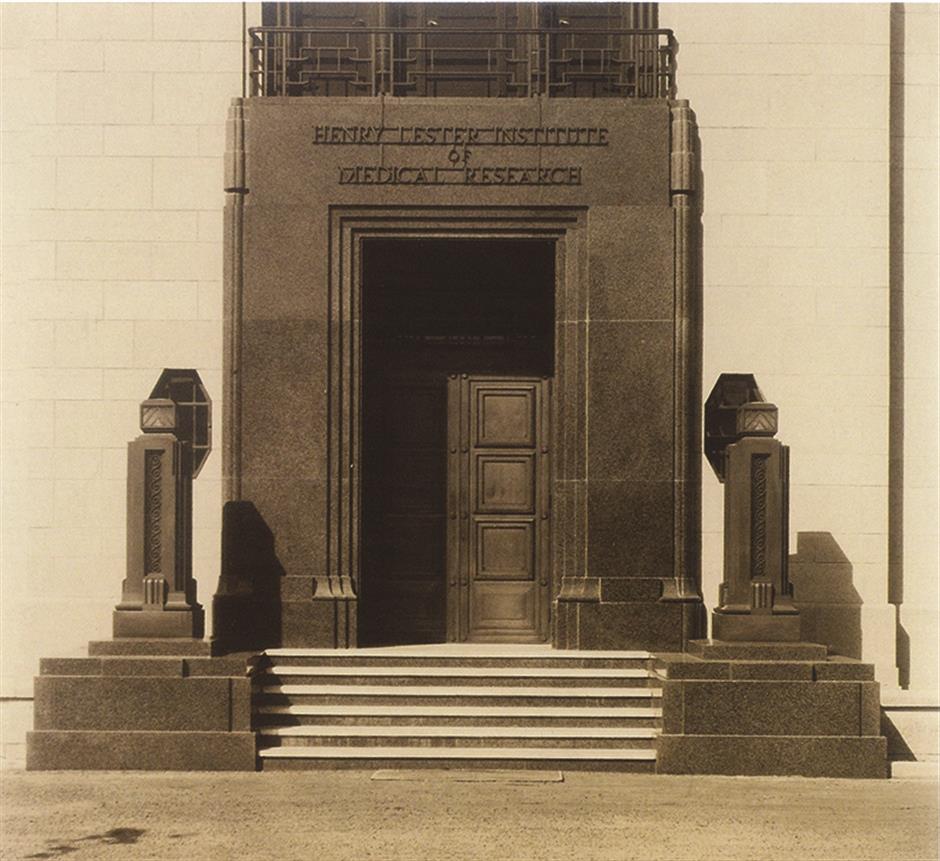
While writing a column on Nanjing Road, I found that Lester had once been one of the top real estate tycoons along the shopping street. On Nanjing Road W. stands the Henry Lester Institute of Medical Research, the largest and finest institute of its kind in the Far East. Both the researchers and their projects blend Chinese and Western approaches: Chinese virologists returning from Harvard University lectured about filterable viruses, while British physiologists conducted scientific analyses of traditional Chinese medicinal materials such as ejiao.
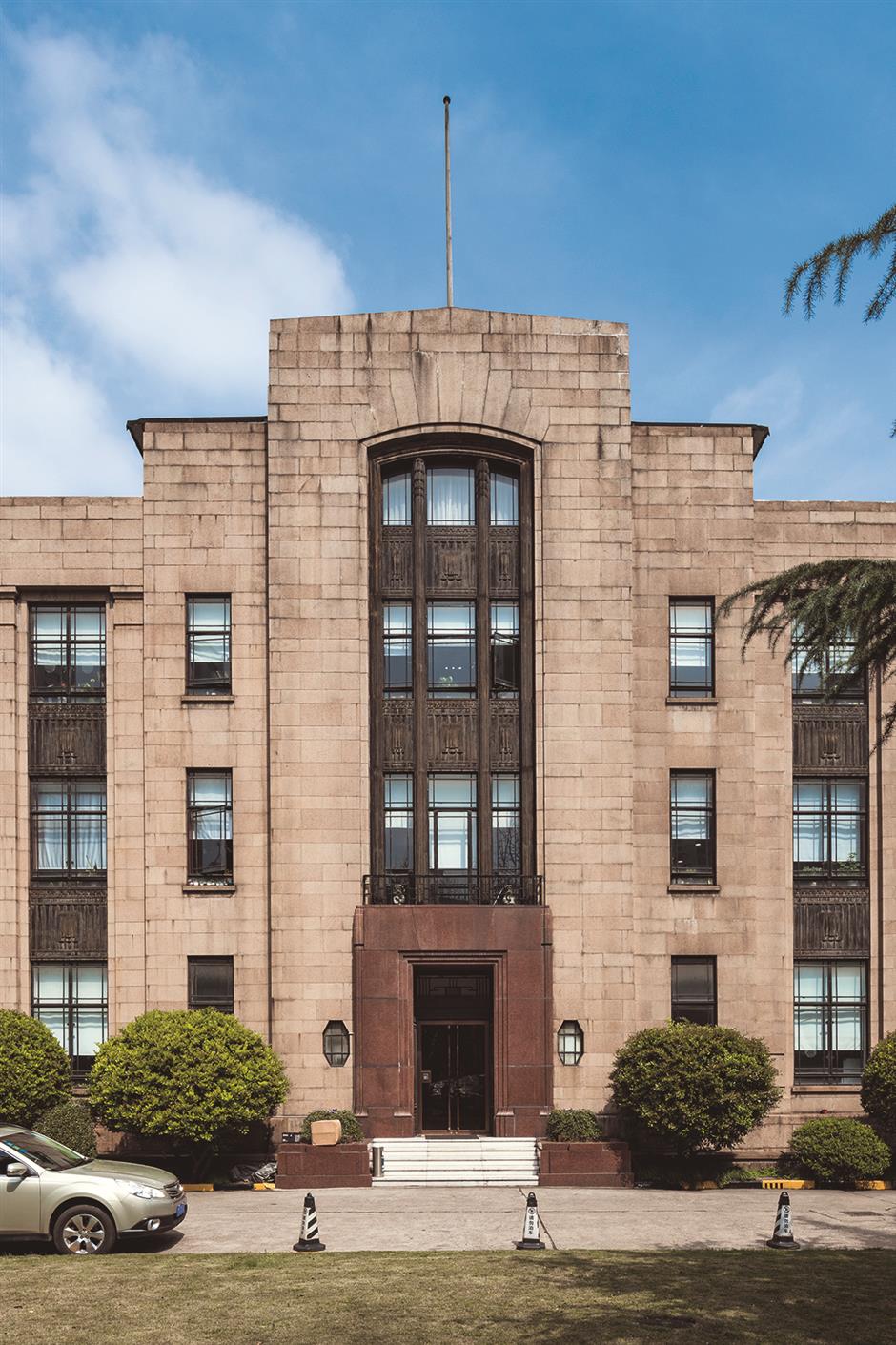
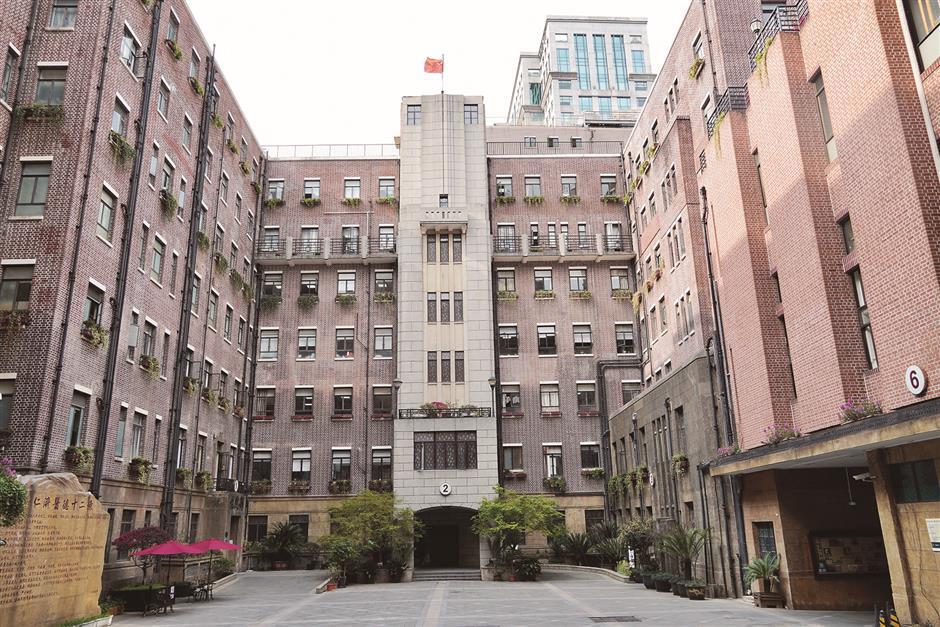
While researching a column on Shanghai's hospital architecture, I discovered that the "new building" built in 1932 for Shanghai Renji Hospital was also donated by Henry Lester. As a young architect, he had designed the men's ward in 1873 for this oldest Western-style hospital in Shanghai that treated Chinese patients. In his will, he designated a donation of 1 million taels of silver and four plots of land for the construction of a new building for the hospital. This modern building integrated outpatient and inpatient services, featuring "Nightingale-style" wards with excellent natural lighting and ventilation – a practical and innovative design. The rent from the land he donated became a significant source of funding for the hospital's operations.
It is worth noting that the clinical unit of the Henry Lester Institute of Medical Research was located on the fifth floor of Renji Hospital. This arrangement allowed for seamless coordination with the hospital's laboratory work and provided an ideal setting for studying medical cases.
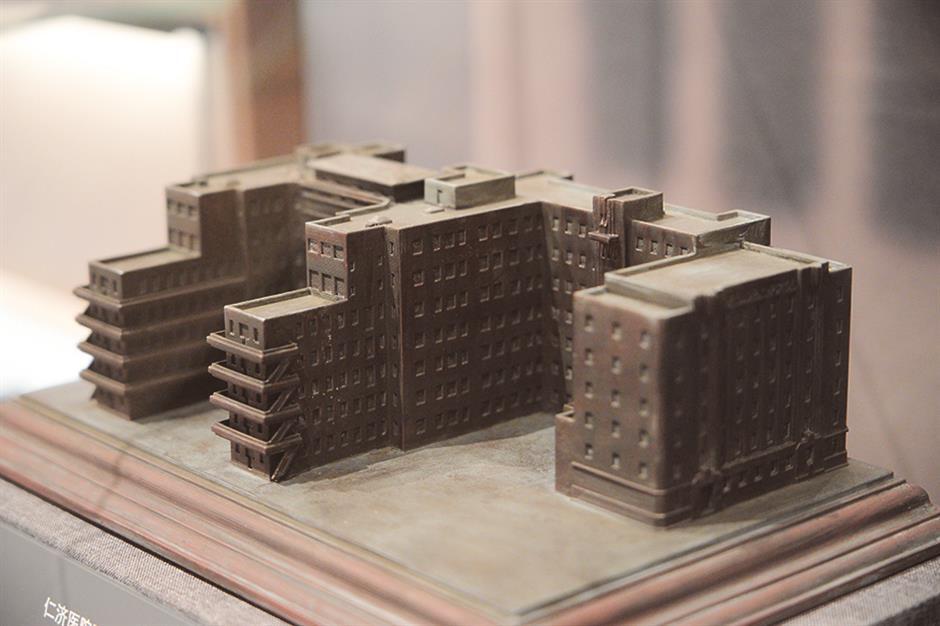
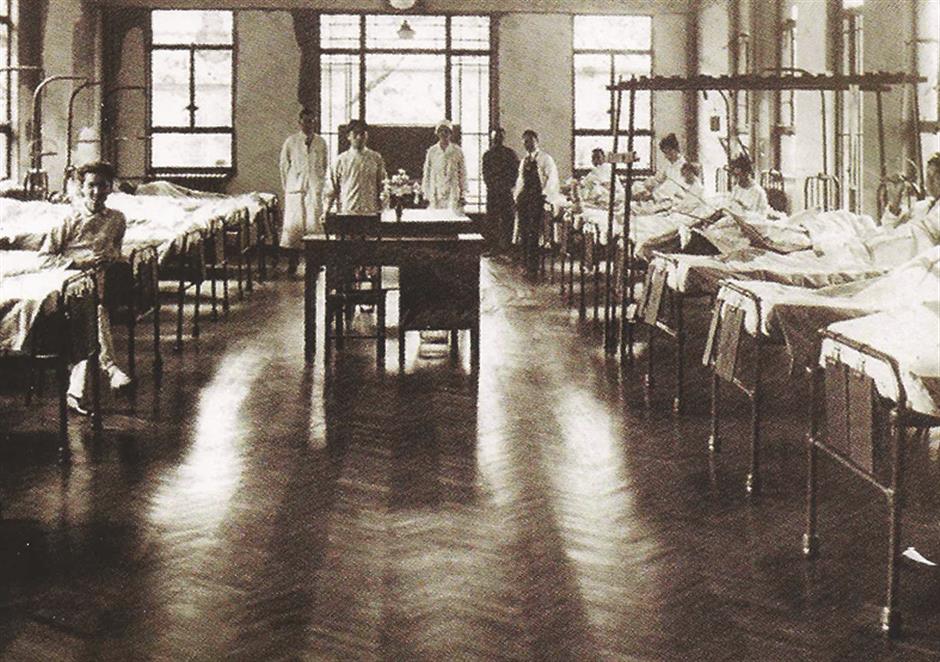
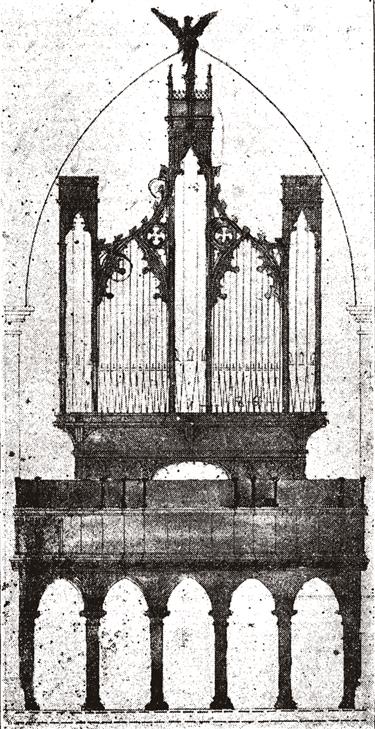
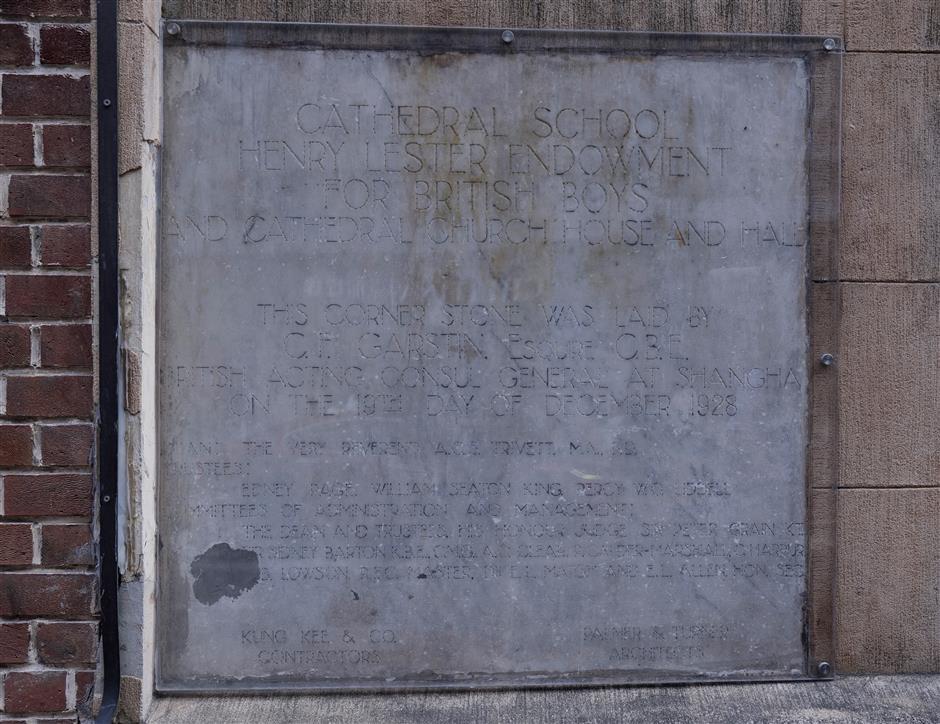
Lester also donated a new grand organ and funds to build a new building for the boys' school attached to the Holy Trinity Cathedral, where he attended Sunday services. In July 1928, the cathedral installed a stained-glass memorial window in his honor, positioned opposite the chair near the south aisle where Lester was accustomed to sitting.
Henry Lester left so many precious gifts to Shanghai; surely we cannot forget his name.
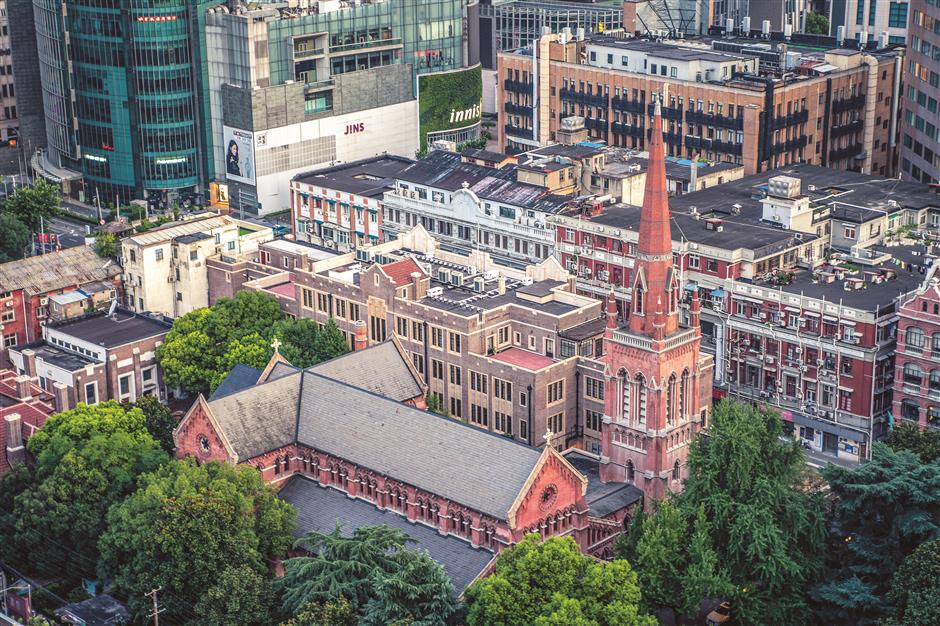
After launching the Qiao Shanghai Studio in 2021, I decided to revisit Lester's architectural legacies and film a short documentary series as a tribute to him. On the centenary of his passing, this puzzle of Henry Lester architectural legacy series was finally completed, with the final episode of Renji Hospital airing recently.
While filming the series, I have found that most of the buildings Henry Lester donated remain well-preserved in Shanghai to this day.

Editor: Xu Qing
In Case You Missed It...

 Sep 8, 2026