China Removes 270 Overseas Institutions From Recognized List
The Chinese Service Center for Scholarly Exchange has recently updated its list of recognized overseas institutions, removing 270 schools from its database.
Graduates from these institutions will no longer be able to register their diplomas with the CSCSE — an important step for those seeking eligibility for civil service exams, household registration, or certain employment opportunities in China.
According to the CSCSE, the adjustment follows a regular quality review process aimed at maintaining the credibility of foreign academic qualifications. The evaluation criteria cover institutional accreditation, curriculum standards, teaching quality, and administrative compliance. Institutions removed from the list often failed to meet these standards or have ceased operations.
The latest update primarily affects institutions that have not processed any degree verifications in the past five years. While 270 institutions were delisted, 606 new ones have been added.
Among the removals, 63 are from the United States — mostly small private colleges or community colleges that lack strong academic recognition in China.
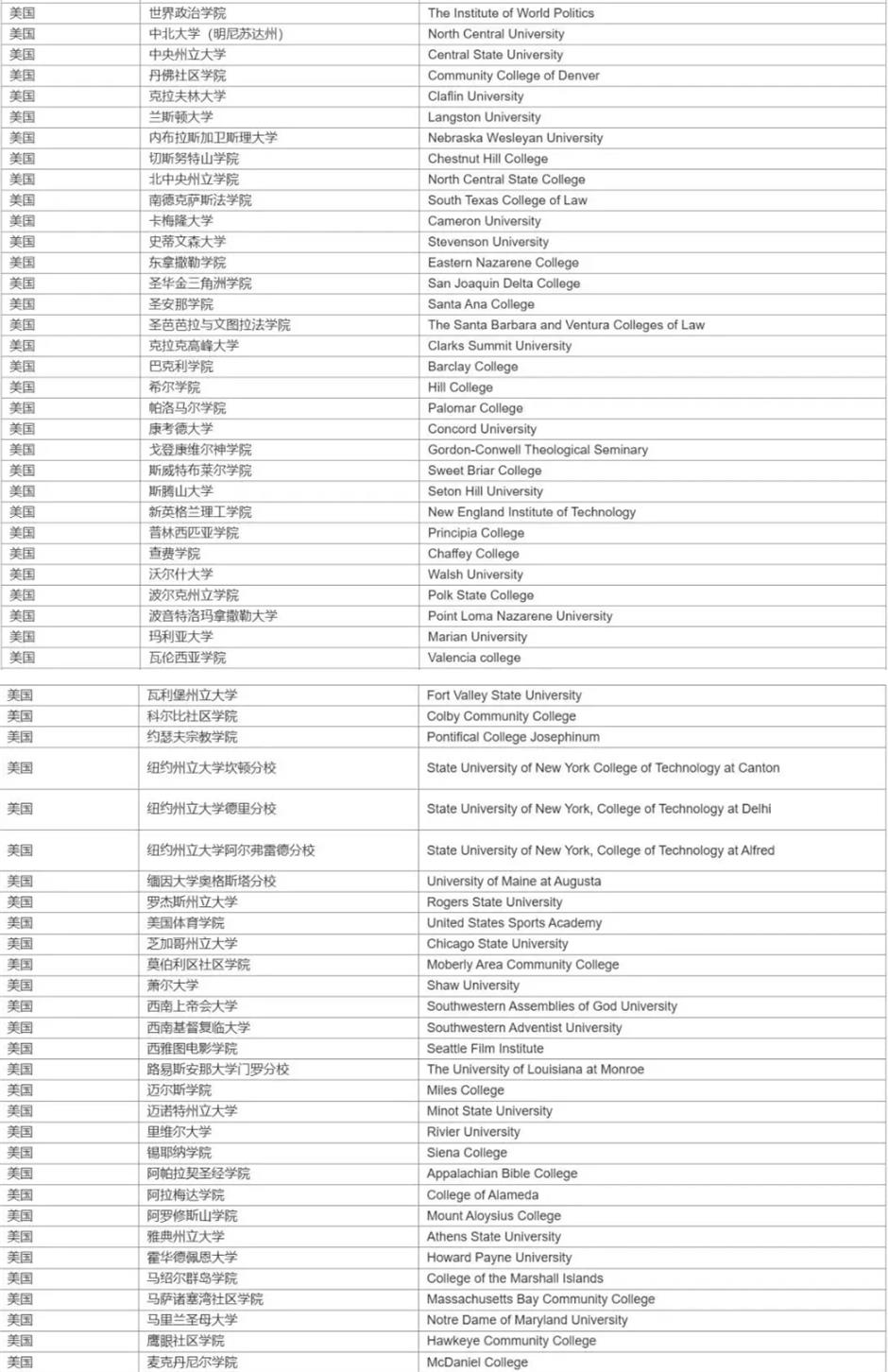
The CSCSE emphasized that the delisted schools are mainly those inactive for years or with questionable credentials. There are still 1,539 US institutions currently recognized.
Other countries saw smaller adjustments: One institution was removed from the United Kingdom (Newman University Birmingham); two from Australia (Gordon Institute of TAFE and The University of Notre Dame Australia); three from Canada (Canadian Mennonite University, Villa Maria School of Montreal, and Université of Moncton); 15 from South Korea; and 11 from Russia.
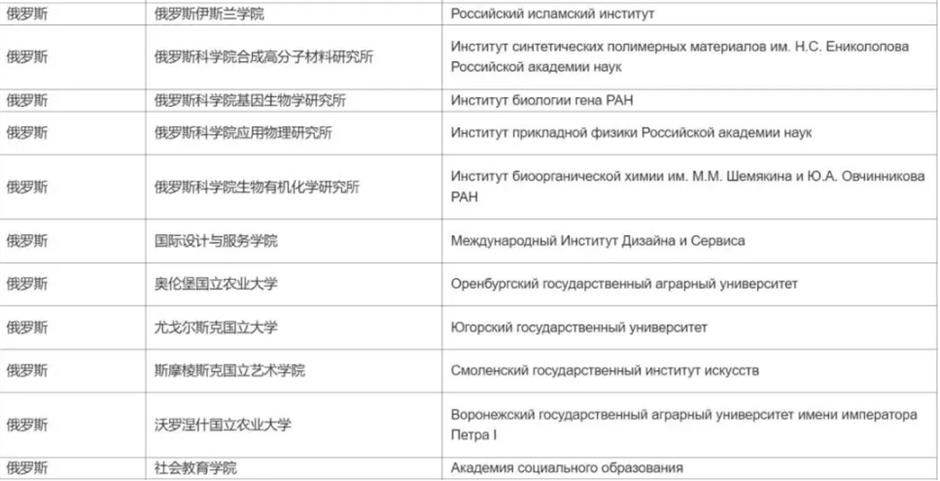
The official statement clarified that the adjustment mainly targets institutions with no diploma registration records over the past five years.
The full list of updates is available on the CSCSE website:
https://zwfw.cscse.edu.cn/cscse/lxfwzxwsfwdt2020/xlxwrz32/qtxx/580296/index.html
The policy may also affect foreign nationals seeking employment or residence in China. For most cases — such as work visa (Z visa) applications — degrees can still be authenticated through Apostille (Hague) certification or consular legalization.
However, for certain high-level applications like permanent residency for PhD holders, the lack of CSCSE certification could pose greater challenges.
Editor: Wang Qingchu
In Case You Missed It...

 Sep 16, 2026

![[Community] Say Bye, Say Hi: An Evening of Swapping, Sharing and Connecting](https://obj.shine.cn/files/2026/09/16/699fe833-2ba8-4118-b51a-6cee96e14a30_0.jpg)