Shanghai Symposium Reflects on the Tokyo Trial 80 Years Later
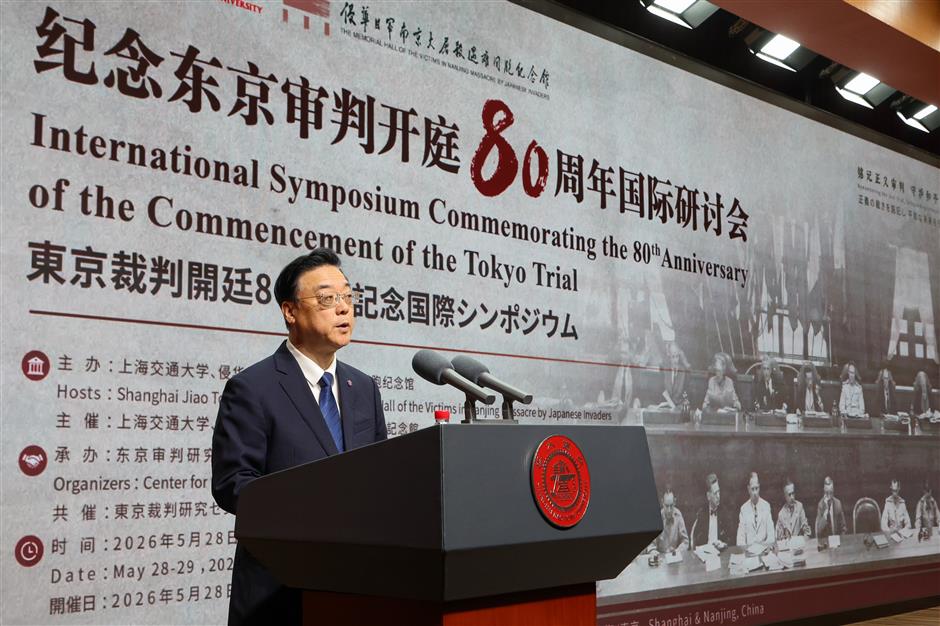
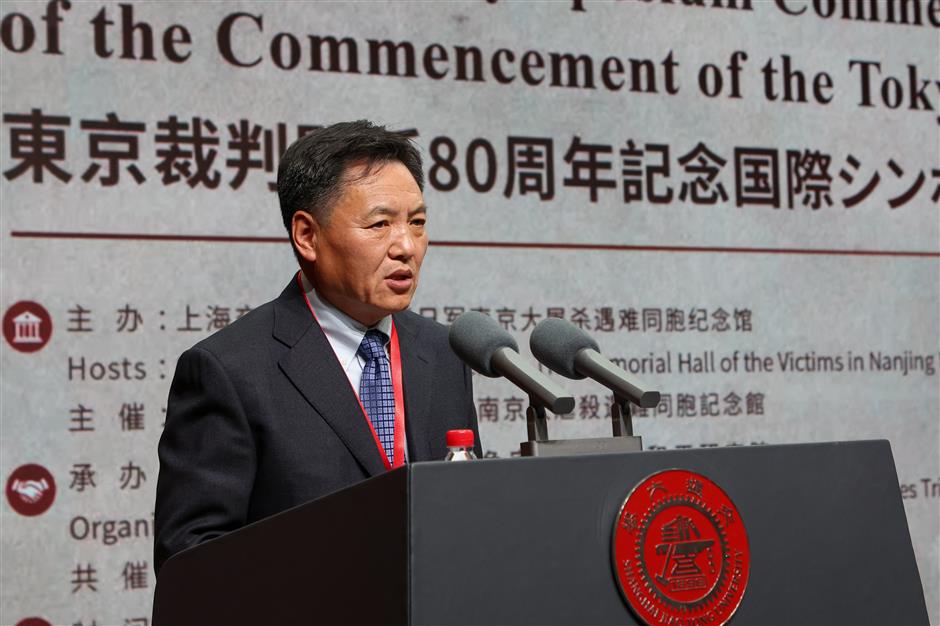
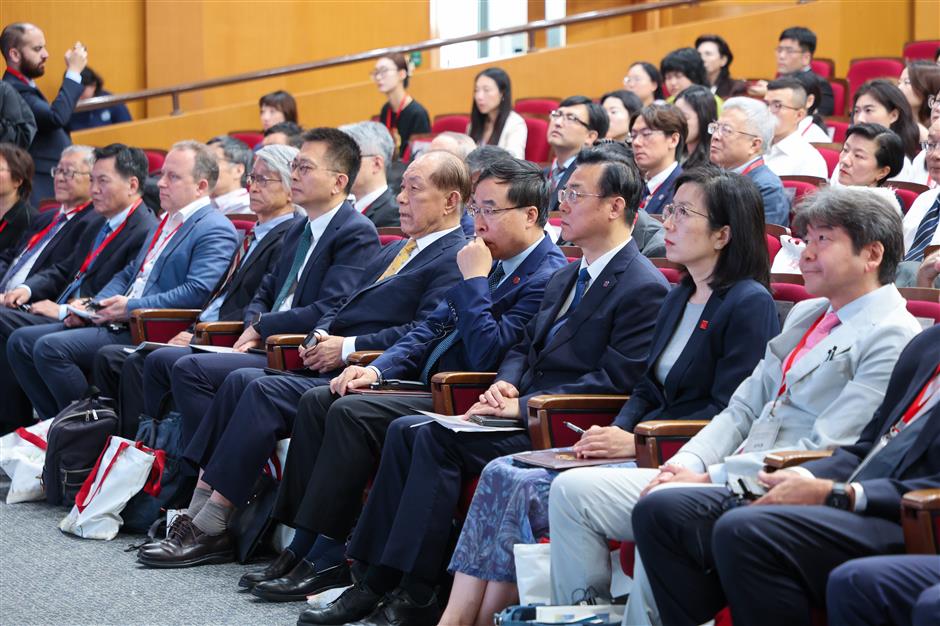
An international symposium kicked off in Shanghai today, bringing together dozens of experts and scholars from home and abroad to commemorate the 80th anniversary of the Commencement of the Tokyo Trial.
The two-day event, jointly hosted by Shanghai Jiao Tong University and the Memorial Hall of the Victims in Nanjing Massacre by Japanese Invaders, engaged participants, from China, Japan, South Korea, Malaysia, Russia, Germany, Spain, Australia, New Zealand, and Brazil, in discussions on the historical value and contemporary significance of the Tokyo Trial.
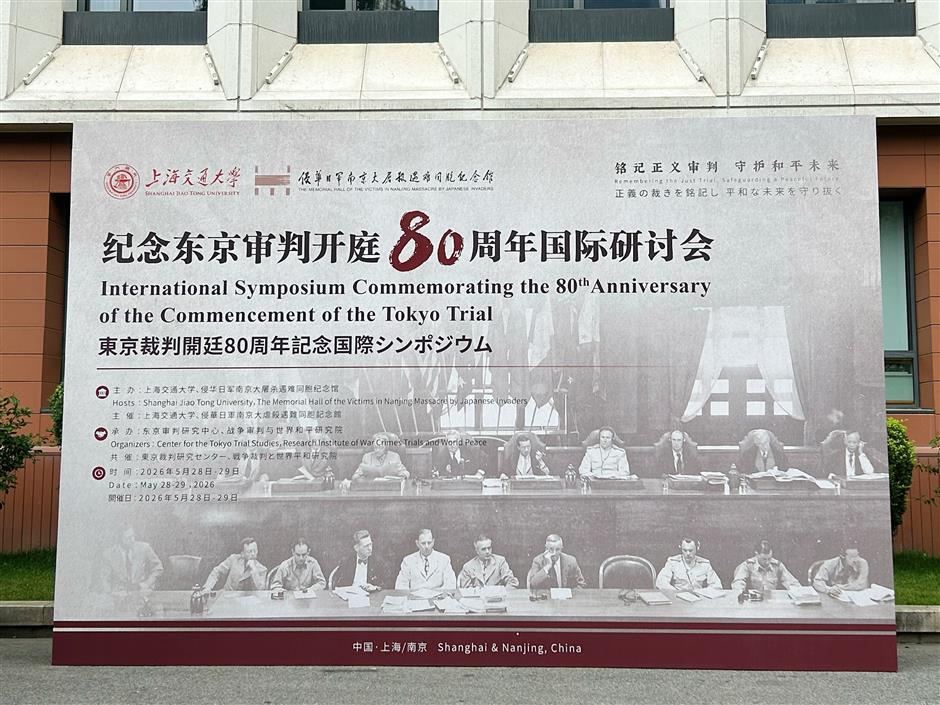
Eighty years ago on May 3, the International Military Tribunal for the Far East officially opened to deliver long-overdue judicial justice against Japanese wartime militarism. Held in Tokyo, the tribunal is universally recognized as the Tokyo Trial.
The military tribunal consisted of 11 judges appointed by 11 countries: the United States, China, the United Kingdom, France, the Soviet Union, Canada, Australia, New Zealand, the Netherlands, India and the Philippines.
Over two and a half years, judges and prosecutors reviewed extensive testimonial and physical evidence throughout the trial. The final ruling documented in detail the full process by which Japanese militarism planned, prepared, initiated and carried out its war of aggression, thereby legally confirming its crimes against countries across the Asia-Pacific region.
At the same time, it was the largest trial in human history, holding the principal perpetrators of an aggressive war accountable through legal means. Together with the earlier Nuremberg Trials in Germany, it established a landmark precedent in international justice.
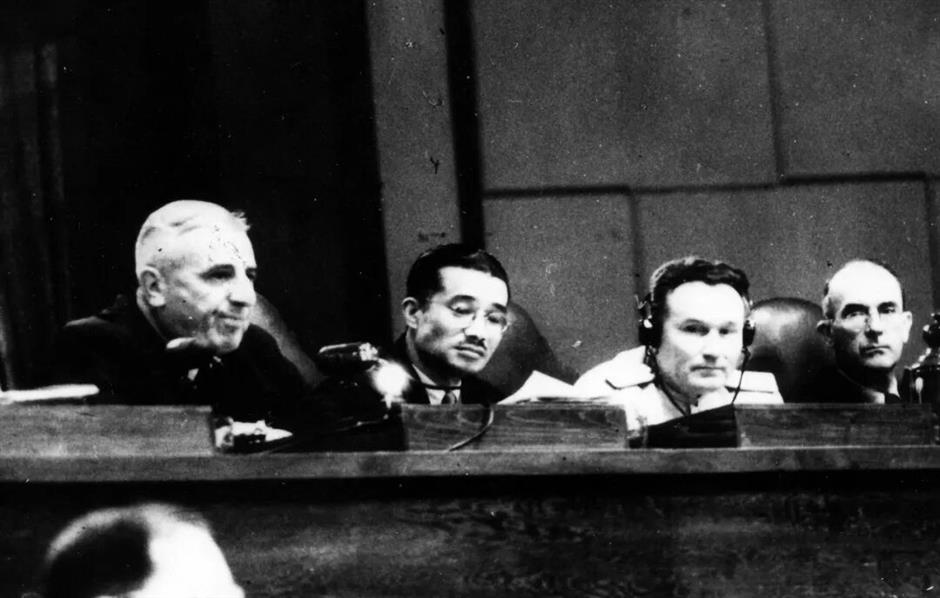
According to Hong Kong Daily, this 924-day historical trial prosecuted 28 Class-A Japanese war criminals, held 818 court sessions, and produced 48,412 pages of trial records. In terms of the number of participating countries, the length of proceedings, and the scale of the trial, it remains unprecedented in human history.
Chinese judge Mei Ru'ao (梅汝璈) represented China at the trial as head of the Chinese legal delegation to the tribunal.
He stated: "In my view, the Tokyo Trial, like the Nuremberg Trials, should be regarded as 'one of the greatest events arising from this world war' (to borrow the words of President Truman)."
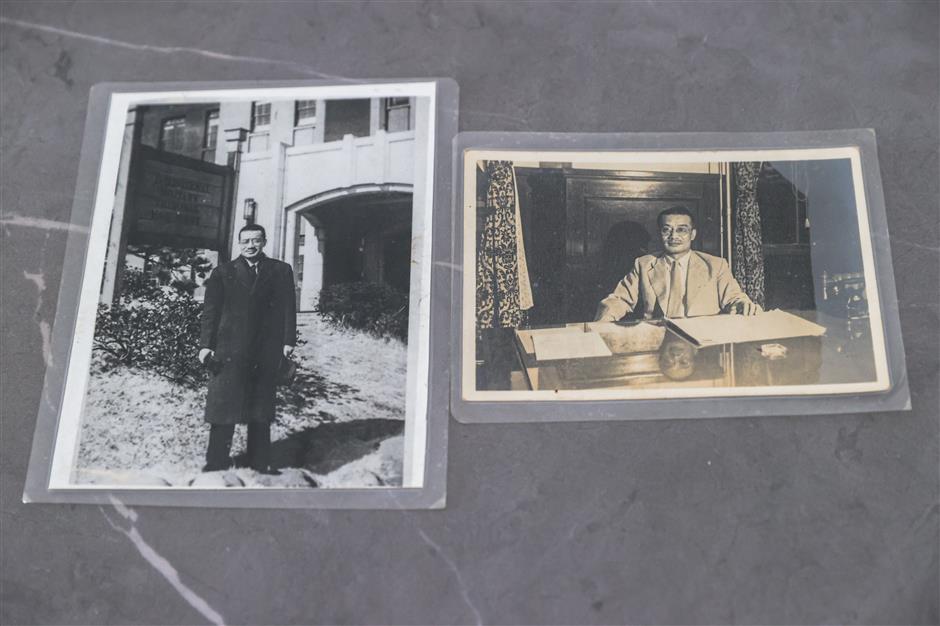
Chinese prosecutor Xiang Zhejun (向哲濬) was a participant throughout the entire proceedings, leading the Chinese prosecutorial team in collecting evidence of Japanese war crimes and presenting compelling arguments in court, contributing China's strength to upholding international fairness and justice.
At the International Symposium Commemorating the 80th Anniversary of the Commencement of the Tokyo Trial in Shanghai, experts and scholars had high praise for the historical value of the Tokyo Trial.
They noted that, based on solid evidence and strict legal procedures, the tribunal established Japan's aggression against multiple Asia-Pacific countries, and together with the Nuremberg Trials, punished crimes of aggression and war crimes, forever inscribing fascist war criminals on the pillar of historical shame, while safeguarding international fairness, justice, and the post-war international order.
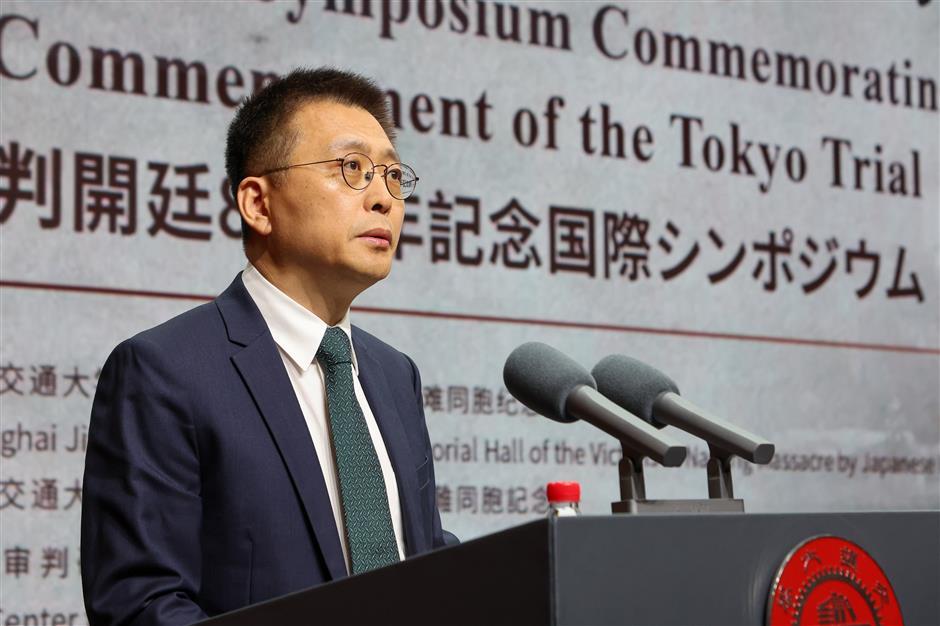
The participating experts and scholars also emphasized that the legal foundation of the Tokyo Trial is beyond dispute. Claims such as "ex post facto law" or "victors' justice" do not constitute valid grounds for questioning its legitimacy; rather, they are excuses used by right-wing forces in Japan to obscure the history of aggression and deny war responsibility.
The Tokyo Trial represents a collective effort by the international community to restrain violence through reason and to constrain power through the rule of law.
In today's world, where the post-war international order and peace and stability in the Asia-Pacific region continue to face challenges, it is even more important to remember this trial of justice and carry forward its core spirit in order to safeguard historical truth and a peaceful future, they insisted.
Acceptance of the Tokyo Trial is an inevitable requirement for implementing a series of important international documents, including the Cairo Declaration, the Potsdam Declaration, and the Japanese Instrument of Surrender, and is also a prerequisite for Japan to gain international trust and restore relations with its neighbors.
The legal foundation of the Tokyo Trial must not be discredited. Japan should, like Germany with the Nuremberg Trials, face the Tokyo Trial squarely and learn from its historical lessons.
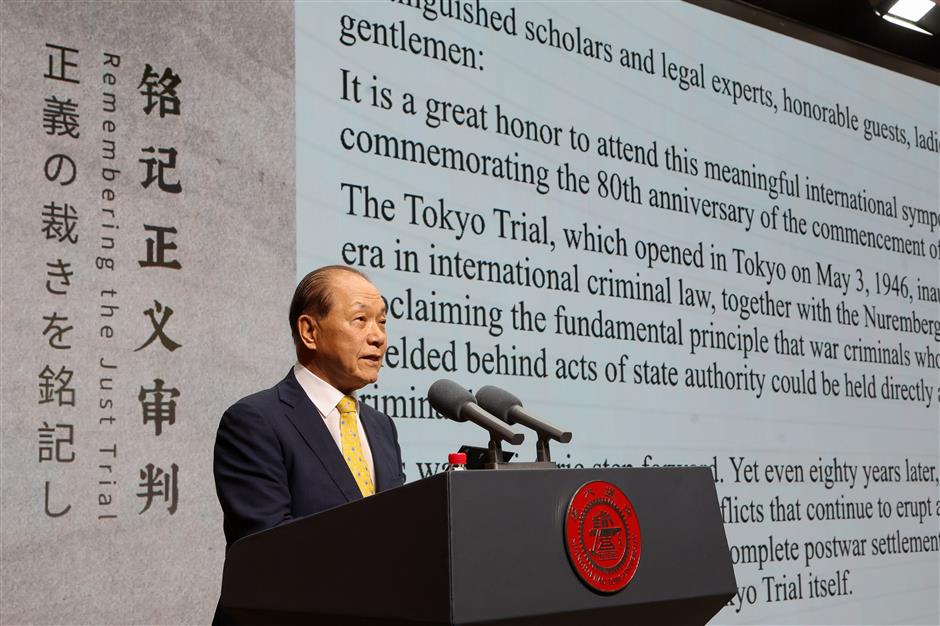
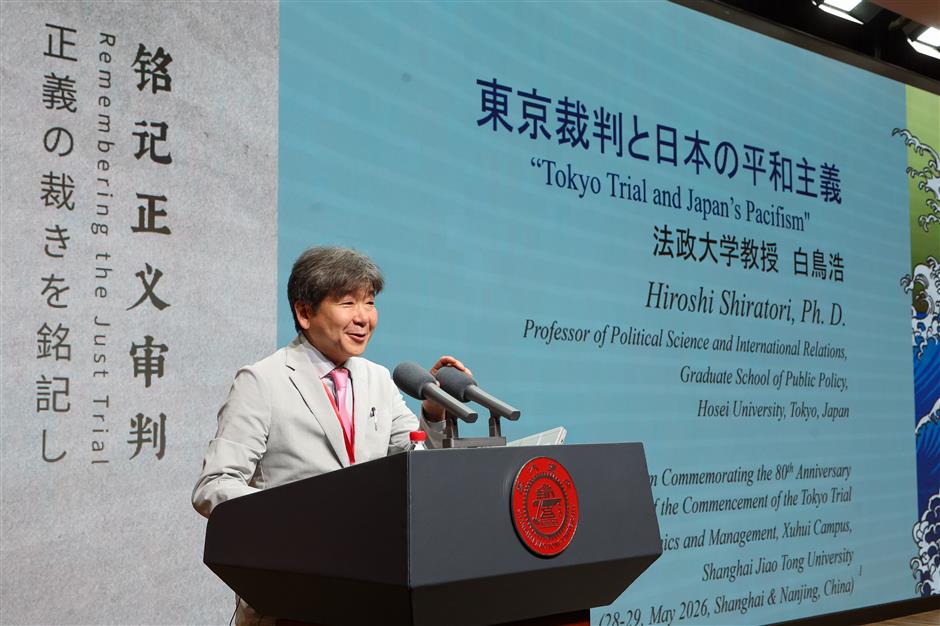
Cheng Zhaoqi, director of the Center for the Tokyo Trial Studies at Shanghai Jiao Tong University, stated in his speech that the reason the world must firmly uphold the achievements of the Tokyo Trial today is not merely nostalgia for a trial that took place 80 years ago, but because it is closely linked to current international political realities, Japan's future national trajectory, and peace and stability in Asia and the world.
Tomorrow, participating Chinese and international guests will visit the Memorial Hall of the Victims in Nanjing Massacre by Japanese Invaders in Nanjing, Jiangsu Province, and hold a memorial ceremony in remembrance of the victims of the war.
Editor: Liu Qi