Archeological Treasures Trace Qin's Path to China's First Unified Empire
An exhibition has opened at the East Branch of Shanghai Museum, tracing how the Qin evolved from a frontier tribe into China's first unified empire.
Open to the public for free from Wednesday, "The Qin's Unification in Archeological Treasures" is the fifth installment in the museum's "The Essence of China" archeological exhibition series. Bringing together 510 artifacts in 328 sets from 14 museums and archeological institutions across the city and the provinces of Gansu and Shaanxi, the exhibition presents one of the most comprehensive showcases of Qin culture and archeology in recent years.
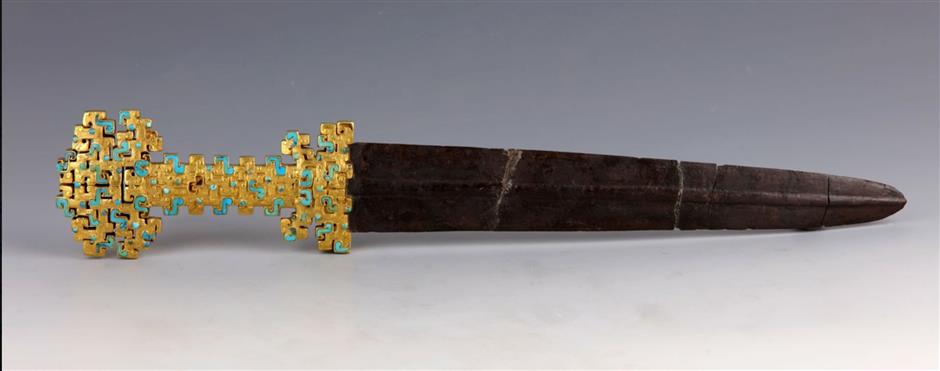
Drawing on major archeological discoveries from sites, including Liya, Mount Dabaozi, and the Mausoleum of the First Qin Emperor, the exhibition traces the centuries-long journey that transformed the Qin from a regional tribe in China's northwest into the state that unified the country in 221 BC.
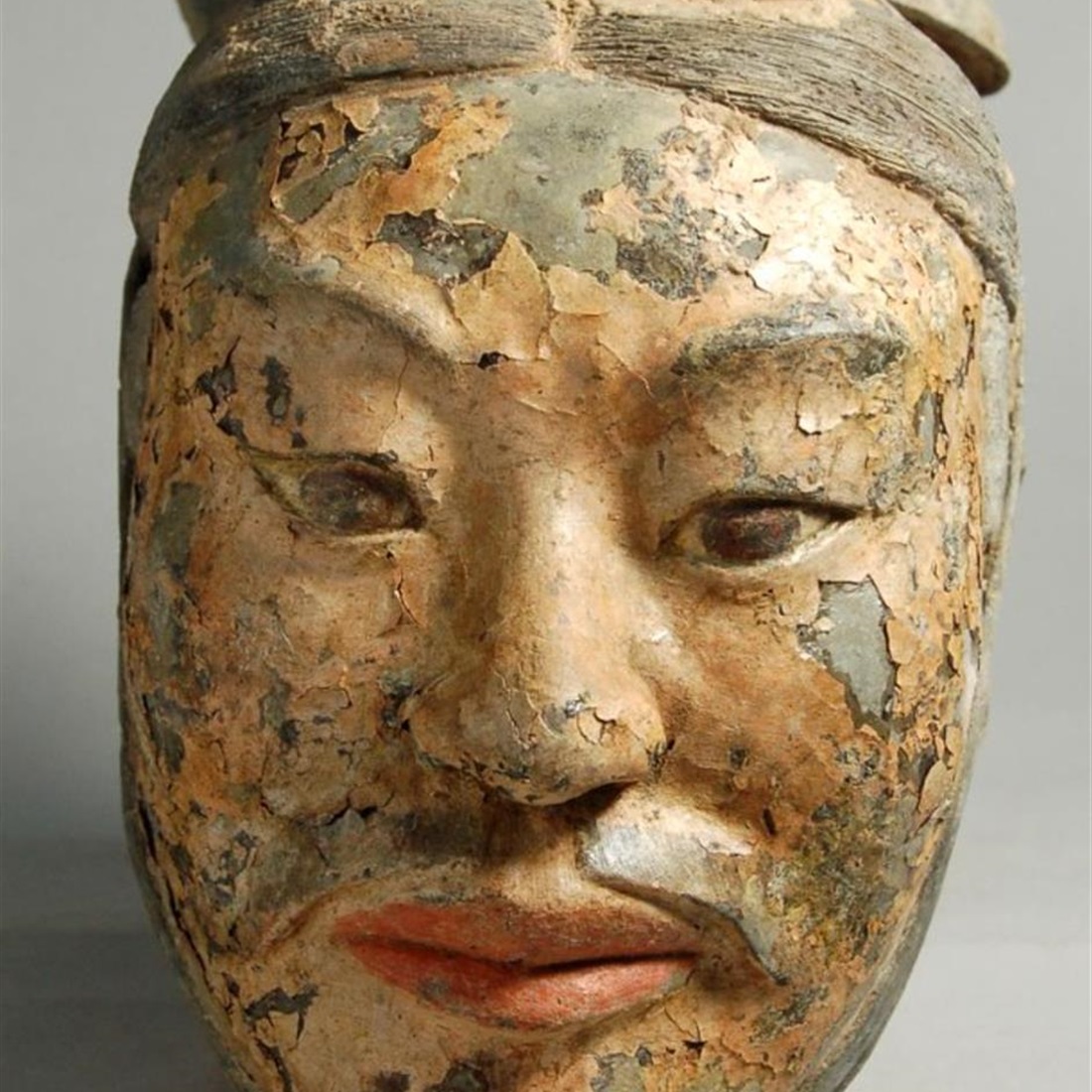
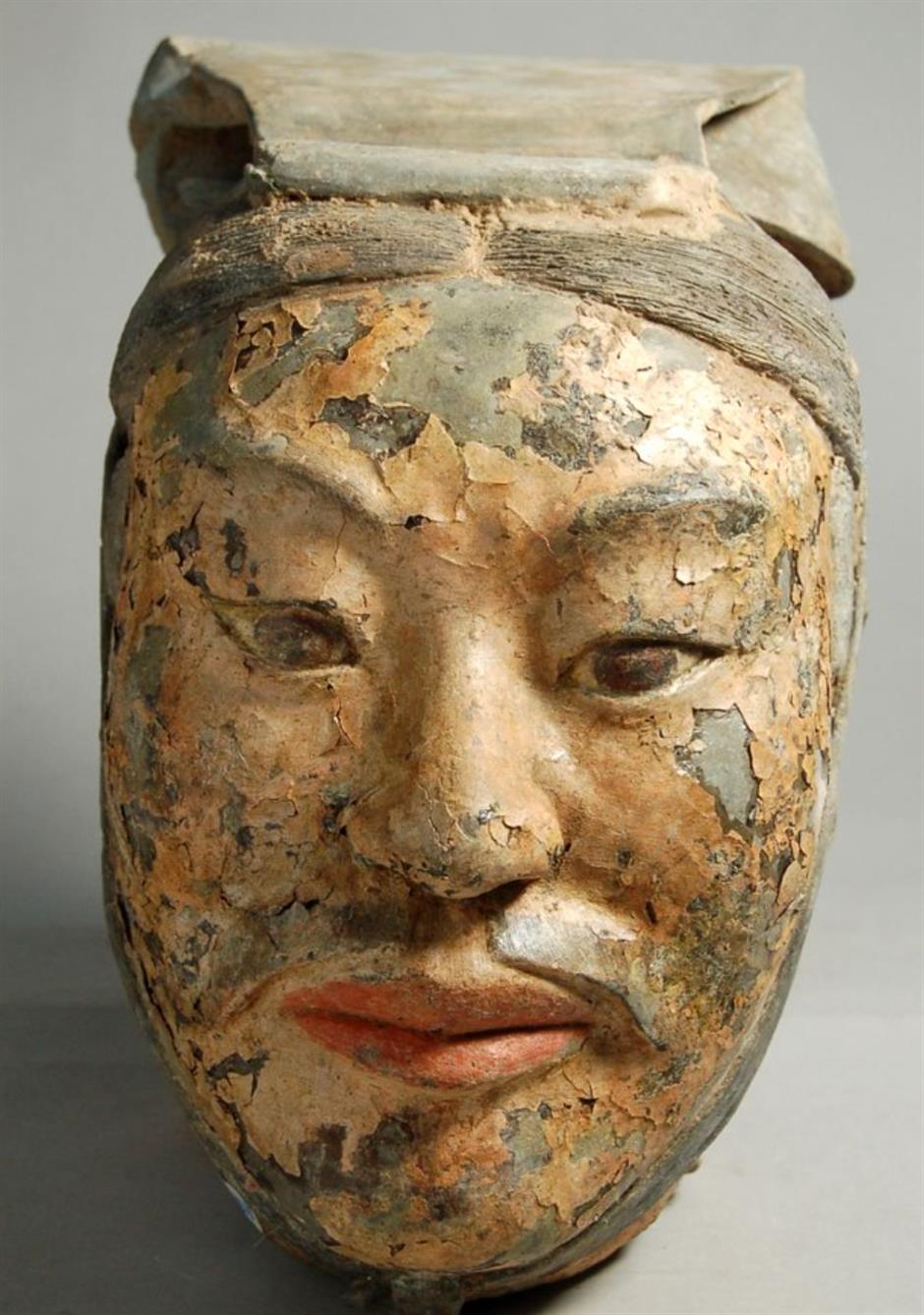
One highlight is a painted terracotta head from the Mausoleum of the First Qin Emperor, making its first appearance outside the museum. Bronze ritual vessels, gold ornaments, weapons, jade objects, and administrative artifacts on display reveal the political, cultural, and technological developments that paved the way for unification.
The exhibition is divided into four sections.
"Qin People" examines the origins and early development of the Qin community. "Qin State" focuses on the establishment of the Qin state and its eastward expansion. "Qin Integration" explores cultural exchanges between the Qin and neighboring states, highlighting the openness and adaptability that shaped Qin civilization. The final section, "Qin Unification," showcases the institutions, standards, and governance systems that laid the foundation for China's first centralized empire.
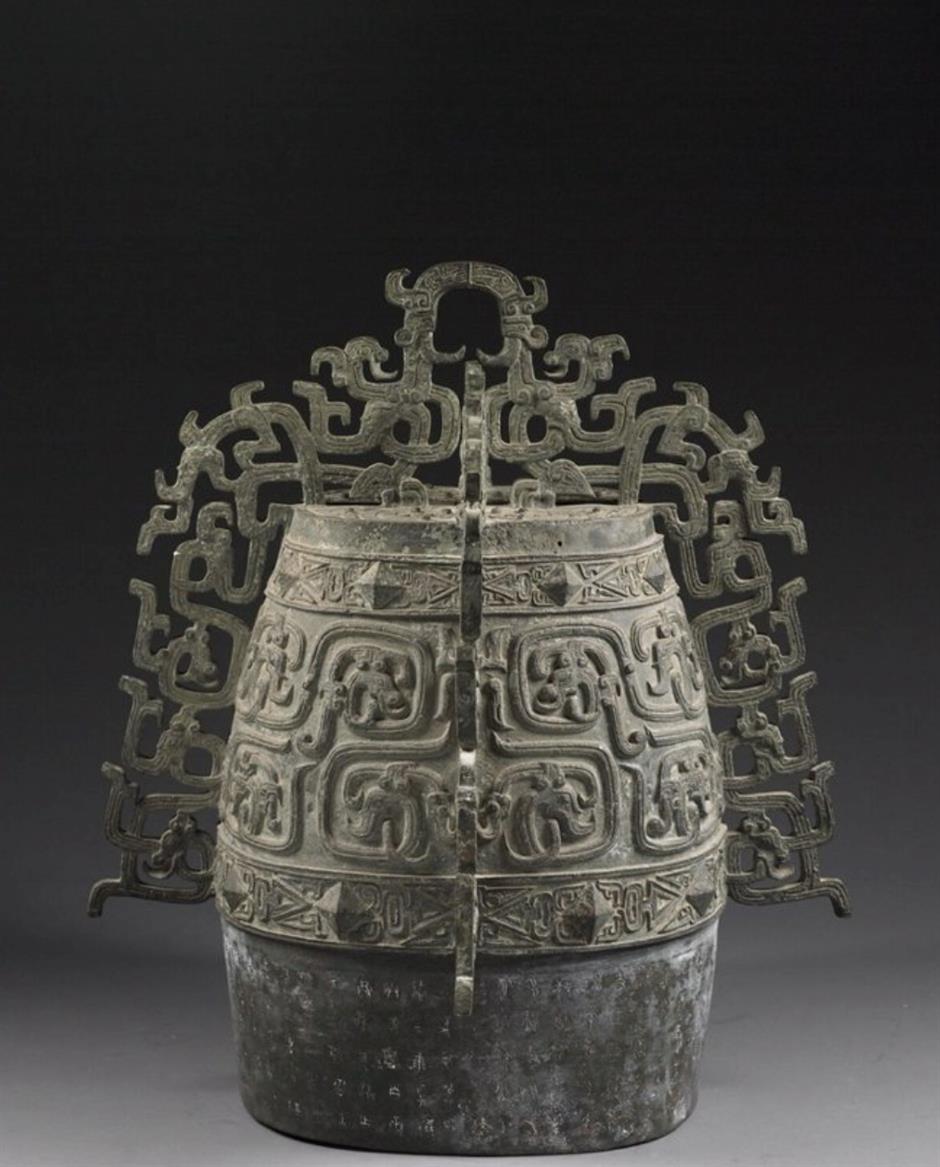
Beyond military conquest, the exhibition emphasizes the role of cultural integration, institutional innovation, and state-building in the Qin's rise. Archeological evidence demonstrates how the Qin absorbed influences from different traditions while developing a distinct political and cultural identity.
The exhibition also features an immersive display design that encourages visitors to follow the Qin story from its origins in the western frontier to the creation of a unified empire. Through recently excavated artifacts and landmark archeological discoveries, it offers new perspectives on one of the most transformative periods in Chinese history.
If you go
Date: Through September 7, 2026
Venue: Special Exhibition Hall I, Shanghai Museum East Branch 上海博物馆东馆第一特展厅
Address: 1952 Century Avenue 世纪大道1952号
Admission: Free