Blazina's Handbags Reflect Women's Changing Place in Society
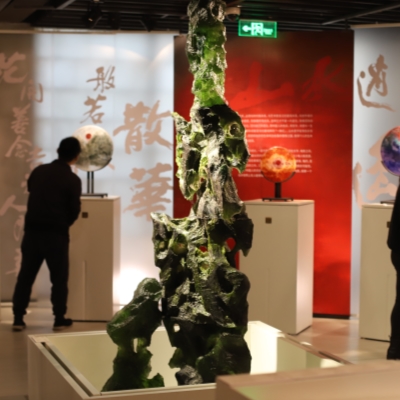
The Liuli China Museum is hosting the first solo exhibition of American artist Jen Blazina in Asia until February 28.
This exhibition features 15 artworks by the artist, who has long explored the themes of memory, loss, and the passage of time.
A multidisciplinary artist whose practice spans sculpture, printmaking, and photography, Blazina tries to transform materials into vessels of remembrance.
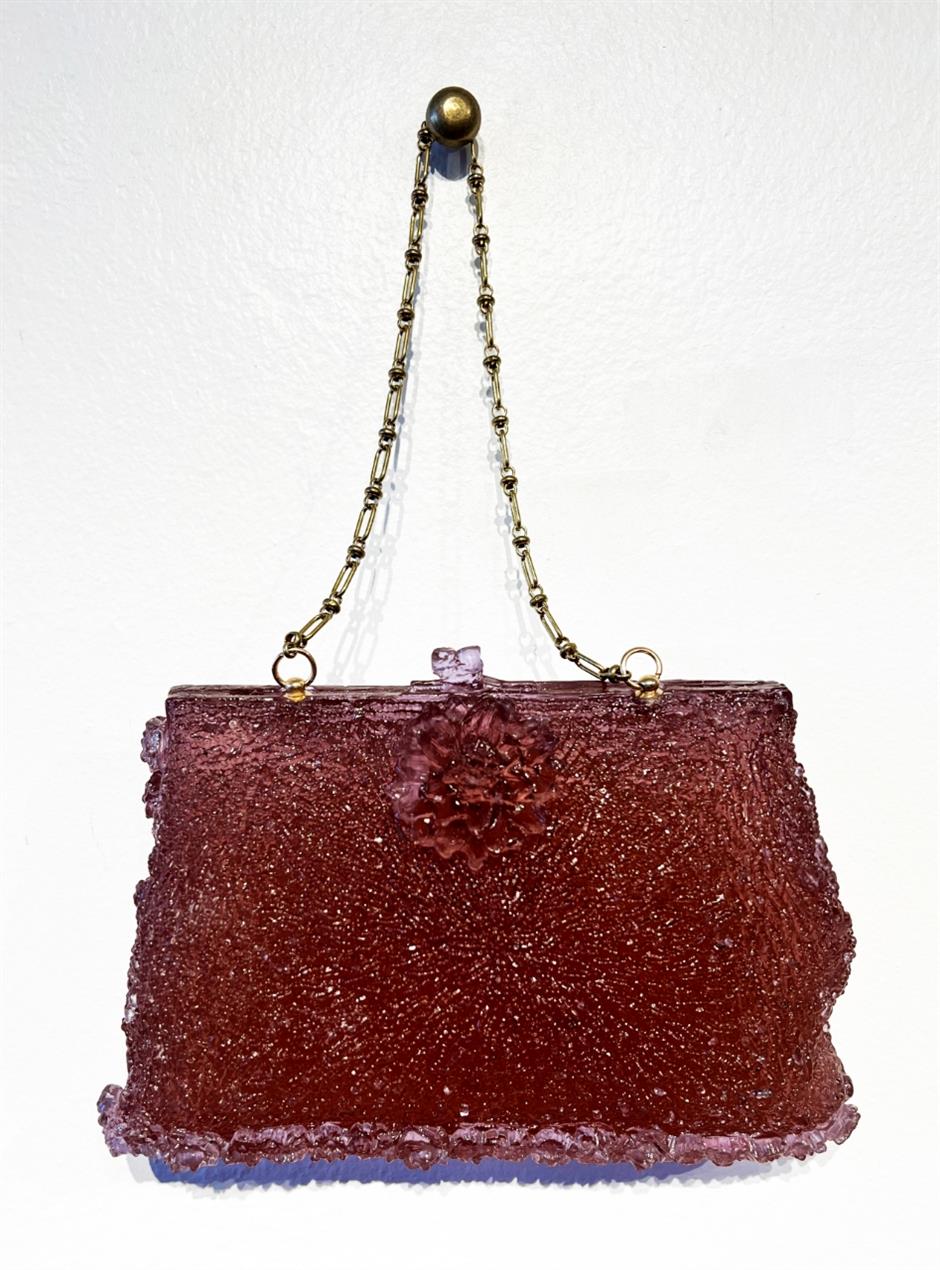
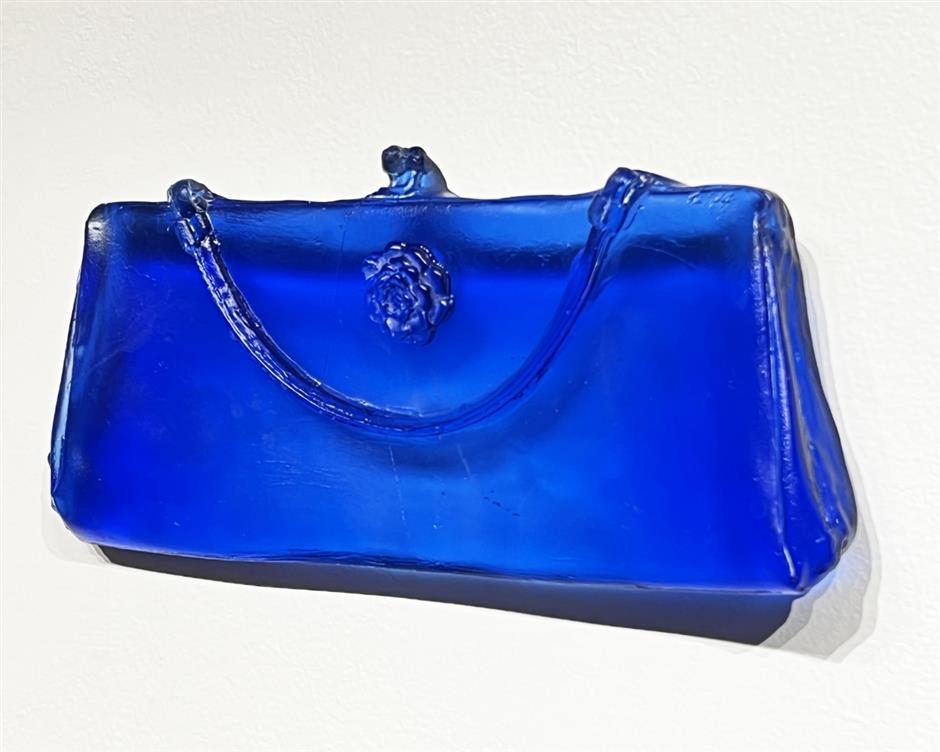
For this exhibition, Blazina focused on handbags from the 1920s to the 1980s. Each bag reflects societal expectations and lifestyles for women of its time.
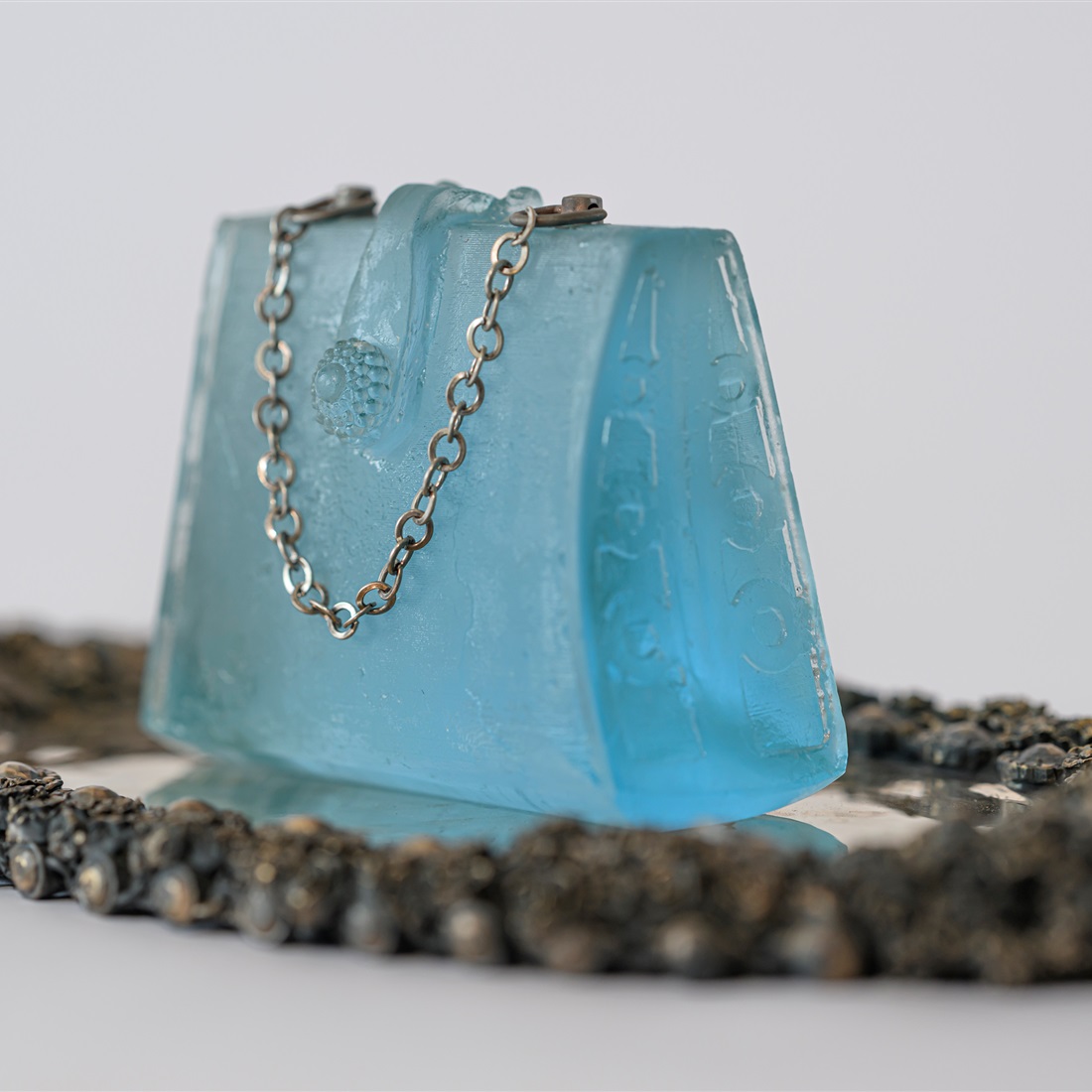
The artist utilizes glass to preserve fragments of time in "She's So Clutch," revealing the connection between memory and the individual.
"I inherited my grandmother's handbag. In a snapshot taken by my grandfather, she is holding it. The picture and the handbag correspond to the past: one records that instant, while the other carries it forward," she said.
"I am not reproducing objects. I am preserving a time that was once held."
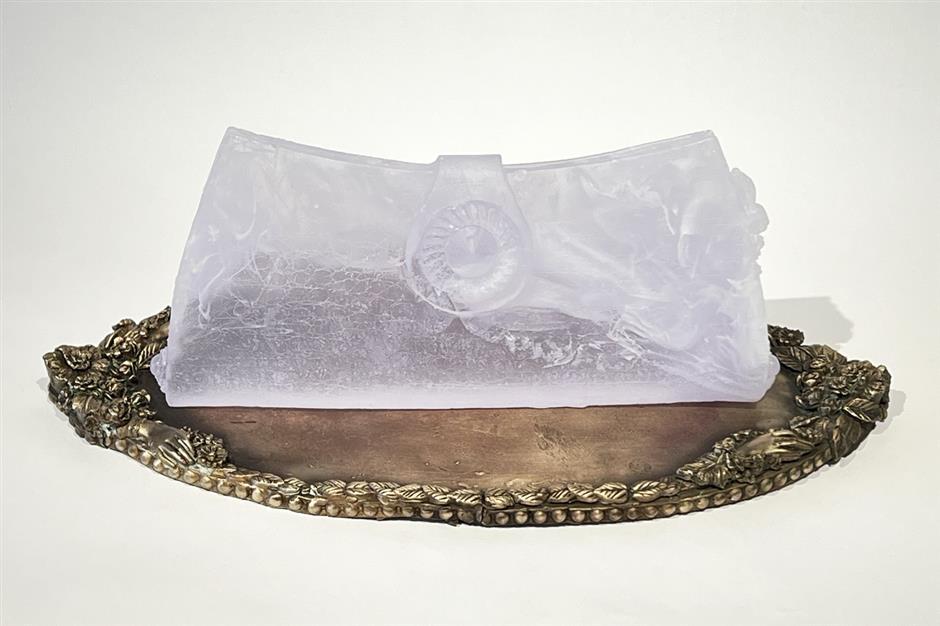
Glass purses on the wall show how time condenses into light and preserves memories even as they disappear.
In turbulent times, handbags reveal a woman's desire for elegance and an escape from reality. The structured handbags of the 1950s and 60s represent postwar ideals of family life and order, but chain bags from the 1960s and beyond represent mobility, nightlife, and more liberal social norms.
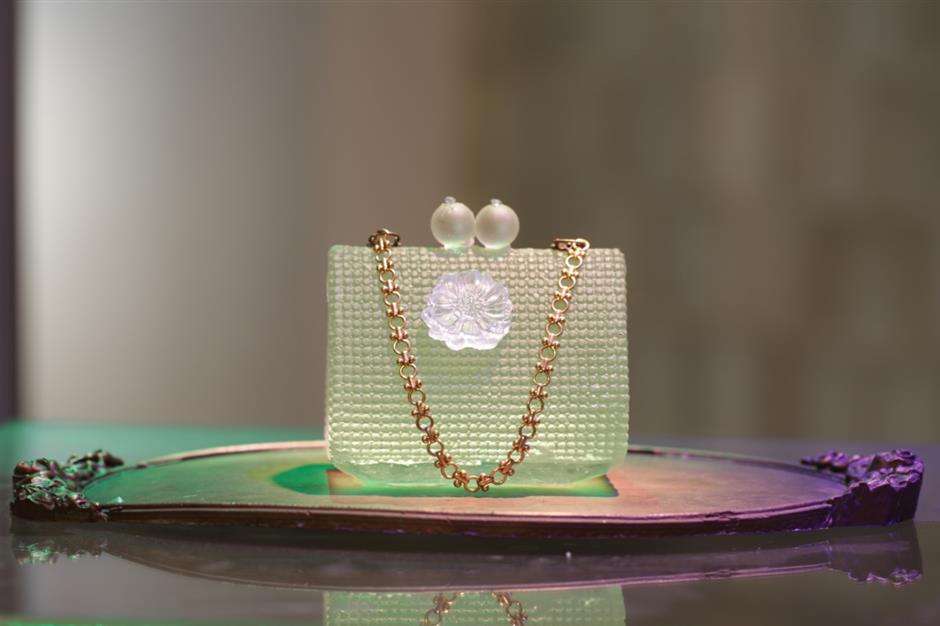
For instance, "Roaring 1920s" in bronze and topaz serves as a small tribute to fleeting, fragile, and easily forgotten memories.
Meanwhile, "Purple Shell/Green Shell" uses a 1920s Art Deco design. Lost-wax casting gives fragile, organic objects a timeless aura. The chain's weight and the glass's lucidity show women's great load under the era's extravagance and elegance.
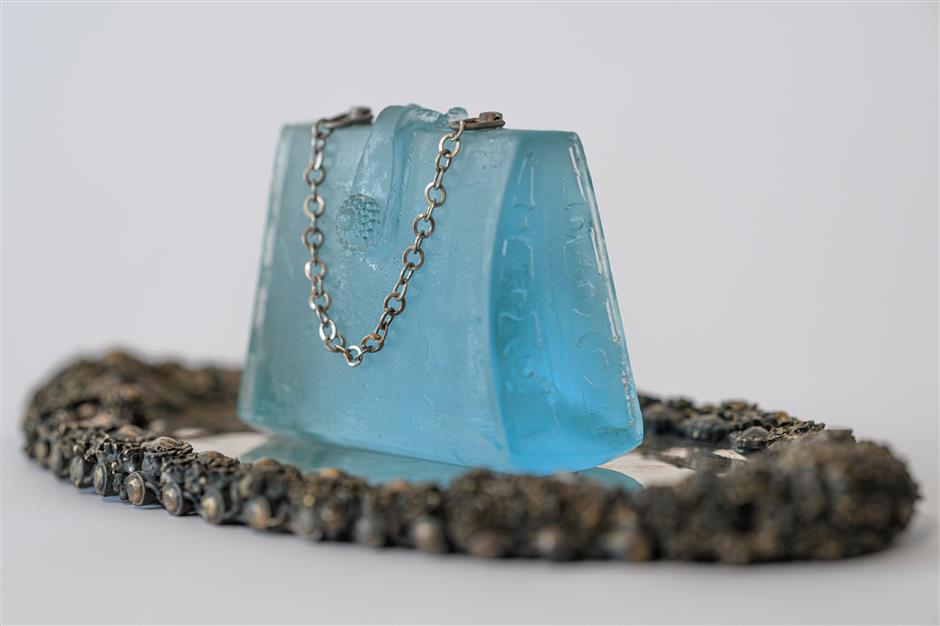
The artist believes glass serves as an indispensable core element, unfolding in tandem with her reflections to form a cohesive whole, drawing on recollections and the female lived experience.
Through meticulous casting and layering techniques, she reconstructs these fragments, fusing image and form to create sculptural works with strong narratives.
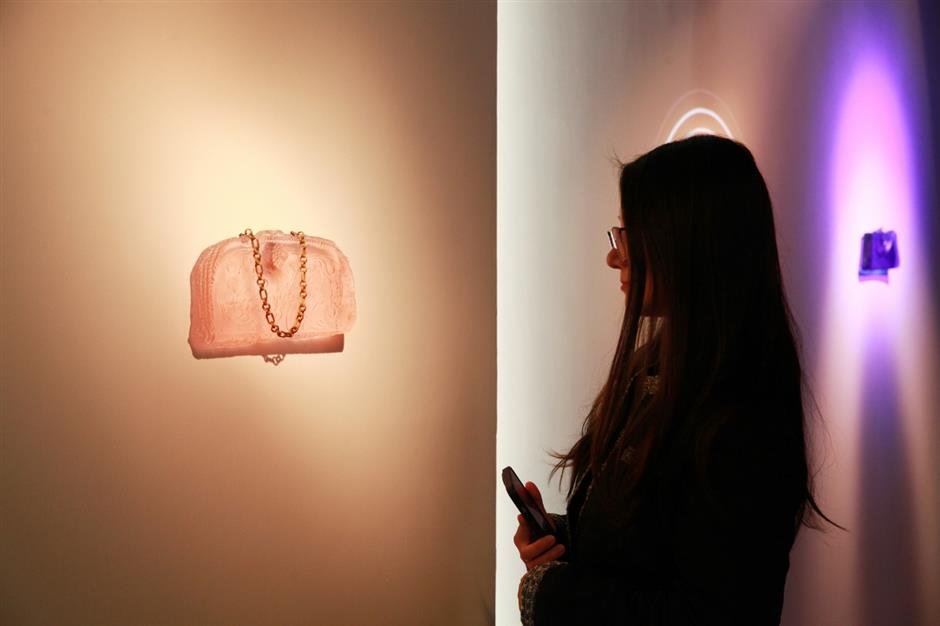
"Held close to the body's warmth, a handbag gathers fragments of time and weathers the judgment of society upon a woman," Loretta Yang, curator and founder of Liuli Gongfang and the Liuli China Museum, said.
"Blazina turns to glass to tell their story. This is not merely a substitution of material but an act of gentle salvation, softly anchoring fleeting recollections."
If you go
Date: Through 28 February, 10am-8pm
Address: 3/F, 25 Taikang Rd 泰康路25号3楼
Admission: 60 yuan (US$8.5)