Exhibition in Qingpu Traces 45 Years of Jiangnan Literary Gatherings
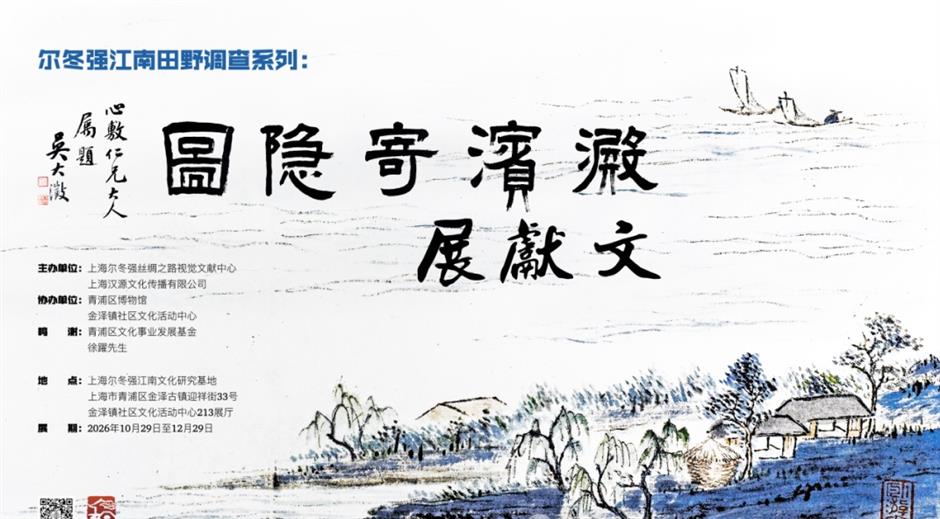
A newly opened documentary exhibition in Jinze Town, suburban Shanghai's Qingpu District, is bringing a little-known chapter of Jiangnan's literary history back into the spotlight. It traces 45 years of poetry exchanges and gatherings among local scholars from the late Qing Dynasty (1644-1911) through the Republican era (1912-1949).
Titled "Dianbin Jiyintu," the exhibition opened on Sunday (November 1) at the Jinze Town Community Cultural Activity Center. It is the 10th themed exhibition in the Jiangnan Field Research Series initiated by art collector and researcher Er Dongqiang. Jiangnan refers to regions to the south of the lower reaches of the Yangtze River.
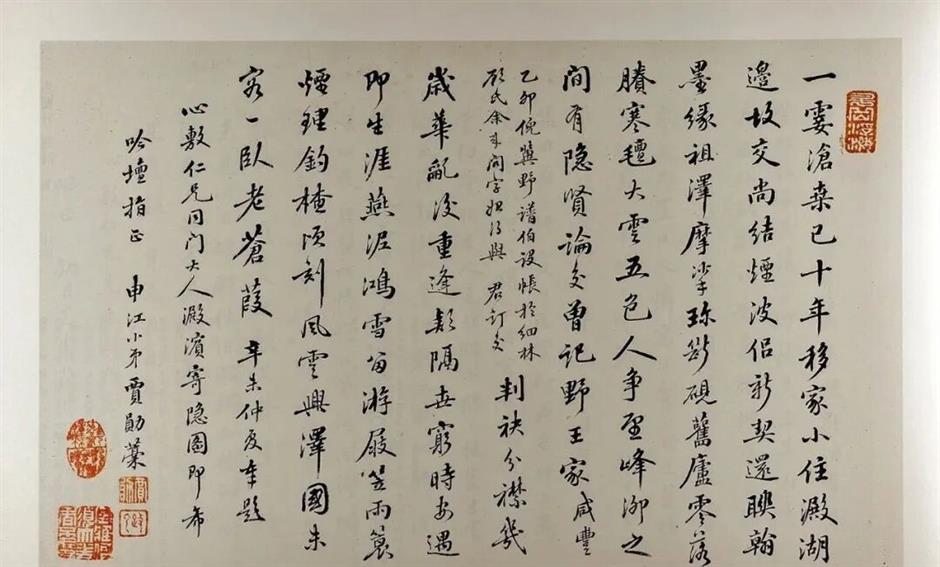
At its center is an album of paintings and poems known as "Dianbin Jiyintu," recently acquired by the Qingpu Museum.
The album was created by Hu Xinfu, a scholar from Qingpu who lived through the upheaval of the Taiping Rebellion (1850-1864). After his family home was destroyed during the conflict, Hu was forced to relocate 25 times before eventually settling at the residence of his friend Chen Zhenshan in Shangta Qianzhuang, Jinze. He stayed there for 10 years, during which he created the album and wrote poems to accompany it.
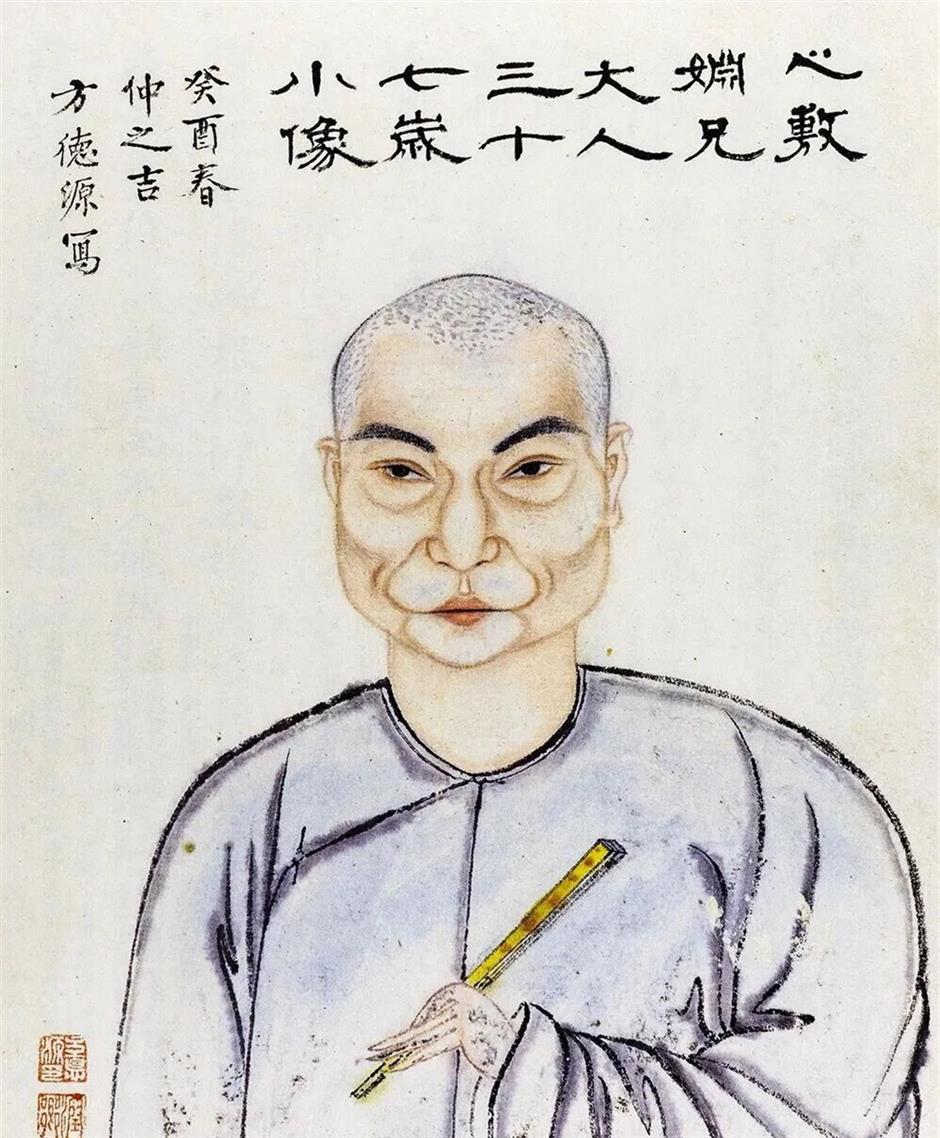
Hu came from a scholarly family and was a descendant of Hu Anguo, founder of the Huxiang School. He was also a practitioner of traditional Chinese medicine and an accomplished poet. His story reflects the resilience of Jiangnan's literati culture amid a period of social upheaval.
Located along an important network of waterways connecting rivers, lakes and the sea, Shangta Qianzhuang was roughly equidistant from Lake Taihu and the East China Sea, It also lay close to the Lize waterway, the Wusong River and the Grand Canal. Its geographical position made it a meeting point between different regional cultures and commercial routes.
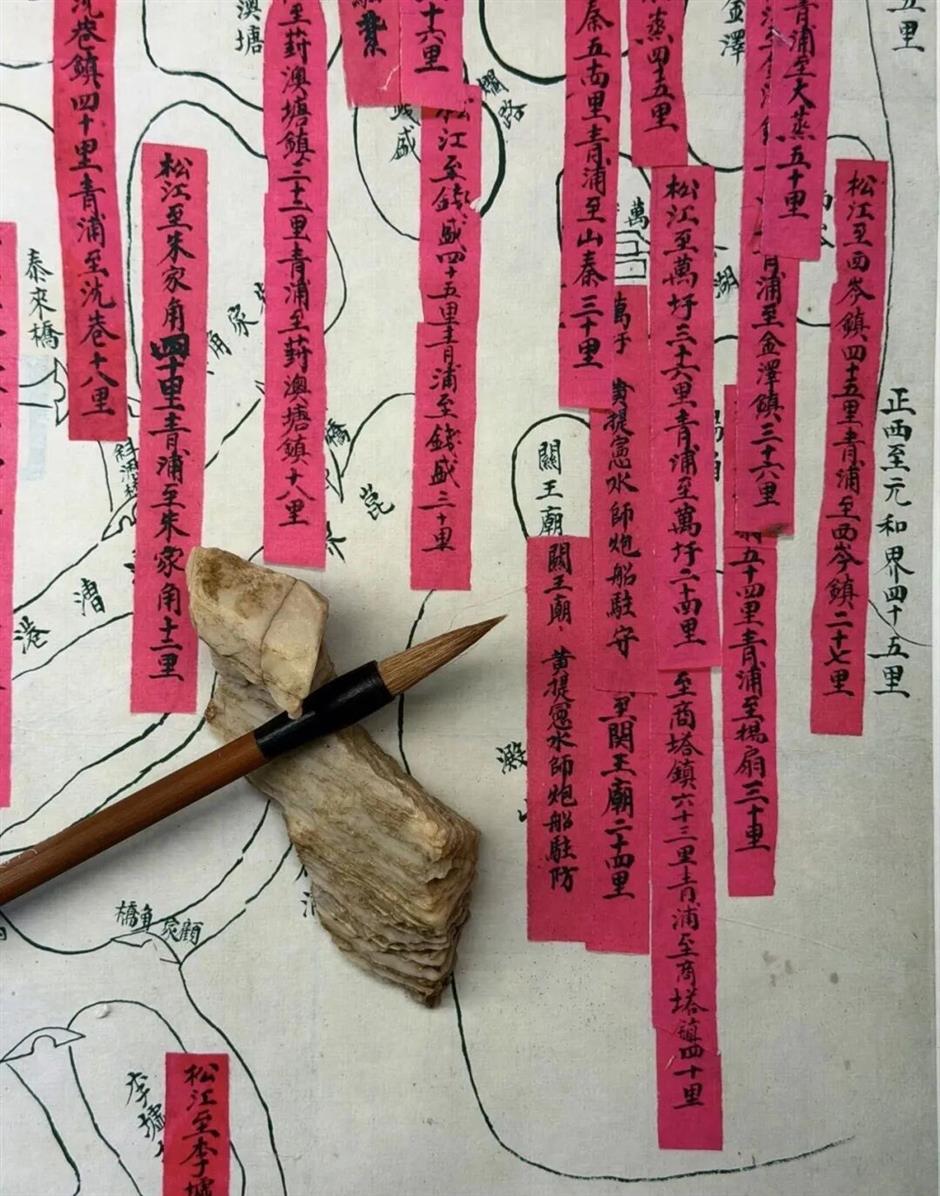
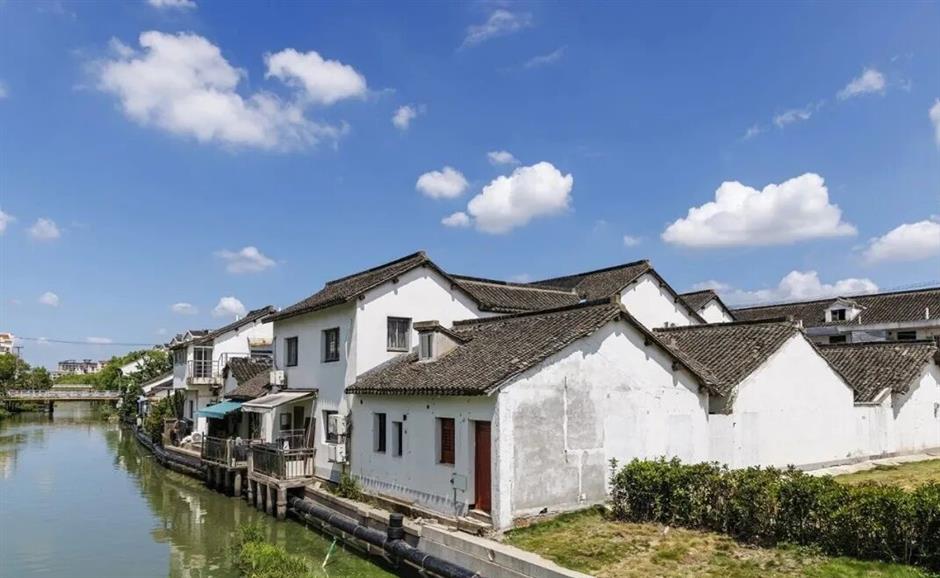
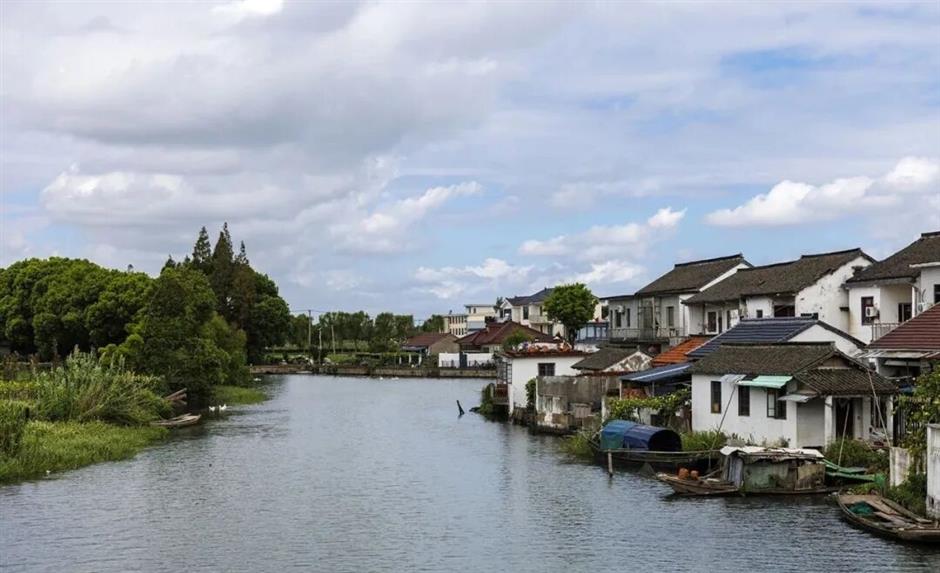
After settling there, Hu invited scholars from nearby towns and villages to contribute poems to his album. The tradition continued after his death, when his son carried the album with him to seek out other literary figures and invite them to contribute. The exchanges lasted for 45 years, eventually reaching Shen Shoudong, regarded as the last scholar who had passed the imperial examination in Qingpu.
The album documents 108 officials and local intellectuals from the surrounding region, including three successful candidates in the imperial examinations: Wu Dacheng, Xiong Zuyi and Xu Renji.
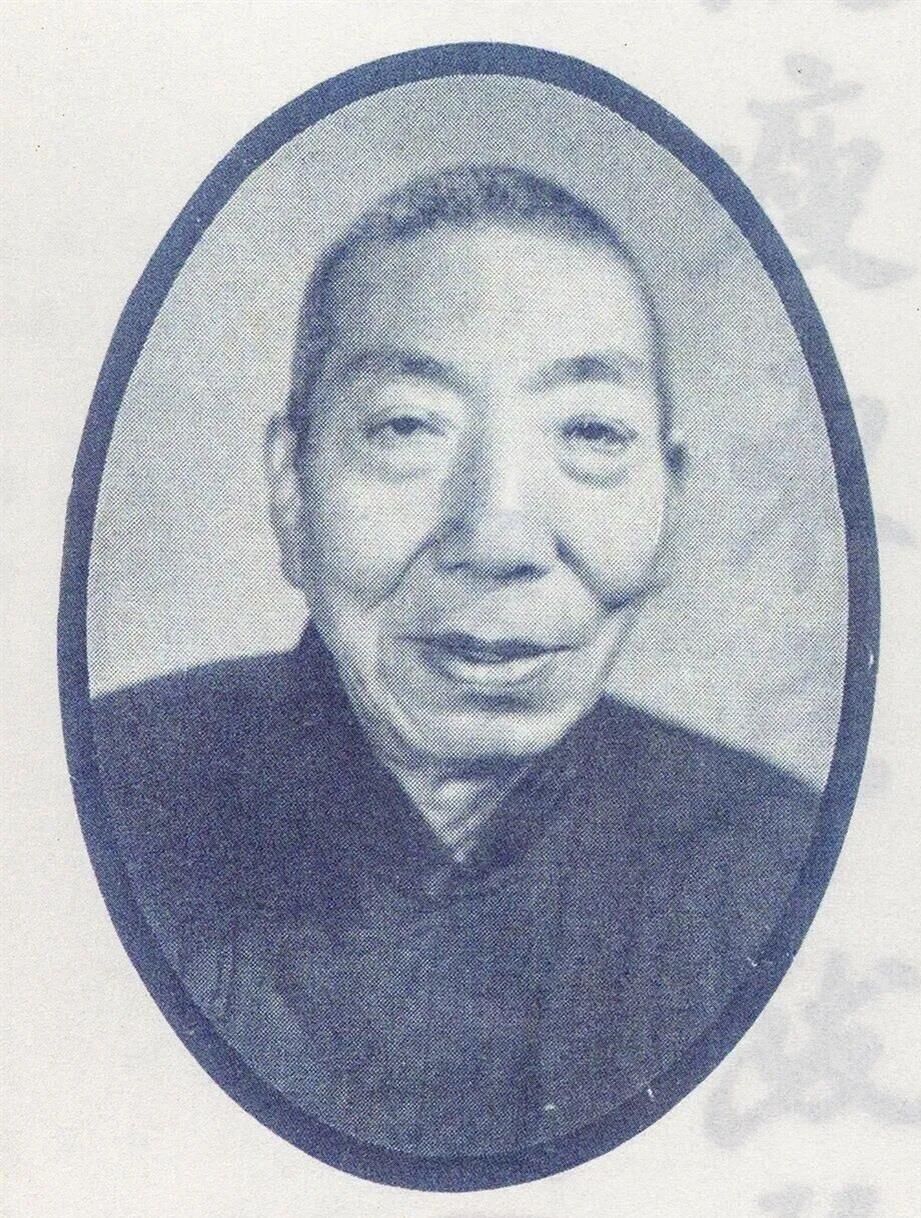
Among them, Wu Dacheng was a prominent late Qing official and renowned scholar of epigraphy. During Sino-Russian border negotiations, he played an important role in safeguarding China's right of navigation through the Tumen River estuary. During the First Sino-Japanese War (1894-1895), he also volunteered to lead troops into battle.
The figures recorded in the album came from diverse backgrounds. They included officials responsible for river management and flood control, military commanders involved in coastal and frontier defense, doctors who provided medical care, and philanthropists who organized famine relief. Together, their stories offer a glimpse into the social networks, public responsibilities and cultural life of Jiangnan's educated class.
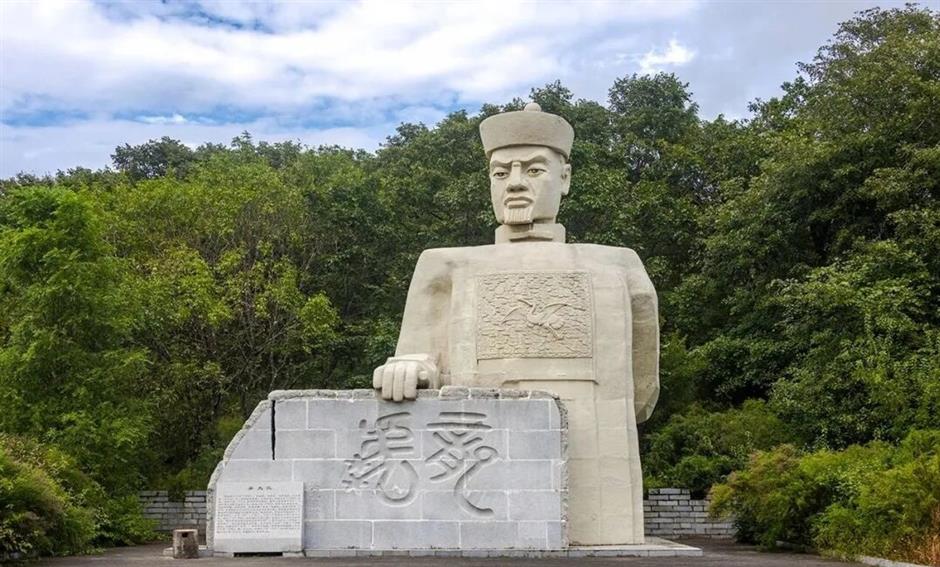
Another notable figure is Jia Xun, a native of Shanghai County who signed himself as "younger brother from Shenjiang" in the album. Having passed the provincial-level imperial examination in 1859, Jia served in several administrative positions in Gansu, including as county magistrate of Datong and Zhangye and acting prefect of Pingliang. His career took him along important towns on the ancient Silk Road, illustrating how Jiangnan scholars and administrative practices extended into northwest China.
The exhibition is the result of 18 months of field research, archival investigation and the collection of rare editions of historical books. Scholars from Shanghai, Beijing and various locations near the Silk Road also contributed to the research. The exhibition team said that further findings and biographies of the individuals featured in the album will be compiled and published in a separate volume.
Since 2020, the Jiangnan Field Research Series by Er Dongqiang has presented 10 themed documentary exhibitions, including exhibitions on Zhao Mengfu and Guan Daosheng, as well as the "Jiangnan Through Account Books" Series.
Organizers said the Jiangnan Historical Studio led by Er will continue its fieldwork across the Yangtze River Delta, documenting and studying both the tangible and intangible cultural heritage of the region.
In addition to the exhibition, three public lectures and two expert forums will be held during the exhibition period, offering further opportunities to explore Jiangnan's history, literature and cultural connections.
If you go
Date: Through December 31
Time: 10am-3:30pm, Saturdays and Sundays
Venue: Exhibition Hall 213, Jinze Town Community Cultural Activity Center 金泽镇社区文化活动中心213展厅
Address: 33 Yingxiang Street, Jinze Town, Qingpu District 青浦区金泽镇迎祥街33号
Ticket: Free admission; advance reservation through the mini program is required.