How Traditional Crafts Meet Modern Design
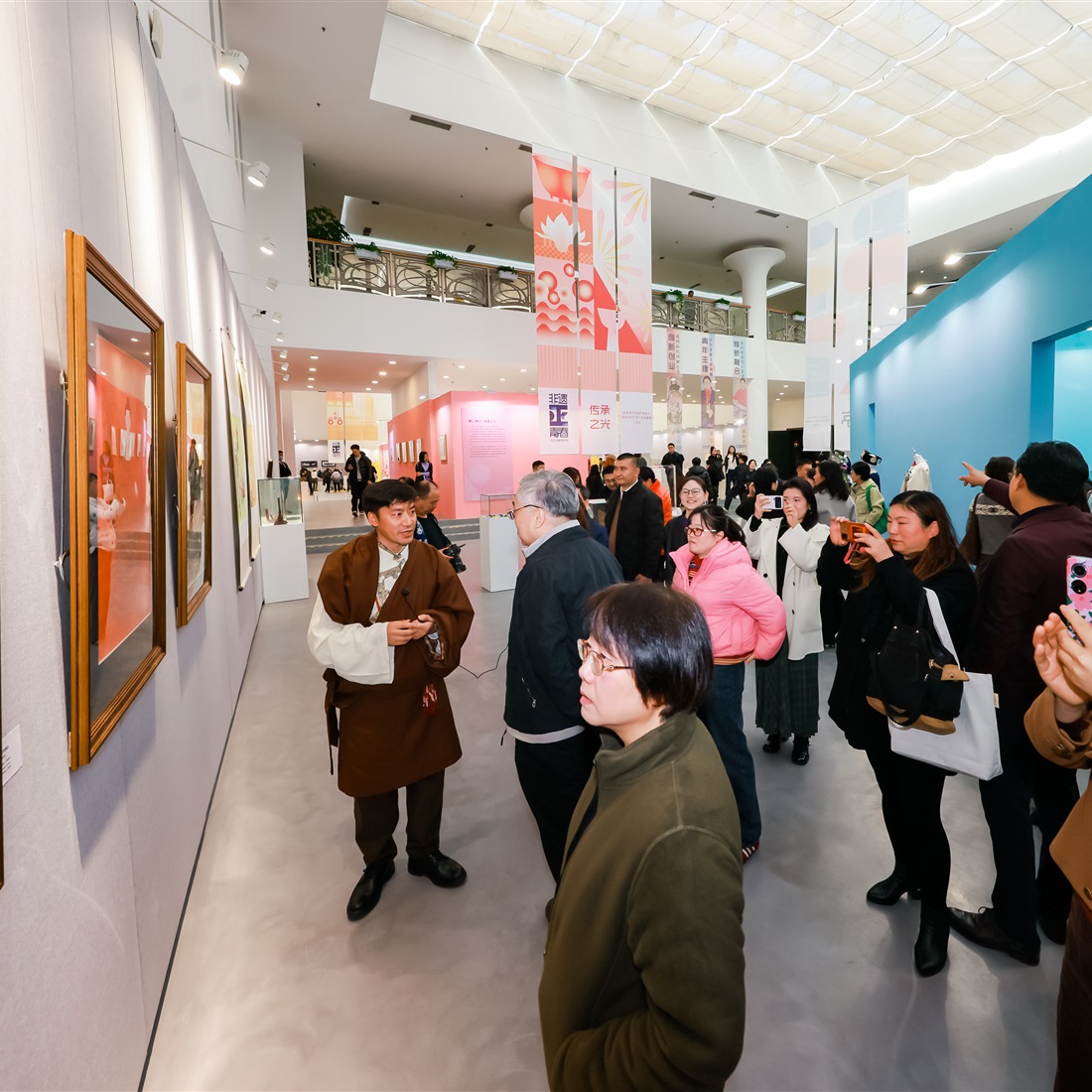
An exhibition on China's intangible cultural heritage opened on Tuesday in Shanghai, offering the public a close look at how traditional crafts are being adapted for modern life.
The show marks 10 years of China's national training program for heritage inheritors. It runs through March 6, 2026, at the Shanghai Baoshan International Folk Art Museum.
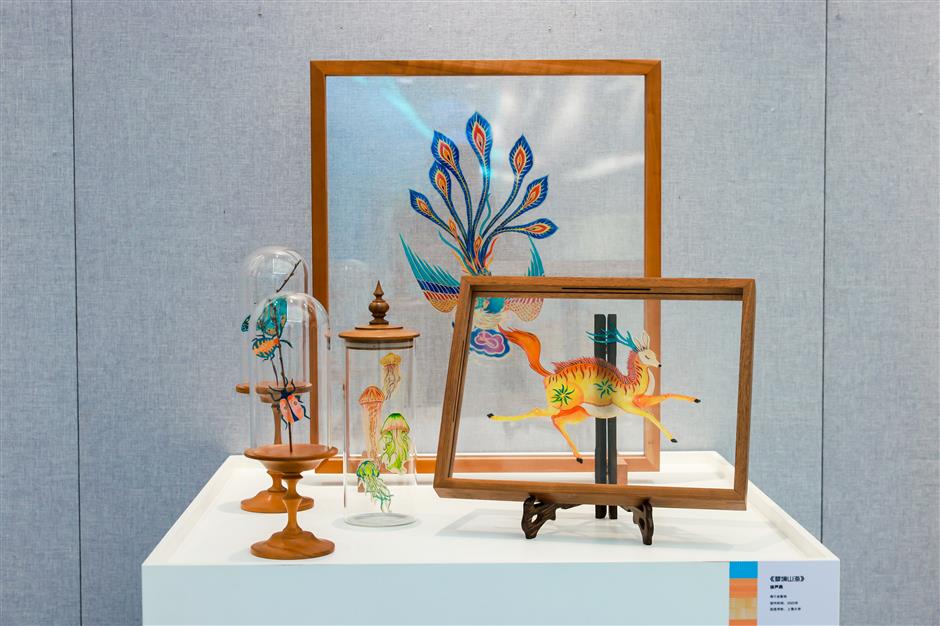
The exhibition explains what the crafts are, how they are made, and how they can be used today. Many of the works were created after training programs hosted by local universities.
More than 200 sets of works are on display. They were selected from over 400 submissions nationwide.
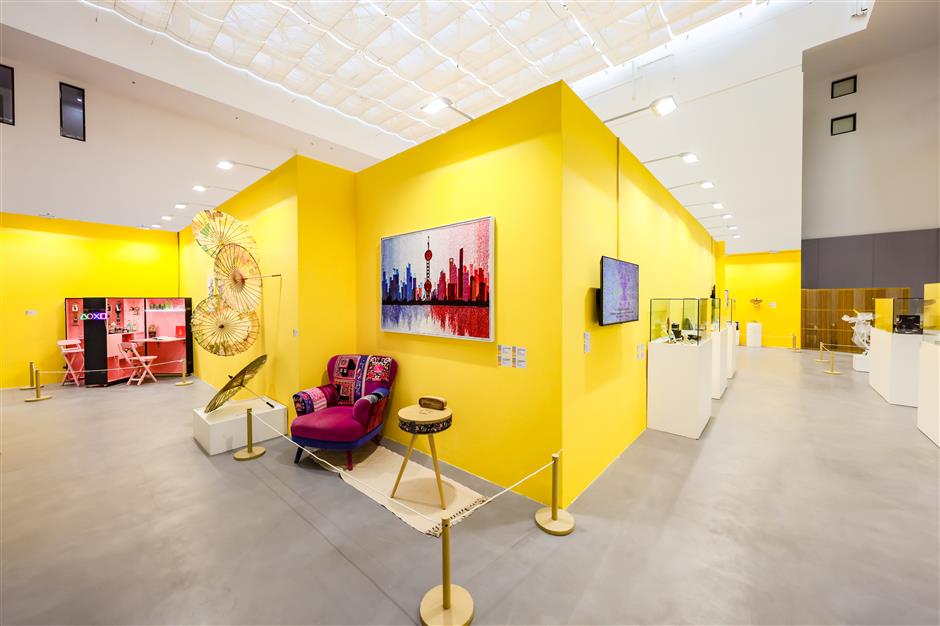
The exhibition is organized into three sections. The first section, "Shanghai Practice," illustrates how traditional skills can be integrated into everyday life. This area is designed to resemble a collection of small workshops.
Visitors can check out Longquan celadon ceramics displayed alongside Yixing purple clay teapots. Additionally, fine gold and silver craftsmanship is showcased next to Wuhu iron painting.
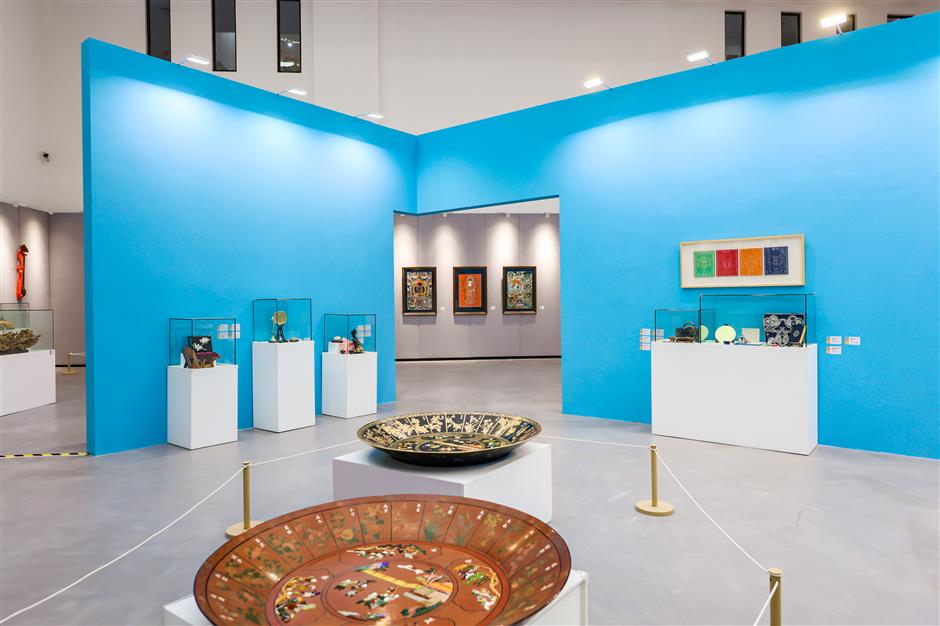
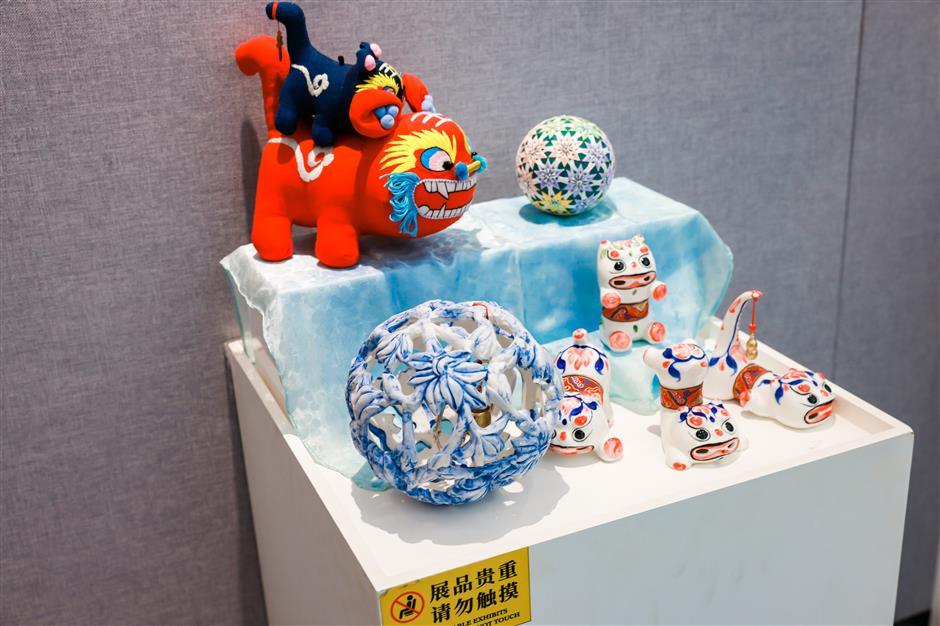
Textile works include velvet embroidery, Yaoban cloth dyeing, Shanghai-style knotting and Gansu embroidery. Printing and rubbing techniques, such as wooden movable-type printing and stone rubbing, are also on view. Many items are designed to be usable, such as tea sets, home decorations, and stationery.
"Stories of Inheritors" focuses on the craft workers. It introduces inheritors from different regions who studied in Shanghai and later returned to their hometowns.
Examples include bamboo weaving from Chishui in southwest Guizhou, Qiang ethnic embroidery from southwest Sichuan, handwoven local cloth, and traditional lacquer techniques.
Displays show how some trainees now teach apprentices, work with villages, or run community workshops. Short texts and videos explain their learning process and current work.
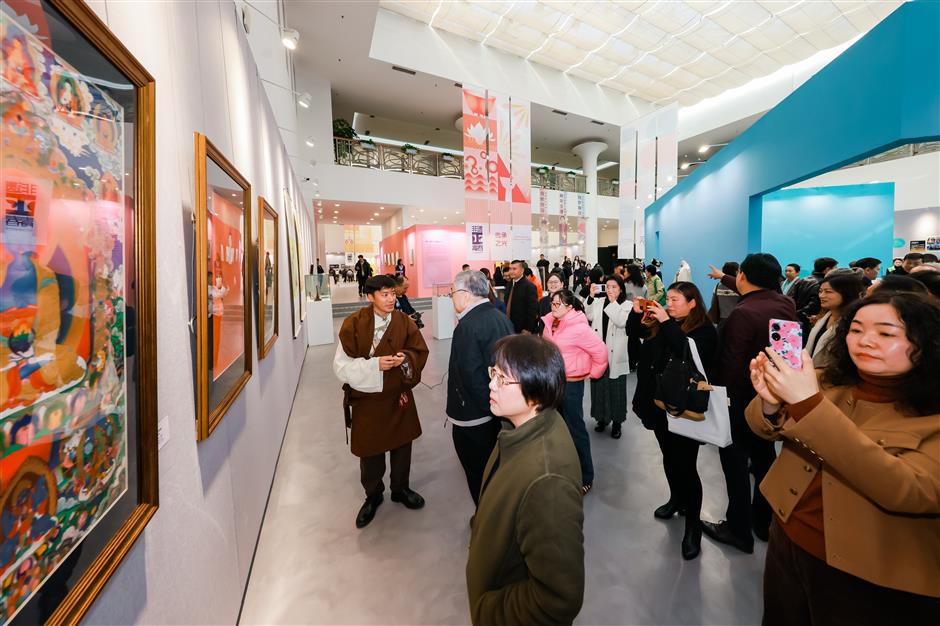
"Cross-border Innovation" highlights experiments that combine heritage crafts with modern design. The "tea life" scene showcases the use of Yixing clay, ceramics, and lacquerware in modern tea settings.
Other displays delve into the realms of digital art, public space design, cultural tourism, and international exhibitions. The organizers said these projects show how traditional crafts can work with new materials, technologies, and markets.
Shanghai was among the first cities to join the national training program in 2015. Over the past decade, the city has held 113 training courses and trained more than 3,000 people.
Shanghai University played a leading role, working with Tongji University and five other local universities. These schools provided courses, studios and research support. A new alliance of Shanghai universities for heritage training was announced at the opening to strengthen cooperation and share resources.
If you go:
Exhibition: "ICH Is Young: 10 Years of Training Program Achievements" (Shanghai stop)
Dates: Through March 6, 2026
Opening hours: 9am-4pm
Venue: Shanghai Baoshan International Folk Art Museum 上海宝山国际民间艺术博览馆
Address: 4788 Hutai Road, Baoshan District, Shanghai 宝山区沪太路4788号
Admission: Free