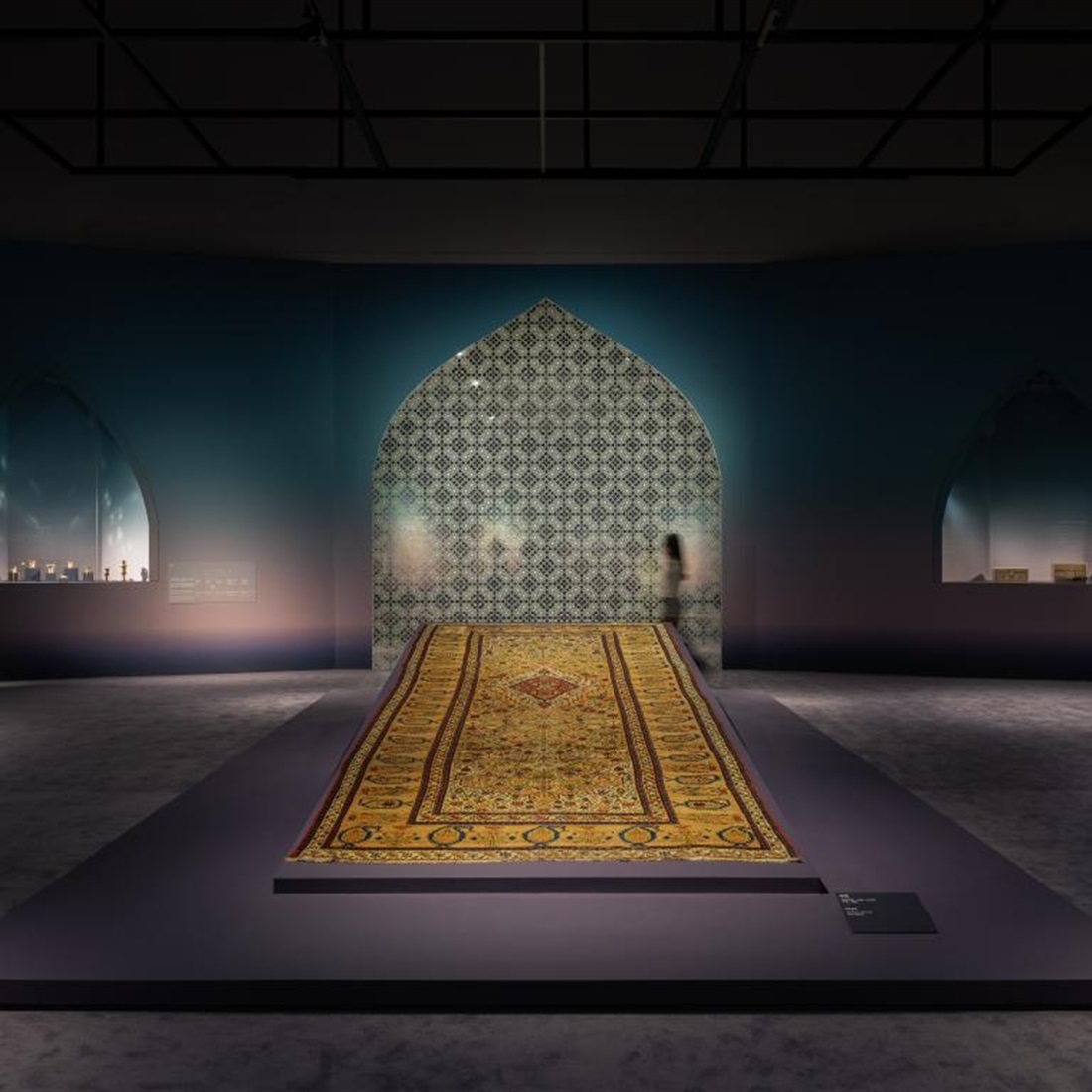
Louvre's Masterpieces From India, Iran and Ottoman World on Display
"The Wonder of Patterns: Masterpieces from India, Iran and the Ottoman World from the Musée du Louvre" is currently on at Museum of Art Pudong (MAP).
The exhibition, jointly presented by MAP and the Musée du Louvre, also marks the Paris museum's first-ever showcase in Shanghai, and is its largest exhibition ever organized in China.
Spanning four centuries (16th to 19th) and three continents, the exhibition brings together approximately 300 exquisite works from the Louvre's collections. It is structured into three major sections, each dedicated to the magnificent artistic traditions of the Mughal Empire of India, the Safavid and Qajar dynasties of Iran, and the Ottoman Empire.
The display encompasses an array of ceramics, metalwork, jade, calligraphy, textiles and manuscripts. A significant number of these treasures are unveiled to the public for the very first time since their acquisition by the Louvre.
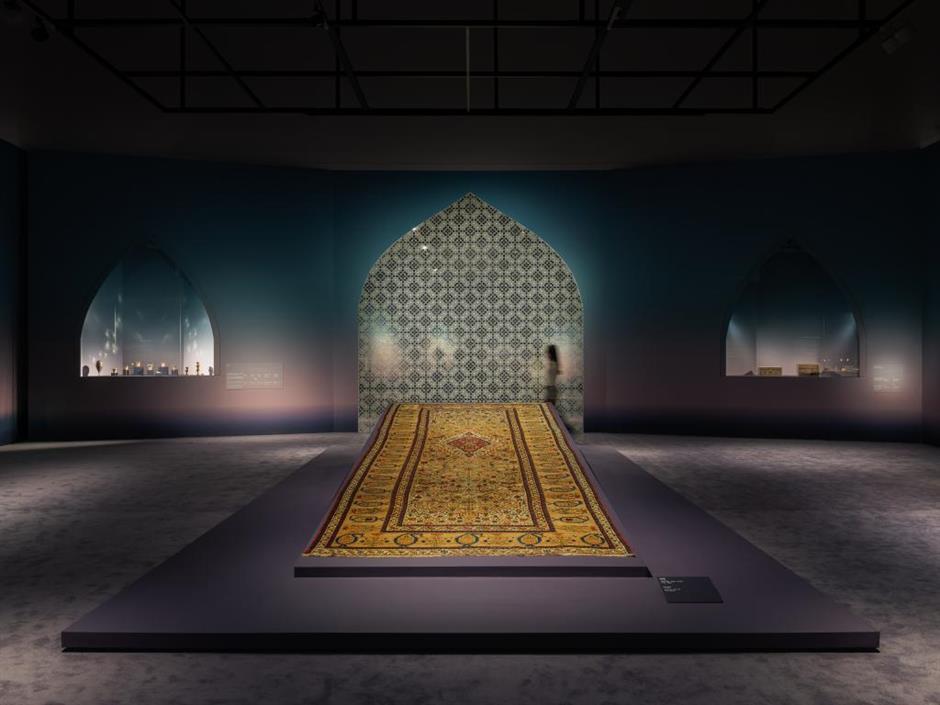
To honor these masterpieces, acclaimed French scenographer Cécile Degos has crafted an immersive architectural journey within MAP's spaces. Her design creates intimate, rhythmically structured spaces within MAP's grand halls – a sequence of "architectures within the architecture." Using color, form and spatial pacing inspired by theatrical staging, Degos guides visitors through each cultural universe, culminating in faithfully reconstructed Ottoman period rooms.
Such scenography ensures the artifacts themselves, through their materials and motifs, quietly narrate the profound historical connections between MAP and these great civilizations.
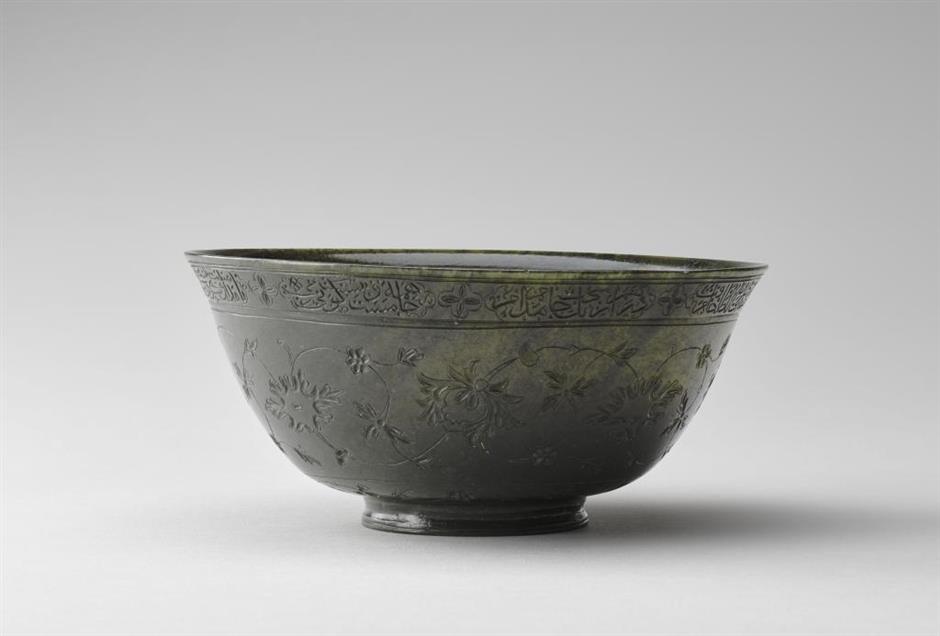
The exhibition opens with a selection of pieces from the collection of the French Sun King, Louis XIV. For example, visitors will find a jade cup with poetic inscription from the Louis XIV collection.
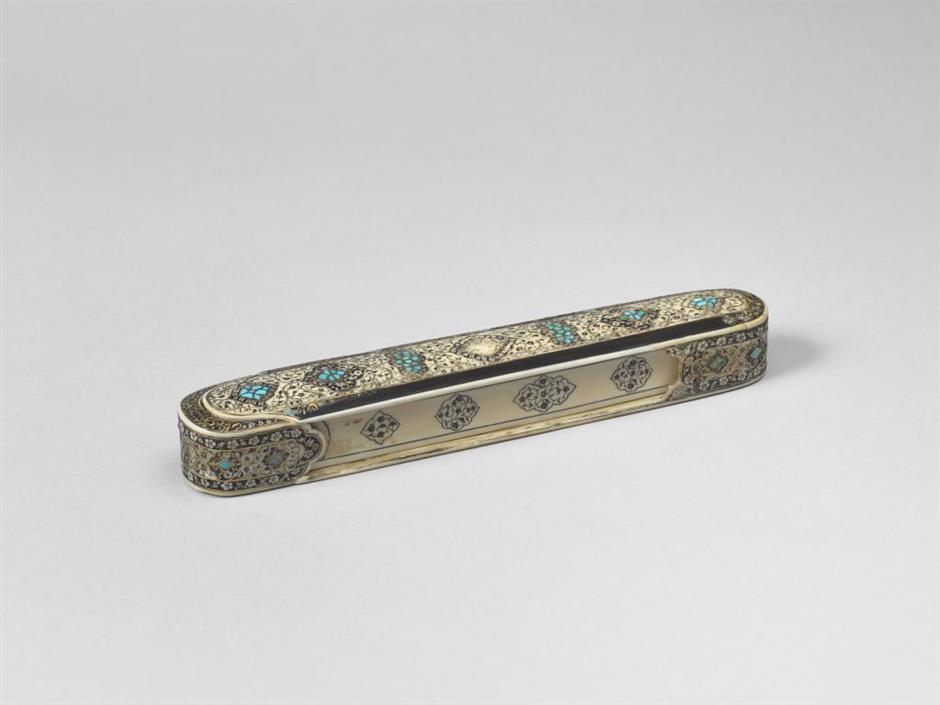
The Indian section reveals how Mughal art forged a unique aesthetic by synthesizing local traditions with Persian and Central Asian influences. It is interesting to see two pen boxes feature a decorative style that was popular in India and Iran in the 16th century. Formerly part of the collection of the renowned French jeweller Louis Cartier, the pen boxes provided a rich source of inspiration to the brand.
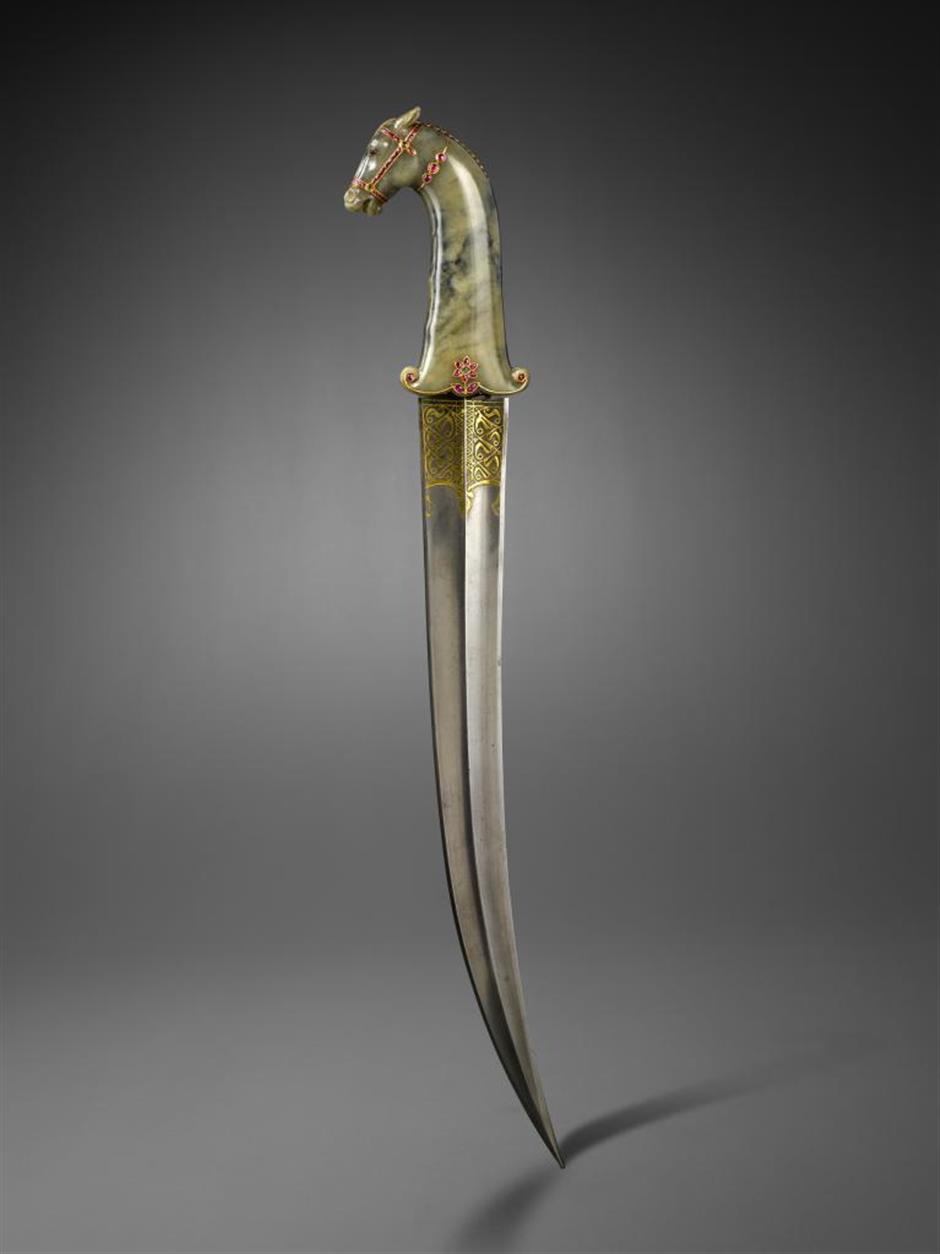
Many might be drawn to a dagger of the 17th century made of steel, jade, gold, ruby and emerald. The modeling of the horse's head hilt and the naturalistic details – the partly open mouth showing its tongue and teeth, and the quivering nostrils – are evidence of the Mughals' strong interest in the natural world. The dagger could have been a gift to a high-ranking officer or a member of a great allied family.
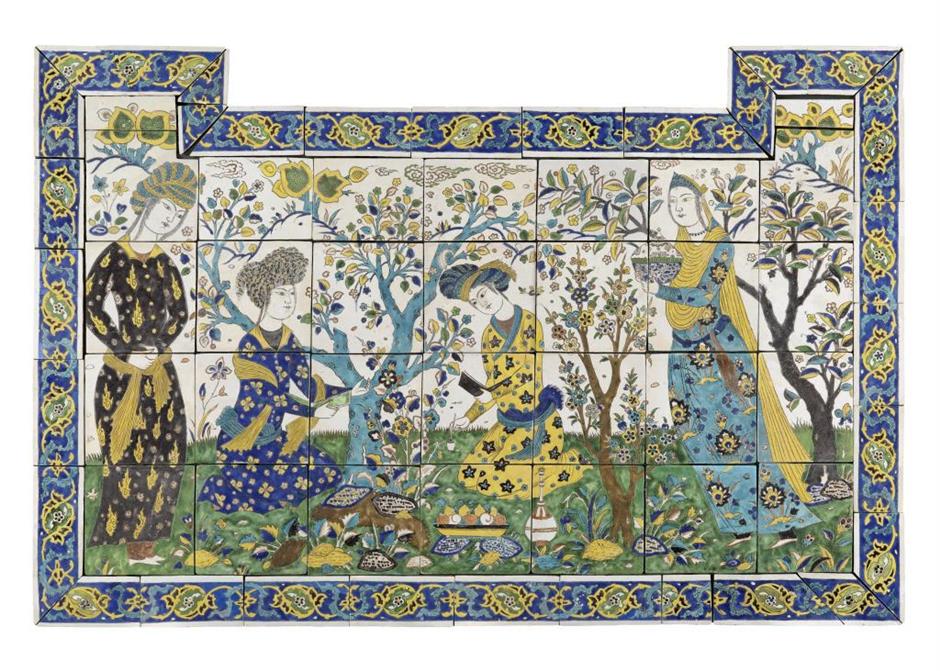
The Iranian segment highlights a golden age of creativity fueled by East-West trade, where Chinese ceramic motifs blended with Persian craftsmanship and European painting techniques were brilliantly adopted.
The Ottoman section, located on MAP's fourth floor, emphasizes the empire's role as a cultural crossroads, showcasing the supreme art of Arabic calligraphy and the dazzling, Chinese-inspired Iznik ceramics.
The exhibition's core lies in exploring the "pattern" – a dynamic visual language of beauty, meaning and exchange.
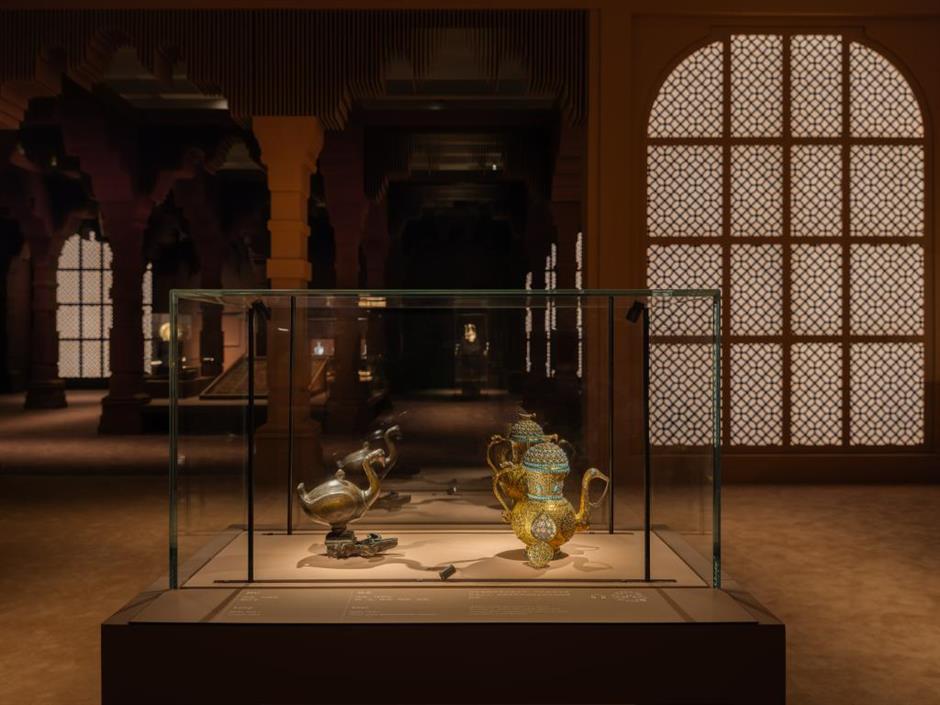
From intricately carved stone screens to poetic tilework and fantastical garden depictions on dishes, these works demonstrate a masterful balance between organic inspiration and geometric order. Patterns also bear witness to the cultural exchanges between India, Iran and the Ottoman world and other cultures.
For example, "Bottle With Dragon Decoration" from the 17-century Safavid period demonstrates a sophisticated adaptation of the Chinese ceramic archetypes, affirming the fusion of Iranian and Chinese culture.
Date: Through May 5, 2026, 10am-9pm
Admission: 100 yuan (US$14.2)
Address: 2777 Binjiang Ave
滨江大道2777号