Masterpieces of Export Art from Qing Dynasty
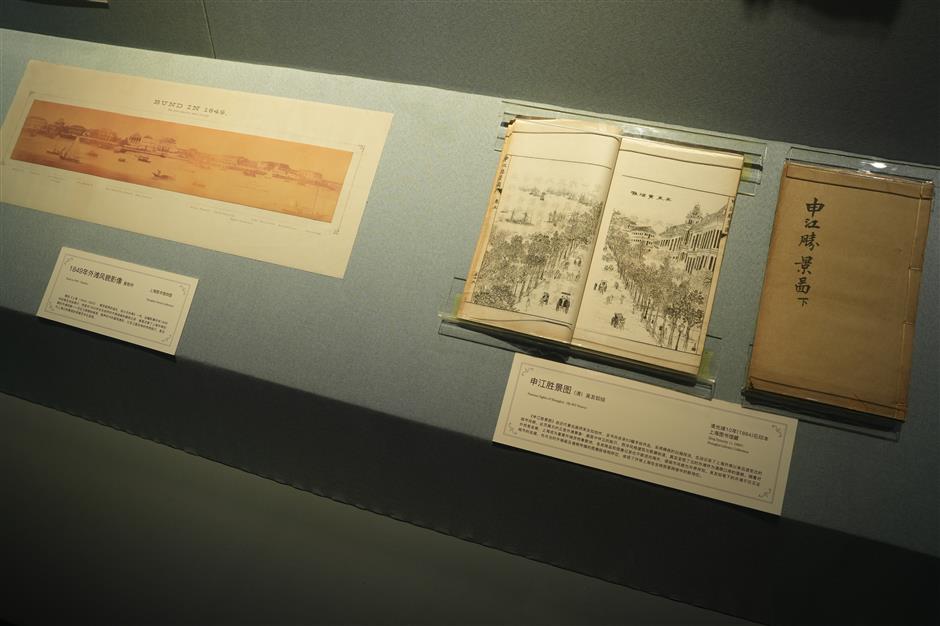
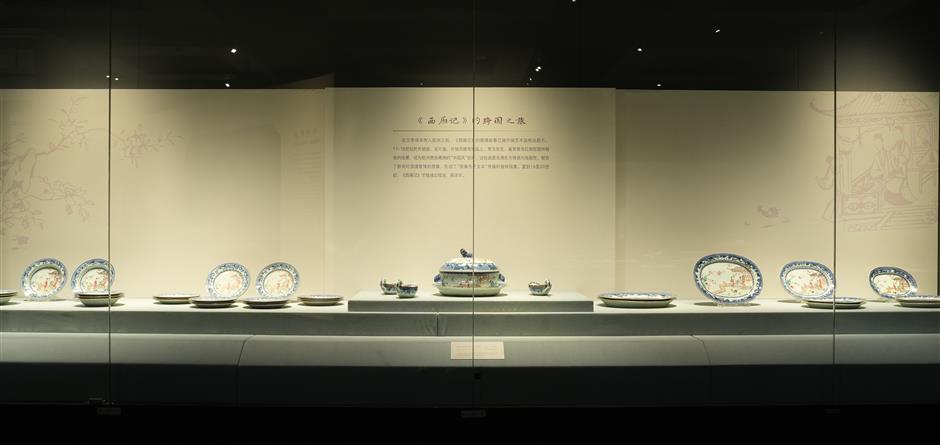
The exhibition, "Masterpieces of Export Art from the Qing Dynasty," at the World Expo Museum is displaying 119 sets of Qing Dynasty (1644-1911) artworks from the Guangdong Museum's collection.
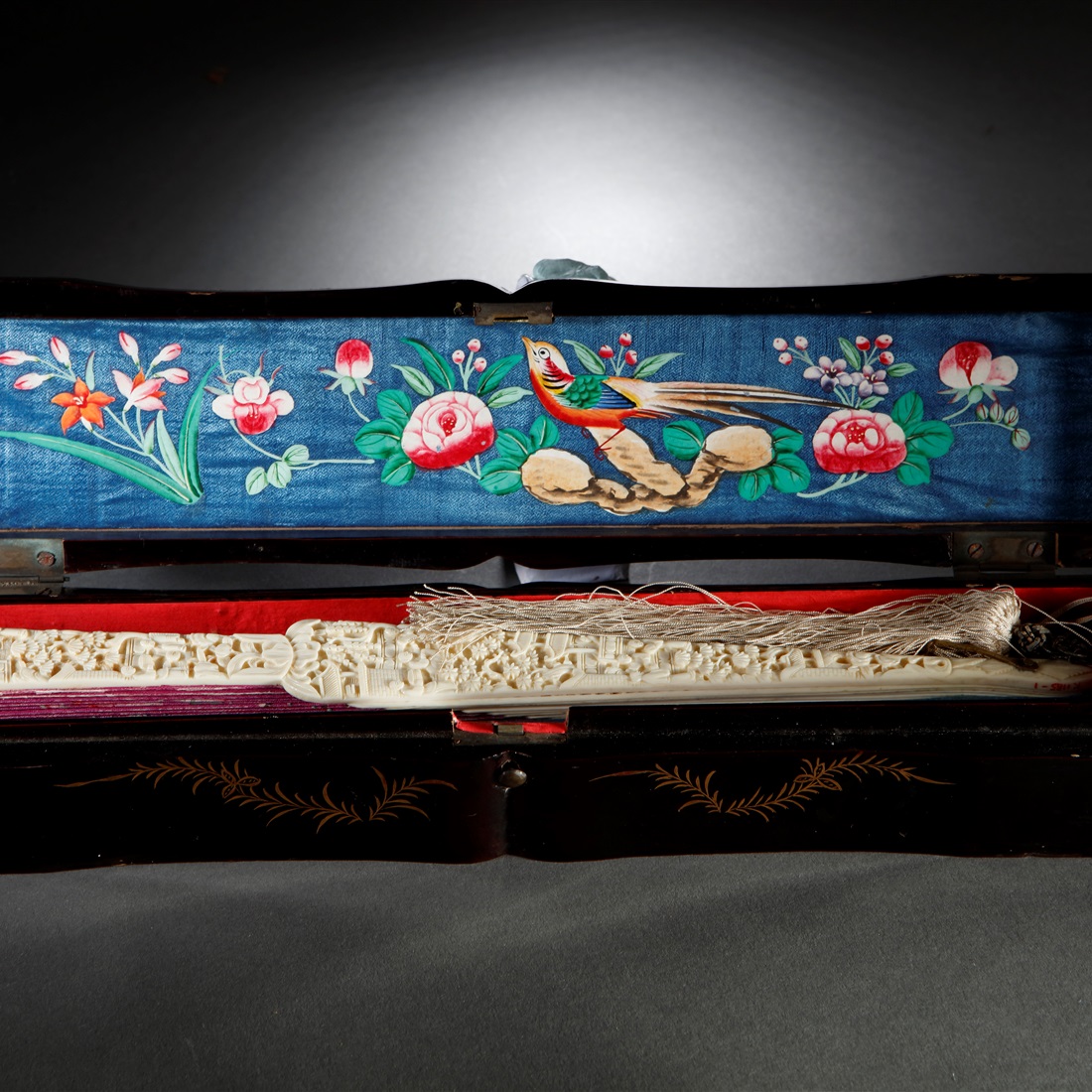
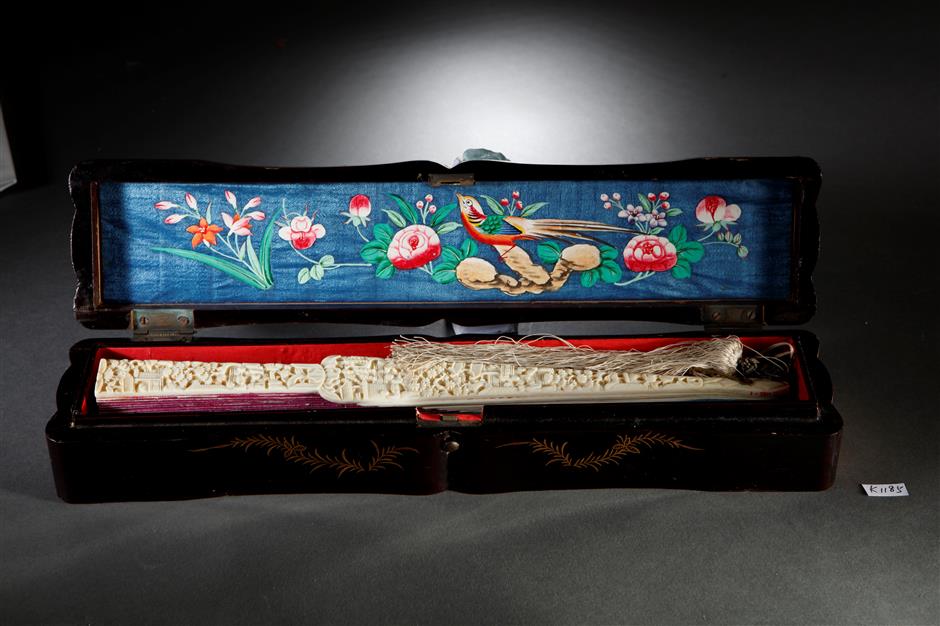
The exhibit includes embroidered and painted porcelain, carvings, cloisonné, export paintings, export silverware, lacquerware, export fans and business card holders.
It provides a panoramic view of cultural integration during the trade between China and foreign countries from the 18th to the 19th century, highlighting the distinctive charm of Chinese craftsmanship that incorporated Western aesthetics.
Canton embroidery incorporates Western oil painting elements of light, shadow and perspective. The inlaid screen of peacocks, birds, and flowers embroidered on white satin with colorful silk threads has crisp stitch patterns and lifelike imagery.
Canton carving makes use of precious materials like ivory and tortoise shell. The ivory sewing box with figure carvings and the shell carving pendant are examples of how Eastern and Western designs can be combined in beautiful ways through skilled craftsmanship.
Export paintings depicting scenes from the Thirteen Hongs of Canton, exquisitely crafted export silverware, export fans popular in Europe and America, and business card cases incorporating multiple crafts all demonstrate the distinct style of Qing export artworks, which incorporates Chinese and Western elements and coexists with diverse charms.
During the Qing Dynasty, experienced merchants were recruited to form the Thirteen Hongs of Canton in Guangzhou, Guangdong Province, the only legal organization for international trade.
Each exhibit epitomizes a part of trade history and carries the glorious memories of Lingnan (South China) as a global trade center. Among them, the 18th-century sketch manuscript by British painter George Chinnery records the bustling scenes of Guangzhou's foreign trading areas.
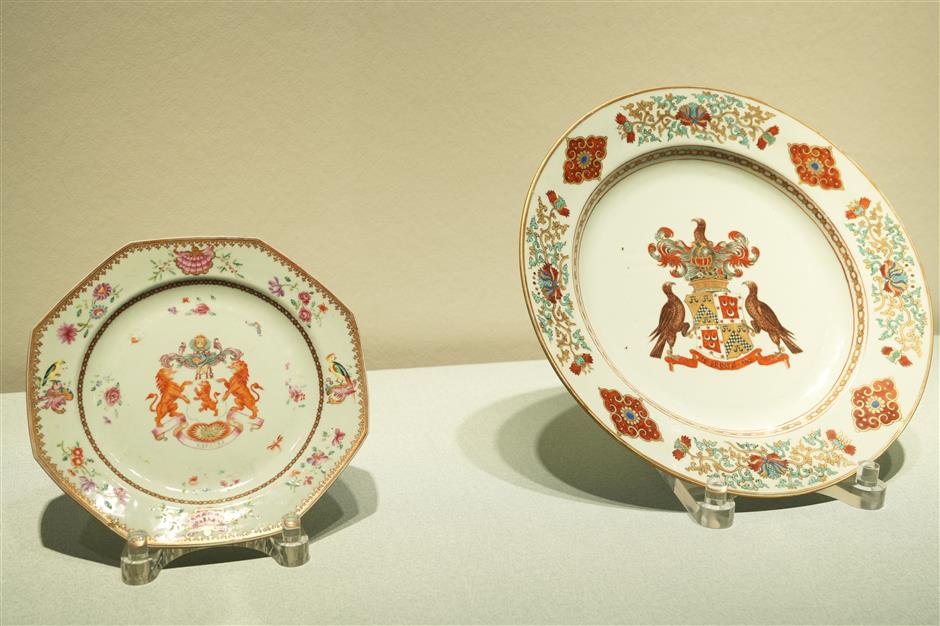
The French inscription "Nous Ne Changeons Jamais" on the blue-and-white cup and saucer with crest patterns on petal-shaped rims tells the story of the transoceanic friendship embodied in European nobles' custom-made Chinese porcelain.
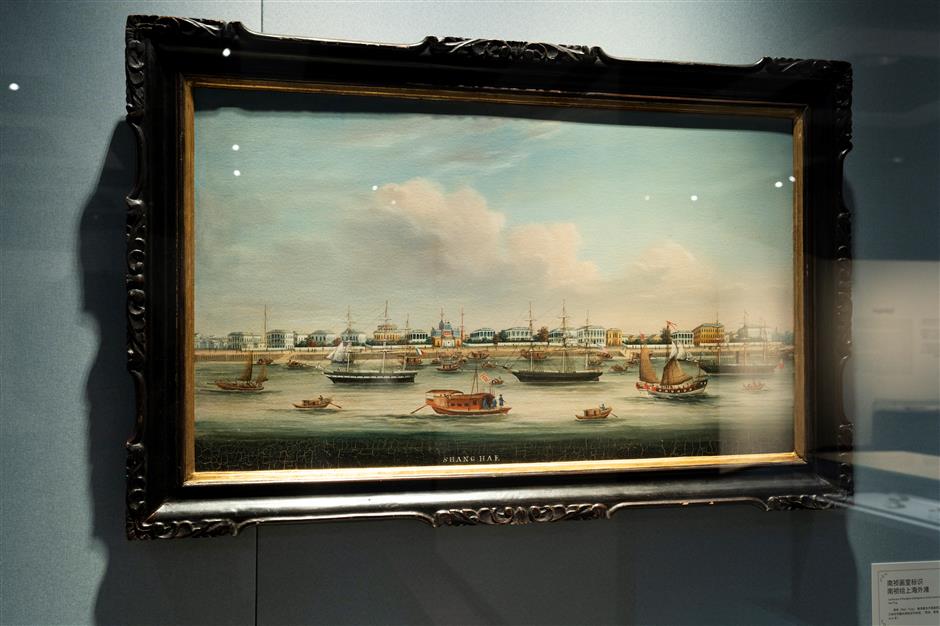
A collection of precious "Bund Images" in the exhibition stands out as the most narrative highlight. The export painting attributed to Nanzhen Studio, a renowned Guangzhou export painting workshop in the 19th century, depicts the scenes of Shanghai Bund shortly after the port opened.
The exhibition runs through March, 2026.
If you go:
Opening hours: Through March 1 (closed on Mondays), 9am-5pm
Admission: Free
Address: 818 Mengzi Road, Huangpu District 黄浦区蒙自路818号