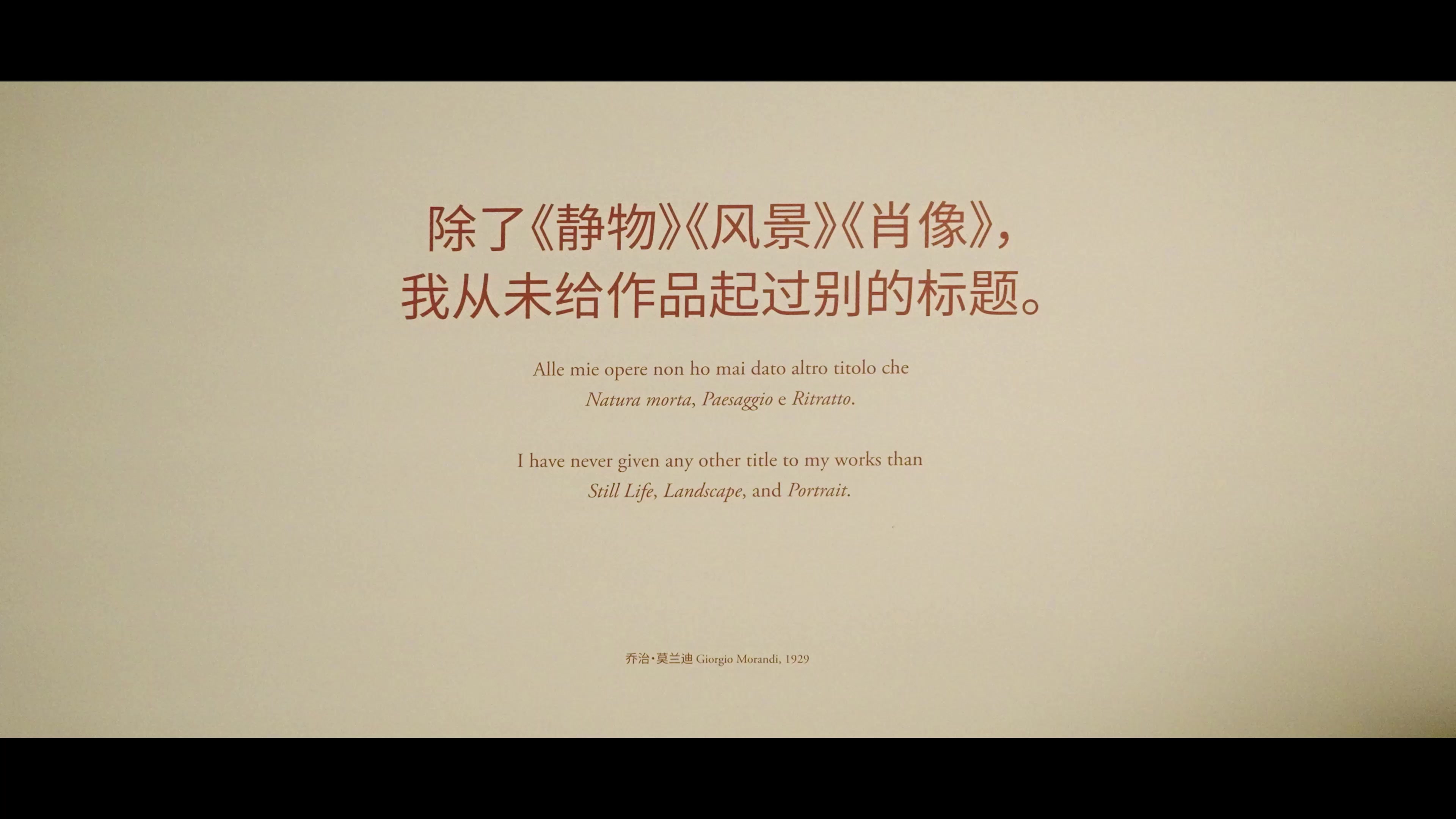
More Than Bottles and Jars: Morandi's Artistic Universe Unveiled at MAP
In an age of visual excess, one artist spent a lifetime distilling the world down to a few bottles, vases and rays of light.
Now that the world is opening to the public at the Museum of Art Pudong.
"Giorgio Morandi. Solo," presented at MAP in collaboration with Bologna's Museo Morandi, marks the most comprehensive survey of the Italian master's work in over a century.
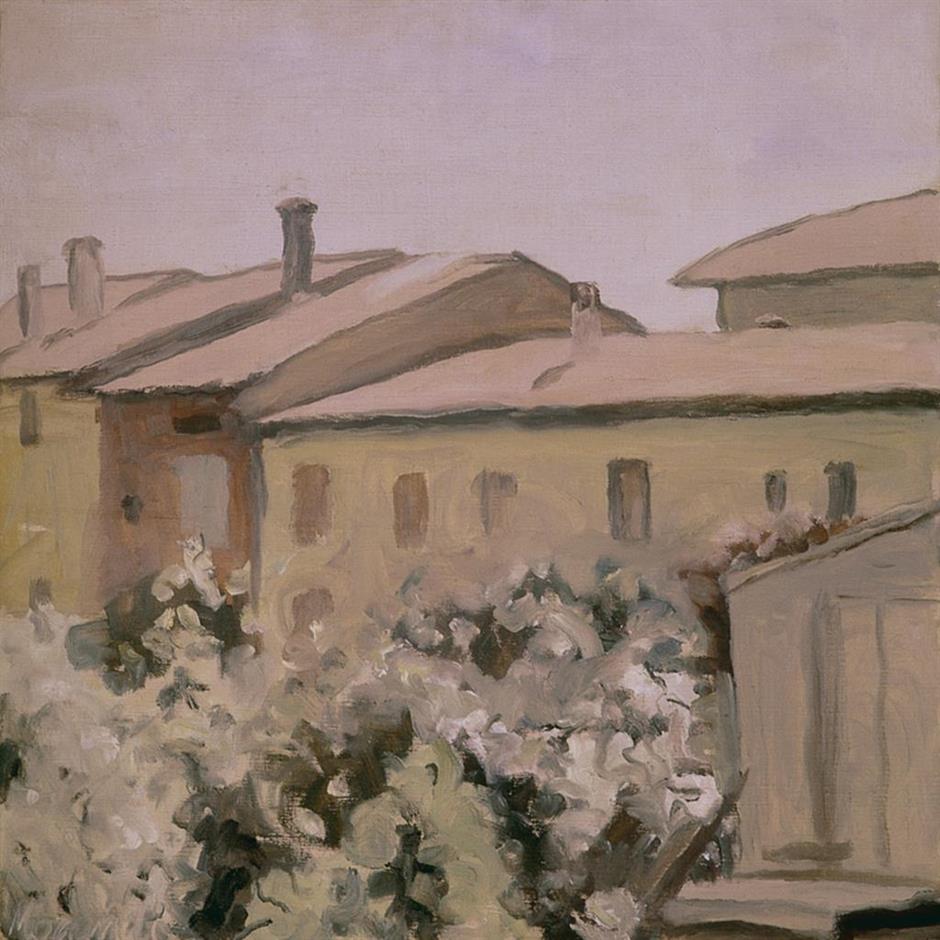
Over 140 original oils, etchings, watercolors, and drawings are among the 200 exhibits from 30 international institutions and private collections.
More than 120 of these pieces are being seen in China for the first time.
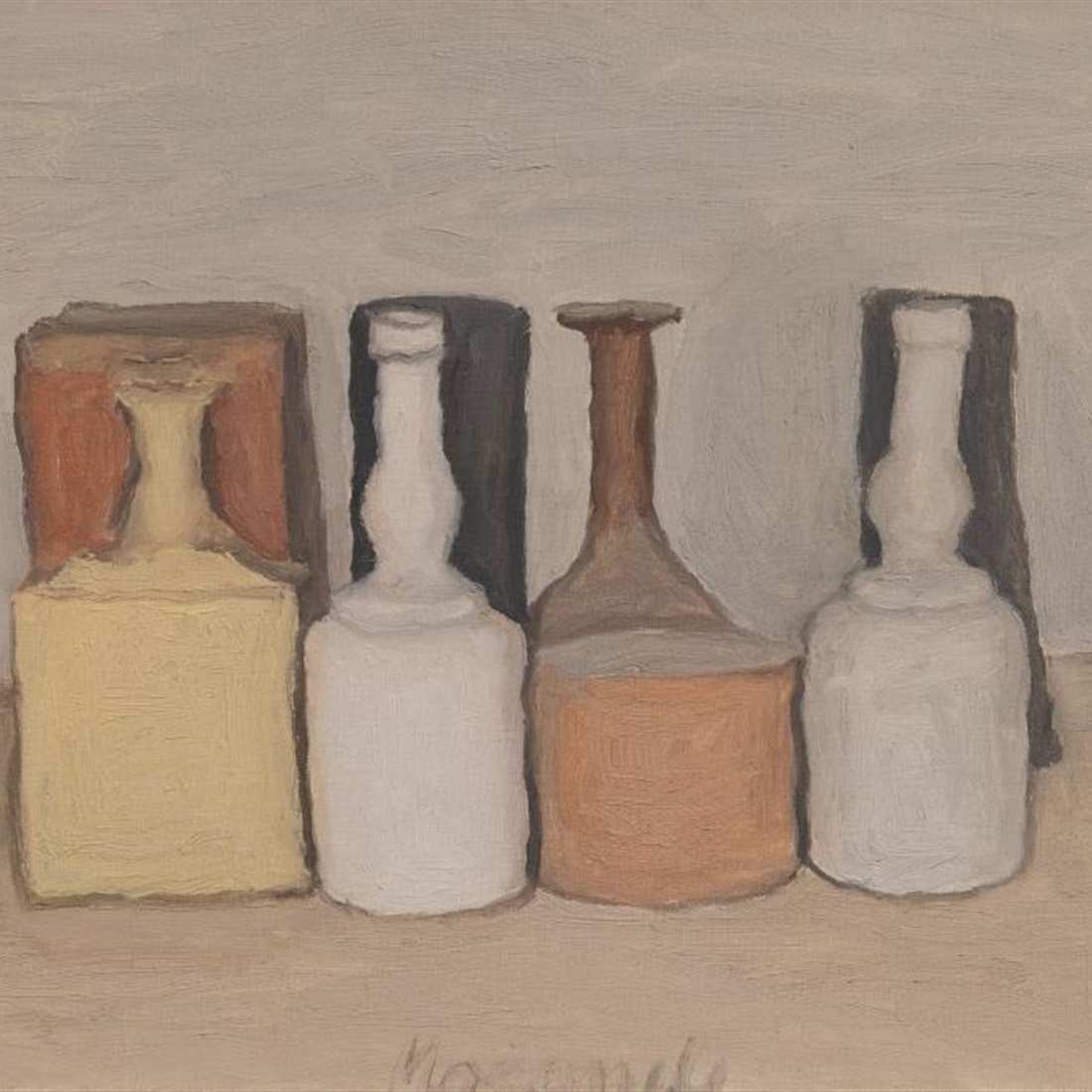
From his iconic still lifes to rarely exhibited portraits, experimental works across creative periods to internationally acclaimed masterpieces, the exhibition shows Morandi's full arc from multiple perspectives, dispelling the oversimplified view of him as a "painter of bottles and jars."
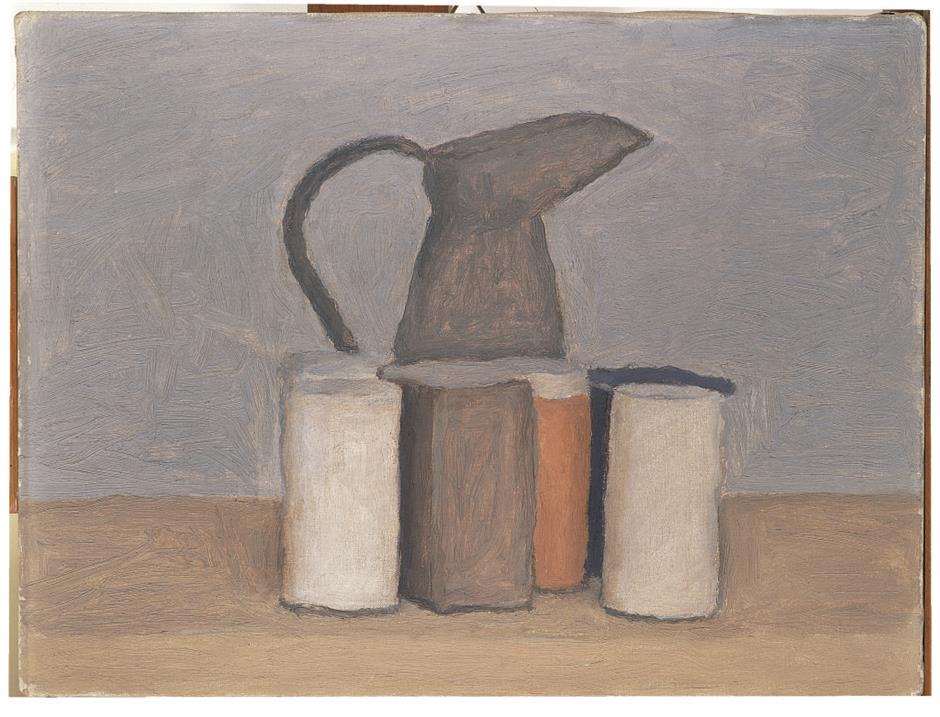
Bologna-born Giorgio Morandi (1890-1964) was a major 20th-century artist. From simple objects, he created a profound artistic universe through systematic enquiry and patient observation.
The public has long associated Morandi with a global chromatic system, transcending contemporary art history. Modernism championed intense color, radical forms, and avant-garde manifestos, but Morandi developed a highly consistent and instantly recognisable pictorial language through limited subjects, subdued tones, and a lifetime of formal experimentation.
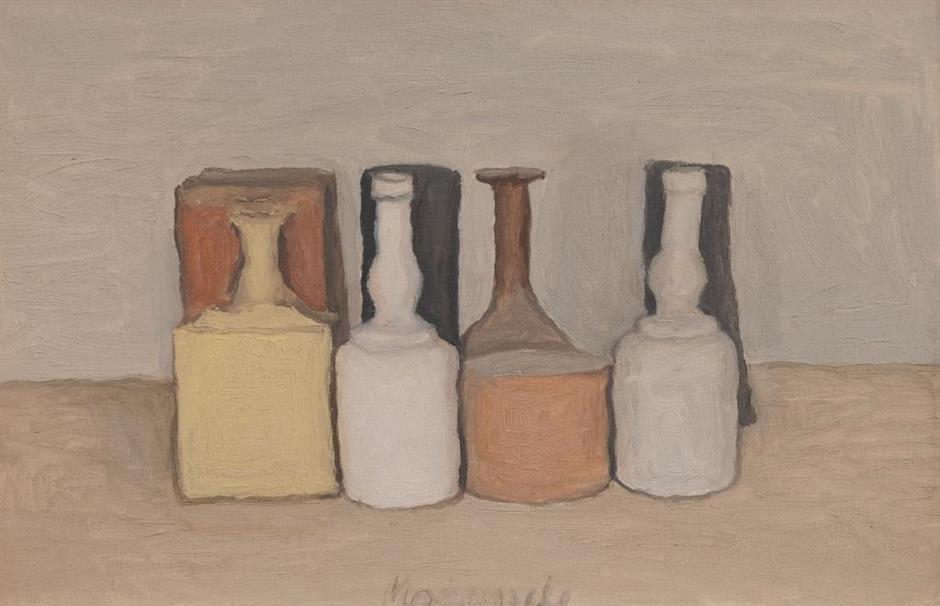
Today, "Morandi colors" do not refer to any fixed hue but rather to a chromatic atmosphere shaped by specific tonal relationships, light, spatial arrangement, and pictorial aura. From haute couture and interior design to contemporary lifestyle aesthetics, the soft, low-saturation, enduring visual quality associated with Morandi has influenced global taste for more than half a century.
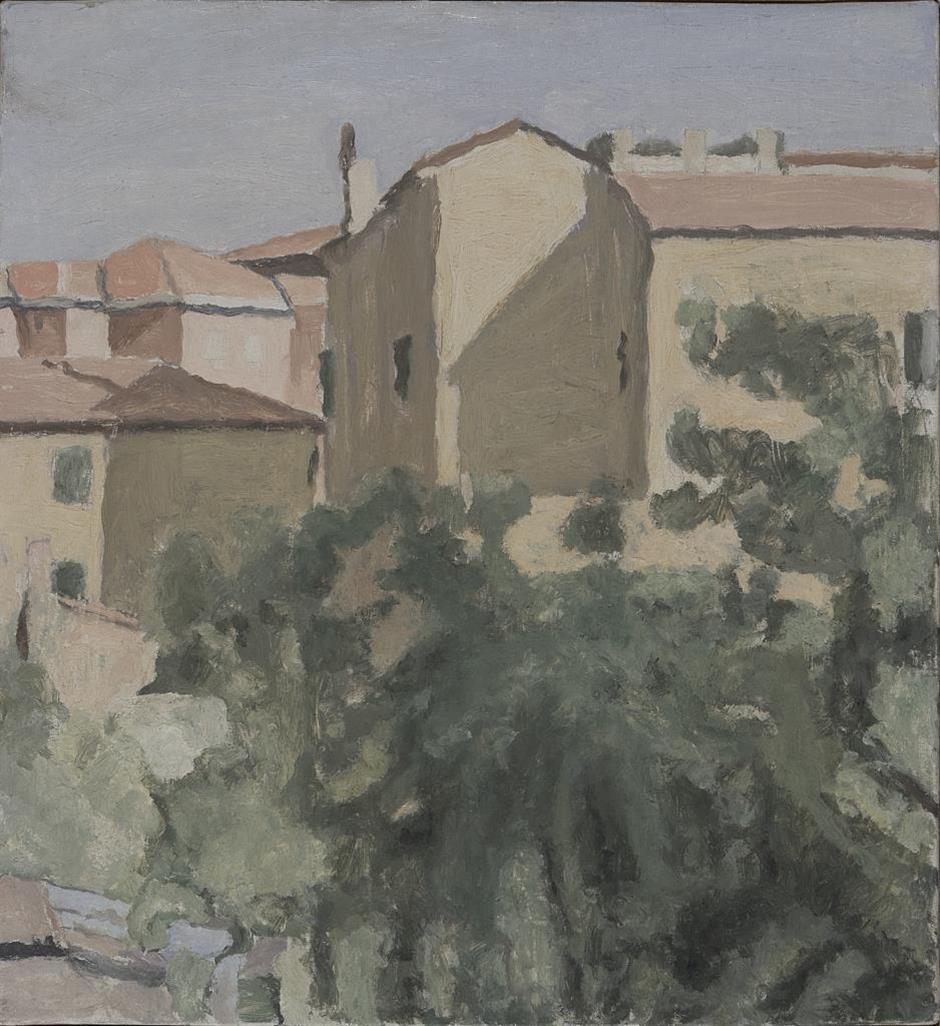
The exhibition is structured around over thirty thematic subsections, focusing on still lifes and landscapes produced after the 1920s. It features many of Morandi's most celebrated bodies of work – still lives, flowers, and landscapes – demonstrating his lifelong investigation of ordinary objects through subtle adjustments in perspective, tonal nuance, and compositional accord. His landscapes extend this methodology to the courtyard of his residence on Via Fondazza in Bologna and the mountainous vistas of Grizzana.
The exhibition also offers intimate glimpses into Morandi's private life. He never married, rarely left his hometown, and spent his entire life with his three sisters. Despite his reclusive nature, he was not entirely isolated; he maintained a small circle of close friends, to whom he often gave handcrafted artificial flowers – a context that informed his signature floral series.
The oil painting "Flowers" (1949) holds particular significance in this regard. Another work, "Shells" (1943), further reveals the intersection of family life and friendship.
During the war, Morandi produced 18 shell-themed paintings. Their twisted, unsettling forms mirror the artist's solitary and melancholic inner state. Yet only in this particular piece are the shells placed beside a sugar bowl – an object evoking sweetness and memory – lending the canvas a rare note of warmth.
Several rarely-seen works further demonstrate the diversity of Morandi's practice, including a self-portrait (1924), now housed at the Uffizi Galleries, and a portrait of his younger sister (1921), which has never before been publicly exhibited.
The exhibition is also displaying studio photographs, personal objects, and archival documents to reconstruct the decisive choices that shaped Morandi's art and life. He executed the vast majority of his works in his two studios in Bologna and Grizzana.
For him, the studio was not merely a domestic space but the central arena where he observed the world, rearranged reality, and formulated his pictorial vocabulary.
Featuring more than 50 historical photographs from his studio, the exhibition transports visitors into the artist's living and working environments, offering insight into how Morandi forged his unique visual expression through daily rituals of gazing, arranging, and contemplation.
To further anchor Morandi's art in its urban context, the exhibition has included documentary footage tracing the artist's footsteps through Bologna via a subjective lens, paired with original audio from an interview with Morandi.
One of the most site-specific highlights is the presentation of original props from Morandi's studio – vases, artificial flowers, tin cans, and other objects that repeatedly appeared in his paintings – displayed alongside works depicting the very same subjects.
Perhaps like Morandi once said, "Anything can be painted; all it takes is to see it."
If you go
Date: Through the end of August, 10am–9pm
Venue: Museum of Art Pudong
Address: 2777 Binjian Avenue 滨江大道2777号
Admission: 80 yuan (120 yuan from Friday to Sunday)