Reading the Renaissance: Where Books Tell the Story of Europe's Cultural Revolution
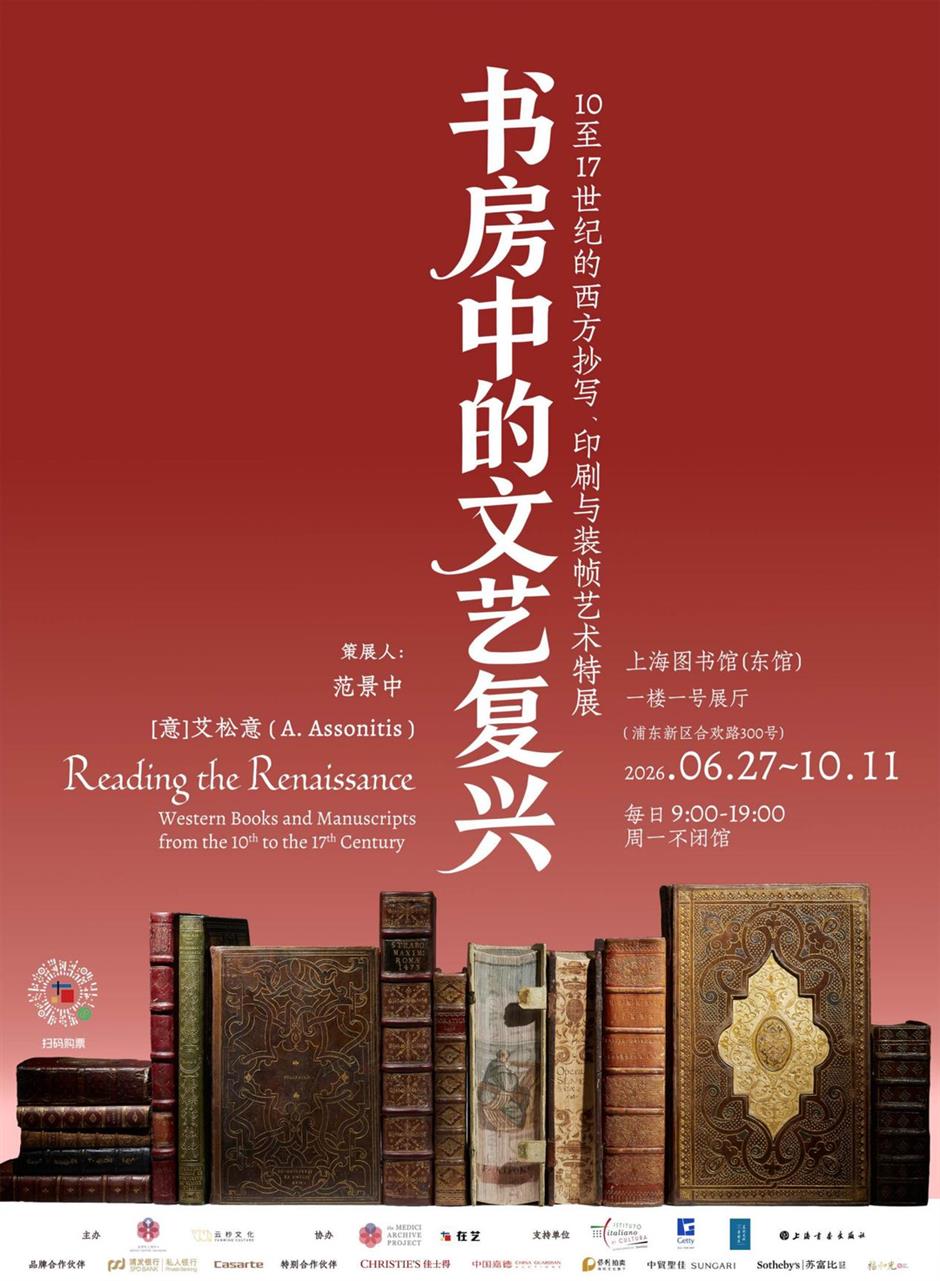
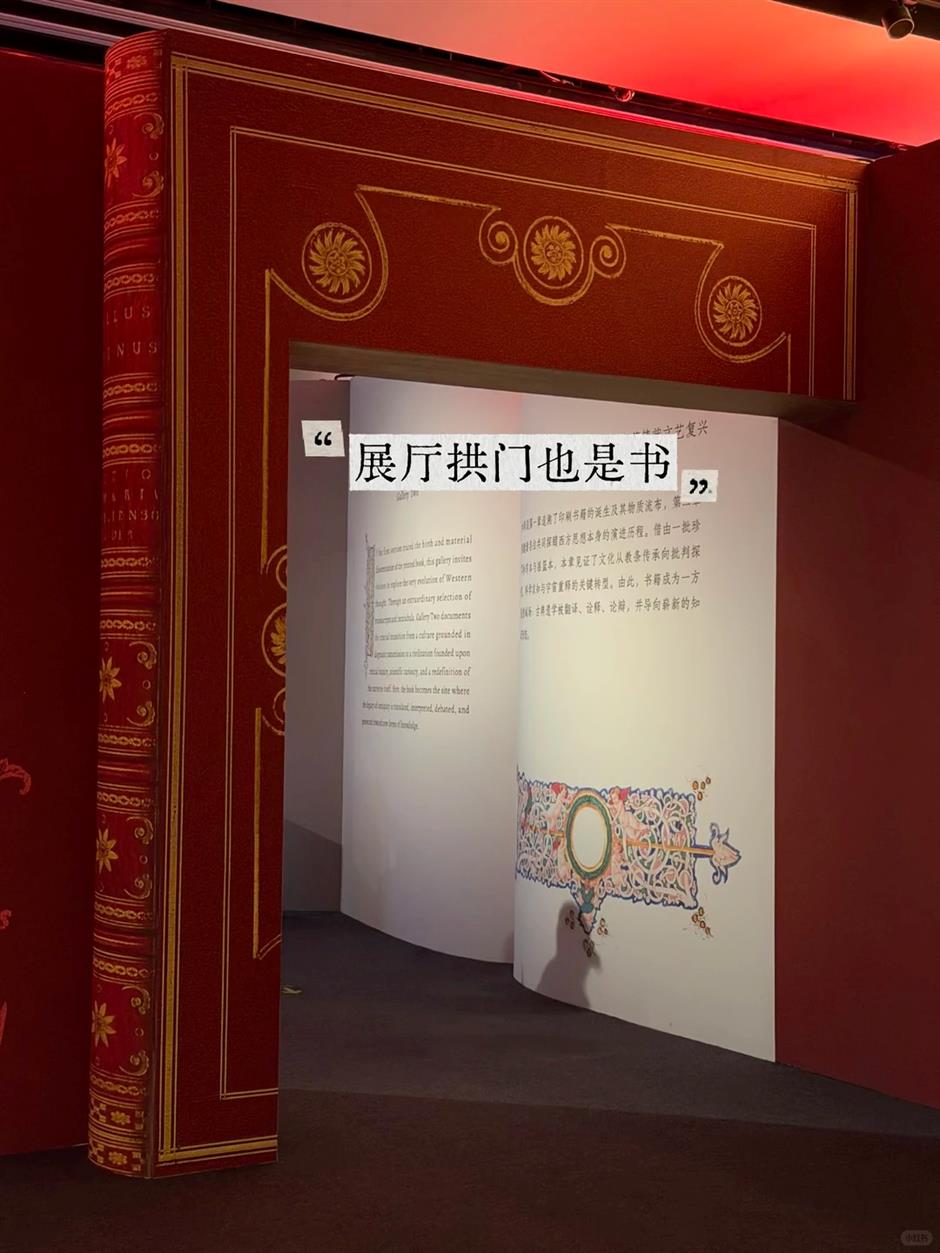
A remarkable journey through the intellectual and artistic world of the Renaissance is now unfolding in Shanghai. Running through October 11, Shanghai Library East is hosting "Reading the Renaissance: Western Books and Manuscripts from the 10th to the 17th Century," the first major Renaissance-themed exhibition on the Chinese mainland to place books at its very center.
Bringing together 119 precious exhibits, the show explores how books preserved, produced and spread knowledge across Europe from the Middle Ages to the early modern era. Visitors can discover ancient Greek and Roman classics, humanist works, early printed books, manuscripts, paintings, sculptures and historical artifacts, spanning fields from literature and philosophy to astronomy, geography, politics and architecture.
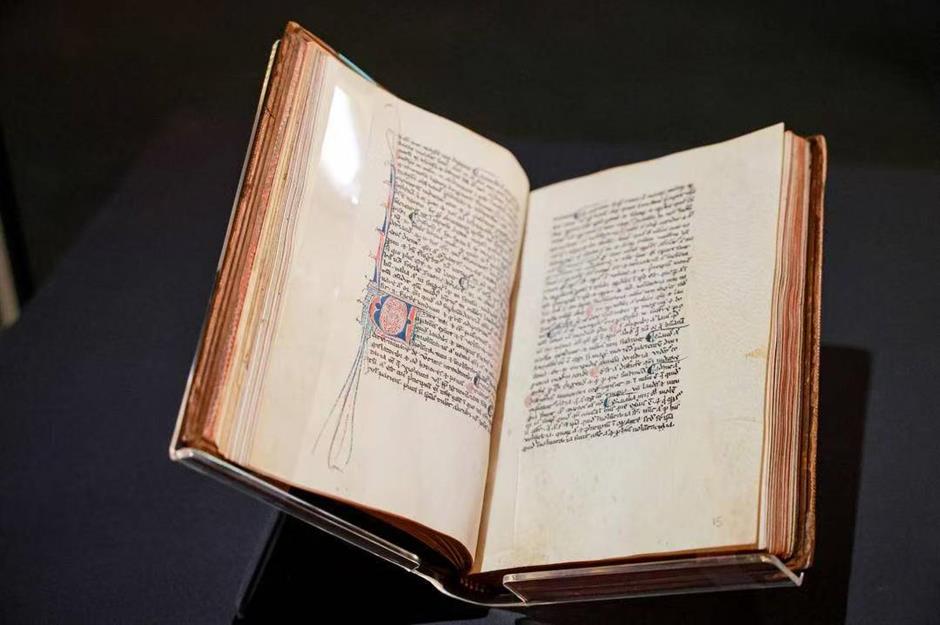
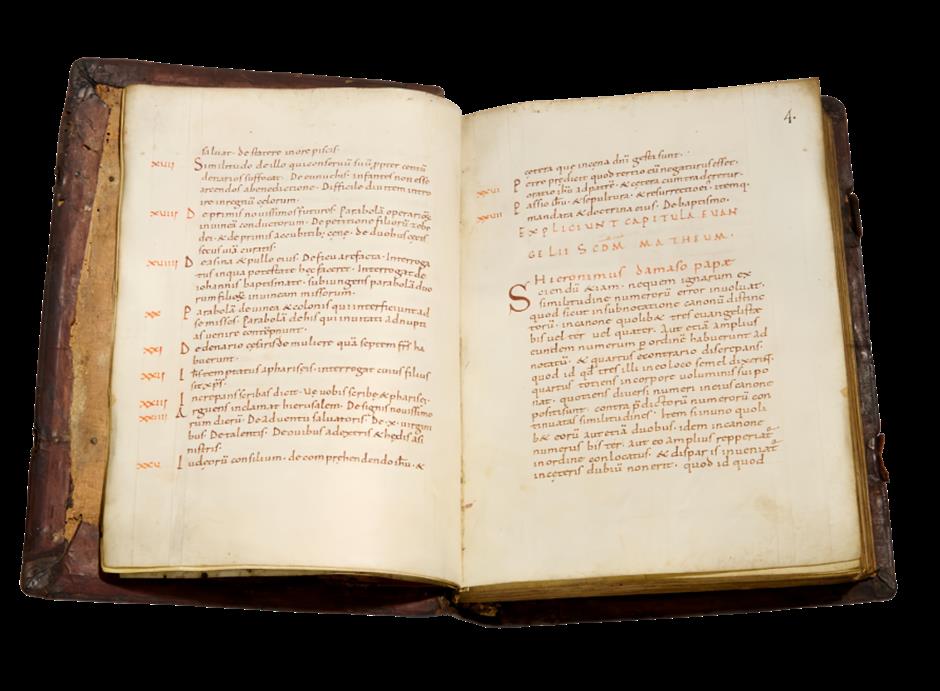
One of the highlights is the collection of 46 incunabula – books printed in Europe before the end of 1500. Considered the cradle of Western printing civilization, these rare volumes reveal the transition from medieval manuscript culture to the age of mechanical printing. Among them is Lactantius' Divine Institutes, printed in Subiaco in 1465, the first dated book printed in Italy.
The exhibition also features 17 precious Western manuscripts, including works dating back to around the 10th century, a testament to the transmission of knowledge in medieval Europe. Fourteen of them are adorned with exquisite paintings, offering a glimpse into the craftsmanship, calligraphy and visual beauty of medieval European book culture.
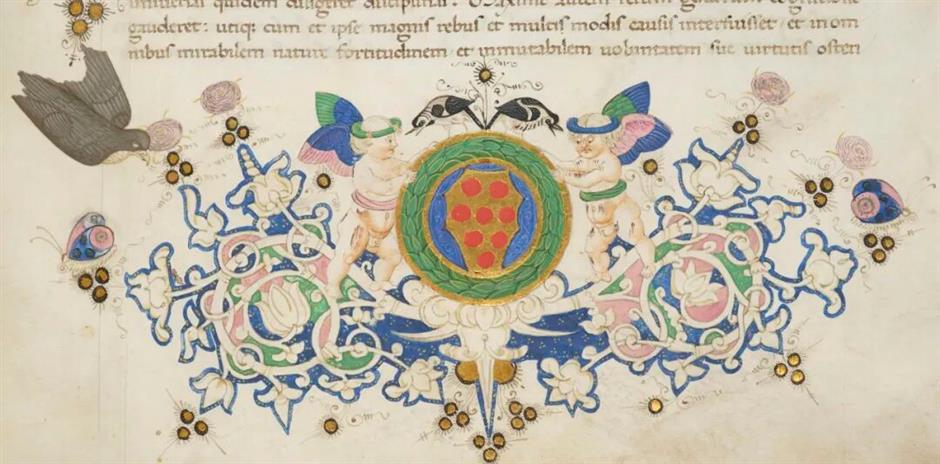
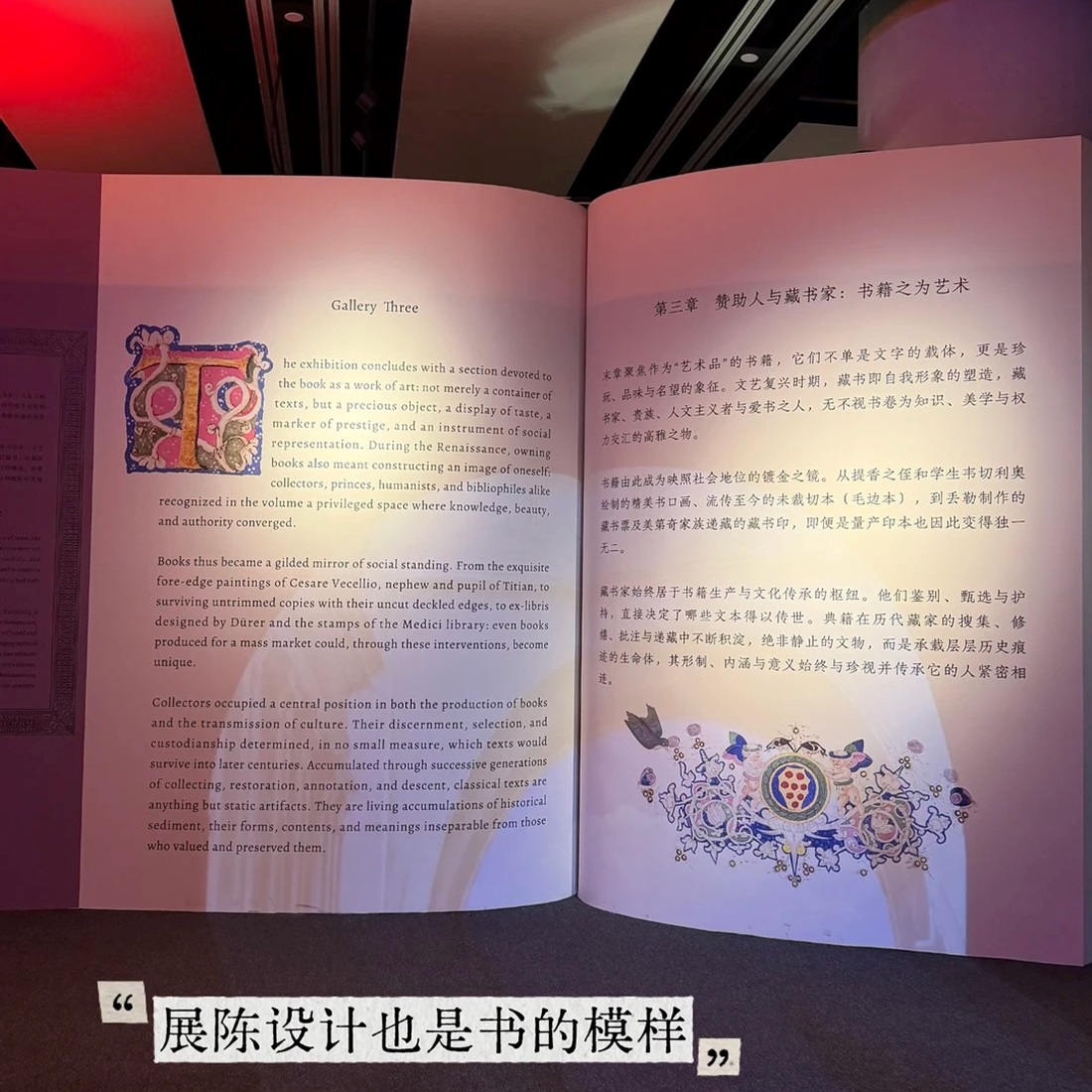
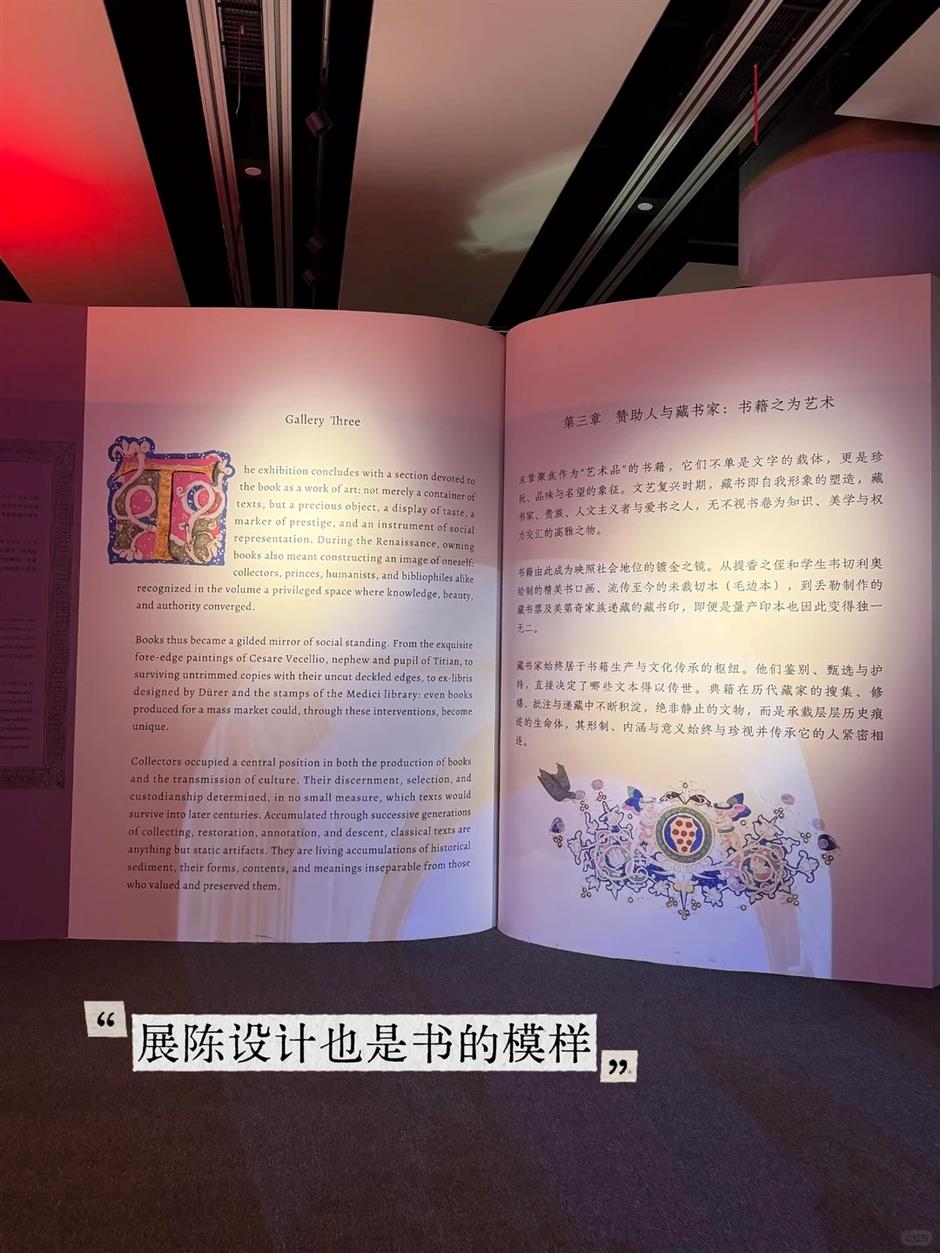
A special section dedicated to the Medici family highlights how books evolved from vessels of knowledge into symbols of identity, cultural influence and political power. The Italian bourgeois family ruled Florence and, later, Tuscany during most of the period from 1434 to 1737.
Works associated with influential figures, including philosophers Plato, Aristotle and Descartes, literary giants Virgil and Dante, as well as scientist Issaac Newton, further connect the exhibition to the broader development of Western thought.
Through books, manuscripts and artworks, the exhibition tells a powerful story: the Renaissance was not only a revolution in painting and sculpture, but also a revolution in knowledge – one driven and accelerated by books.
If you go
Venue: Shanghai Library East 上海图书馆东馆
Address: 300 Hehuan Road 合欢路300号
Dates: Through October 11
Time: 9am-7pm ( including Mondays; last admission at 6:30pm)
Admission: Single ticket: 60 yuan; Two-person ticket: 115 yuan