Shanghai Archives Opens City Memory to Public for International Archives Day

A handwritten proposal for Shanghai's first Metro line, ration coupons for cooking oil and beef, and Nanpu Bridge labor logs are among the records available for tourists, providing a close look at how the city was planned.
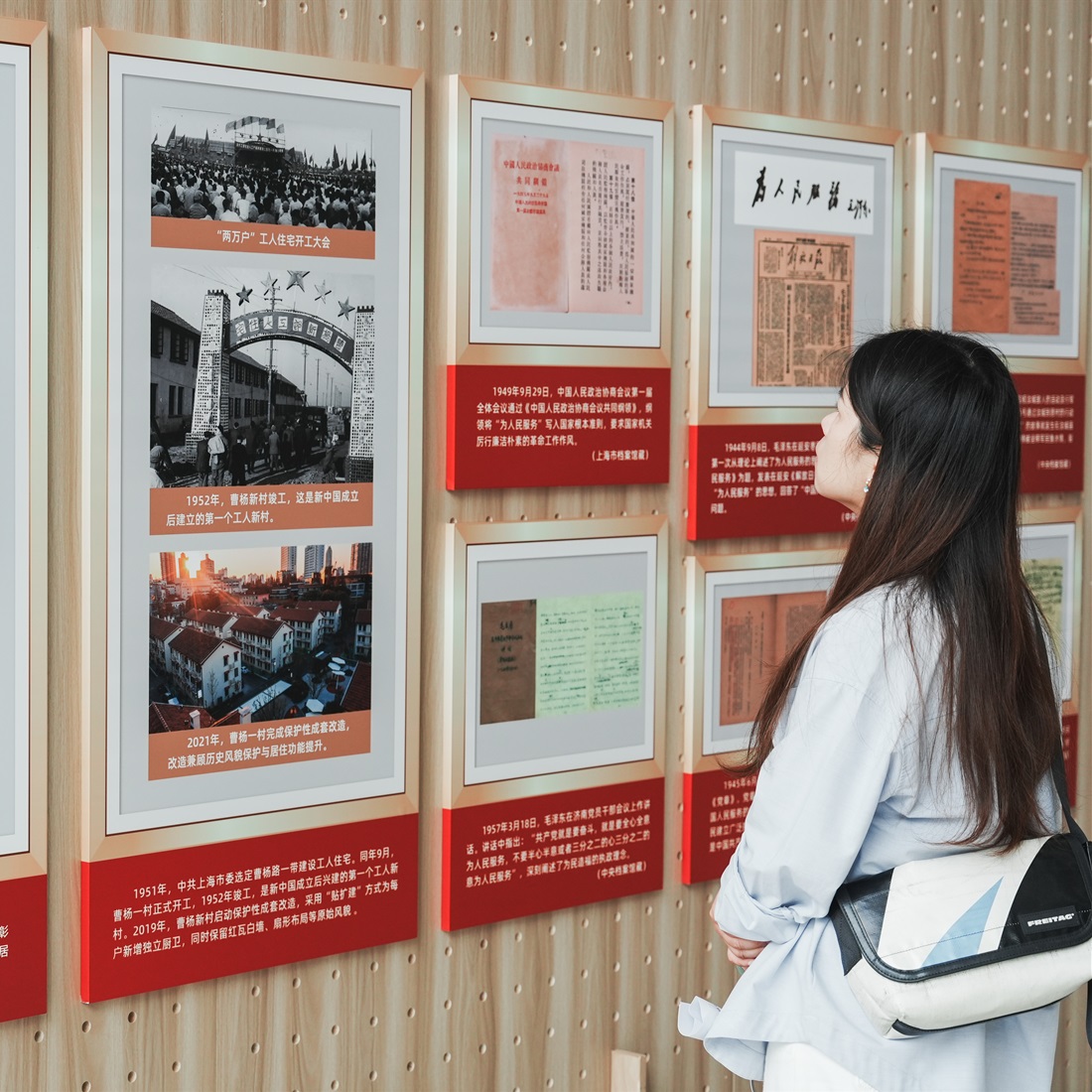
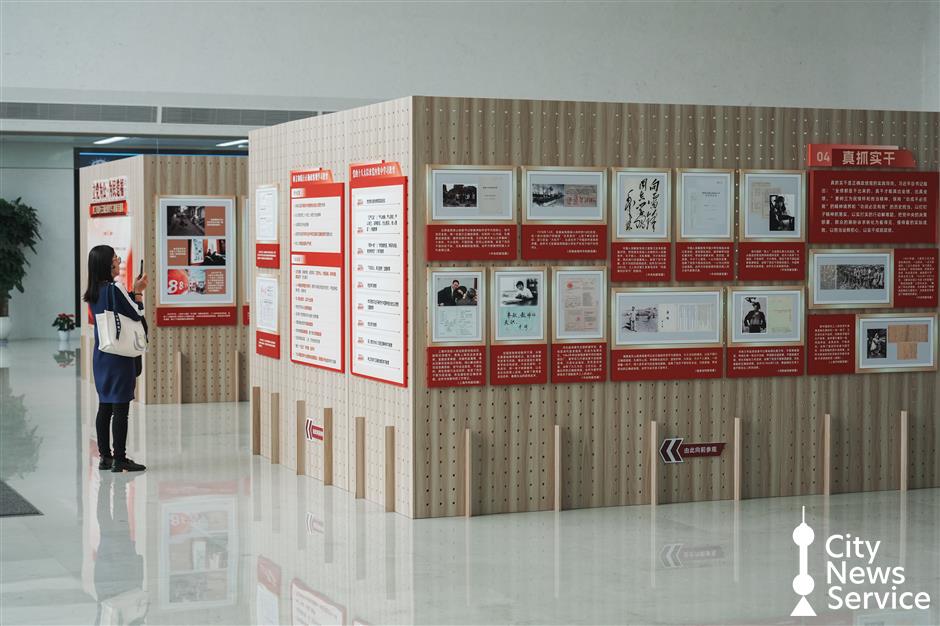
The Shanghai Archives marked International Archives Day on Tuesday with a public program that featured the opening of new records. It released a documentary trailer and held exhibitions at its Pudong location.
The municipal archives has released its 40th and 41st batches of open records, which include 17,551 volumes and 163,123 individual items from 59 government agencies, people's organizations, city-owned enterprises, research institutions, and schools.
The documents span from 1930 to 2000, and 33 archive groupings are being made available to the public for the first time.
The newly opened files document Shanghai's progress in sports, public utilities, urban development, industry, cultural heritage preservation, and education.
They contain information about swimmer Zhuang Yong's Olympic gold medal, the establishment of Shanghai Shenhua Football Club, and the completion of Shanghai Stadium, as well as files on public transportation reform, sewage treatment, and early planning for Hongqiao, Caohejing, and Gubei.

One display features a 1989 resident's scribbled proposal for the development of Metro Line 1, which was supposed to connect neighborhoods from New Longhua to Shanghai Railway Station.
Other papers document early considerations for passenger movement, station sites, and how the train could alleviate surface traffic.
Another section details Shanghai's water cleanup initiatives, including documentation on the combined sewage treatment project and the Suzhou Creek environmental improvement plan.
Bridge enthusiasts will find a construction log from the Nanpu Bridge structural team. The daily notes, scribbled in blue ink, record the rhythm of a project that became one of Shanghai's most recognizable crossings after its debut in the early 1990s.
Every day life is also on display. A page of 1981 coupons from the Shanghai Grain Bureau and the city's No. 2 Commercial Bureau includes tickets for cooking oil, sugar, meat, and bean goods, evoking a time when household staples were strictly rationed.
Other displays focus on housing and neighborhood transformation. A 1987 analysis looks at families with fewer than two square meters of living space per person.
Later files, such as a 1995 municipal notice on housing relief measures and a 1996 proposal to renovate unsafe shanty housing in the city center, demonstrate how housing became a long-term public policy priority.
If you go:
Date: Through June 12
Site: Shanghai Archives
Address: 811 Qiancheng Rd 浦东新区前程路811号
Admission: Free
Public Transport: Longyang Road Station, Metro Line 2, 18, and 16