Vivian Maier: The Nanny Who Saw Everything
For most of her life, Vivian Maier (1926-2009) passed quietly under the radar, known simply as a nanny with a camera always in tow. Yet time has a way of turning the overlooked into the unforgettable – today, she stands as one of the most captivating and enigmatic voices in 20th-century street photography.
A retrospective, "Vivian Maier: Unseen Work," at Fotografiska Shanghai, brings the spotlight back on her, offering a rare window into the remarkable archive she left behind – proof that sometimes, the truest masterpieces are hidden in plain sight.
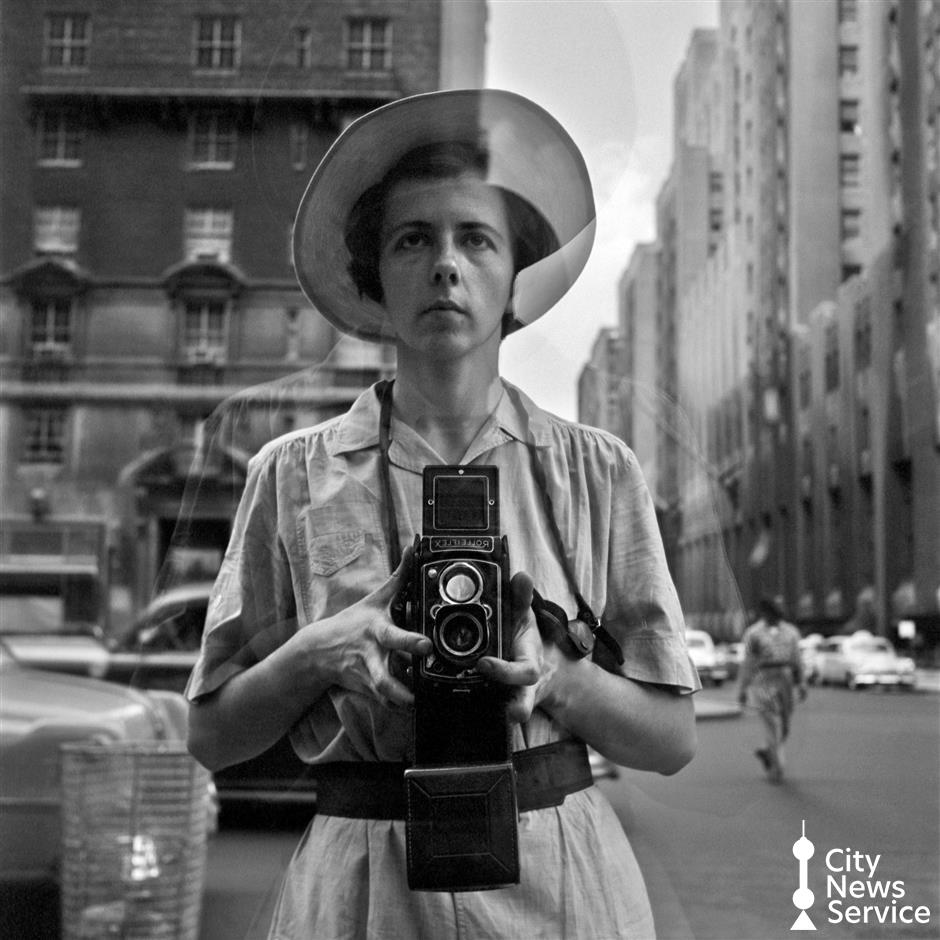
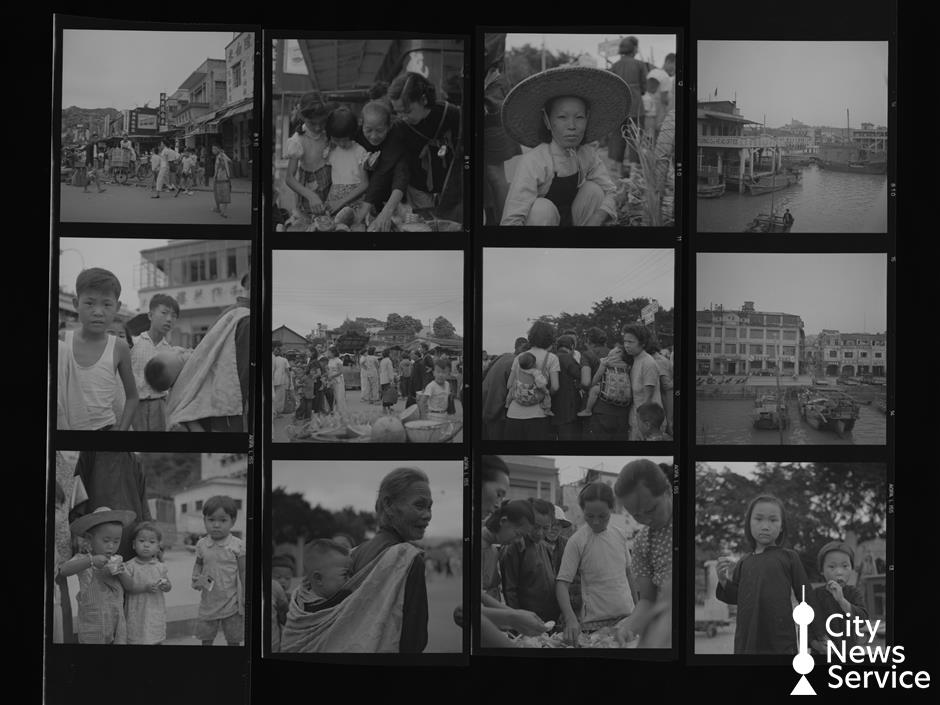
The exhibition, which runs through July 19, pieces together more than 200 black-and-white and color photos, alongside previously unseen images from Maier's travels in Asia, including photographs taken in Hong Kong and Macau, China. Motion-picture footage shot with her 8mm camera is also being screened, while personal artifacts, from her Rolleiflex twin-lens camera and Leica 35mm to her trademark hat, help reconstruct the life of a woman who spent decades documenting the world while remaining largely invisible herself.
Born in New York in 1926 and raised partly in France, Maier returned to the United States in 1951 and worked as a nanny for most of her life. Over five decades, she wandered city streets with a camera, quietly producing more than 150,000 photographs, along with numerous films and audio recordings.
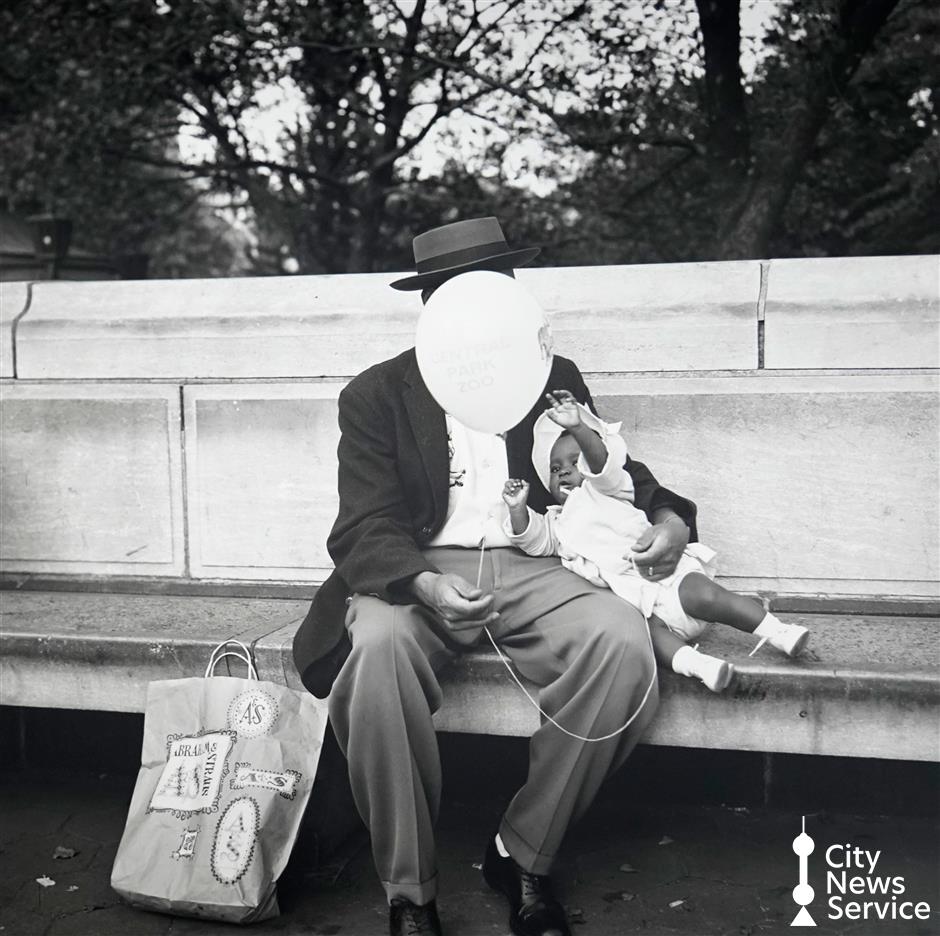
Her extraordinary archive was discovered by chance in 2007 when Chicago history enthusiast John Maloof bought her negatives at a storage auction. Through the undeveloped films, a body of work was revealed that captured the fleeting rhythms of urban life – children at play, street workers, and strangers reflecting.
Without formal training, Maier developed a distinctive visual language marked by strong compositions, dramatic contrasts of light and shadow, and an acute sense of observation. Her photographs combine empathy with a subtle sense of humor, transforming ordinary street encounters into quietly compelling narratives.
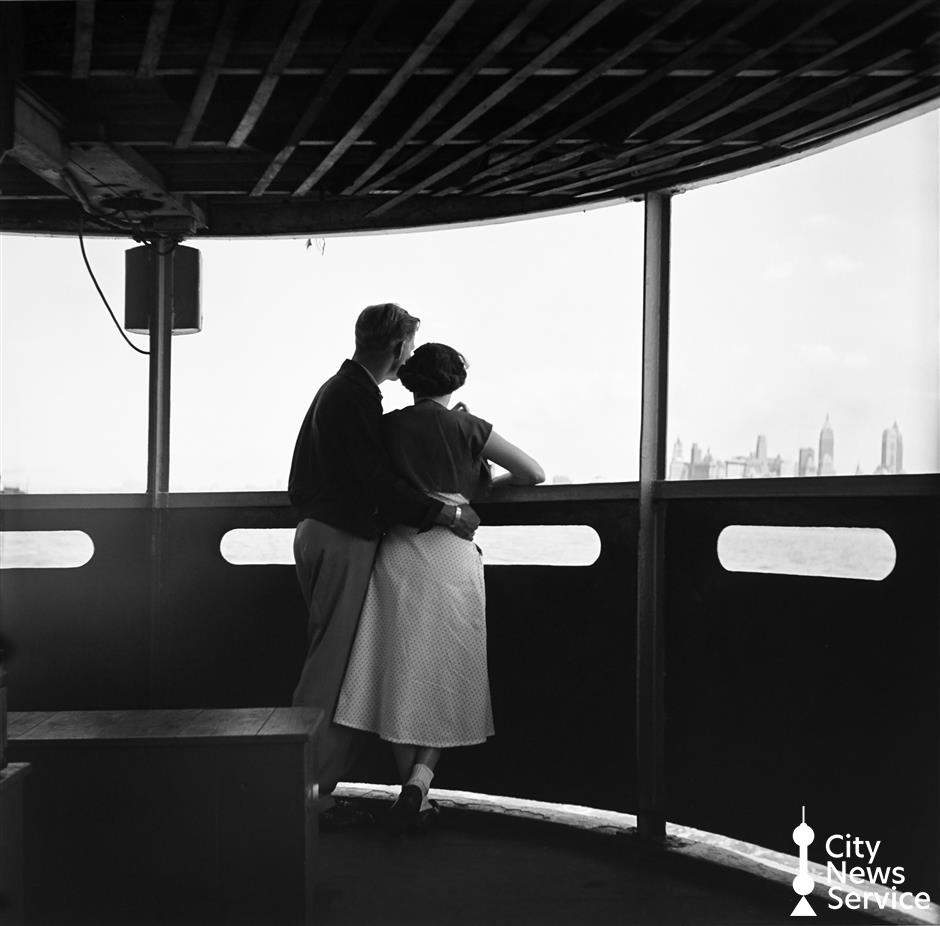
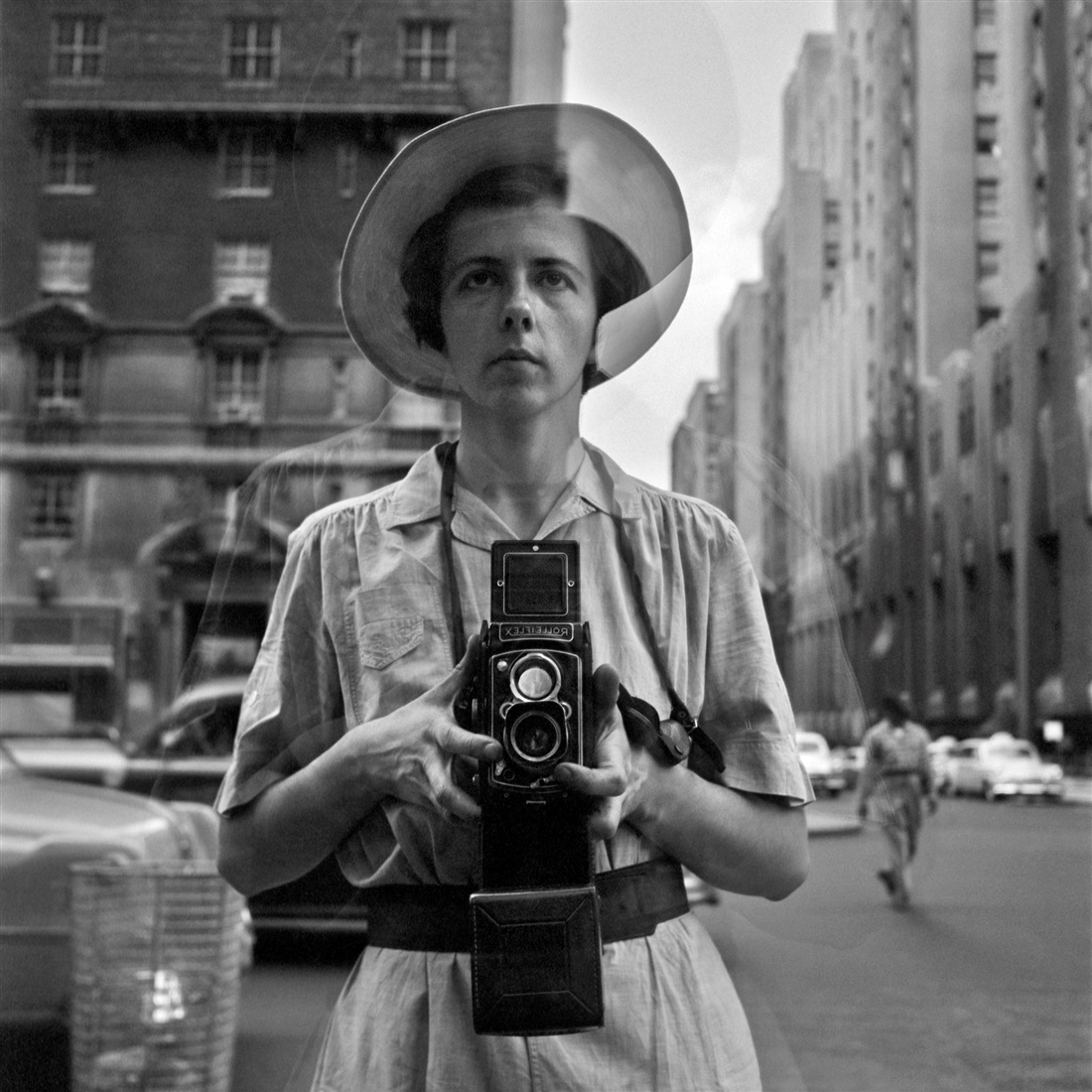
The exhibit features her self-portraits. With mirrors, shop windows, and shadows, she inserted herself in the cityscape she was documenting. Long before self-portraiture became a major artistic strategy for later photographers such as Cindy Sherman or Francesca Woodman, Maier had already begun exploring the camera as a tool of self-reflection.
"Photography was a vehicle of freedom for women," said curator Anne Morin at the Kering Women In Motion Talk on the opening day of the exhibition. "And of course, the self-portrait has been something very important because this is the only way for these women, who were completely apart from society, completely erased and completely in the shadow, to give their voices."
Maier directed her camera at the people who animated the streets around her. Workers, elderly men, children, and passersby appear throughout the exhibition, often in fleeting gestures or quiet contemplation. Many of them rarely smile. The images show Maier's patient observation of daily life without sentimentality.
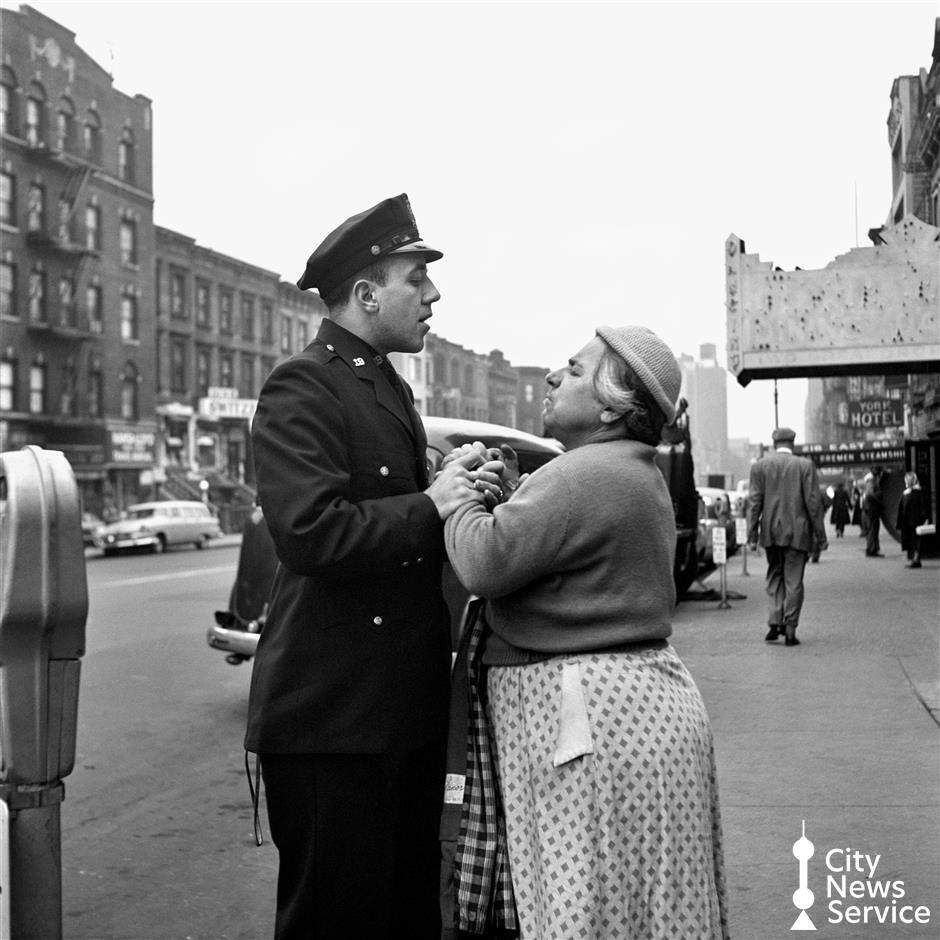
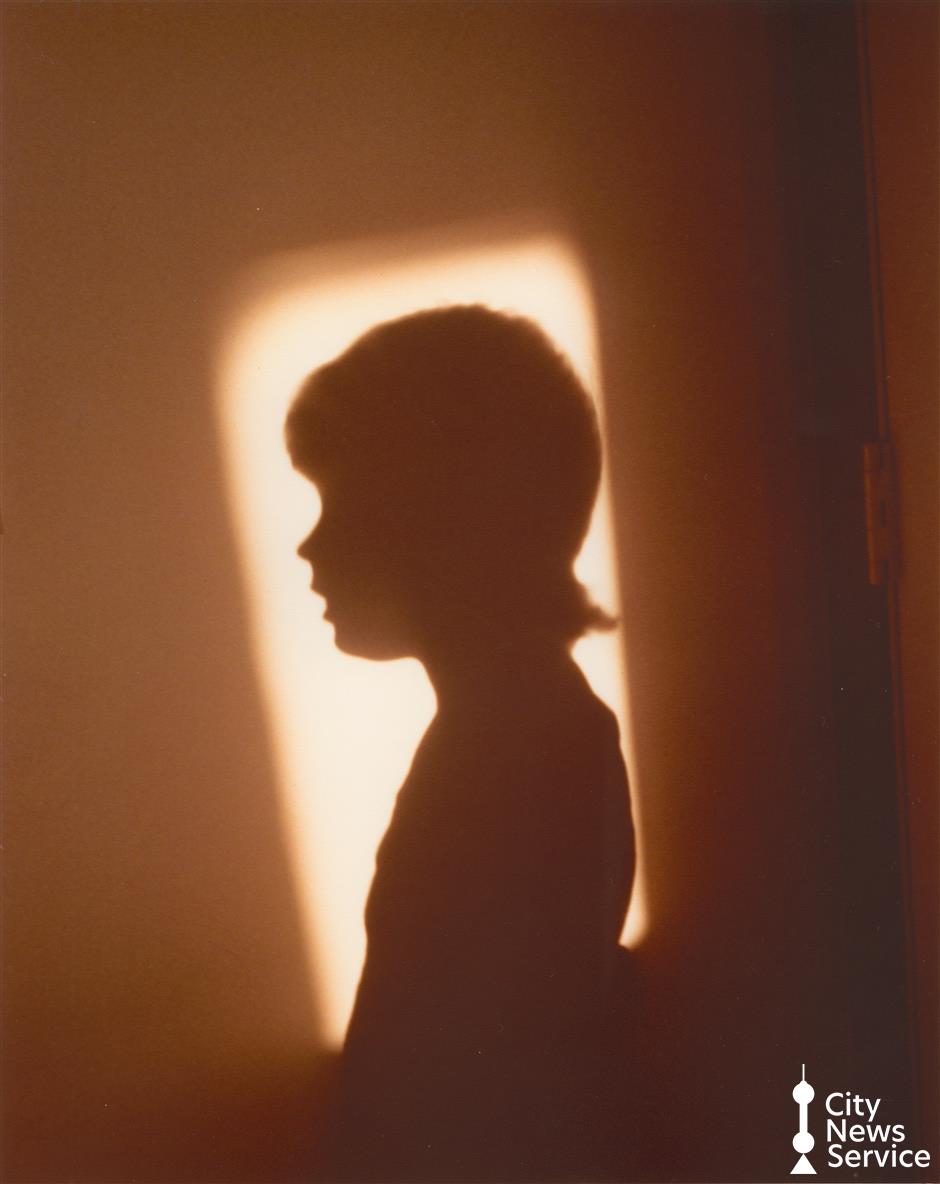
Her perspective, according to some observers, was shaped by her position on the margins of society. As someone who moved through the city as a caregiver rather than a professional photographer, Maier occupied a curious vantage point – both inside and outside the scenes she captured.
"Vivian Maier's identity as a nanny was not the backdrop to her work but the very lens through which she saw," said Fu Shiye, host of the podcast Stochastic Volatility. As an outsider and a woman, Maier was excluded from the mainstream gaze, yet it was precisely this exclusion that granted her a unique right to roam the city – she was not obliged to follow prescribed ways of seeing but could instead traverse, at her own pace, those unnamed sites of everyday life.
The exhibition also highlights Maier's shift from black-and-white street photography to color work in later decades. The transition reveals a photographer constantly experimenting with the possibilities of the medium, moving from the sharp contrasts of mid-century street scenes to the saturated hues of everyday objects and urban textures.
Placed side by side in the galleries, early prints and later enlargements, some imperfect, some carefully rendered, create a layered portrait of an artist whose work oscillates between the spontaneity of an amateur and the compositional rigor of a seasoned observer.
Taken together, the photographs offer not only a chronicle of postwar American cities but also an intimate record of a photographer who spent a lifetime looking at the world – often from the edges, yet with remarkable clarity.
If you go:
Date: March 13-July 19, 10:30am-11pm
Venue: Fotografiska Shanghai
Address: 127 Guangfu Road, Jing'an District
静安区光复路127号