Shanghai's Next Growth Phase, From Just Making Things to Creating Them
Systems & Signals
Business landscapes are shaped not just by headline disruptions, but by the structural shifts beneath them. This series decodes the forces transforming China and global markets, from AI adoption and innovation ecosystems to trade recalibration and institutional strategy. Drawing on on-the-ground reporting and strategic analysis, the column offers executives and policymakers timely insights into how technology, governance and human capability coevolve in an age of rapid change.
A few days ago I met my friend Steven Wu for coffee. For years he worked as an export sales manager for industrial equipment. His clients were distributors and factory owners scattered across Southeast Asia, Europe and the Middle East. The job followed a familiar routine: find buyers, negotiate prices, ship machinery, repeat.
Recently Wu changed jobs. He joined a Chinese automation company that builds industrial robots.
The move surprised some of his friends. Industrial robotics is competitive and capital intensive. But he seemed relaxed.
"Orders are not the problem," he said. "The challenge is keeping up."
Over the past six months his company has received a steady stream of inquiries from overseas buyers. Many come from Europe and the Middle East. Some are manufacturers seeking to automate production lines. Others are distributors searching for new suppliers as global supply chains shift.
Wu's experience may sound like a small business anecdote. In fact, it captures a larger shift in China's export economy and in the direction of Shanghai, the city where his company operates.
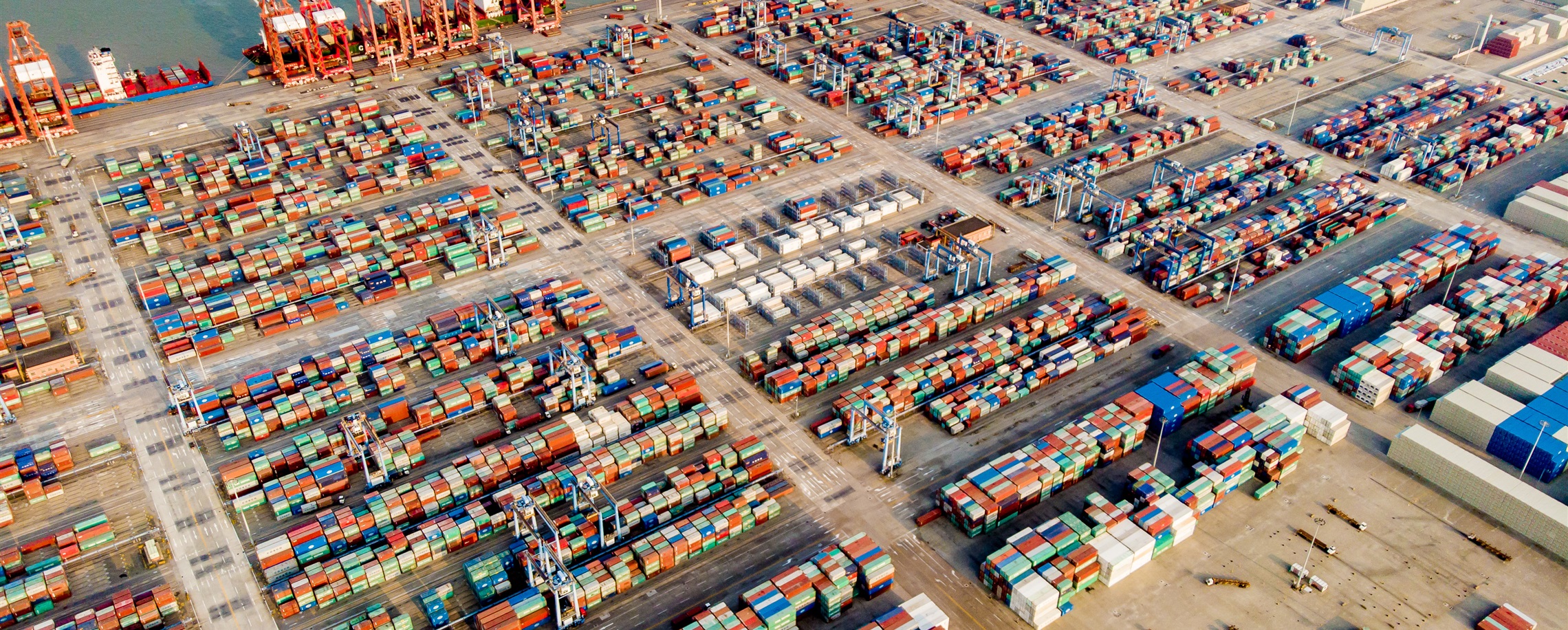
For decades China built its export machine on scale and cost. Factories multiplied. Supply chains thickened. Global companies sourced everything from household appliances to industrial parts from Chinese manufacturers.
That model still matters, but it is evolving. Labor costs have risen. Global trade frictions have increased. Competition from other manufacturing hubs has intensified.
In response, the structure of exports is beginning to change.
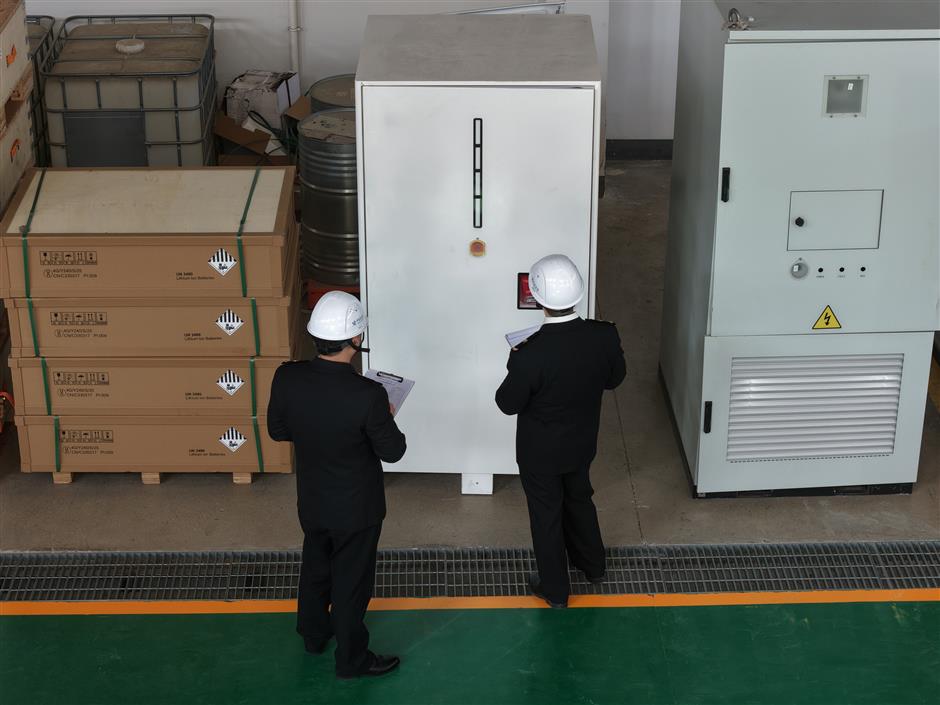
Across China, growth is coming from more complex industrial products: robotics equipment, electric vehicle components, lithium batteries and semiconductor devices. These sectors depend less on cheap labor and more on engineering, data and integrated supply chains.
Few cities illustrate this shift more clearly than Shanghai.
The city's economy grew 5.4 percent last year, its strongest performance in five years and above the national average. For an economy that already produces more than 5 trillion yuan (US$720 billion) in annual output, that pace is notable. But the growth rate itself is not the most interesting number.
The more important story lies in the structure behind it.
Shanghai has spent years building a cluster of advanced industries centered on artificial intelligence, integrated circuits and biomedicine. Together they now generate more than 2 trillion yuan in output. Last year these sectors expanded by nearly 10 percent. Artificial intelligence manufacturing rose by more than 13 percent; chip manufacturing by over 15 percent.
Those gains helped offset weakness in some traditional industries and gave the city new sources of momentum.
From the outside, Shanghai is often viewed through the lens of finance. Its skyline, stock exchange and multinational banks reinforce that image. Yet manufacturing remains the backbone of the local economy. The city's industrial base supports research institutes, engineering talent and a network of suppliers that feed into emerging technologies.
That foundation matters.
Cities rarely build advanced industries without a manufacturing ecosystem beneath them. Silicon Valley's software economy grew alongside hardware firms and defense contractors. Germany's industrial clusters rely on generations of engineering capacity.
Shanghai's leaders understand this dynamic. They also understand that the old growth model cannot carry the city indefinitely.
Land is limited. Costs are higher than in most Asian manufacturing centers. Global competition for talent and capital has intensified. At the same time, technologies such as artificial intelligence and automation are beginning to reshape the structure of industry itself.
Shanghai, therefore, faces a familiar question in a new form: What should drive the next phase of growth?
Part of the answer lies in industrial upgrading.
The city has expanded support for robotics, semiconductor manufacturing and applied artificial intelligence. These sectors link software with machinery and data with production lines. They also produce goods that travel well across borders.
Robotics exports illustrate the trend. Shipments of industrial robots from Shanghai have climbed rapidly, rising by more than 40 percent last year. Medical and surgical robots grew even faster.
These products create a different type of trade relationship. They require maintenance, software updates and technical services. A company that installs robots in a factory often maintains a long partnership with the client.
Another part of Shanghai's strategy focuses on domestic spending.
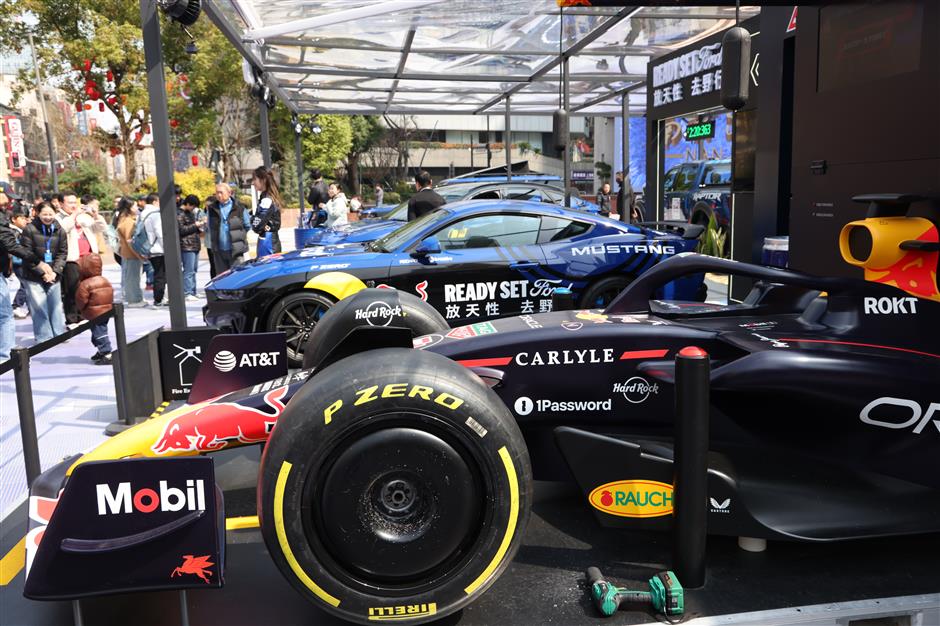
Like many global cities, Shanghai wants to attract visitors as well as investors. Tourism, cultural events and international exhibitions have become tools for economic growth. Last year the city's Formula One race drew more than 220,000 spectators over three days, with a large share arriving from overseas.
Inbound tourism also rebounded strongly. Shanghai welcomed more than nine million international visitors last year, roughly 40 percent more than the year before.
The idea is straightforward: combine industrial strength with a vibrant consumer economy.
Yet policy plans alone will not determine the outcome. The harder test lies in how technology, talent and urban life interact.
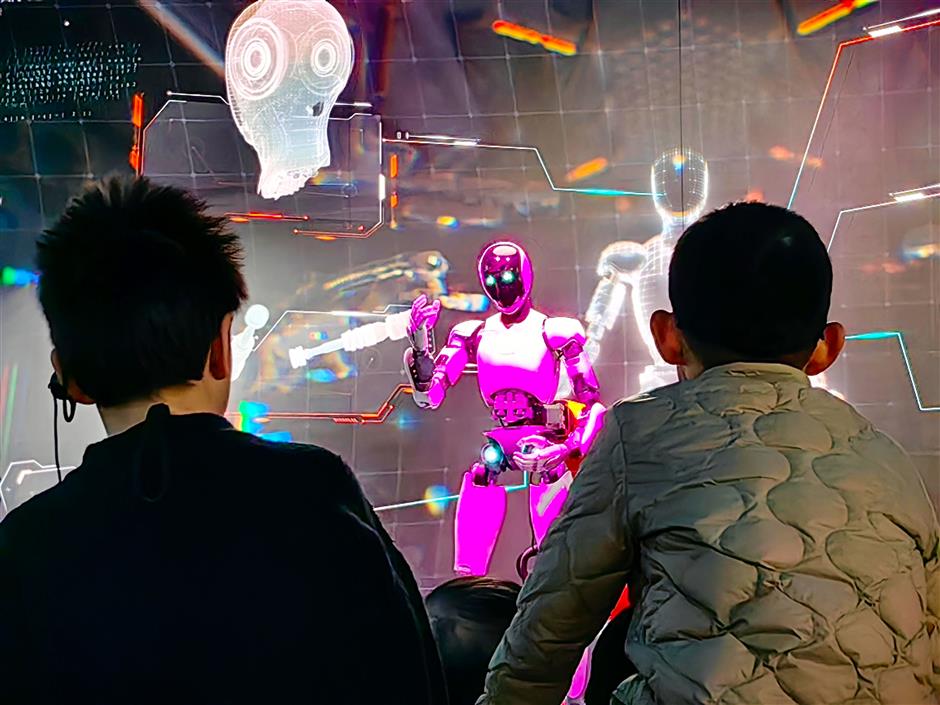
Artificial intelligence offers a good example. Much of the global conversation focuses on chatbots and consumer software. Those applications attract attention, but the deeper impact of AI may unfold inside factories, laboratories and logistics networks.
Predictive maintenance systems can reduce equipment failures. Data models can optimize production schedules. Autonomous machines can reshape assembly lines.
Cities that connect AI development with industrial application may gain a lasting advantage.
Shanghai has the ingredients for that experiment. Its dense manufacturing clusters provide real environments where engineers can test new tools and refine them quickly.
Talent will matter just as much.
Innovation ecosystems grow from universities, research institutes and entrepreneurial networks. Shanghai hosts many of China's strongest academic institutions. But the next phase of development may depend on attracting a wider circle of global scientists, engineers and entrepreneurs.
People move toward opportunity, but they also move toward places that feel open and dynamic.
That leads to another issue facing Shanghai's future identity. A global city competes not only through investment flows or infrastructure projects. It competes through experience.
New York, Tokyo and Paris attract talent partly because they offer rich cultural and social environments. Restaurants, music venues, museums and sports events help define their appeal.
Shanghai has begun investing in similar spaces. The challenge now is to deepen them and weave them into the city's economic fabric.
Finally, there is the role of companies themselves.
Cities export their influence through brands. Silicon Valley travels through its technology firms. Milan through fashion houses. Seoul through electronics and pop entertainment.
Shanghai could play a similar role for a new generation of Chinese companies. Some will emerge from advanced manufacturing. Others may grow from design, consumer goods or digital services. When these firms expand globally, they carry the city's reputation with them.
None of this transformation happens in isolation. Cities learn from one another through trade, investment and exchange. Businesses form partnerships across borders. Governments observe policies that work elsewhere.
Shanghai has long prospered as a gateway between China and the wider world. That openness remains one of its greatest strengths.
As our conversation ended, Wu returned to the subject of technology. His team has begun using artificial intelligence tools to forecast demand in overseas markets, and is also testing an AI agent that scans research papers and industry reports to track developments in robotics.
For him the shift feels natural.
"My career moves with the market," he said. "And the market moves with the world."
Shanghai now faces a similar moment. The city that once powered China's rise as the world's factory is searching for a new formula. Its future will depend on whether it can turn industrial strength into innovation that travels the world.
(The author is an adjunct research fellow at the Research Center for Global Public Opinion of China, Shanghai International Studies University, and founding partner of 3am Consulting, a consultancy that specializes in global communications.)
Editor: Liu Qi
In Case You Missed It...

 Mar 9, 2026