A Long Relationship with China, a New Chapter in Branding
Jacquelien Postigo Brussee's relationship with China began in the early 1990s, when she first visited the country with her father. She moved to China permanently in 2011 and, after more than 20 years in international business, brand management and agency leadership, founded Jibe Global in Shanghai in 2024, a strategic branding agency working across sport, lifestyle, luxury and mobility.
Before we talk about business, would you please introduce yourself?
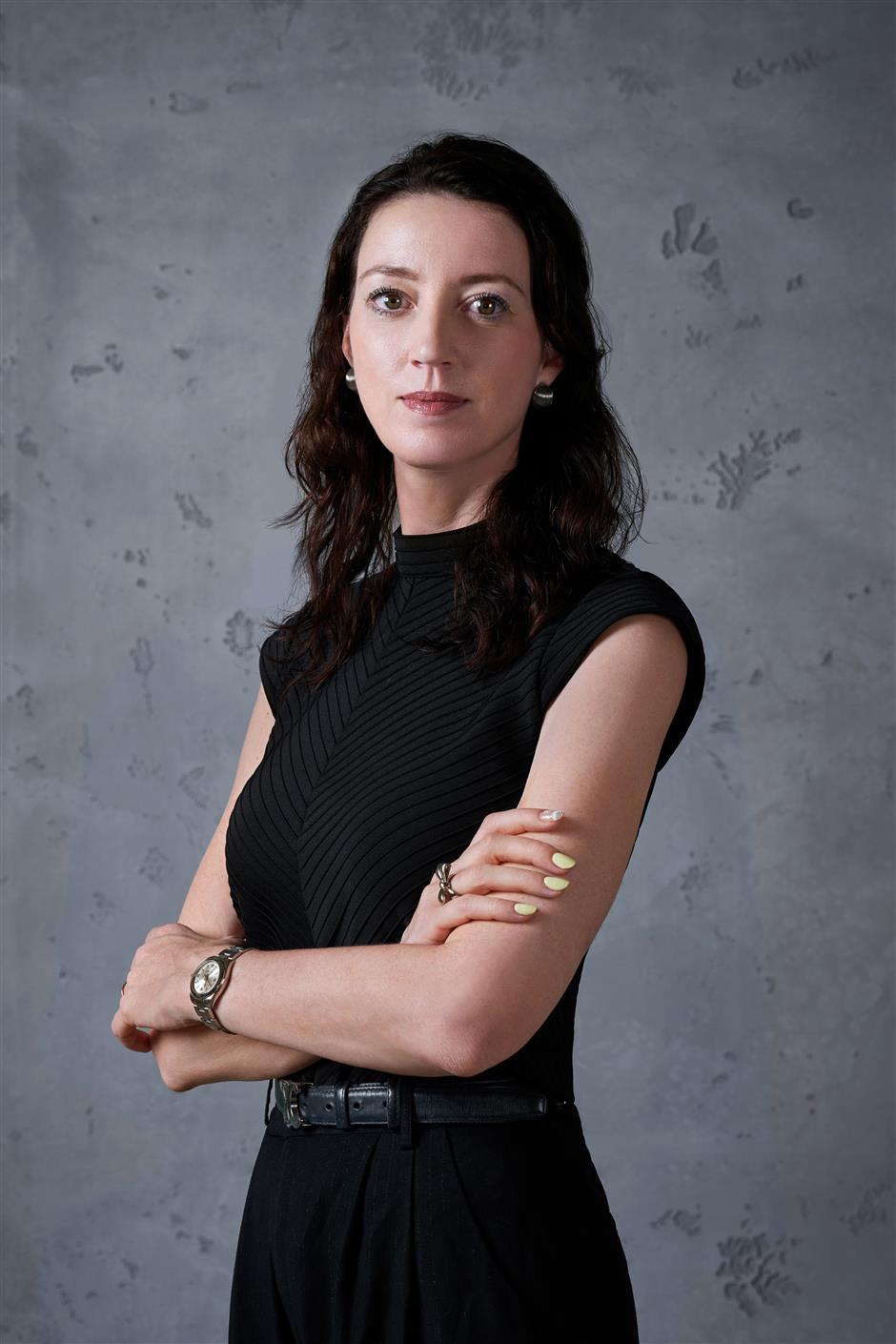
I'm Jacquelien Postigo Brussee, founder and CEO of Jibe Global. I was born in The Netherlands and first came to China in the early 1990s on a business trip with my father. My family's business worked closely with China, so the country was part of my life long before I moved here permanently in 2011.
By the time I founded Jibe in 2024, I had spent around 15 years living and working in China. I have over 20 years of experience across international business, brand management and agency leadership, working on both the client and agency sides.
Today, Jibe is a strategic branding agency based in Shanghai. We work globally across sport, lifestyle, luxury and mobility, helping brands create what I call "Brand Gravity" – attracting people, ideas, communities and opportunities.
I'm married and am a mother of two amazing kids, both born in Shanghai. In my spare time, I love painting and drawing, which give me a different way to think and keep my creativity fresh.
Why did you decide to strike out on your own to build up a business?
The idea had been building for a long time. After many years in the industry, I saw the traditional branding model becoming increasingly disconnected from how brands actually live today. Brands are no longer experienced through campaigns alone; they exist across culture, commerce, communities, spaces, products and partnerships.
I wanted to build an agency around that reality, boutique, senior-led, and deliberately focused, with strategic, creative and commercial thinking sitting closely together.
Starting an agency in 2024 was not the obvious or easy choice, but I had a strong vision for what Jibe could become. Sometimes the more difficult route is also the more honest one.
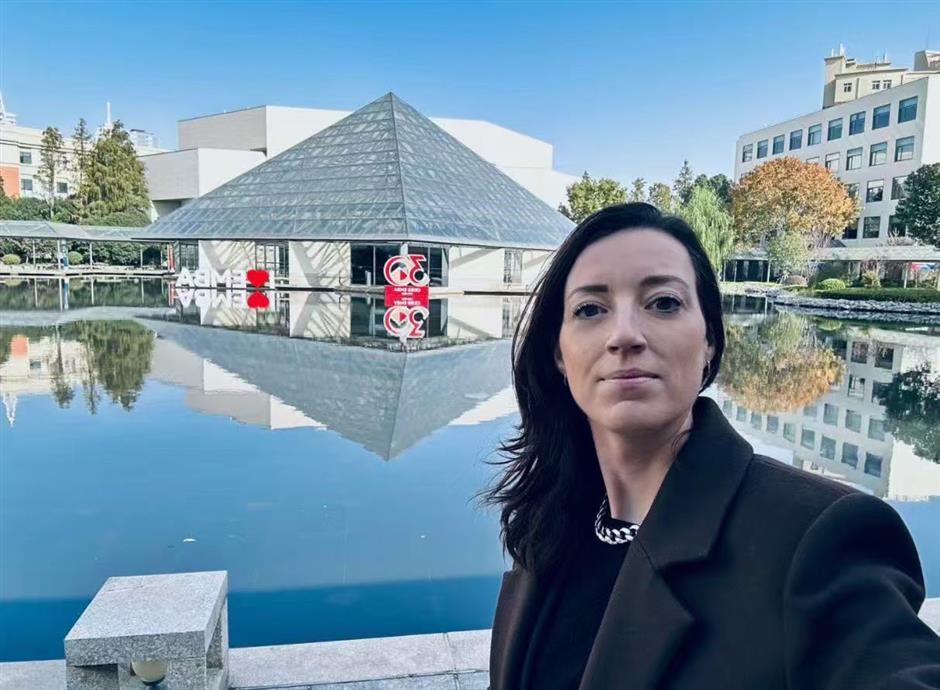
By the time I started Jibe, China had already been part of my life and career for many years. I had also completed a Global EMBA at China Europe International Business School (CEIBS), so this was not a decision made from the outside.
Shanghai was a natural choice to set up Jibe because business, culture, design, technology and everyday life constantly intersect here. A brand is experienced not only through advertising but also through retail, social platforms, events, communities, partnerships and the way it participates in culture.
Shanghai has also taught me never to stand still. Nothing feels fixed here. You have to stay alert, keep moving and remain open to what comes next.
What were you trying to bring to the community?
I wanted to bring a different kind of agency model to the whole industry – more focused, more senior and more connected to how brands are experienced today.
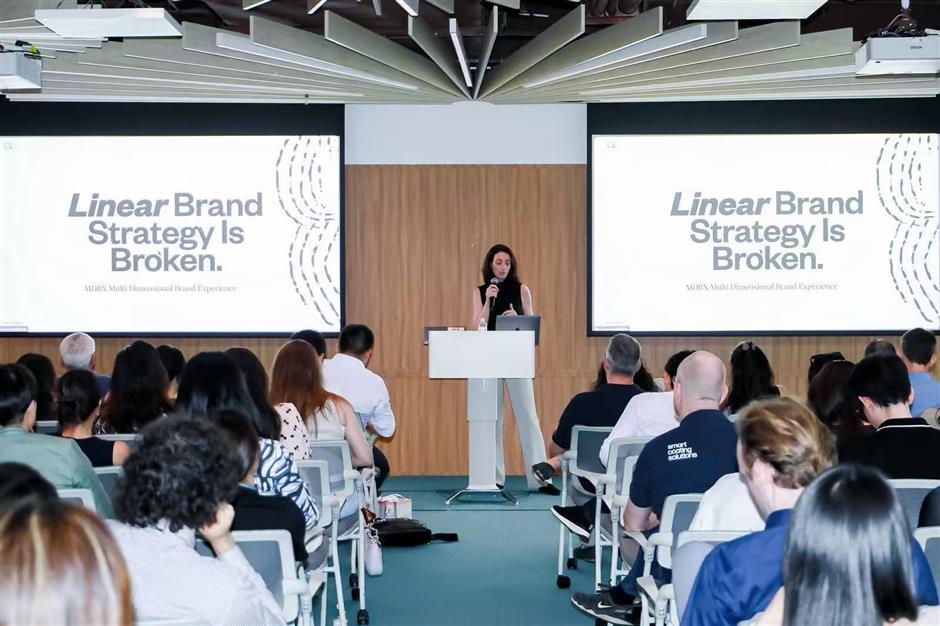
I also wanted to share ideas beyond client work. Through speaking, teaching and corporate programs, I've had opportunities to share my thinking around cultural branding, strategy and entrepreneurship. And I enjoy continuing to do that.
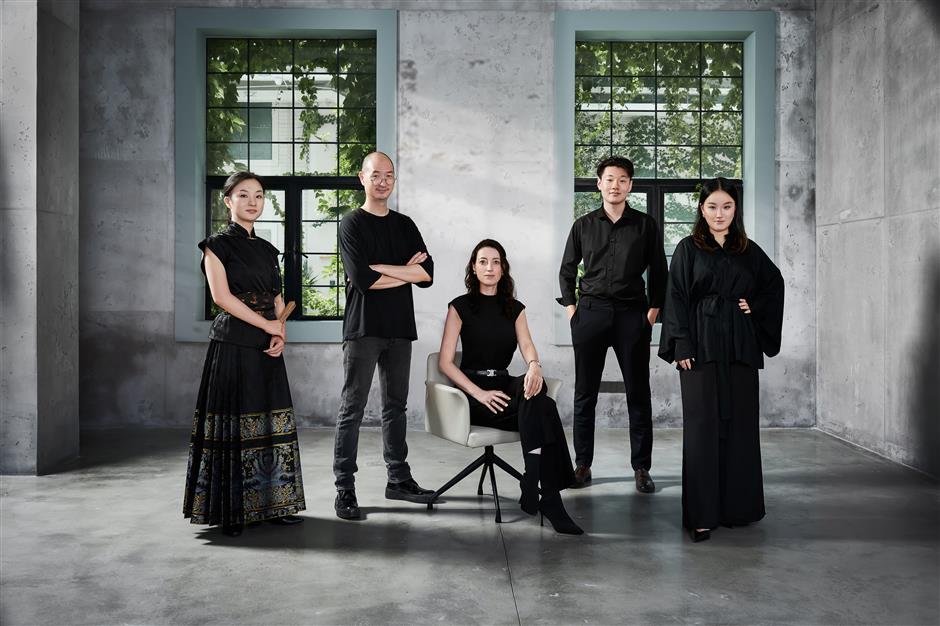
Jibe is multidisciplinary by design, bringing together strategists, designers, business analysts and experiential talent. For me, contributing to the community means building better brands, developing people and adding useful thinking to conversations around business, culture and creativity.
What are the biggest challenges of setting up a business here, and how do you stay motivated?
The most significant challenge is going against the grain. When I started Jibe, the market was complex, still recovering and some people questioned whether it was the right time. I had to stay very clear about the kind of work, clients and culture I wanted to build.
There is also constant pressure to take every opportunity and grow as quickly as possible. But meaningful growth requires selection.
I stay motivated by returning to the original vision and visualizing what we are building. You have to keep moving through the moments when people don't yet understand the power of your vision.
What was the moment that made you most proud of?
One of the most meaningful moments was seeing Jibe compete against much larger network agencies with bigger teams and more resources for the first time and win.
There is something sweet about being the underdog and proving that a small, senior team can compete at a global level.
But I'm equally proud of the team we are building. It's one thing to have a vision; it's another to build a team that shares it and makes it a reality.
What are you working on?
We are continuing to develop Jibe's Brand Gravity across different categories. The idea is simple: brands become stronger when they create pull across commerce, conversation, collaboration and community.
We're applying this thinking to sports platforms, mobility, consumer brands, retail experiences, cultural partnerships and broader brand transformation projects.
We also continue to evolve how we work with AI. It is changing what a small, experienced team can achieve, but for us, the final creative judgement still belongs to people.
Who is a female role model who inspires you?
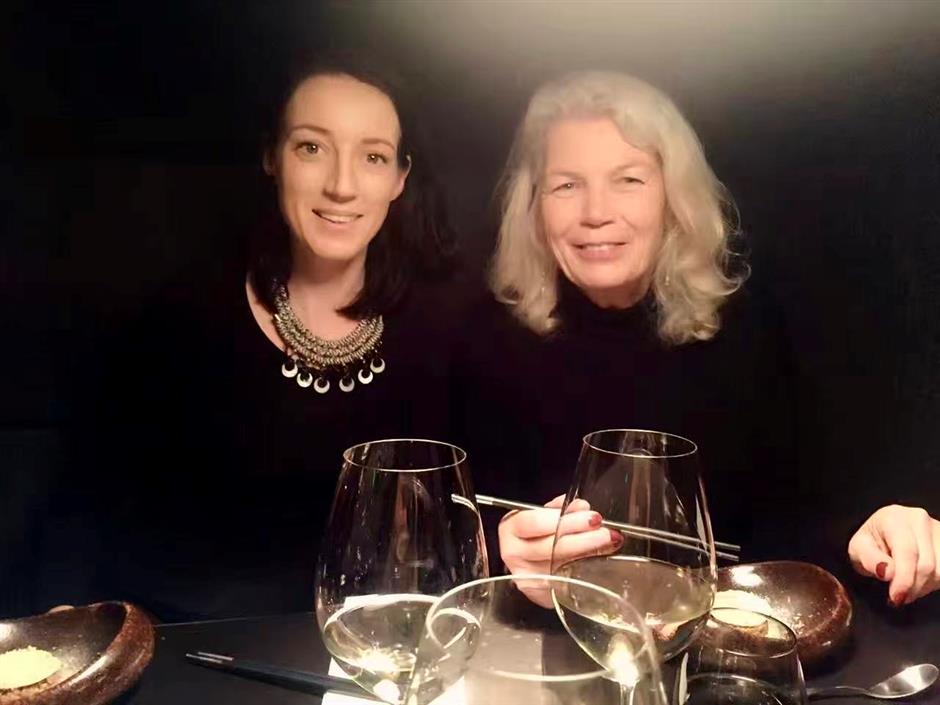
My mother. She is the strongest woman I know and taught me the importance of staying true to yourself.
There is a lot of pressure in business to follow the market, please other people or adjust your ambitions to what seems more acceptable. She taught me that you can listen to advice without losing your direction.
You move, change, adjust your sails, try, fail and start over, but you don't have to lose yourself in the process. That is something I carry with me every day.
Do you have any advice for women entrepreneurs?
Don't wait until you feel completely ready. You probably never will.
Build a strong perspective, surround yourself with people who are better than you in different areas, and stay open to learning. And be selective about what you say yes to.
There is often pressure on women entrepreneurs to prove themselves by accepting every opportunity and taking on every responsibility. But building something meaningful requires focus. Choose the work, people and partnerships that give you energy and move you toward the business you want to build.
And don't underestimate relationships. Many of the best opportunities come through trust built over time. You don't need to build everything alone, but you do need to be clear about what you are building.
Editor: Xu Qing
In Case You Missed It...
 Sep 22, 2026