From Corporate Leadership to Creative Community Builder
Elodie Abbé arrived in Shanghai in 1997 from France and quickly rose through Carrefour's ranks, helping shape its early expansion in China before starting her own consulting business. Three decades later, she continues to live in Shanghai, having founded two companies in two different eras. Elodie's work includes learning and development consulting, executive coaching, curating Nepalese handicrafts through her brand Indigo, and building community through creative markets in the city she has always believed in.
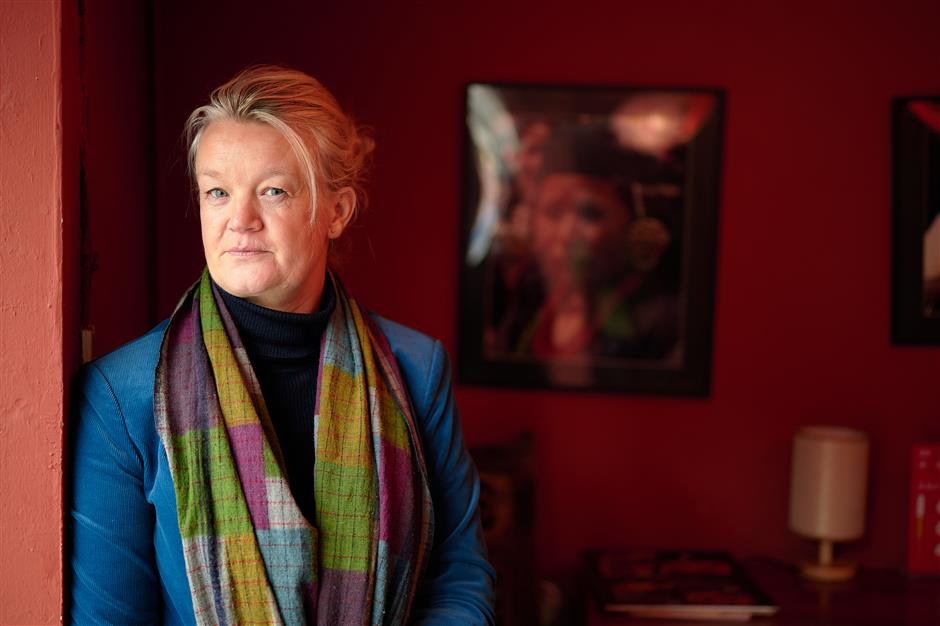
Before we talk about Abbe Roads, would you please introduce yourself?
My name is Elodie Abbé. I'm 52, from France, but have been in China since 1996. I came to study Chinese for a year in northern China. In October 1997, I moved to Shanghai, knowing no one, with just a suitcase and a determination to find a job. I had fallen in love with the city a few months earlier, and there was simply nowhere else in the world where I wanted to work.
I joined the French company Carrefour when it was planning to open its second store in Shanghai. Very quickly, my responsibilities expanded. After two years, I was promoted to Training Director for China, recruiting and training more than 6,000 employees per year. I stayed with the company for 10 years, managing major projects with significant responsibilities and an excellent expatriate package. At the time, it felt like a true success story.
In 2006, I decided to start my own consulting company. I wanted to remain in Shanghai, where I had met my husband, Kanchha, who is from Nepal and had opened a restaurant here.
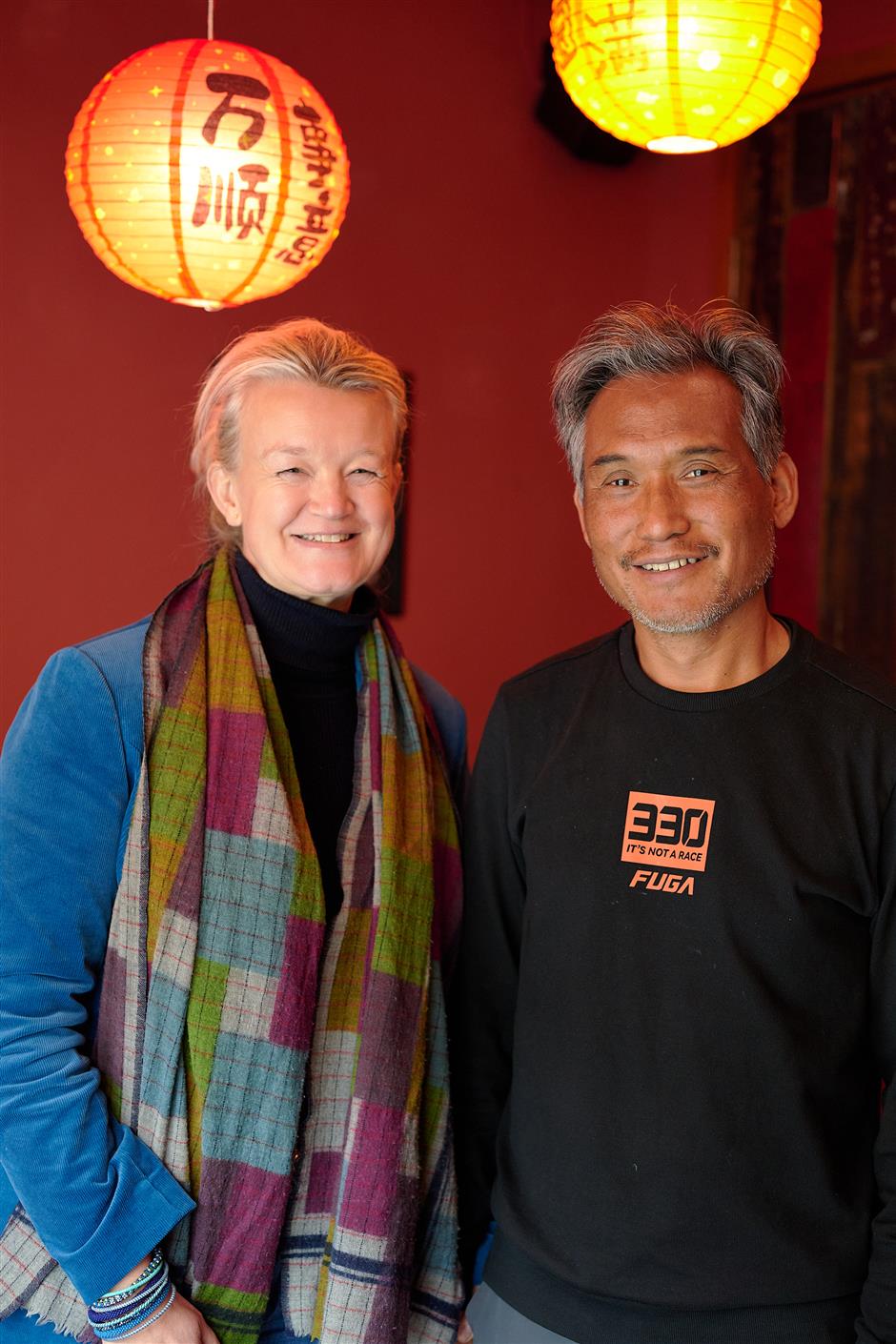
Why did you decide to strike out on your own and build a business here?
I created my company to have more flexibility and be present for my son. I knew that as an expatriate woman working in a demanding corporate environment, it would be difficult to raise him the way I wanted.
I began in the field I knew best: training. I supported major retail clients in setting up and improving their internal training systems. Soon, I was working with large Chinese companies on high-impact, large-scale projects.
In 2018, we decided to move back to France to be closer to my parents. I continued returning to China every three months to serve our businesses and clients – until the pandemic forced a pause between 2020 and 2023.
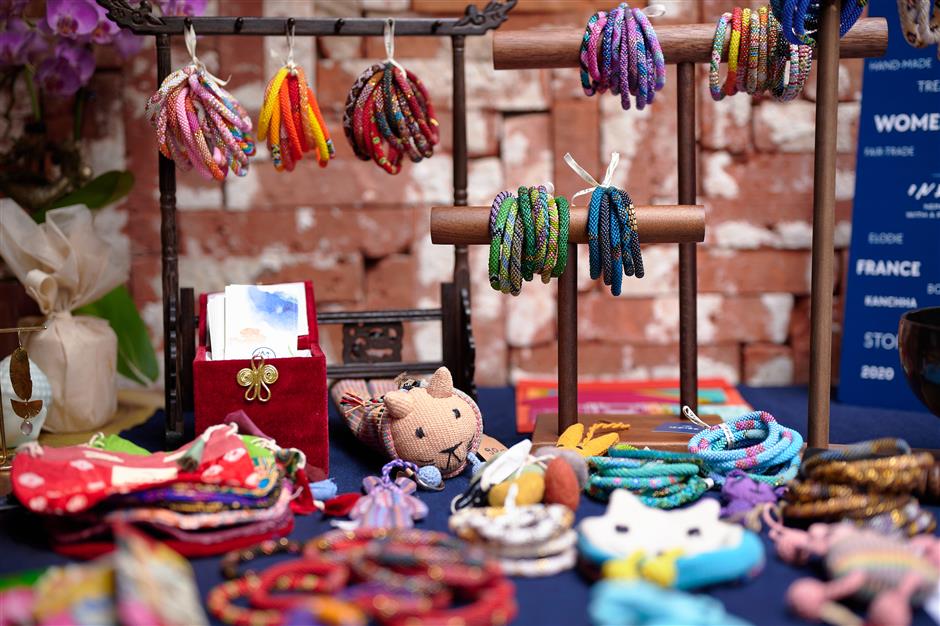
While in France, I trained as an executive coach. In 2020, I opened a small boutique called Indigo, selling fine handicrafts from Nepal and other carefully curated treasures from Asia.
We returned to Shanghai in 2024, and I founded a new company focused on learning and development consulting. I also expanded into two additional areas: executive coaching and craft through my brand, Indigo.
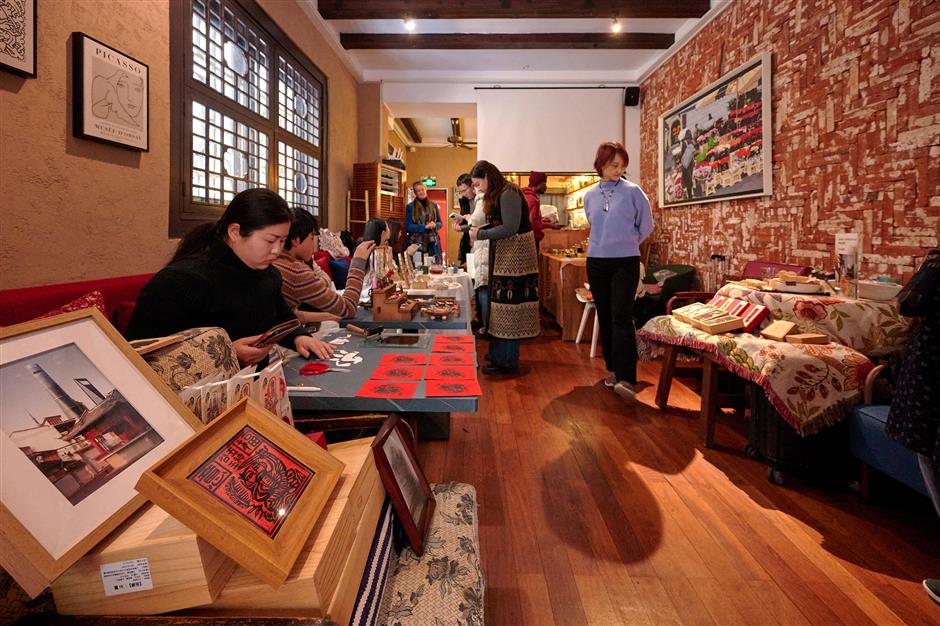
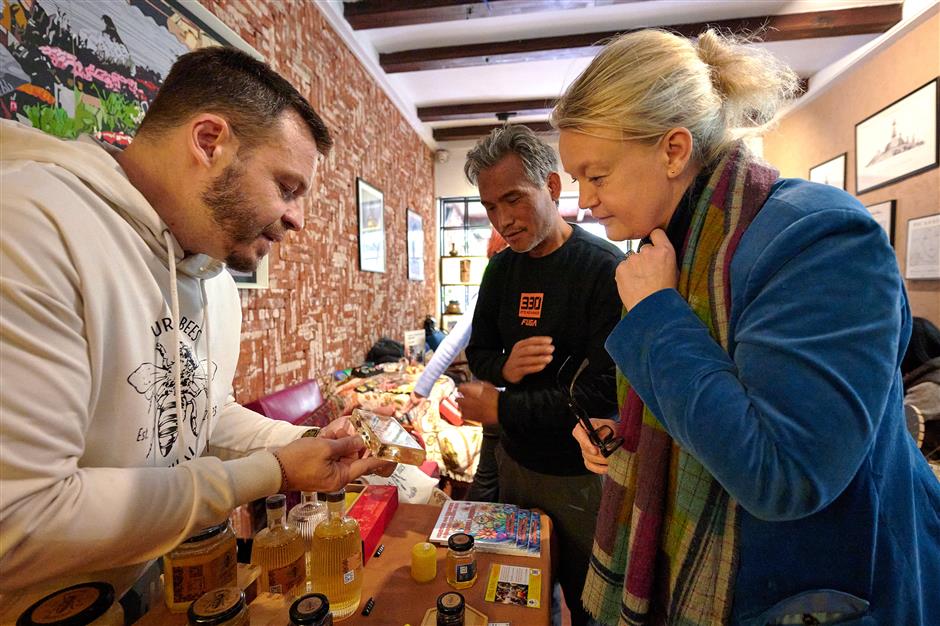
Over the past year, I have worked to bring together Shanghai's creative community by organizing monthly Creators Markets at Nepali Kitchen. These events gather both local and international creators, giving them visibility and fostering meaningful connections in a warm, intimate atmosphere. It is incredibly rewarding to see people connect and collaborate.
What makes Shanghai's business environment so remarkable?
I love everything about Shanghai – the dynamism, the energy, the creativity. I consider myself very fortunate to have built two companies here. The rules are clear, and the ecosystem is incredibly stimulating. Starting a company in 2023 is very different from doing so in 2007. Shanghai is home to me. I have spent more years here than in France.
What were you trying to bring to the local community?
With my first consulting company, I worked extensively with Chinese enterprises to improve their internal training systems. I have always seen myself as a bridge between Western and Chinese business cultures.
With my second company, my mission has evolved. I coach executives while integrating ancient Asian health traditions such as walking practices, Traditional Chinese medicine, qigong and sound healing – helping leaders reconnect mind and body. Through Indigo, I also collaborate with partners in Nepal who are dedicated to empowering and training women artisans. You could say that Nepalese craftsmanship has a French touch.
Ultimately, what I strive to bring is mutual understanding. In the past, foreigners came to China to teach; today, China inspires the world with its own best practices. I see my role as facilitating dialogue between these two worlds.
What are the biggest challenges setting up a business here?
The first challenge is finding the right people to ensure full compliance. Having spent nearly 30 years in China has helped me build trusted relationships.
The second is staying observant and adaptable. The environment evolves quickly, and agility is essential.
Another misconception about entrepreneurship is that it must be large-scale. Entrepreneurship can be small-scale as well – the challenges are similar.
One must also be prepared for a shift in social dynamics. People treat you differently when you work for a large, well-known corporation versus when you run your own company.
Above all, entrepreneurship requires constant learning – learning from others, not in a one-way direction.
How do you stay motivated?
I have never struggled with motivation in China. The environment itself is energizing. Returning for a second chapter in Shanghai feels like a gift – a second chance. I truly savor every moment.
What was the moment that made you proud?
I am proud when I bring people together and something meaningful emerges from that encounter.
I am proud of the deep friendships I have built in China. Some of the people I trained 25 years ago now hold senior leadership positions – and they remain close friends.
I admire the loyalty here, regardless of status. I feel especially proud when my Chinese friends tell me I have contributed to China's development over the years.
And above all, I am proud of my multicultural family and the values of mutual support we share.
What are you working on now?
I am focused on helping people understand each other better – through craft, executive coaching and education.
Who is the female role model who has inspired you?
That's a difficult question. I don't have a single role model. Many women around me inspire me, and I strive to learn from each of them. If I had to choose one, I would say that my mother is my role model. She gave my sister and me the desire to travel, to remain curious, and never to judge those who are different from us. She is my greatest inspiration.
Do you have any advice for women entrepreneurs?
Trust yourself. That has been the story of my life – I often think I am not capable until I actually do it.
Don't listen to people who try to discourage you.
Don't copy others.
Be yourself.
Stay agile – in both body and mind.
Resist the temptation to become a "know-it-all." Stay humble.
If you have a dream, go for it.
And perhaps most importantly – don't follow advice blindly, including mine!
Editor: Liu Xiaolin
In Case You Missed It...
![[Street Chic] How Shanghai Dressed in February](https://obj.shine.cn/files/2026/03/05/7e42a2e0-816e-46c6-8bc7-3915772bf142_0.jpg)
 Mar 5, 2026
![[Last Call] Salt Less Is Closing & I'm Still Thinking About The Rice](https://obj.shine.cn/files/2026/03/05/497607b8-c31e-42eb-a178-73d2e4a542fb_0.jpg)