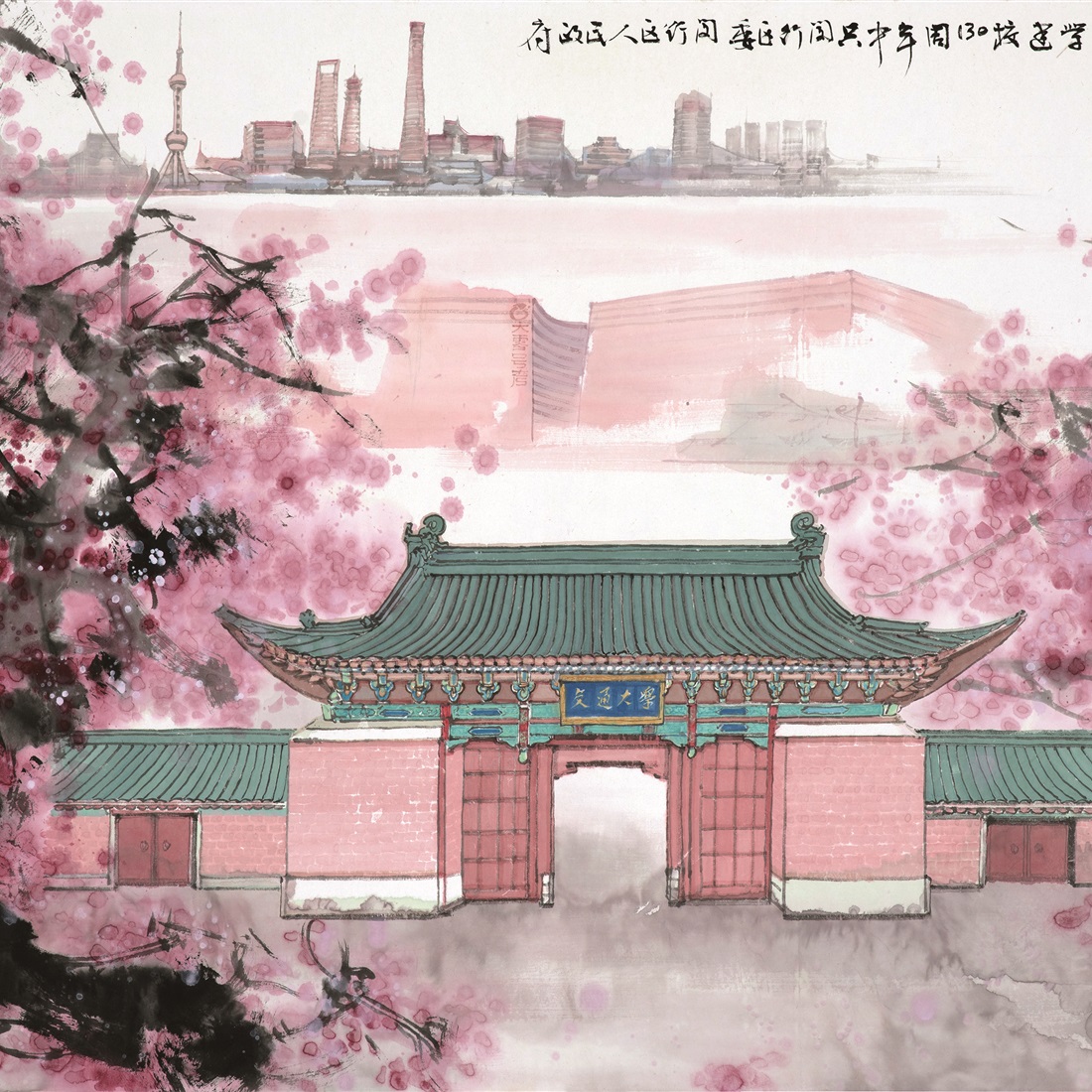
[ChinaMaxxing] The Weather We're Having Now Is Called Frost's Descent
ChinaMaxxing is our semi-regular column where we skip the TikTok performance and go deeper. We cover the cultural facts, figures, quirks, seasons, holidays and whatever else actually matters if you want to understand how to live here rather than just visit. Solar terms that dictate when you should eat what. Lunar festivals nobody explains. Hyperlocal Shanghai traditions that have nothing to do with the Bund. The stuff that separates people who actually live here from people who are still tourists. Come China Maxx with us.
The 18th of China's 24 solar terms and the last term of autumn, Shuang Jiang (霜降, shuāngjiàng) means "frost's descent." Historically, the name refers to conditions in northern China, particularly the Yellow River basin, where the first frosts traditionally arrive around this time of year.
In Shanghai right now, the closest approximation to frost is really cold morning dew and the arrival of stronger cold-air systems, not ice. The term does mark a seasonal transition that Shanghai experiences as cooler nights, larger day-night temperature differences, and occasional gusty cold fronts.
What it feels like right now
This year, Frost's Descent falls on Friday, October 23. Late October in Shanghai is usually one of the more comfortable stretches of the year, with daytime highs hovering around 20°C and nighttime temperatures in the low teens. Actual frost is unlikely, especially in the city's urban center.
What is noticeable is how quickly the days are shortening. By Shuang Jiang, Shanghai has lost over two hours of daylight since the summer solstice, with the average sunset happening around 5:15pm.
Things people do (or used to do) during this term
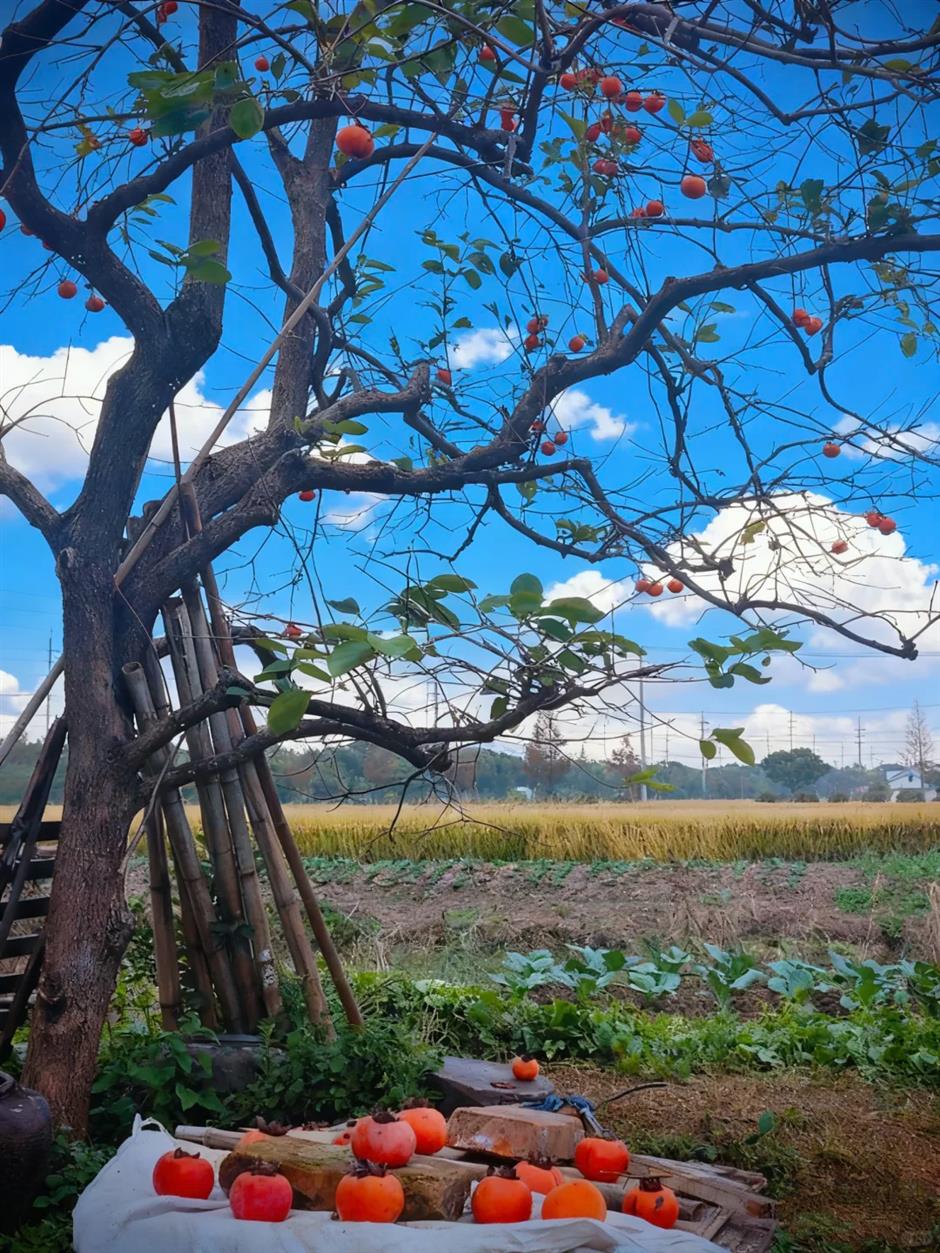
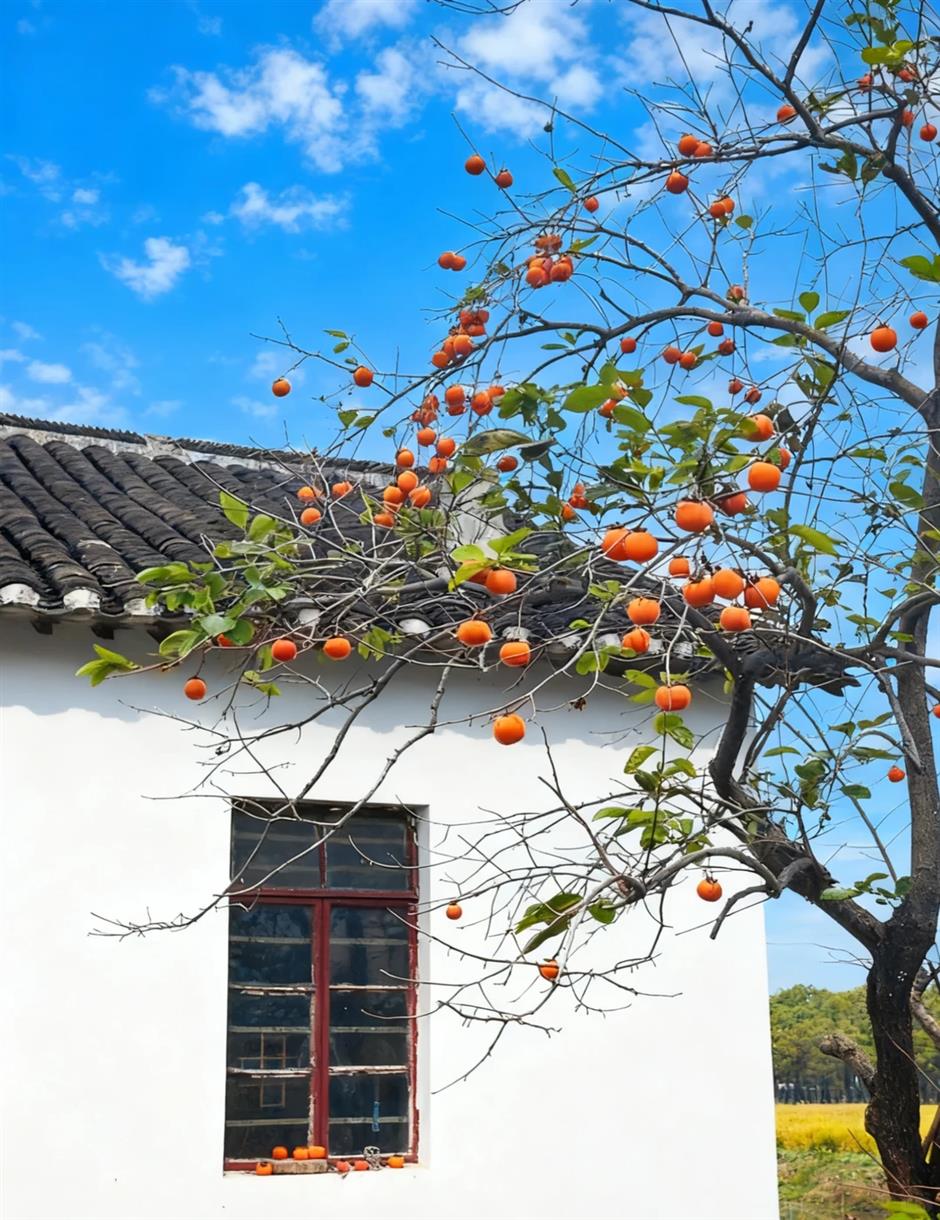
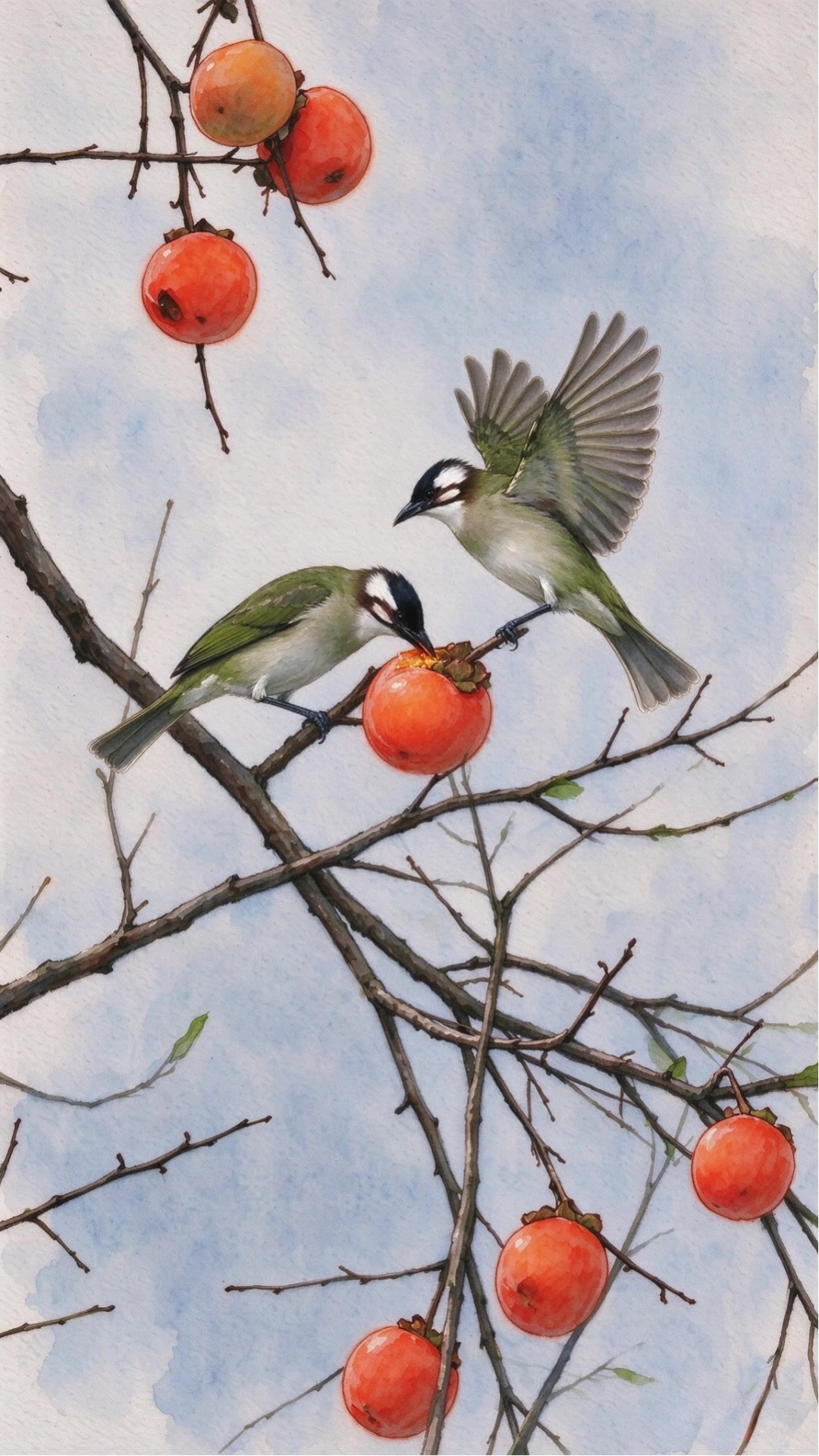
Drying persimmons: There's a saying that if you eat persimmons during Frost's Descent, then you won't get a runny nose. It's folk wisdom, but persimmons do tend to be at their best around this time – especially the soft, jelly-like varieties. They're also peeled and hung or laid out to dry into shibing (柿饼, shìbǐng).
Eating to prepare for winter: There's a custom of bu shuang jiang (补霜降), or taking nourishing foods during Frost's Descent. Regional traditions vary: duck is particularly associated with southern Fujian Province, while beef and mutton feature in other parts of China. The idea is to replenish the body before winter, traditionally with richer, more substantial meals.
Fighting quail: In Qing-dynasty Shanghai, Shuang Jiang marked the beginning of quail-fighting (斗鹌鹑, dòu ānchún) season. Owners carried their birds in embroidered pouches, sometimes with additional leather coverings to keep them warm, and tucked them inside their sleeves until it was time for a match. The birds were even given the grandiose title of "winter amusement generals."
What's in season
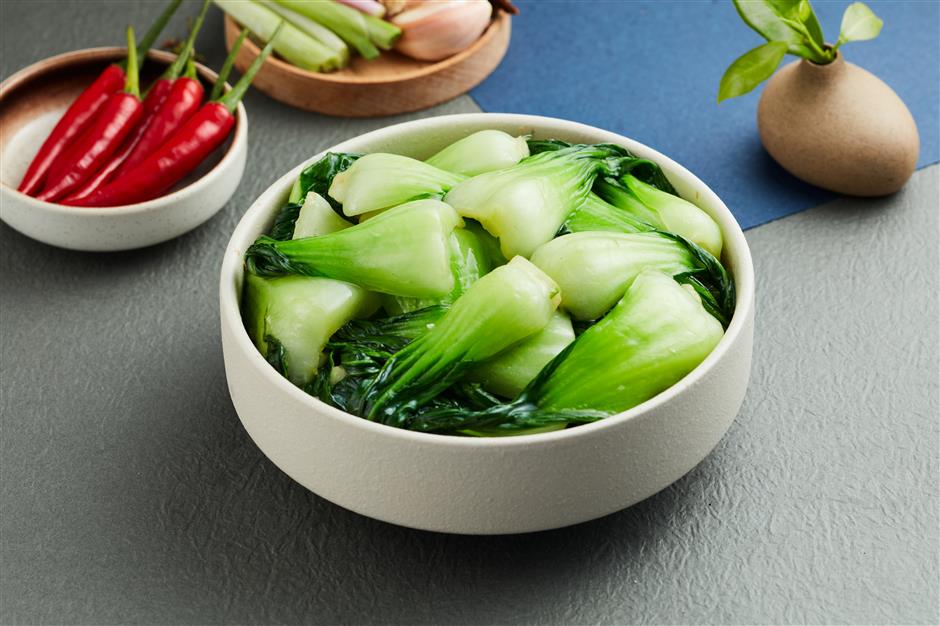
As temperatures fall, certain leafy greens and root vegetables accumulate sugars that help protect their cells against freezing, which also makes them taste sweeter. Shanghai's qingcai (青菜), or bok choy, is particularly good in the colder months.
Radishes are coming into season, too, along with the first mandarins. Pears are still in season, as are pomelos, which begin appearing in greater quantities as autumn progresses. Chestnuts are plentiful too, roasted in their shells or added to braised dishes.
Hairy crabs are at the hinge of the traditional "nine females, ten males" guideline. The ninth lunar month, when females are prized for their roe, runs through November 8 this year. The tenth begins the next day, when attention traditionally turns to the males and their rich, creamy gao (膏).
As mentioned, persimmons are at their peak, either crisp (eaten like apples) or astringent (puckery until jelly-soft). You might have heard they shouldn't be eaten with crab. Even the Ming-dynasty Compendium of Materia Medica warns against eating them in the same meal as crab.
Modern nutritionists say the concern is largely unfounded, however. The real risk comes from eating large quantities of unripe, highly astringent persimmons, whose tannins can cause digestive problems – so ripe persimmons and properly cooked crab are generally safe to eat together.
Editor: Fu Rong
In Case You Missed It...
 Oct 22, 2026