What Might We Be Driving This Year? A Peek at Ultra-Tech Cars
The landscape of China's new-energy vehicles market has undergone a profound transformation, coming to dealer showrooms this year. Amid forecasts that Chinese mainland auto market growth may slow in 2026, carmakers are rolling out new models to tempt even the pickiest consumers.
The most significant breakthroughs are in longer driving ranges and shorter charging times.
The widespread application of high-end power architecture is a key change. New 800V high-voltage platforms, which act as the vehicle's "digital valves," provide a smoother current flow for maximum energy efficiency, while making ultra-fast charging both highly efficient and safe. They are standard equipment on mainstream models priced at about 150,000 yuan (US$21,509), putting the new technology in reach of budget-minded buyers and easing once-held fears of running out of juice while driving. Ultra-fast charging makes it possible for small cars to recover 500 kilometers of range in just five minutes.
This is also an inaugural year for new battery technology as solid-state and semi-solid-state batteries enter the mass market. This technological leap will further push the upper limits of vehicle range beyond the 1,200-kilometer mark while enhancing thermal safety.
The revolution in vehicle hardware is matched by a revolution in smart driving technology.
New models are now hitting the streets with "hands-off, eyes-off" capabilities, though limited to operate only under specific conditions. Advanced intelligent driving is no longer a premium add-on but a survival baseline for any vehicle in the 150,000 yuan price bracket, transitioning from a luxury option to a core standard.
From AI-driven embodied robotics to the explosion of electric multi-purpose vehicles and rugged off-roaders, the 2026 fleet presents a smarter, more efficient and deeply personalized future for global transportation.
China Biz Buzz previews the vehicles that will likely capture consumer attention this year in the world's largest auto market.
Xiaomi YU9
Debut: April, at the Auto China 2026 in Beijing
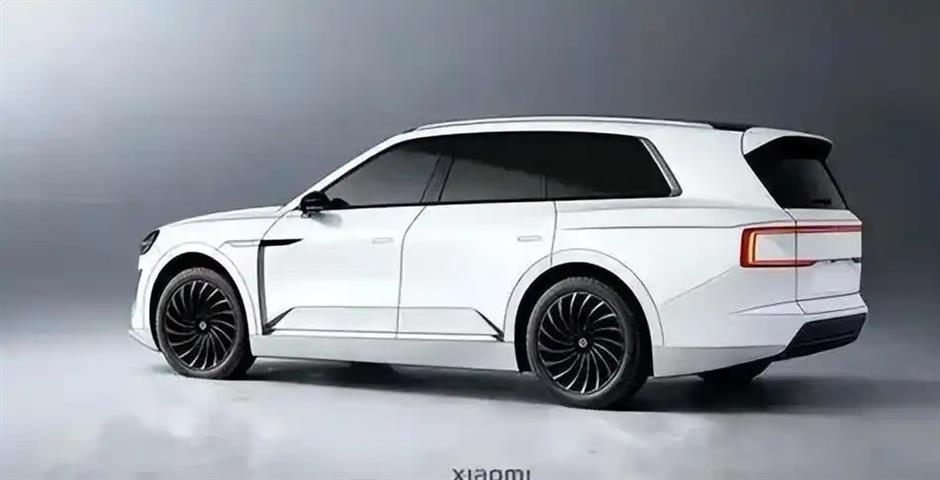
Xiaomi, which entered electric vehicle making with the popular YU7 SUV, has a new lineup this year. The Xiaomi YU9, internally code-named Kunlun, is a high-end 7-seater SUV expected to retail between 350,000-500,000 yuan.
The YU9 aims to eliminate "range anxiety" once and for all for users in colder climates where harsh winters in the past impeded the operation of electric car batteries and for long-distance travel. It features an efficient 1.5T engine that acts as a quiet onboard generator, converting fuel into electricity with 44.3 percent efficiency and promising a 1,600-kilometer driving range. Using a CATL battery, a motorist will be able to do a roundtrip from Shanghai to Beijing without a single charge or refueling stop.
The YU9 enters the full-size SUV segment with imposing dimensions – a length of 5.34 meters and a wheelbase of 3.1 meters. Unlike many SUVs where the third row is cramped, the YU9's flat roofline ensures that a 1.8-meter-tall passenger can sit comfortably in the back with ample headroom.
Tailored for families with two children and outdoor enthusiasts, the vehicle includes a T-shaped roof expansion slot for luggage boxes or bike racks. It's being promoted as the most comfortable way to enjoy off-road adventures or weekend camping trips.
Huawei Luxeed V9
Debut: Spring
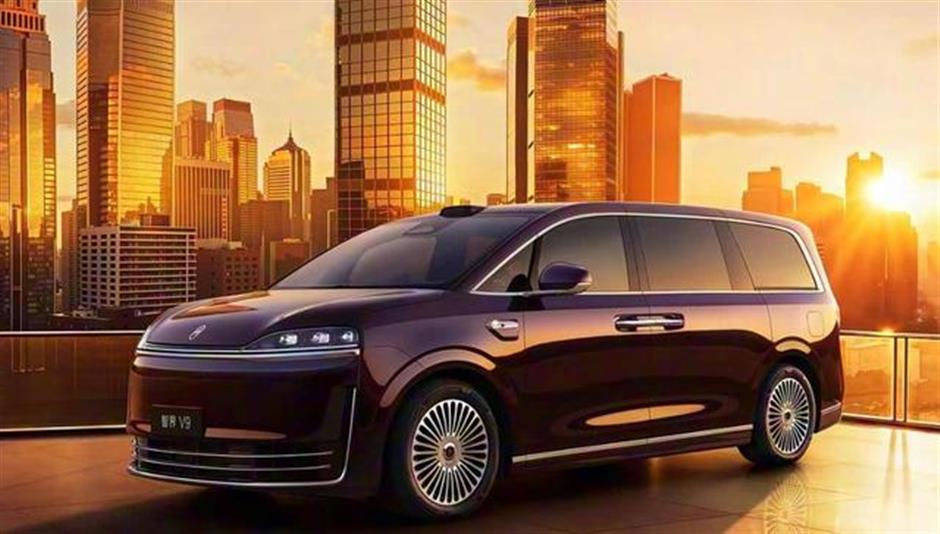
In the competitive landscape of high-end multi-purpose vehicles, Huawei's Luxeed V9 is hoping to set a new standard for intelligent driving, thanks to the integration of Huawei's Qiankun advanced driving system. This technology ensures the V9 stands out in its class, offering a sophisticated hardware suite that includes roof-mounted light detecting and ranging technology and a multi-sensor array.
The Qiankun system provides some high-speed driving assistance, allowing a vehicle to navigate complex road conditions with ease. Whether it is a pedestrian suddenly stepping into the street or a vehicle in front slamming on its brakes, the system is designed to make precise, split-second decisions.
Driving a hefty 5.3-meter multi-purpose vehicle can be a daunting task, but the Luxeed V9's smart features provide help for motorists. The system includes technology that assists in parking in crowded shopping malls or in residential compounds where spaces are tight.
At a recent press conference, Richard Yu, executive director of Huawei, said the "heavyweight new vehicle will surpass all flagship multi-purpose vehicles currently on the market."
Leapmotor D19
Debut: April
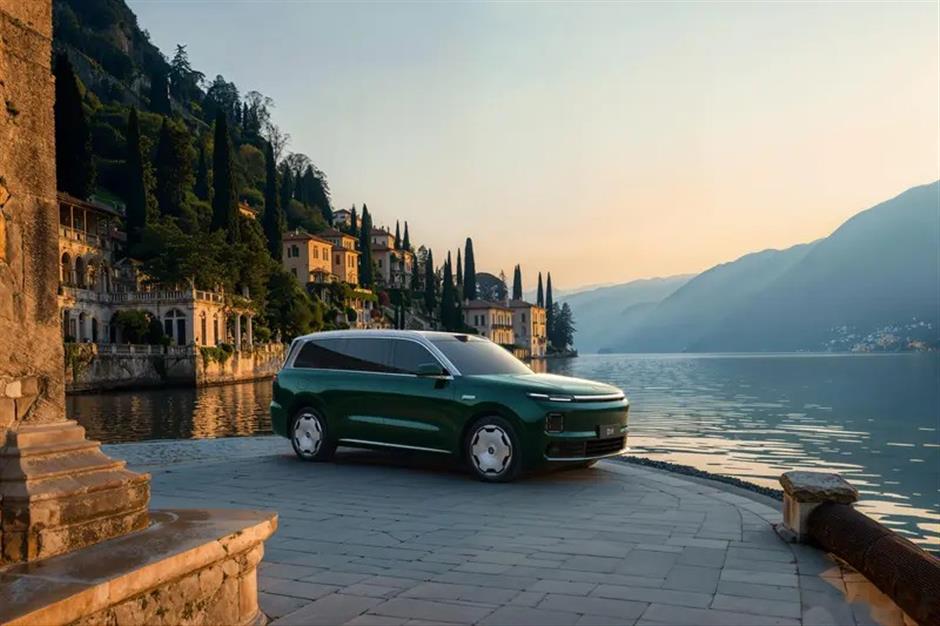
Leapmotor's D19 is designed to shake up the luxury SUV market by offering a 500,000-yuan driving experience for nearly half the price. With a sticker price at about 300,000 yuan, this SUV challenges rivals like the Li Auto L9 and AITO M9 brands by delivering premium specs without a premium markup.
As the flagship of Leapmotor's new D platform, the D19 is full of high-end hardware, including a 3.1-meter wheelbase, an advanced 800V high-voltage platform, and roof-mounted light detecting and ranging technology for superior intelligent driving. Beyond raw specs, it caters to outdoor enthusiasts with an industry-first onboard oxygen generator, delivering 8 liters per minute for high-altitude travel.
This luxury flagship represents Leapmotor's boldest move upmarket, combining "super range" extender technology with a spatial layout that rivals million-yuan vehicles.
BMW Neue Klasse iX3 NA6
Debut: Summer
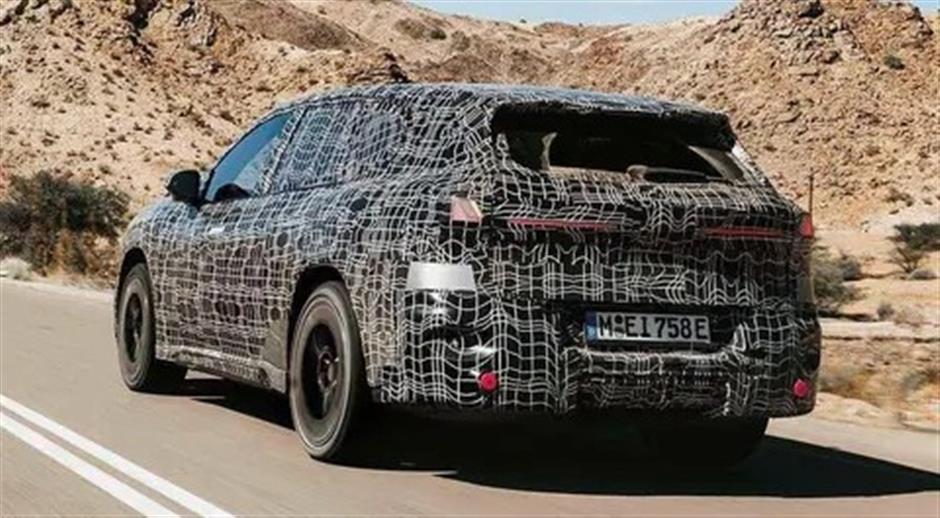
German luxury carmaker BMW is preparing a high-stakes counterattack on domestic rivals in China to stanch declines in mainland sales. The slump has forced the company into a digital and electric overhaul. It emerges as the Neue Klasse iX3 NA6, designed specifically for the Chinese market in a blend of German craftsmanship with Chinese smart technology.
Based on Neue Klasse architecture, an 800V platform and BMW's sixth-generation eDrive technology, the iX3 improves energy efficiency by 30 percent compared with previous models.
Priced between 400,000 and 550,000 yuan, it aims to dominate the premium electric SUV market through heavy localization. The model will use Huawei's HarmonyOS to ensure the digital cabin meets the high expectations of Chinese tech buffs, and an extended wheelbase directly addresses the local preference for comfortable rear seating.
Guangzhou Auto Hyper solid-state battery model
Debut: Summer possibly
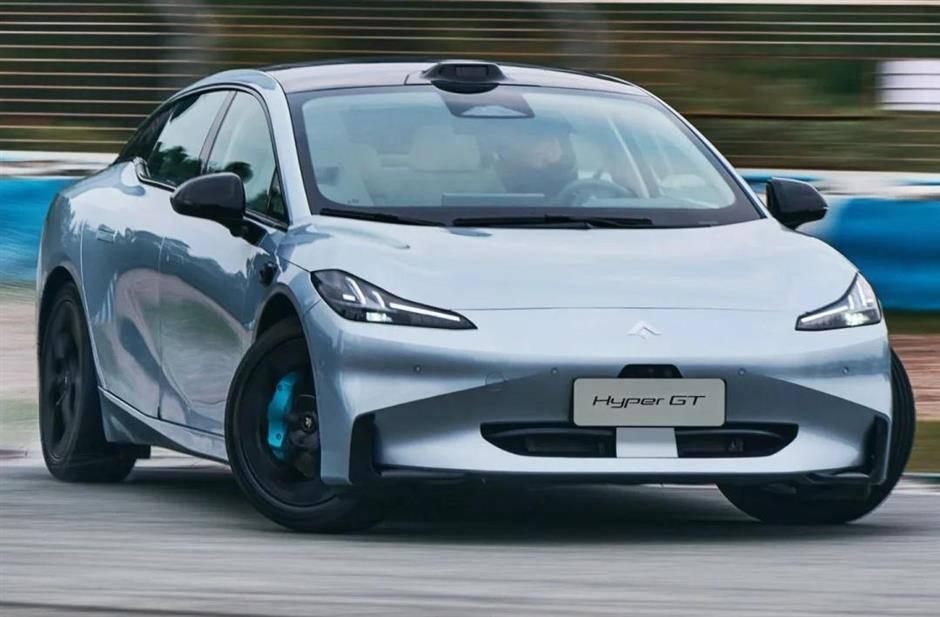
Guangzhou Auto (GAC) is gearing up to launch its "100 percent solid-state" battery model under the Hyper brand in 2026, creating an industry buzz of both excitement and skepticism.
Unlike the semi-solid batteries currently used by many brands, this technology eliminates flammable liquid electrolytes. The shift is expected to increase volumetric energy density by 52 percent, allowing a 1,000-kilometer range in a vehicle significantly lighter than current liquid-battery electric vehicles.
The biggest mystery is the price. Rumors hint at 200,000 yuan to compete with the Xiaomi SU7. However, given that manufacturing costs for all-solid-state cells remain roughly 400 percent higher than standard lithium-ion batteries, many believe the price may more likely be upwards of 400,000 yuan, positioning it as a luxury car rather than a mass-market disruptor. However, safety is the true winner here. Solid-state batteries will be able to function well at below freezing temperatures and even survive bullet-penetration tests.
In Case You Missed It...

 Jan 23, 2026