China's Automaking Juggernaut Pushes Into Europe, Shifting the Industrial Landscape
Europe's biggest carmakers once made big profits selling into the Chinese market. Now, the tables have turned as foreign car sales in China decline and China's automaking juggernaut moves into the continent.
The systemic causes behind the persistent weak performances are multifaceted – ranging from skyrocketing post-Iran war energy costs to localized demand slumps and the inherent labor reduction of EV manufacturing.
The German Association of the Automotive Industry warned last week that its industry could lose up to 225,000 jobs by 2035. The projected loss represents roughly 10 percent of the industry's entire workforce, compounding the 100,000 positions that have already vanished since 2019.
"The development is concerning and shows that Germany is facing a persistent crisis," said Hildegard Müller, association president.
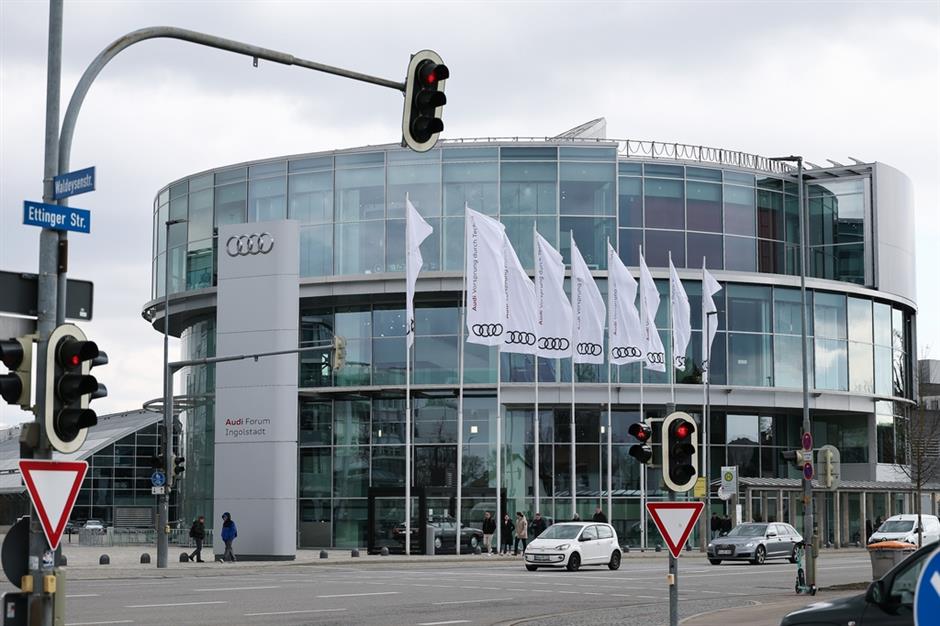
In March last year, Audi announced it will cut more than 7,500 jobs by 2029. This March, Volkswagen confirmed an overhaul that will eliminate 50,000 roles by 2030, and in May, Porsche announced it was shuttering non-core subsidiaries -- including its battery business Cellforce, software firm Cetitec and e-bike division – to eliminate over 500 direct jobs in a move that could eventually impact nearly 4,000 workers.
Japanese carmaker Nissan, too, is shrinking its European footprint. After reporting steep losses for its fiscal year ended March 31, it announced earlier this month that it will stop using one of its UK production lines and slash 900 jobs in Europe.
Nissan Chief Executive Ivan Espinosa said the company is considering manufacturing cars for other companies at its UK factory complex in Sunderland, amid talks with China automaker Chery.
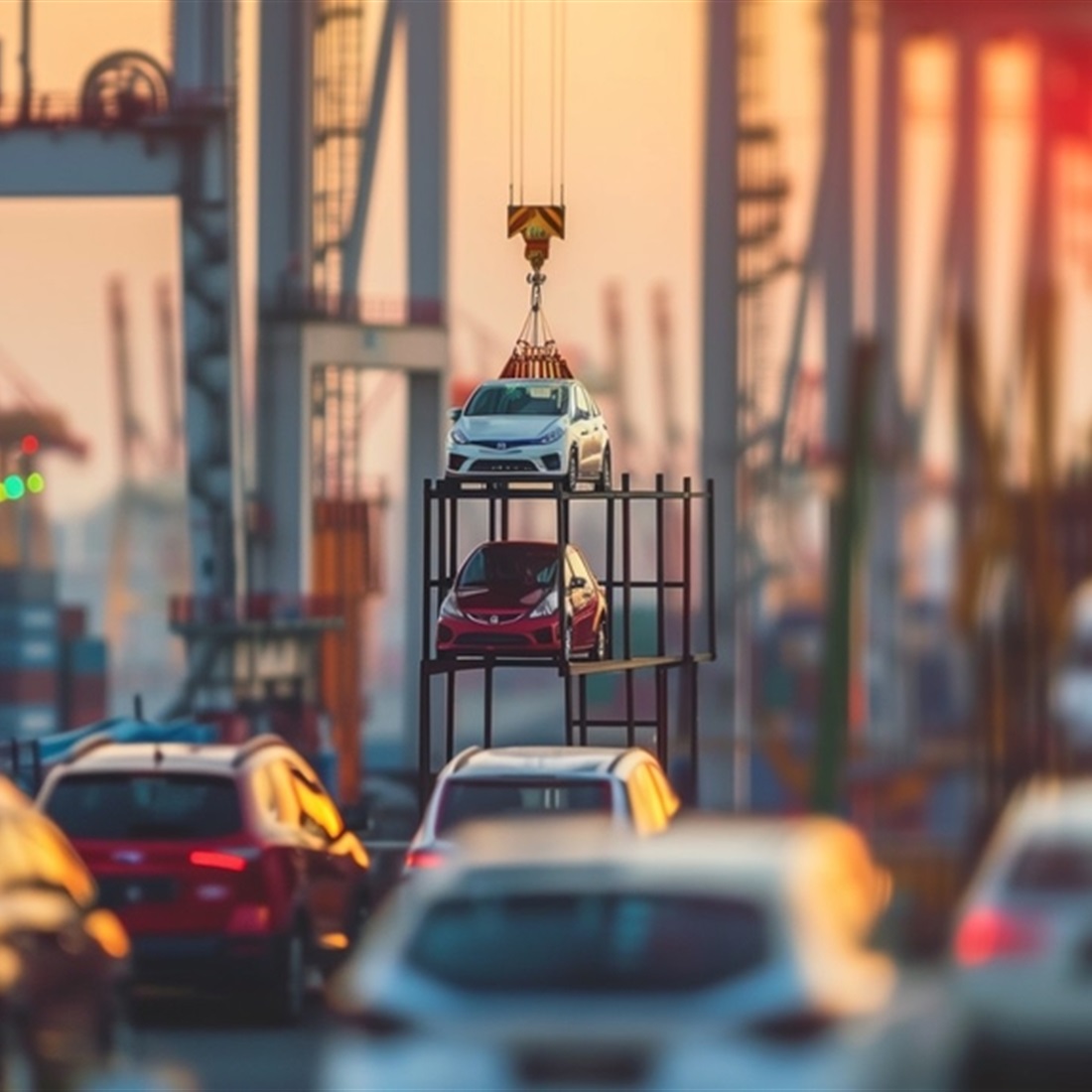
Therein lies the tale of Europe's carmaking industry. It is undergoing an unprecedented structural shift, fed by an aggressive push by Chinese carmakers into the market. This is no longer just about vehicle imports from China, but rather represents a full-scale transfer of technology, supply chains and manufacturing ecosystems to the continent.
Ford has reportedly held talks over sale of part of its plant in Valencia, Spain, to Chinese carmaker Geely, and Stellantis – owner of brands including Fiat, Peugeot and Vauxhall – announced last week it would build cars for Leapmotor at two factories in Spain.
China's BYD, the world's largest maker of electric cars, is negotiating with Stellantis and other European carmakers over potentially takeover of idled factories.
For decades, European automotive titans operated on a highly lucrative model. They relied on massive sales and outsized profit margins in the Chinese market to subsidize high research and development costs and expensive labor back home.
Today, that model has collapsed. As domestic Chinese brands like BYD, Geely, and Nio achieve world-class dominance in electrification and smart driving, European legacy automakers have seen their mainland market share and per-vehicle profits plummet.
This "profit bleed" has forced foreign auto giants to aggressively tighten their belts globally. The most immediate and effective tourniquet has been to slash high-paying jobs at European headquarters and domestic plants.
Adding fuel to the fire, European consumers are increasingly embracing the influx of China-made vehicles, which are often cheaper yet offer more advanced smart-driving features. In the first four months of this year, the European market share of Chinese-made electric vehicles rose to 22 percent from 19 percent in 2025.
Ironically, domestic European policies have sometimes accelerated this trend. When the German government reinstated an electric-vehicle purchasing subsidy of up to 6,000 euros (US$6,480) per family in January, it inadvertently triggered a massive surge in sales of Chinese electric imports, prodded in part by high oil prices from the Iran war. In the first quarter alone, China exported 39,181 new energy passenger vehicles to Germany, a nearly 351 percent explosion from a year earlier.
A similar narrative unfolded in the UK, which absorbed 74,840 Chinese electric vehicles in the first quarter, a 131 percent increase.
The most severe casualties of this transition go beyond automakers themselves to the supply chains that provide components.
"Those particularly affected are the suppliers because on the path from combustion engines to electric mobility, many jobs in the supply industry will be lost," German car association president Müller said.
Chinese automakers are successfully exporting their comprehensive supply chains, bringing giants like battery company CATL and Horizon Robotics into the European fold. To remain cost-competitive, European automakers are now increasingly sourcing their batteries, electric architectures and smart-driving solutions directly from China.
The consequences for local suppliers are dire. Last week Stellantis announced that a new pure-electric Opel C-SUV slated for production at its Zaragoza plant in Spain will utilize Chinese automaker Leapmotor's latest electrical architecture and battery technology.
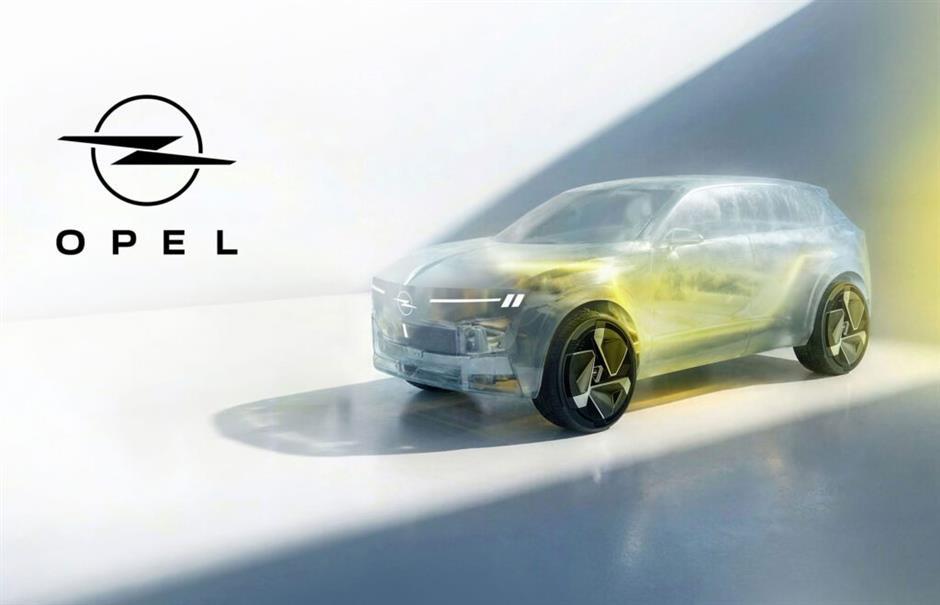
By leveraging the cost advantages of the "Chinese ecosystem," Stellantis said it hopes to salvage the profit margins of its European-made electric vehicles.
Similarly, after severe delays in its in-house software subsidiary Cariad, VW is leaning heavily into Chinese tech, utilizing Xpeng's China electrical architecture for all China-made pure electric vehicles this year.
Orders that would have historically gone to European auto-parts stalwarts like Bosch or Valeo are now being diverted to Chinese supply chains. As a result, Bosch has been forced to announce 13,000 job cuts, while Continental added 1,500 layoffs in its ContiTech division on top of a broader 10,000-person group reduction.
In an attempt to shield its auto industry, the EU has leaned on protectionist policies, hitting Chinese electric vehicles with additional import duties of up to 35 percent on top of the standard 10 percent tariff. In January, the EU and China established a price-framework undertaking that requires Chinese automakers to submit individual pricing commitments to avoid these steep duties, which is a bureaucratic tightrope that remains heavily bogged down in negotiations.
However, tariffs are proving to be a double-edged sword. Rather than locking Chinese automakers out of the market, they are forcing Chinese carmakers to accelerate their moves to set up manufacturing in Europe.
For instance, Chery is breathing new life into Nissan's abandoned Barcelona plant, with trial production beginning this year, while BYD is advancing its passenger car plant in Szeged, Hungary, aiming for mass production by in the middle of the year.
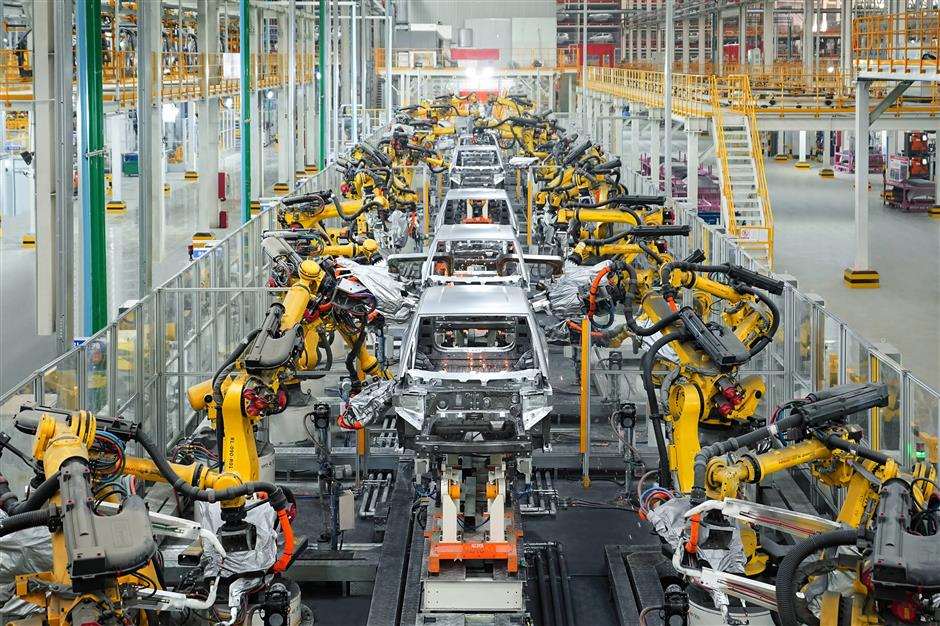
While salvaging abandoned factories preserves thousands of local jobs, it does not fully solve the broader industry crisis. Chinese-operated plants boast exceptionally high automation rates. Furthermore, early phases of construction and operation heavily rely on engineers and workers from China.
Consequently, the employment "multiplier effect" for local workforces is significantly lower than when European automakers open new facilities. And because these plants are fed by established Chinese supply networks, European parts manufacturers remain largely locked out of the market for high-value core components.
A protectionist trade war cannot reverse structural inefficiencies. If the European auto industry is to survive and preserve its workforce, it must confront its own internal problems.
"It is all the more important that we try to preserve jobs in the future despite these major transformations," Müller told China Radio International in Beijing. "We need to work even more on our own competitiveness in Germany and Europe; we need to become faster. We need to lower costs – whether energy, taxes or levies – and above all, we need much less bureaucracy so that innovations can quickly reach the market."
Ultimately, she added, isolation is not a viable business strategy and survival hinges on pragmatic cooperation rather than combative decoupling.
"We can use their strengths to further develop cars in Europe, and they can use our strengths to make cars safer here, to avoid accidents and more," she said. "These are all points where companies can offer customers a better deal through cooperation."
For Europe's automotive sector, the next decade will be defined by its ability to integrate the realities of the new global car ecosystem while urgently reforming its own domestic economic environment. The alternative is thousands more empty factory floors and heavier job losses in a permanent reshaping of the European industrial landscape.
Editor: Yao Minji
In Case You Missed It...
 Sep 23, 2026