Rx for Medical AI: Saves Time on Mundane Tasks, Poor Substitute for Doctors
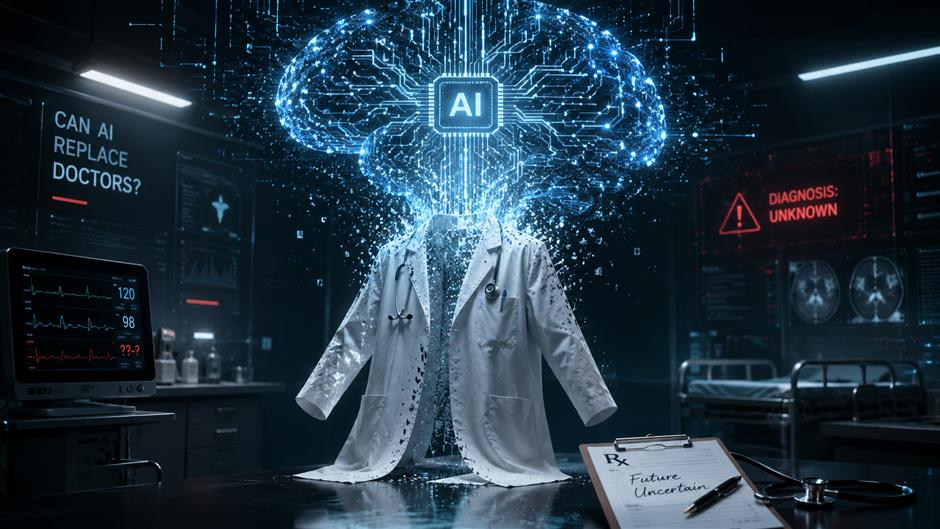
For years, medical artificial intelligence has been shadowed by a blunt question: Will algorithms replace doctors?
In China, a new physician survey points to a different reality. Doctors are not avoiding AI. They are using it widely but mostly on terms that keep final medical decisions in human hands.
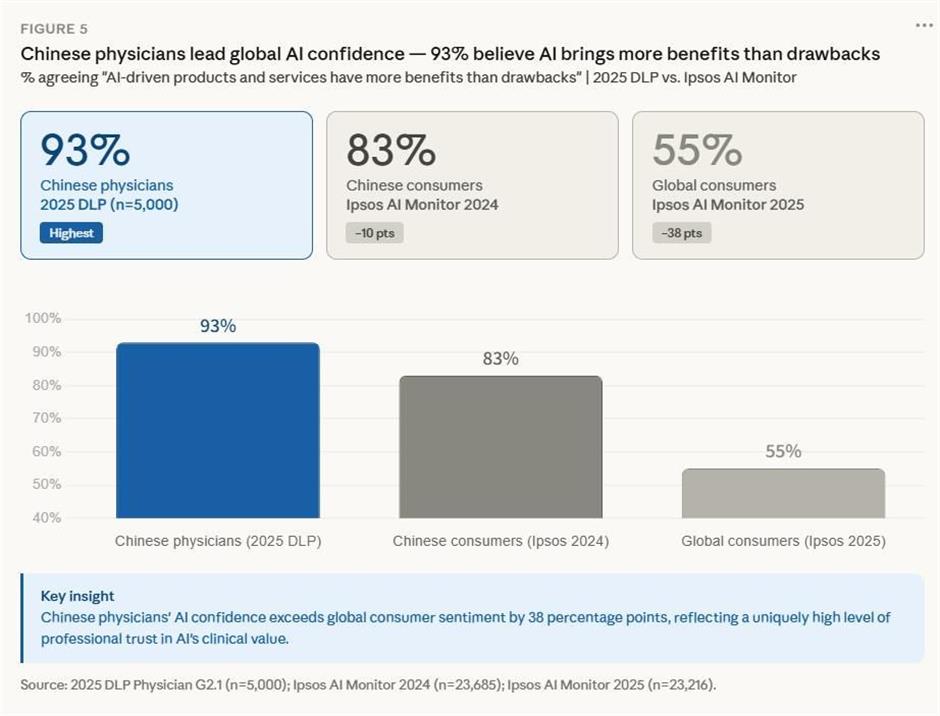
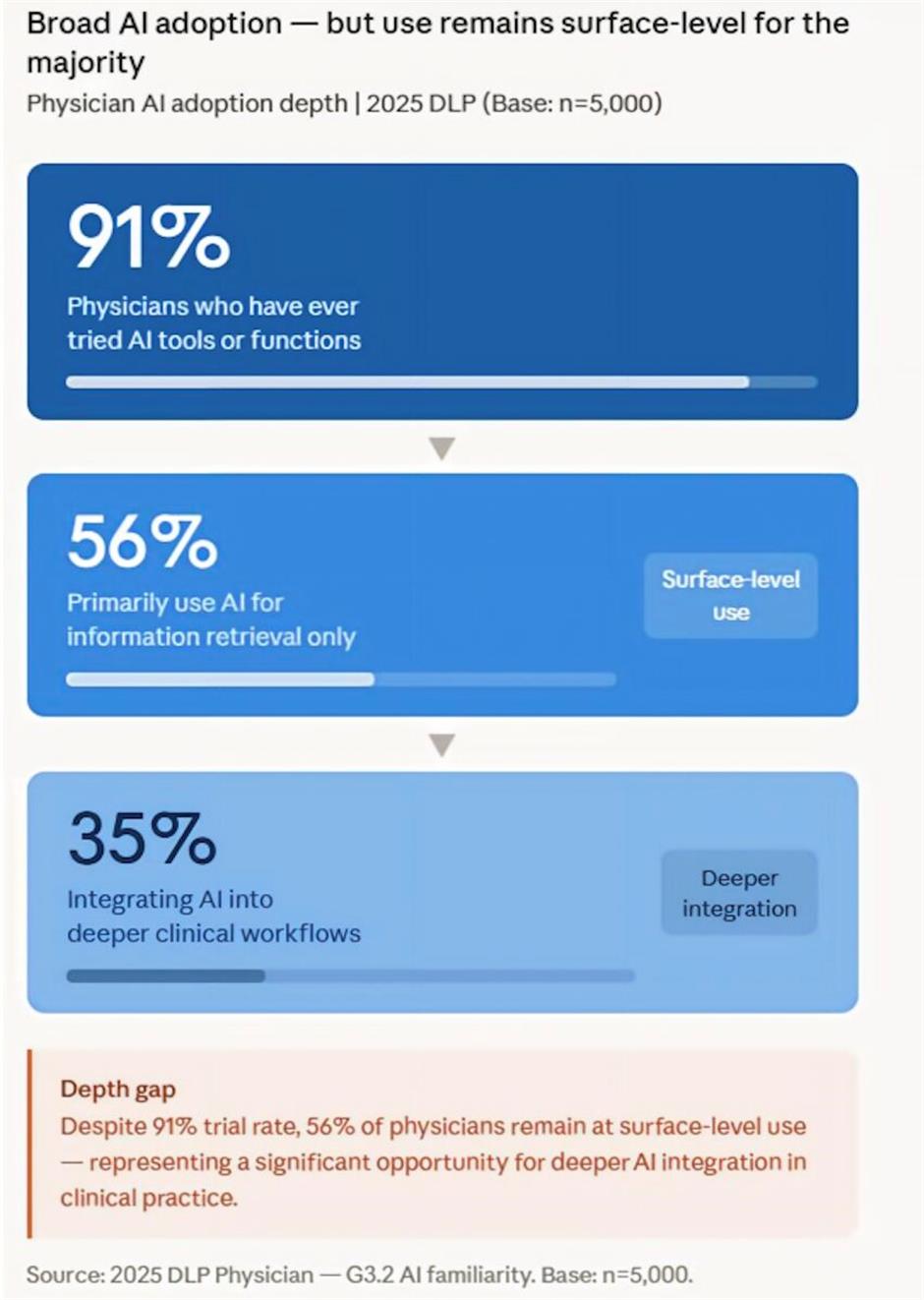
The 2025 China Digital Life Physician study, based on a nationwide survey of 5,000 doctors across more than 360 cities, 2,200 medical institutions and 30 clinical departments, found that 91 percent of physicians had used or were familiar with AI tools, while 93 percent said AI-driven products and services brought more benefits than drawbacks. The study was conducted on the Gooddr platform, which says it has more than 4.6 million verified registered physicians in China.
But the findings also show the limits of AI adoption. The harder hurdle is whether AI can move from doctors' phones into the formal systems where diagnoses are made, records are written and treatment decisions are reviewed.
"The bottleneck is not attitude, but the institutionalization of trust," said Li Zheng, vice chair of the China Pharmaceutical Market Research Association, vice president of Gooddr and the lead researcher of the study.
Doctors can use Doubao or DeepSeek to search for information with almost no barrier, Li said. But once AI enters diagnosis, treatment or hospital workflows, it must clear four hurdles: clinical validation, access to hospital information and imaging systems, responsibility allocation, and hospital management procedures.
That helps explain why doctors can be enthusiastic about AI without wanting to surrender authority to it.
In the survey, 83 percent of respondents agreed that AI is a powerful assistant but said final diagnosis and treatment decisions should remain with doctors. Seventy-nine percent said AI would improve healthcare quality and efficiency without diminishing the professional value of physicians. Sixty-eight percent said they expect AI to change the way they work within five years, while 40 percent believed it would replace their current work.
Dr Zhang Zhihan, an attending pathologist at Ruijin Hospital, said the change is already visible in pathology.
"AI is on the night shift," he said. "By the time doctors arrive the next morning, many cases have already been analyzed. The initial review can now take one to two minutes." In his department, he said, surgical pathology reports that previously took seven to 10 working days can now be delivered in about three to four working since AI was adopted.
For Gooddr's Li, the data shows that doctors are not rejecting AI; they are defining its place.
AI is being accepted first in the parts of medicine treatment process where outputs are easier to check: information gathering, documentation, image pre-screening, patient education and follow-up. It is less welcome where judgment, responsibility and patient trust converge.
Li described the divide as one between the "information and execution" layers of the process and the "judgment and responsibility" layers.
"The former can increasingly be supported by AI," she said. "The latter remains the physician's final domain."
That is why the first wave of deeper AI use is emerging in tasks with clearer boundaries, such as assisted reading of medical images and lab results, automated medical-record generation and structured patient management and follow-up. These tasks are standardized enough for doctors to review and narrow enough to fit into hospital quality-control systems.
For now, much of AI's impact is more prosaic than revolutionary. It is not replacing doctors. It is starting to replace some of the repetitive cognitive work around them.
Current AI use remains concentrated in information searches, content generation and literature retrieval, Li said. But she said those tasks should not be dismissed as superficial because doctors spend large amounts of professional time searching medical knowledge, reading papers and drafting documents.
The result is not yet a clean saving of doctors' time. Li calls it "time substitution." AI reduces some low-value searching, but doctors still need to check outputs, verify sources and correct mistakes. Search is being replaced by review.
The study also challenges the assumption that medical AI will spread through China's health system the way expensive medical equipment has. CT scanners, surgical robots and other capital-intensive technologies tend to appear first in large urban hospitals. General AI tools are different. They are cheap, accessible and already on doctors' phones.
That may help explain one of the study's more striking findings: Doctors in lower-tier cities reported higher AI familiarity than those in top-tier cities, rising from 89 percent in top-tier cities to 97 percent in lower-tier cities.
The finding might not be read as evidence that lower-tier doctors are more technologically advanced. Rather, they may have fewer alternatives. "Where expert networks, multidisciplinary consultations and specialist resources are thinner, AI can become a readily available second opinion," Li said.
In major hospitals, AI may start as an efficiency tool. In lower-resource settings, it may function more as a capability supplement.
Broader access, however, raises a harder question: What kind of AI can doctors trust? Tools such as Doubao and DeepSeek can help doctors search literature, draft documents or turn complex medical information into patient-friendly language. But high-risk clinical decisions require a different threshold.
"If the AI output directly changes how a specific patient is treated, it must be a regulated, medically trained and clinically validated system," Li said.
The weakness of general models, she said, is not simply knowledge. It is control.
"They can produce confident errors," she explained. "They may sound professional, but the answer can be outdated, misplaced or impossible to trace."
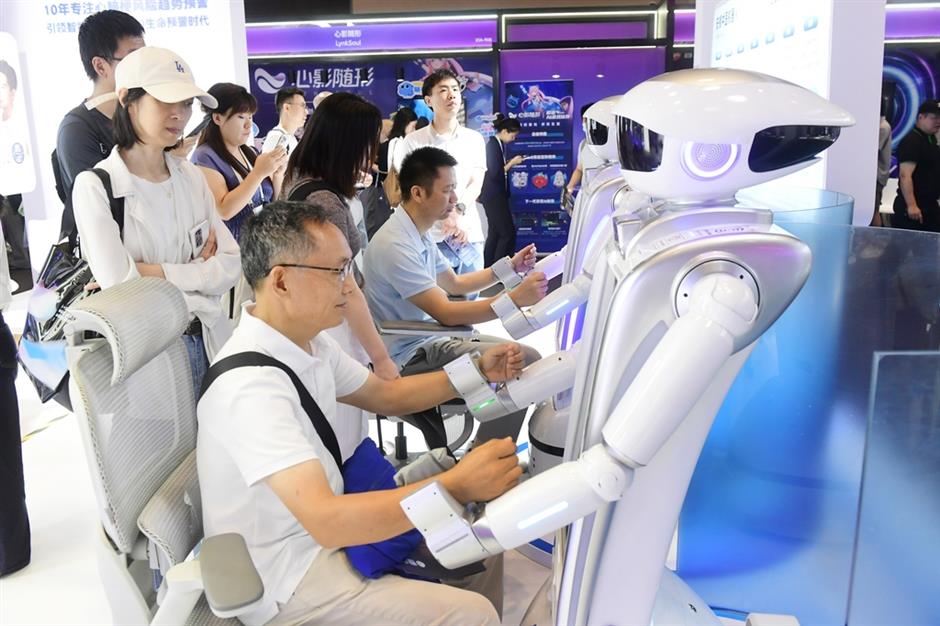
That is why the next commercial race may not be about who has the largest model. It may be about who owns the clinical workflow.
For drugmakers, that shift could be significant. AI disease-management platforms may move competition from "product versus product" to "pathway versus pathway."
"When screening, diagnosis, follow-up and adherence are all organized through one AI-enabled disease pathway, the drug is selected inside that pathway," Li said.
That opens a new role for pharmaceutical companies, but also a new compliance risk. A disease-management platform can help patients stay on treatment and generate real-world evidence. It can also become a disguised promotional tool if its recommendations favor a sponsor's own drug.
"The dividing line is simple," Li said. "Is the algorithm optimizing for patient outcomes, or for prescriptions?"
AI recommendations, she said, must be based on guidelines and evidence, fairly cover standard treatment options, keep patient data tied to care rather than marketing, and separate physician decision support from product promotion.
Editor: Liu Qi
In Case You Missed It...
 Jul 29, 2026

Popular Reads

Doctors Warn Straw Cups Can Harbor Mold, Bacteria If Not Cleaned Properly

China's Micro-Short Dramas Go Global: The US$18b Engine Driving Cultural Exports at ChinaJoy 2026

Italian Airport Staffer Stuns Chinese Travelers with Perfect Beijing Accent