Doctors Warn Straw Cups Can Harbor Mold, Bacteria If Not Cleaned Properly
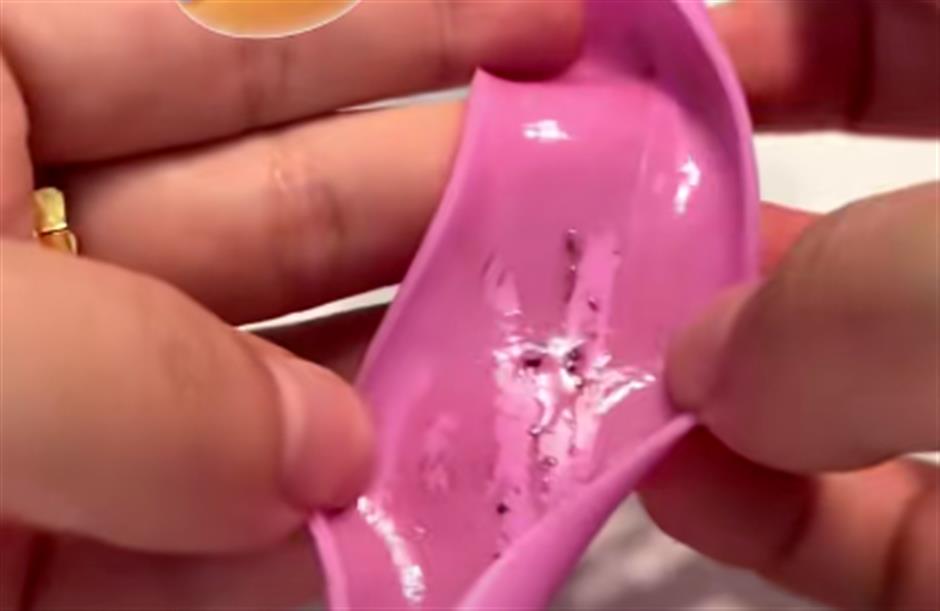
Doctors in China are warning that reusable straw cups can become breeding grounds for bacteria and mold if they are not cleaned thoroughly, after a Beijing parent reportedly traced a child’s diarrhea and cough to mold inside a drinking cup.
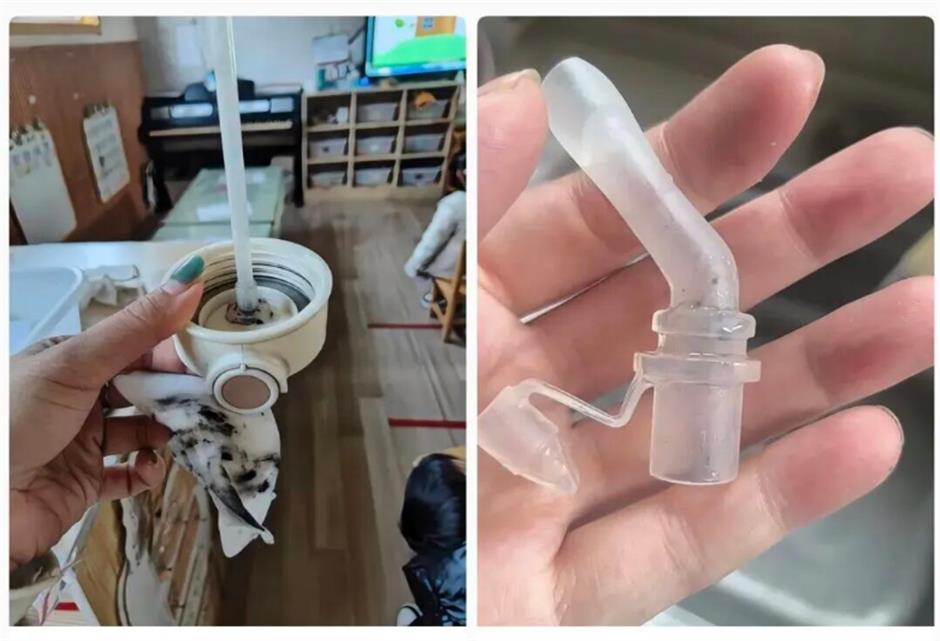
The child, from Beijing’s Chaoyang District, had been suffering from persistent diarrhea and coughing. The family later found that although the cup was rinsed every day, mold had built up inside the narrow straw and around the connection between the straw and the cup, People's Daily reported yesterday.
The case has drawn attention online, with many users saying they had found similar residue in their own straw cups, especially during the summer.
Zhao Lei, deputy director of the infectious disease department at Union Hospital affiliated with Tongji Medical College of Huazhong University of Science and Technology, said straw cups have more cleaning blind spots than many people realize.
Unlike ordinary open cups, straw cups often have narrow internal tubes, bends, bite valves, silicone seals and gravity balls that create hard-to-reach areas. They also tend to stay damp for long periods, providing conditions for microorganisms to grow.
Zhao said saliva, food debris and oral bacteria can flow back into the straw each time a person drinks. Over time, they can form a slippery biofilm on the inner wall of the straw, causing stickiness and odors. In hot and humid weather, a closed and moist cup can become an ideal environment for microbial growth.
Common microorganisms found inside poorly cleaned straw cups may include intestinal pathogens such as E. coli and Staphylococcus aureus, which can cause abdominal pain, diarrhea and nausea if swallowed. Mold such as Aspergillus and Penicillium may also release spores that can irritate the respiratory tract and trigger coughing, sneezing, nasal congestion or breathing difficulties.
Doctors also warned that drinks other than plain water can increase the risk. Protein powder and dairy products can stick to the straw wall and spoil quickly at room temperature. Milk tea and sugary drinks can feed bacteria, while lemon water and juice may leave behind sugar and acid that promote microbial growth and age silicone parts. Coffee oils and caffeine residue can also cling to the straw and cause odors.
Experts recommend washing straw cups immediately after use and deep-cleaning them at least once a week. All parts, including the straw, bite valve, silicone seals and gravity ball, should be removed and scrubbed with a dedicated straw brush. Stubborn residue can be soaked in diluted white vinegar or baking soda solution for 20 to 30 minutes before brushing.
Silicone parts can be boiled for 3 to 5 minutes for disinfection, while plastic parts should be washed with warm water and food-grade detergent to avoid heat damage. All components should be fully air-dried before reassembly.
Straws and silicone seals should be replaced every three to six months, or sooner if they become discolored or develop an odor.
Editor: Wang Qingchu
In Case You Missed It...

 Aug 4, 2026


Popular Reads
Doctors Warn Straw Cups Can Harbor Mold, Bacteria If Not Cleaned Properly

China's Micro-Short Dramas Go Global: The US$18b Engine Driving Cultural Exports at ChinaJoy 2026

Italian Airport Staffer Stuns Chinese Travelers with Perfect Beijing Accent