How I Found China's Innovation Engine From a Hospital Bed
I never expected a hospital stay to become my crash course in China's medical innovation ecosystem.
Usually, when people talk about innovation, they imagine laboratories filled with scientists, venture capital meetings or entrepreneurs presenting ambitious ideas in polished stages. I discovered it from a hospital bed, wearing a patient wristband and waiting for my next examination.
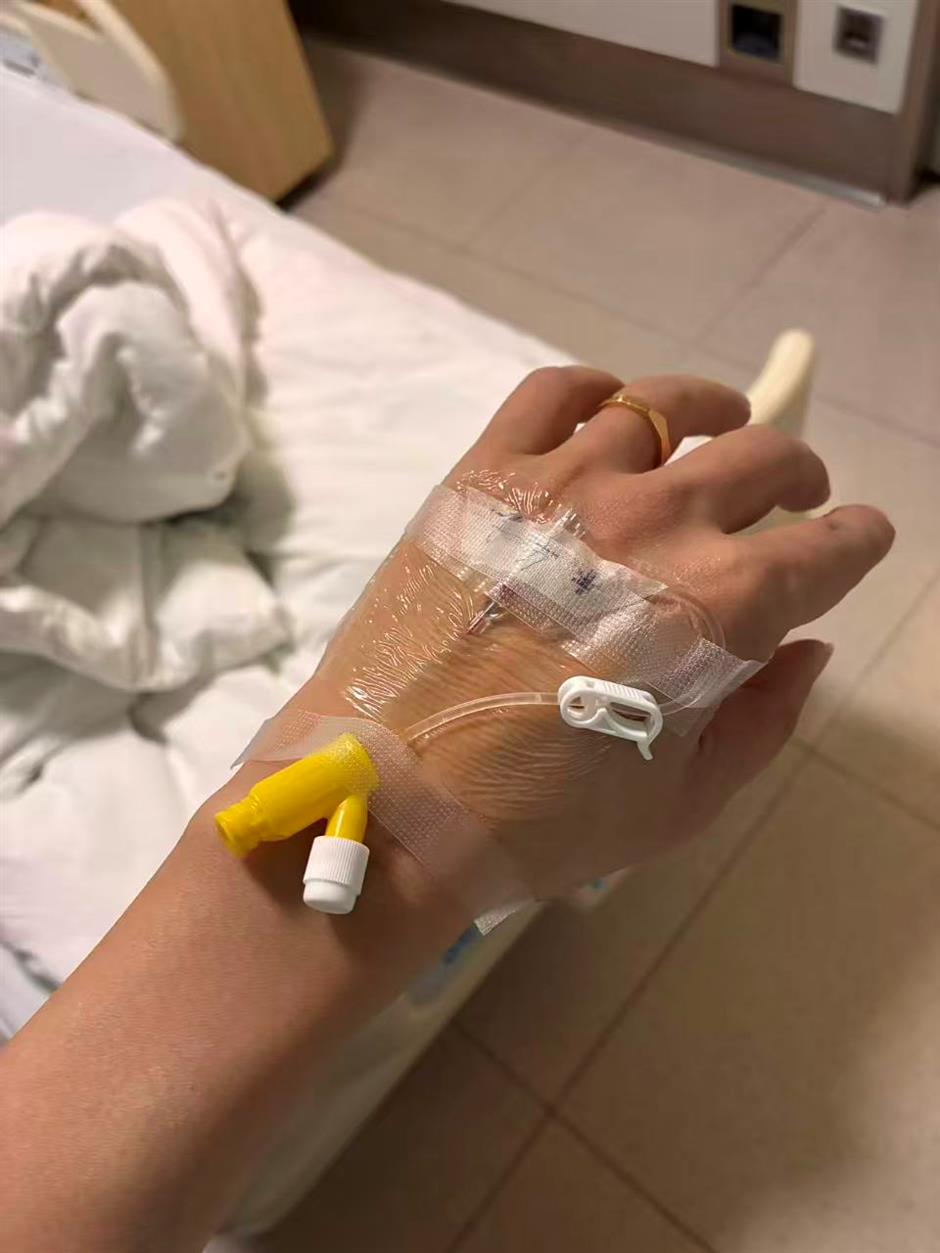
After spending nearly two weeks in hospital recently because of a health issue, I experienced something that is easy to overlook from the outside: China's medical innovation is no longer just a story about patents, investment numbers or government plans. It is increasingly becoming a story about patients.
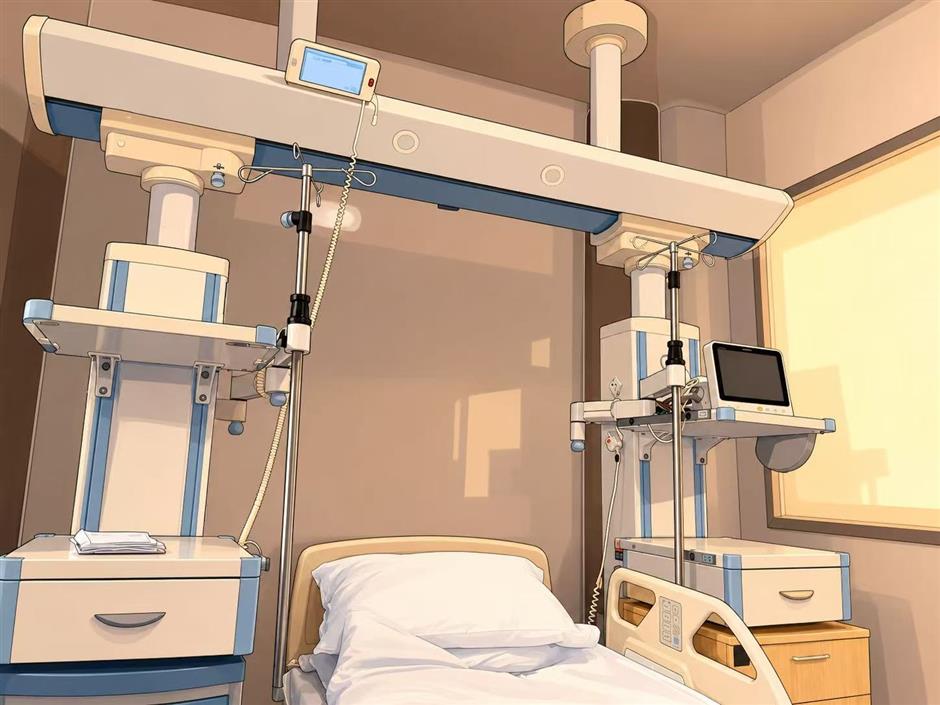
The equipment around my bed told part of that story. The monitoring and assistance devices used in my room came from a major Chinese medical equipment company. In the past, similar equipment in the same hospital was often supplied by global companies. The change was subtle. There was no dramatic announcement, no ribbon-cutting ceremony. It was simply there, helping doctors treat patients.
The medicines I received also reflected a changing landscape. One foreign drug I was prescribed had already moved to relying on raw materials produced in China. Another had just received its first global approval in China.
Out of curiosity, I asked my doctors about how these innovations actually enter hospitals. I learned that the hospital participates in numerous collaborative research projects with both multinational companies and Chinese innovation-driven companies. These partnerships were not theoretical. They involved real clinical needs, real doctors and real patients.
One detail surprised me. According to doctors involved in these collaborations, Chinese companies often respond faster when hospitals propose improvements or new requirements. A technical adjustment that might take a few months to complete locally could take longer with multinational companies because requests need to travel through global headquarters. Some global companies are now redesigning their internal processes to shorten that cycle.
Speed matters in medicine. A three-month improvement may sound small in a corporate meeting. For a patient waiting for better treatment, it can mean something very different.
This is where China's medical innovation story becomes more complicated than the simple narrative of "China catching up with the West."
China's speed has not come from one single factor. Regulatory reforms have played an important role by improving review processes and encouraging faster approval of innovative drugs and devices. Companies have increased research investment because a large market can create commercial returns. Hospitals and doctors have become more willing to participate in innovation and testing.
The result is a more connected system. Regulators, companies, hospitals and clinicians are increasingly moving in the same direction: turning ideas into products that reach patients.
But this system also faces a difficult question: How do you balance the interests of everyone involved?
Innovation requires investment. Drugmakers and medical equipment manufacturers need reasonable returns. Hospitals need resources. Doctors need incentives. Patients need affordable access. The interests do not always perfectly align.
The challenge for China, and for every country trying to build a stronger, more innovative healthcare system, is not simply creating more products. It is creating an environment where innovation can survive, scale up and ultimately improve people's lives.
Shanghai offers an interesting example of this experiment.
The city has invested heavily in healthcare infrastructure and has one of China's strongest medical ecosystems. But what impressed me during my hospital stay was not only government investment, but also the interaction between public resources and market forces.
One small device used during my treatment is actually the result of hospital-led innovation. A doctor developed the idea, the hospital helped transform the invention and a company eventually produced it for wider use.
I later learned that the hospital regularly organizes "matchmaking" meetings, bringing doctors and companies together to identify new ideas that can be commercialized.
This may sound ordinary. In reality, this is how innovation often happens. Not in a dramatic "eureka" moment, but through hundreds of small improvements created by people who understand real problems.
At the same time, China's medical strides should not be viewed through a narrow national lens. Innovation does not belong to one country.
Some multinational pharmaceutical companies are increasing investment in China, expanding production capacity and research capabilities. From conversations with people familiar with the industry, several global healthcare companies are considering deeper commitments to China in the coming years.
Their message is clear: China is becoming an increasingly important part as part of the global healthcare supply chain.
These companies are not only looking at China because of market size. They are also looking at China's research capabilities, clinical resources and industrial ecosystem. The goal is to connect Chinese innovation with global development to bring new treatments to more patients.
At the same time, Chinese companies are also learning from the world. Some domestic companies are working with international research teams to develop specific technologies and components. The future may belong less to companies from a particular country and more to companies that can connect the best ideas from different places.
This is why the recent decline in global technology stocks may not be entirely bad news.
When technology stocks around the world fell, Chinese technology and healthcare-related companies were also affected. The decline was painful for investors, but market corrections have one useful function: They separate real innovation from attractive stories. When the tide rises, many companies look impressive. When the tide goes out, we see who is actually swimming.
Healthcare innovation is no different. A good idea is not enough. A company needs technology, clinical value, commercial discipline and the ability to deliver effective products to patients.
After my hospital experience, I have become more optimistic about China's medical innovation. But my optimism is not based on the idea that China will replace everyone else.
The more interesting possibility is that China is becoming a major participant in a global innovation network where different strengths come together, with the patient as the ultimate judge.
During those two bed-ridden weeks, I did not become an expert on medicine. I still cannot explain every machine beside my bed, and I certainly do not plan to volunteer for another "field research project" anytime soon.
But I did learn one thing: Innovation is not an abstract word.
Sometimes it is a new drug.
Sometimes it is a better medical device.
Sometimes it is a doctor's idea turning into a product.
And sometimes, it is simply something quietly working beside a hospital bed while a patient is trying to get better.
I went to the hospital hoping to recover my health. II did not expect to leave with an idea to share with others.
My doctor may advise me to curtail my opinion-writing next time. I hope he also prescribes fewer hospital visits.
(The author is an adjunct research fellow at the Research Center for Global Public Opinion of China, Shanghai International Studies University, and founding partner of 3am Consulting, a consultancy specializing in global communications.)
Editor: Liu Qi
In Case You Missed It...

 Oct 1, 2026