Positioning Health as Infrastructure: How AI Can Shape Shanghai's Next Chapter of Service Innovation
Editor's note:
The International Business Leaders' Advisory Council for the Mayor (IBLAC) brings together top executives from leading multinationals to exchange insights on Shanghai's development strategy. Each company brings forward a paper that draws from their global practices and local insights. Shanghai Daily has seleted and summarized some of the astute suggestions to this city.

As artificial intelligence reshapes health-care and nutrition, Shanghai has an opportunity to pioneer a new model of preventive health – one that embeds health management into everyday life and strengthens the city's long-term competitiveness.
Health is increasingly moving beyond hospitals and medical institutions. Population aging, rising chronic diseases and changing expectations for quality of life are driving demand for continuous, personalized health management. At the same time, AI, big data and digital platforms are transforming how services are delivered.
Against this backdrop, health should no longer be viewed solely as a specialized sector, but as a foundational capability of modern urban development.
This shift is particularly important in preventive health care. While traditional systems have largely focused on diagnosis and treatment after illness occurs, AI creates opportunities to identify risks earlier, support personalized interventions and extend health management into communities, households and workplaces.
Nutrition represents an important entry point. What we eat everyday influences growth and development, immunity, metabolic health, healthy ageing and overall well-being. Nutrition is not simply about food – it is about helping people live healthier lives throughout the life course.
AI opens a new frontier by enabling us to better understand the connections between food, biology, lifestyle and health. It can support a shift from broad recommendations to more personalized approaches, helping people identify risks earlier and make more informed choices.
The transformation also requires a more connected health ecosystem. Hospitals, pharmacies, retailers, communities, insurers and digital platforms often operate with fragmented data. AI can help connect these systems, enabling more coordinated services and actionable insights for individuals, health-care professionals and communities.
International experience offers useful reference points. Australia and New Zealand's Health Star Rating system demonstrates how standardized nutrition information can support consumer decision-making and encourage industry reformulation. AI-powered platforms such as ZOE illustrate the potential of combining metabolic, dietary and lifestyle data to develop more individualized health recommendations.
Danone is exploring these opportunities through its research and innovation activities. Its OneBiome Lab applies AI and data analytics to deepen understanding of the relationship between nutrition, the gut microbiome and human health. Through the global IronUp! initiative, Danone is also exploring AI-powered screening to support earlier awareness and intervention for iron deficiency anemia.
Danone's new Research and Innovation Center in Shanghai will bring together AI, advanced data science, nutritional science and consumer understanding to accelerate innovation, respond to local needs and develop more personalized health solutions in China and beyond.
For Shanghai, the next step is to create an enabling environment for this transformation. This includes integrating nutrition into community health and elderly-care services, advancing personalized digital health tools, strengthening secure and interoperable data infrastructure, and fostering collaboration across government, health care, technology and industry.
With its digital capabilities, health-care resources and international connectivity, Shanghai is well positioned to explore scalable models that can contribute to global health innovation.
The future competitiveness of cities will depend not only on economic scale or industrial capacity, but also on their ability to improve population health and quality of life through innovation. By positioning health as infrastructure, Shanghai can explore a new path toward healthier, smarter and more sustainable urban development. Danone looks forward to contributing its global experience and local capabilities to this journey.
Editor: Liu Qi
In Case You Missed It...
 Oct 12, 2026


Popular Reads
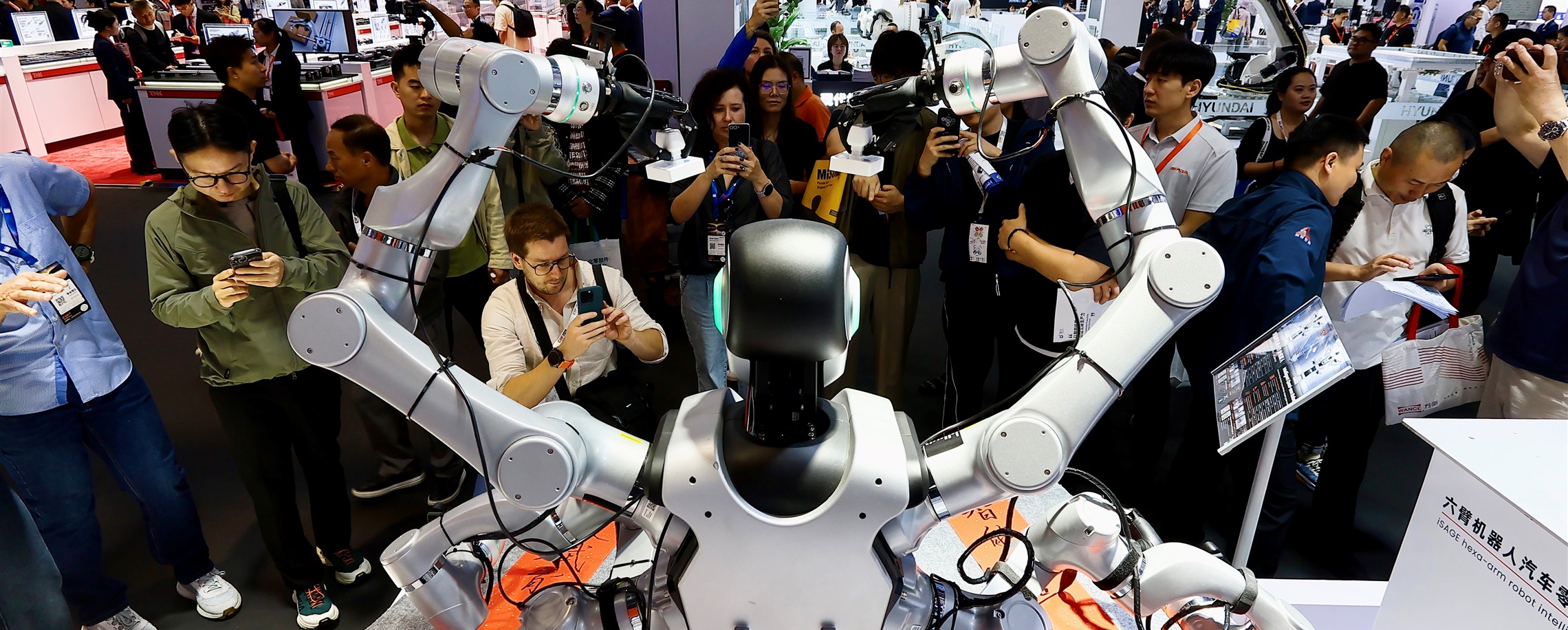
AI and IC Innovations Take Center Stage at China's Premier Industrial Show
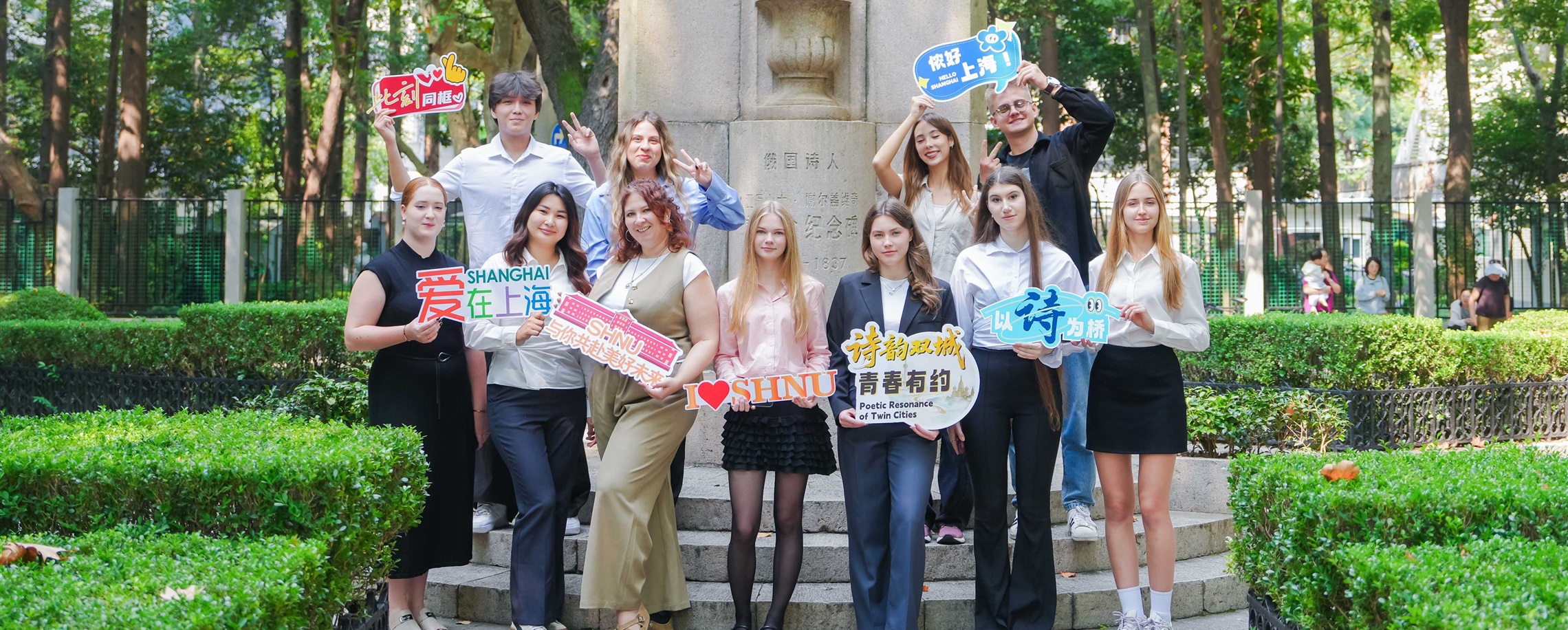
Poetry, Music Link Young Chinese and Russians on a Walk Through Shanghai's Old Streets

Fudan Programs Sweep Global Salary Hike Top 3 in FT 2026 EMBA Ranking