Apple Price Hikes Fire Shot Across the Bow of an Industry in Uncharted Territory
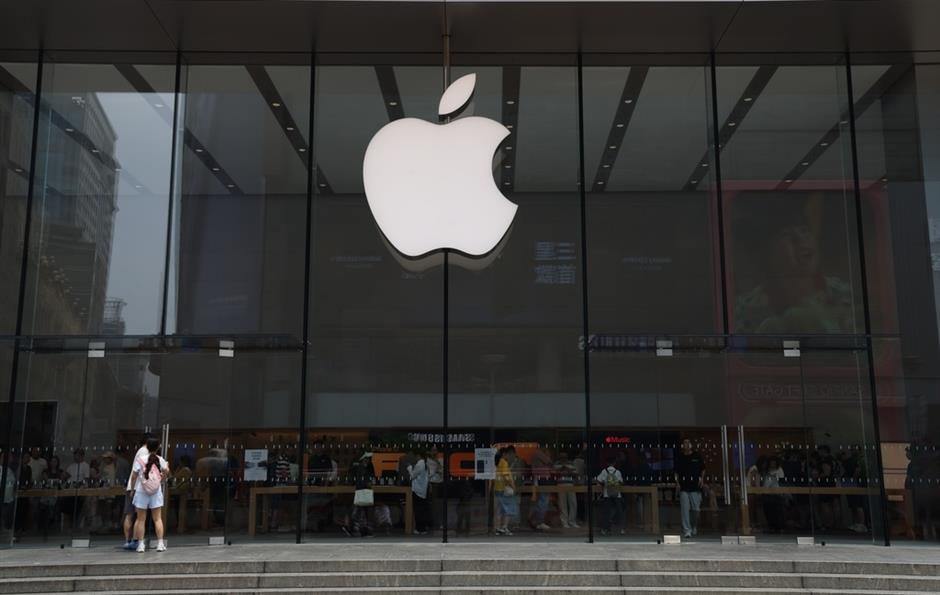
Apple's announcement of price hikes last week surprised consumers, highlighted fierce corporate competition for tight memory-chip supplies and sparked a selloff in technology shares. The consumer electronics industry is finding itself in uncharted territory.
Retail prices for the MacBook Neo, MacBook Air, the entry-level 14-inch MacBook Pro, iPad Pro and iPad Air were raised by an average of 20 percent globally.
In China, popular configurations had price hikes ranging from 800 yuan (US$118) to 2,000 yuan. While the upcoming iPhone 18 and foldable models were spared for now, the announcement sent shockwaves through the market, triggering a 6 percent plunge in Apple's share price – its largest single-day drop in a year.
Apple directly blamed the price increases on soaring costs of memory chips and storage.
The root cause? The insatiable computing chip demand from artificial intelligence.
"Essentially, the MacBook on a consumer's desk is now competing for the same dynamic random-access memory chips as the data centers that power ChatGPT, and it's at a disadvantage," James Bull, a tech analyst at auditing firm RSM, told Reuters.
Apple is far from alone in passing component-cost pain onto consumers. The hardware crunch is triggering a domino effect across the gaming and PC sectors.
In August, Microsoft will implement its third price adjustment in over a year, raising the cost of its five-year-old Xbox Series S and X consoles by at least US$100-150. That will leave retail prices up 40 percent from last year. Nintendo has confirmed a global price hike for the upcoming Switch 2, starting in September. And Valve launched its latest Steam Machine gaming PC at a much higher-than-expected price, citing component inflation.
Lenovo, the world's biggest PC maker, has raised prices by an average 15 percent across its entire portfolio. Some popular models jumped by 1,000 yuan to 3,000 yuan. They warned that high memory costs will remain the "new normal" until 2030, though it said it can weather the storm with its "robust supply capabilities."
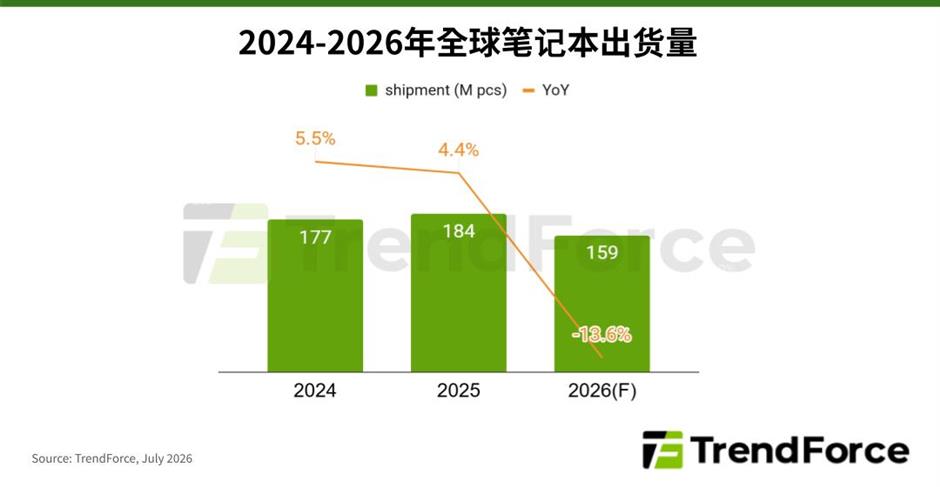
Across brands like HP, Dell and Asus, budget entry-level models are shrinking as manufacturers prioritize pricier premium products that deliver higher margins. Research firm TrendForce forecasts that global laptop sales will contract by 14 percent this year as consumer resistance to pricing intensifies.
Even the secondary market is feeling the heat. In China, used devices are fetching double their value from a year ago. A 128-gigabyte iPhone 8, even non-functional, can now command 300 yuan solely for its salvageable memory.
The pricing crisis has triggered a rare, highly public dispute between Apple and its primary US memory supplier, Micron Technology.
After Cook blamed memory makers for passing along "unsustainable" price increases, Micron Chief Executive Sanjay Mehrotra told CNBC that the current crisis is the direct consequence of heavy-handed tactics by device makers who forced prices down during the 2023 memory-chip downturn.
"Companies incurred severe losses, which crippled the industry's capacity to invest in new equipment," Mehrotra said.
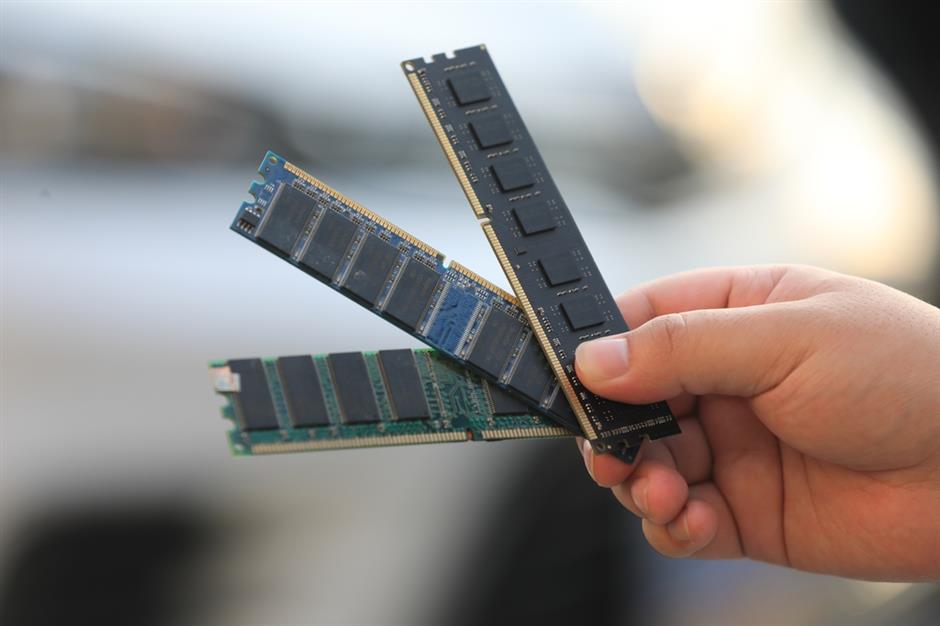
This finger-pointing underscores a massive power shift. For decades, tech titans dictated terms to suppliers. But with Micron, Samsun and SK Hynix pivoting production lines toward high-margin AI server hardware, standard consumer-grade memory contract prices have skyrocketed by nearly 90 percent. Wall Street has noticed the shift. In the first half of the year, Micron's stock surged 266 percent, while Apple managed just a 6.8 percent gain.
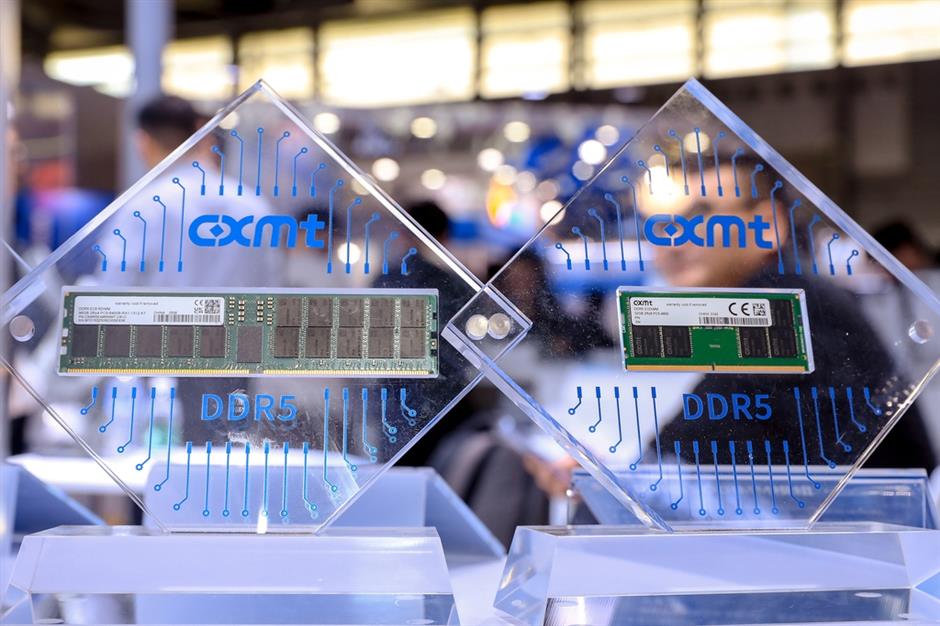
To regain leverage and break supply-chain choke points, industry insiders report that Apple is exploring alternatives, holding quiet talks with China's ChangXin Memory Technologies in hopes of buying its chips. The timing is critical, as CXMT is poised this month to launch China's largest IPO in four years. The purchase is also uncertain as the US government steps up attempts to restrain China's emergence in chip technology.
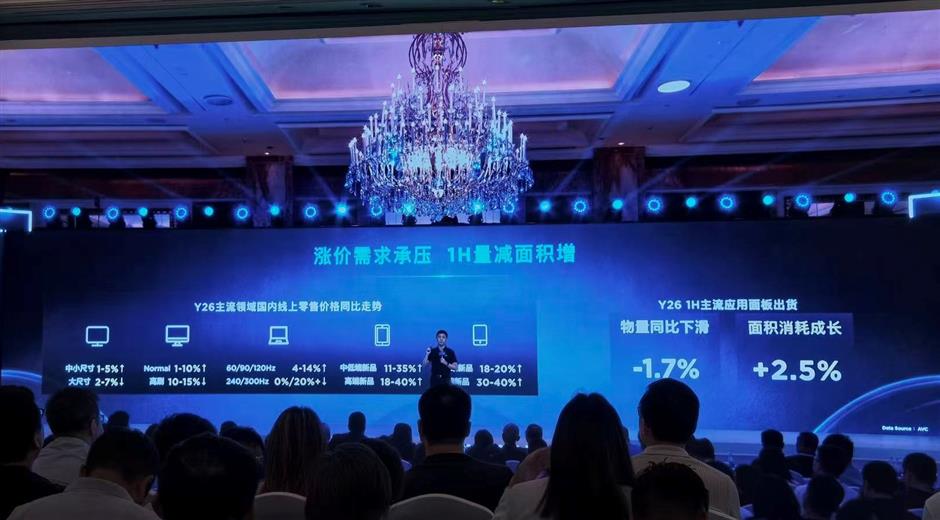
The industry shockwaves are also reshaping component partnerships. Beijing-based display giant BOE Technology noted that surging memory costs have compressed overall screen shipment volumes in the first half, though total screen area continues to grow. This indicates consumers are are consolidating their purchases around large-screen and premium devices.
Recently BOE also deepens research and development collaboration with US-based Corning to develop next-generation technologies like glass substrates for advanced packaging.
Driven by these high-end tech plays, BOE's Shenzhen-listed shares have rallied about 80 percent in the past month.
While domestic phone vendors like Xiaomi and Vivo have held their price lines on recent premium models like the Vivo X Fold6, pressure is mounting.
According to market research firm IDC China, tech vendors can no longer absorb rising costs internally. Android manufacturers are expected to follow Apple's lead, making hardware price hikes for flagship models in the second half of the year virtually inevitable.
According to Nikkei Asia report, Chinese smart phone maker Xiaomi may reduce its forecast for 2026 shipment to 95 million from 135 million earlier this year and from 170 million units last year.
Editor: Liu Qi
In Case You Missed It...

 Aug 24, 2026