Moore's Law Falls Flat, Consumer Electronics Chip Prices Are Soaring
For years, tech industry planning was guided by Moore's Law, a 1965 empirical observation by former Intel chief executive George Moore that predicted costs would drop as transistors used in integrated circuits become smaller, faster, more energy efficient and cost effective. But this year that golden rule has gone off the rails. The humble memory chip has become as precious as gold, triggering a global price surge that is reshaping the consumer electronics landscape.
What's going on?
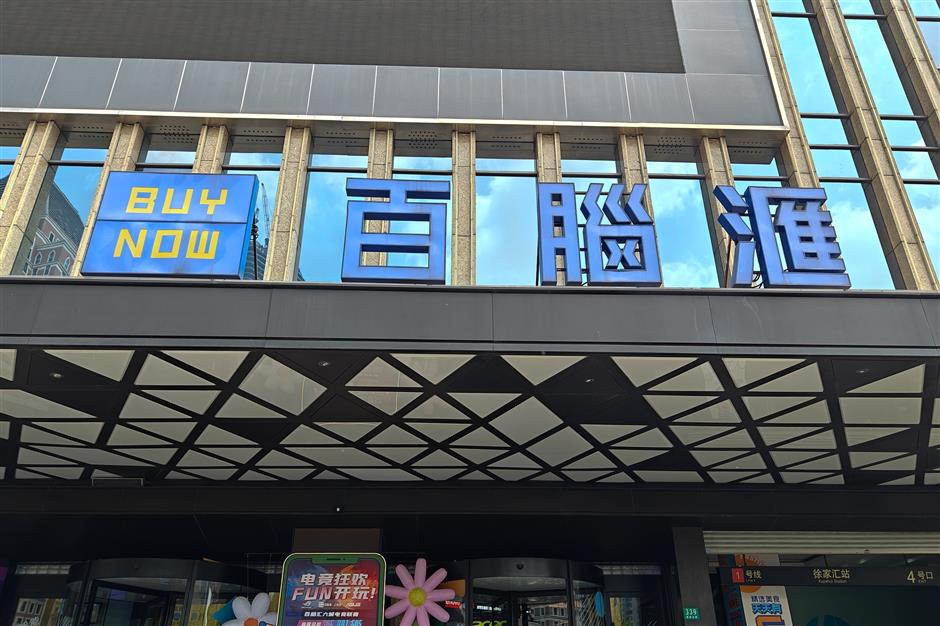
In Shanghai's BuyNow mall, a major electronics and gadgets market, price hikes are everywhere along brand counters. An Asus laptop model increased in price from 4,899 yuan (US$699) to 5,199 yuan, Lenovo computers had overall price increases of up to 7 percent, while select Dell products rose by 10 percent. Huawei laptops also saw a price increase of around 200 yuan.
"This is the biggest increase we've seen in a decade," one retailer remarked, noting that latest-generation DDR5 memory products have surged a staggering 455 percent compared with last year. "Memory is now as precious as gold."
The culprit isn't a lack of factory capacity, but rather a shift in where that capacity is deployed. A tidal wave of orders from AI titans, including OpenAI, Alibaba and DeepSeek, is sucking the oxygen out of production. These companies are aggressively building data centers and AI servers, leaving traditional PC and smartphone manufacturers to fight over the remaining supply of chips.
According to research firm TrendForce, memory historically accounted for 10-15 percent of a smartphone's total cost. Today, that figure has ballooned to 30-40 percent. Taking the mainstream phone memory configuration of 8GB RAM + 256GB storage as an example, the estimated contract price for the first quarter of 2026 has surged nearly 200 percent from a year earlier.
'Major industry challenge'
Lenovo, the world's biggest computer maker, warned that the unprecedented surge in memory chip prices will damp demand in personal computer and smartphone industries this year. Yang Yuanqing, Lenovo's chairman, called it a "major industry challenge."
PC manufacturers, including Lenovo, Dell, HP, Acer and Asus, have previously issued warnings, with the industry anticipating widespread retail price hikes of 15-20 percent for terminals.
Faced with skyrocketing costs, manufacturers have two survival options: raise prices or cut back on digital specifications.
In China, brands like Xiaomi, Vivo and Oppo have already bumped prices up by 200-400 yuan. Some entry-level models are even being "downgraded" to 6GB+128GB configurations – specs not seen in mid-range phones for several years, company officials said.
According to German news agency Deutsche Welle,digital industry association Bitkom reports that the average price of a new smartphone in Germany rose from 591 euros (US$697) in 2024 to 605 euros last year. Meanwhile, research figures show that refurbished smartphones captured a 9 percent market share within the EU by mid-2025, up from 5 percent at the start of the year.
TrendForce is now predicting global smartphone production in 2026 may decline 10 percent annual to about 1.14 billion handsets. However, the ongoing surge in memory costs is widening the gap between prices and consumer expectations, potentially leading to even weaker end-user demand that could expand the annual decline to 15 percent.
Diverse impact
The memory chip industry will be hit differently in various segments.
1. Low-end models
Researcher International Data Corp projects China's smartphone market in phones costing less than US$200 will shrink by 4.3 percentage points by 2026. As the low-end market contracts, mid-range consumers won't vanish. They will simply shift toward secondhand devices and older flagship models.
Xiaomi and Transsion, with their high proportion of low-end models, have lower tolerance to cost fluctuations. Their target customers are budget-minded. With memory prices continuing to rise, their 2026 production volumes are expected to see significant downward revisions, according to TrendForce.
2. Mid-range models
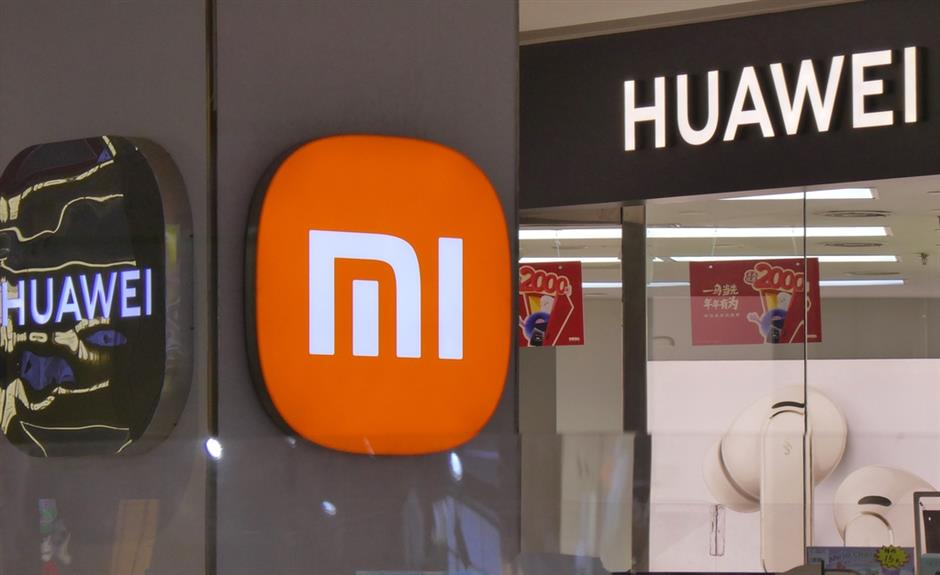
Brands primarily targeting the Chinese domestic market – Vivo, Oppo, Xiaomi and Honor – will face not only memory cost pressures but also competition from tech giant Huawei in 2026. Huawei has been promoting its HarmonyOS platform, adopting relatively flexible pricing strategies for its devices.
In response, brands like Honor and Vivo are exploring new product domains. For instance, Honor is set to unveil its first humanoid robot at an upcoming Barcelona telecommunications show.
3. High-end models
Smartphone leaders Samsung, Apple and Huawei are expected to weather the chip price rise with relatively minor impact. TrendForce is estimating that Huawei may experience the least disruption among major brands and could even achieve growth this year.
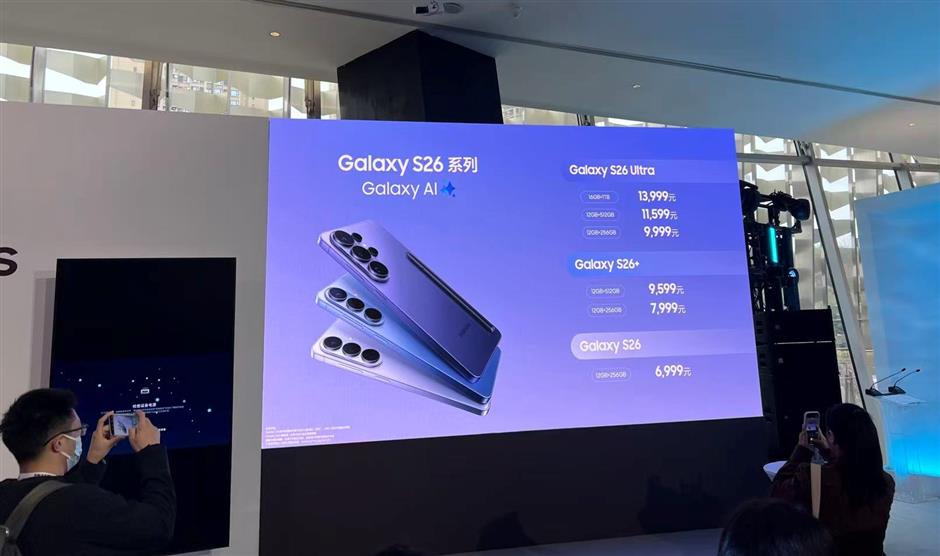
Samsung launched its new Galaxy S26 series in China on Thursday, with sales to start on March 11. As the global market leader in both smartphones and memory chips, Samsung benefits from vertical integration advantages.
Its new phone features new-generation AI and the world's first built-in privacy display, with a starting price of 6,999 yuan. Consumers can choose extra memory upgrade, from 512 GB to 1 TB with cost of 1,600 yuan – almost equal to the price of an entry-level smartphone.
Apple, with its higher proportion of premium devices, possesses greater capacity to absorb rising memory costs. Additionally, its consumer base had demonstrated relatively higher acceptance of price adjustments. On March 4, Apple will debut its new iPhone models in Shanghai, with its pricing to be closely scrutinized.
Personal computers
While the smartphone sector reels from skyrocketing costs, the reaction in the personal computer market has been more tempered, though still painful, with retail price hikes of 15-20 percent. This relative stability is largely due to the high baseline cost of other premium components like graphics and central processing units, and high-resolution displays, which dilute the memory chip's overall share of materials costs.
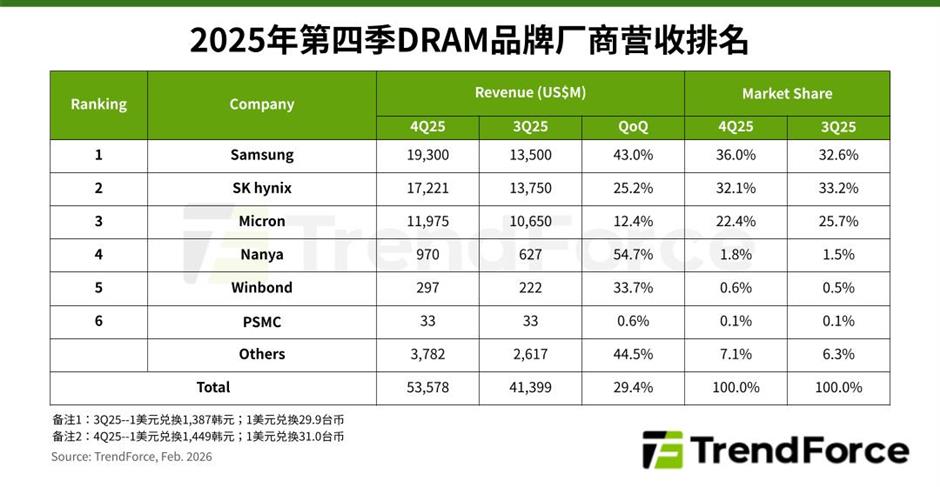
However, the "big three" memory chip suppliers – Micron, Hynix and Samsung Electronics – are shifting their focus toward lucrative AI-specific chips, leaving a massive vacuum in the market of consumer dynamic random-access memory (DRAM) chips.
According to Shanghai Securities News, global PC giants like HP and Dell are now actively seeking memory chips from Chinese suppliers to mitigate supply risks. This shift marks a potential "sea change" in a high-end market long dominated by South Korean and US suppliers.
At the center of this transition is ChangXin Memory Technologies (CXMT). Founded in 2016, the Chinese chipmaker is preparing for a 29.5-billion-yuan initial public offering on Shanghai's STAR Market this year, seeking a capital infusion for the mass production of next-generation chips.
As the global memory landscape enters a period of structural shortage, CXMT's entry into the supply chains of Western tech companies could provide some of the fresh air needed in the industry. The company said on its website that "CXMT will continue to meet a constantly growing market demand for DRAM with trustworthy products and service."
In Case You Missed It...

 Oct 14, 2026