Jing'an Tests Rent-Free Pop-Ups for Young Brands
In one of Shanghai's busiest shopping districts, a small storefront is lowering the cost of starting a business to almost nothing.
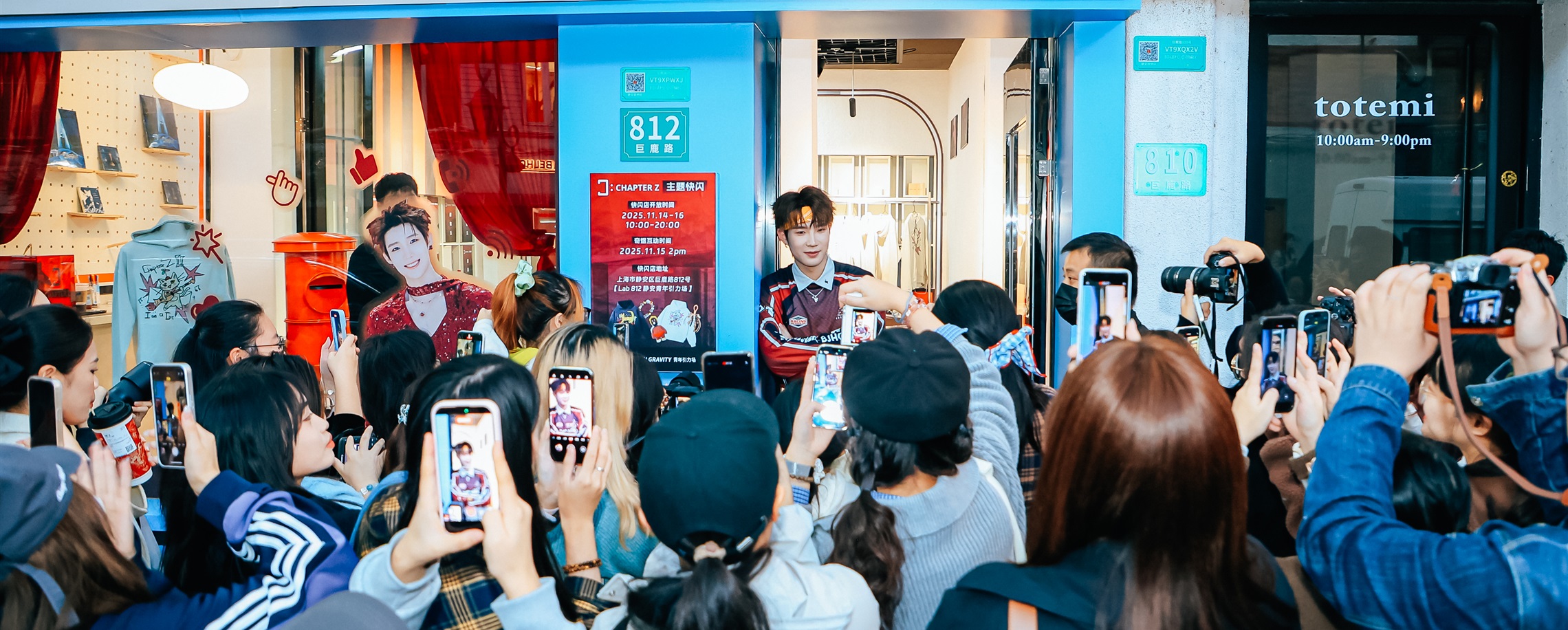
At 812 Julu Road in Jing'an District, a pop-up space called Jing'an Youth Gravitational Field, also known as Lab812, is letting young brands test physical retail without paying rent – an unusual offer in a city where opening a store can cost tens of thousands of yuan upfront.
The concept is simple: short-term stays, sometimes as brief as a week, with brands covering only basic utilities. In return, founders gain direct access to customers, something that's difficult to achieve through online sales alone.
The idea is already catching on. Within days of opening applications, nearly 20 young entrepreneurs signed up.
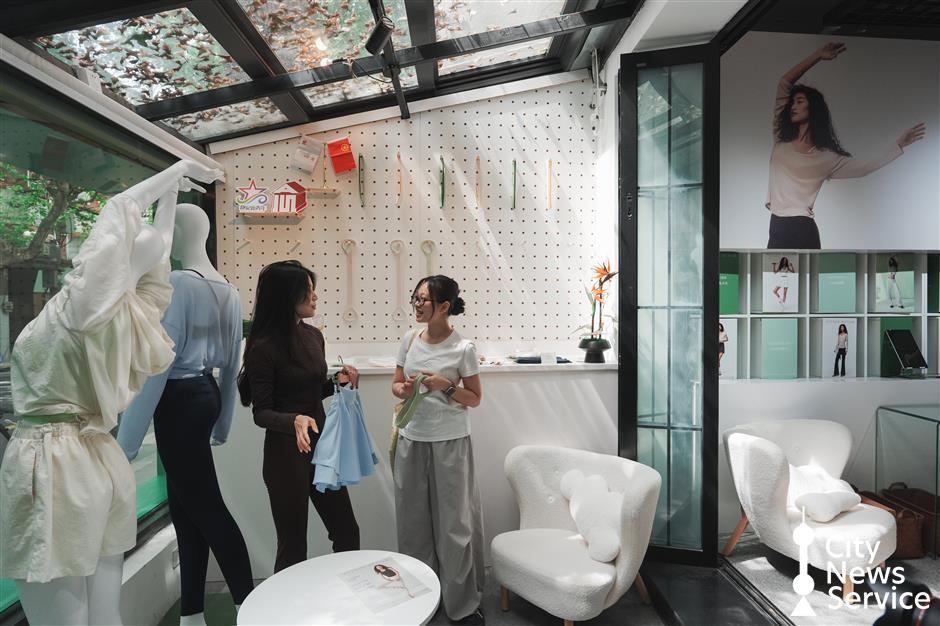
Among the early participants is YOTTOY, an online yoga brand that moved its activewear line into the space for a two-month trial. Inside, shoppers browse racks of sportswear; outside, group rides and casual events double as marketing, drawing in a local crowd.
"We've found a place where we can be seen," said founder Dong Feiyue.
For Dong, the math is straightforward. A traditional store typically comes with long leases, renovation costs and staffing – expenses that can quickly add up. At Lab812, he said, the entire experiment cost roughly the same as a mid-sized online ad campaign.
That lower barrier is the point. Many young founders in China have products ready for market but are priced out of physical retail. At the same time, popular areas like the nearby "Ju Fu Chang" area, known for independent boutiques and chill lifestyle, are seeing more empty storefronts and increasingly similar offerings.
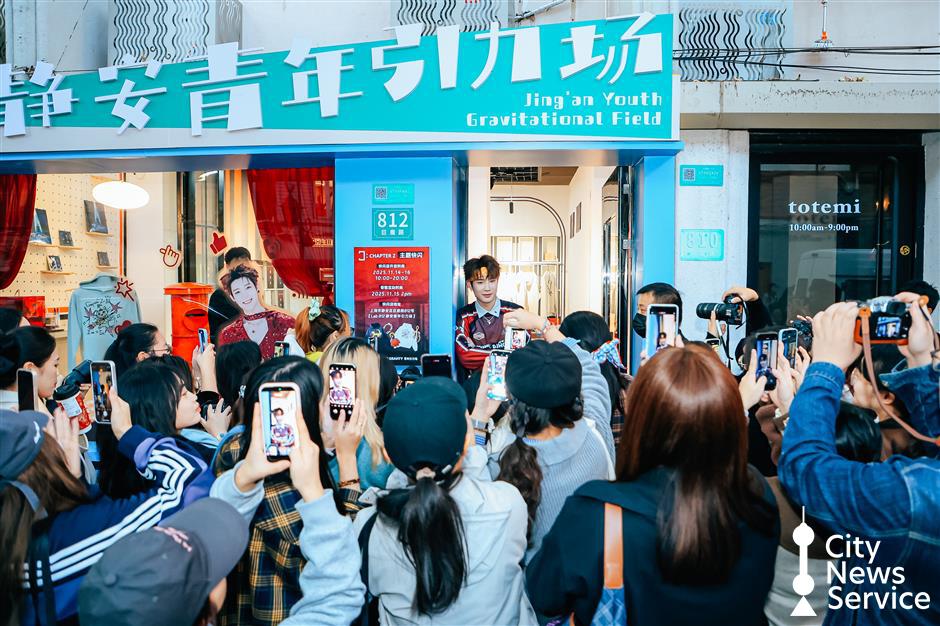
Lab812 is trying to close that gap. Backed by local authorities and youth organizers, the space rotates brands in and out, offering a low-risk way to test demand before committing long term.
More than 10 brands have already passed through. Those that gain traction may be connected with vacant shops in the area, with support such as flexible rents or revenue-sharing agreements to help them stay.
The focus is on sectors where the district already has a foothold, including beauty, fragrance and trend-driven retail, Lu said. The longer-term goal is to build small clusters of emerging brands, giving young businesses room to grow while keeping the neighborhood's retail scene dynamic.
Editor: Liu Qi
In Case You Missed It...

 May 5, 2026