Chongming Leads China's Ecological Movement
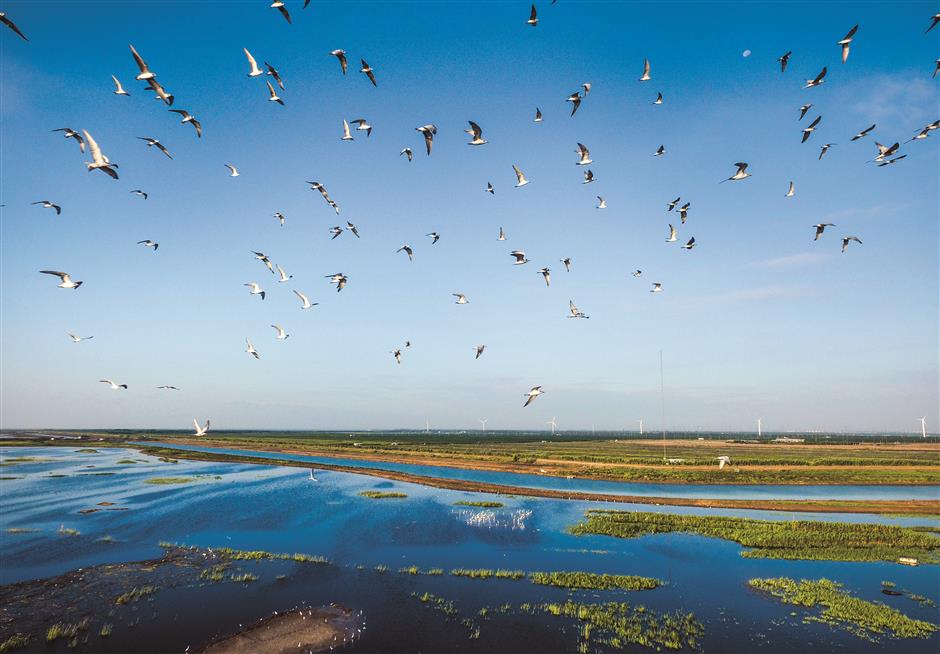
A decade after Shanghai launched its ambitious eco-island vision for Chongming, the island district will host the 2026 Shanghai Chongming Eco-Island International Forum alongside the International Day for Biological Diversity, highlighting China's push for greener development.
Shanghai's "13th Five-Year Plan for Chongming World-Class Ecological Island Development," launched in 2016, marked the district's transformation from a rural, ecologically isolated area to a model of sustainable, high-quality development.
The district, home to three islands of Chongming, Changxing and Hengsha, will be a "bridgehead" of green ecology, a "pioneer area" of green production, a "demonstration place" for green life, a national brand for ecological civilization, a benchmark for Yangtze River green development and a model for happy lives by 2035.
Over the past decade, Chongming has promoted green development and human-nature harmony while coordinating economic and social progress.
Shanghai Aquatic Wildlife Conservation and Research Center, which protects endangered Yangtze River species, has made significant advances in artificially breeding Chinese sturgeon.
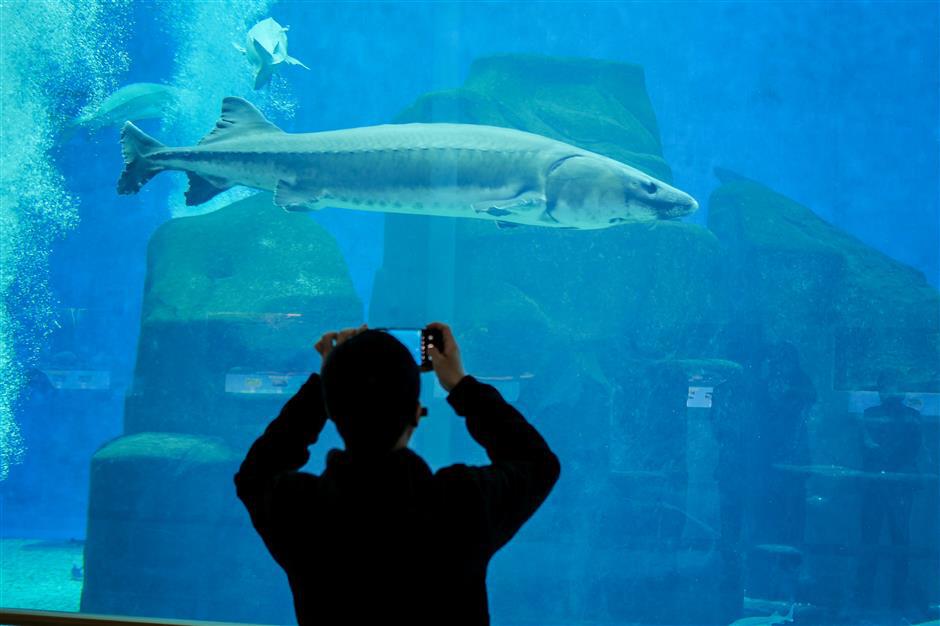
Vice Director Zheng Yueping said it has shifted from focusing on scientific research and conservation to combining "scientific research, public outreach, the rule of law and social co-governance" to raise awareness of ecological conservation and develop an ecological civilization in Shanghai.
"Based on the popular science base, we have consistently organized special activities such as visits and science popularization in communities, schools and public places, as well as branded activities like themed research and extracurricular practices," he said.
Over 13,000 Chinese sturgeons have been bred and released since 2004, using innovative technologies like facility-based release and mechanized release to improve release effects.
These efforts aim to protect rare aquatic organisms in the Yangtze River estuary, raise environmental awareness and make Shanghai an "ecological city."
The improvement of ecological diversity was evident in many aspects.
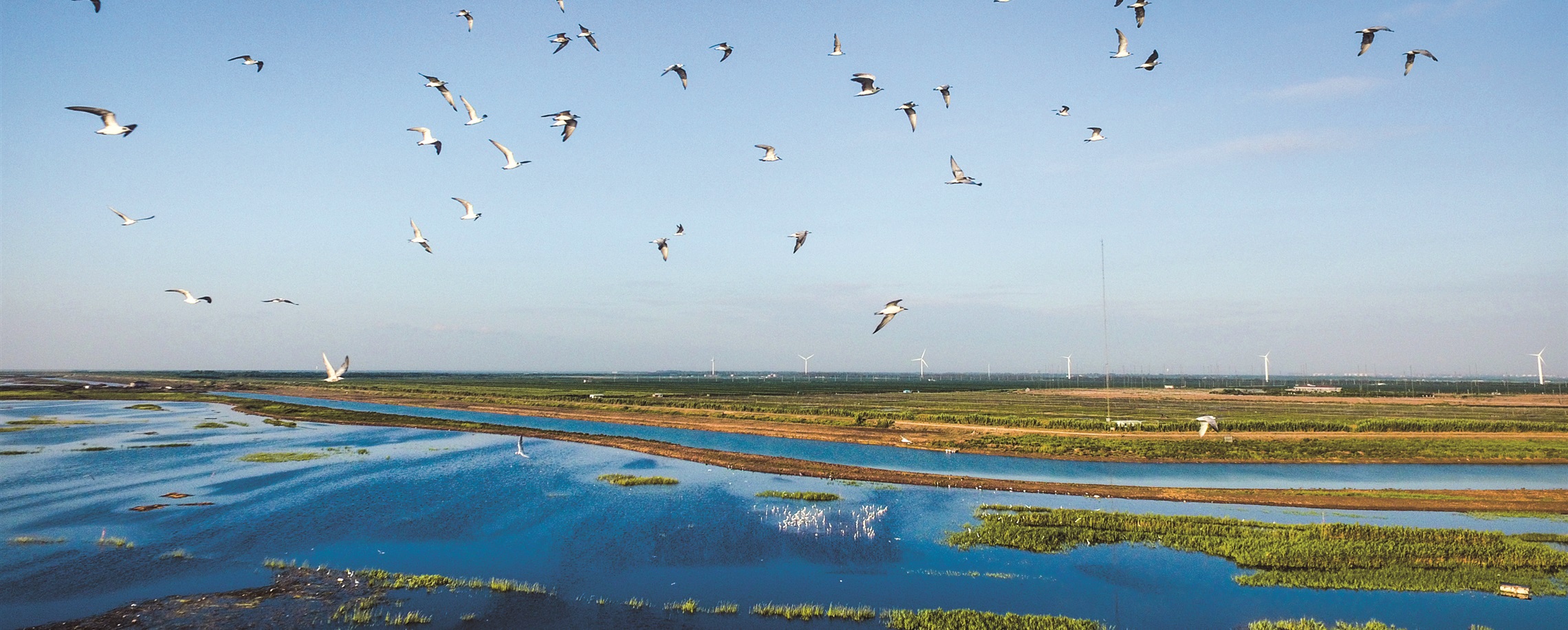
At the easternmost tip of Chongming Island and the intersection of the Yangtze River and the East China Sea sits the Dongtan Wetland, a well-known "Wetland of International Importance." Due to ecological restoration and Yangtze River protection, migratory birds have increased here.
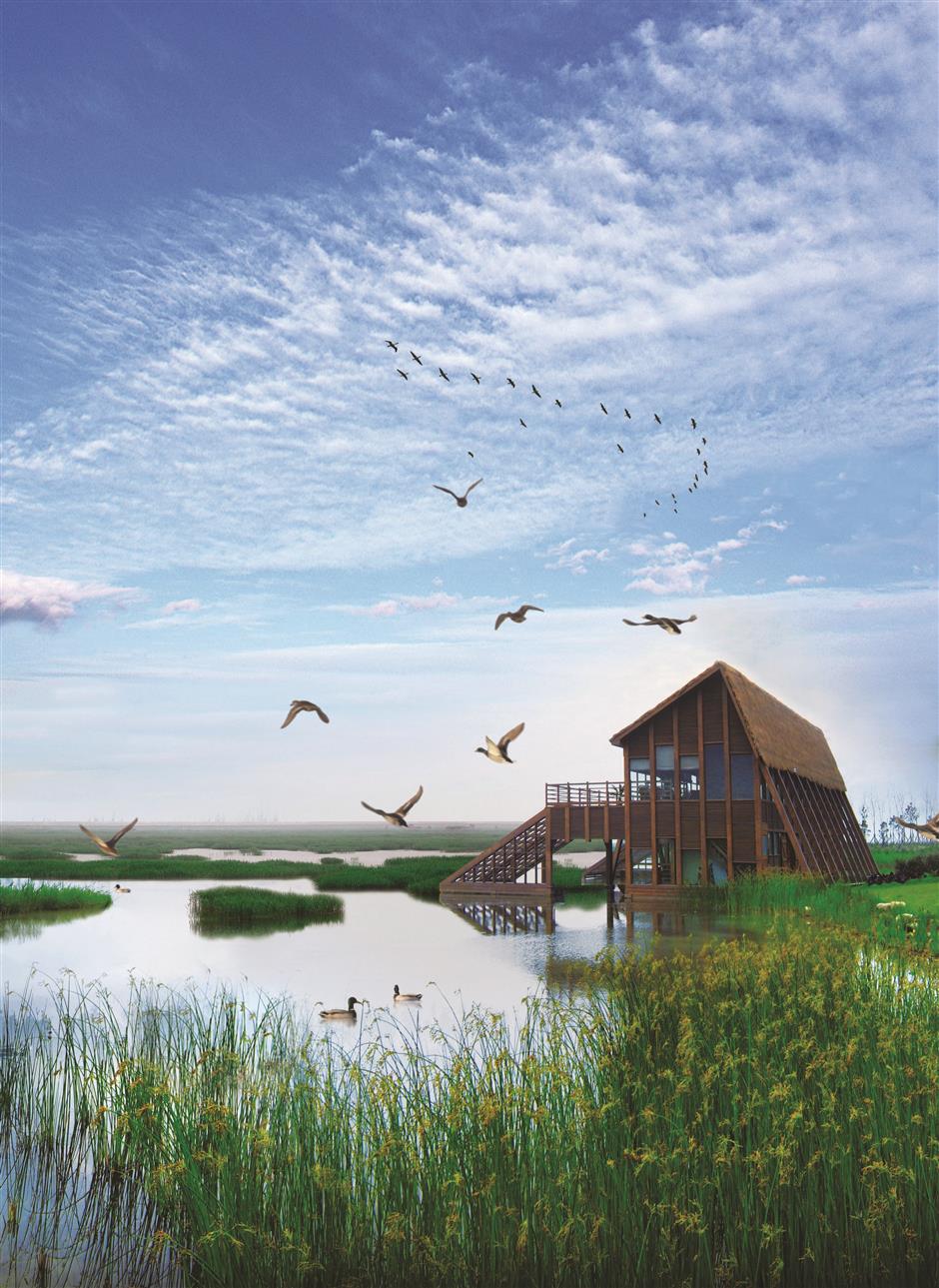
The Dongtan Wetland Park has conserved Chinese alligators for 18 years since releasing them into the wild in 2007. Chinese alligators have grown due to the park's beneficial benthic environment and natural ecology.
Wild Yangtze alligators are visible in this park, one of the few locations in the Yangtze River Delta and the country. They emerge from their burrows in early April after hibernating.
To educate the public about ecological preservation, the park hosts science popularization events and nighttime habitat visits.
The improved wetland ecological status allowed more than 70,000 waterbirds to winter in the Dongtan National Bird Nature Reserve, and about 3,000 little swans were present.
The nature reserve has 364 bird species, including 20 first-class and 62 second-class species.
In 2021, a 10-year Yangtze River fishing ban restored freshwater ecosystems with notable results.
Shanghai is building an intelligent fishing ban control system and a multi-dimensional regulatory system that combines "human efforts and technical means" with smart mechanisms and cross-departmental networks to protect the environment.
The Yangtze River Estuary's aquatic biodiversity is growing, with more dominant species.
Between 2021 and 2025, the Yangtze River basin recorded 351 indigenous fish species, an increase of 43 compared to the pre-ban period. In 2025, mainstream fish resources recovered to twice their pre-ban levels.
Green shipbuilding
Due to the district's energy, construction and transportation resources, several industries are thriving.
Jiangnan Shipyard (Group) Co delivered the methanol dual-fuel container "CMA CGM Esmeralda" to CMA CGM Group in late April.
The shipyard delivered the fourth of its "KUN" series 15,000 TEU methanol dual-fuel container ships, which reduce greenhouse gas emissions, ahead of schedule.
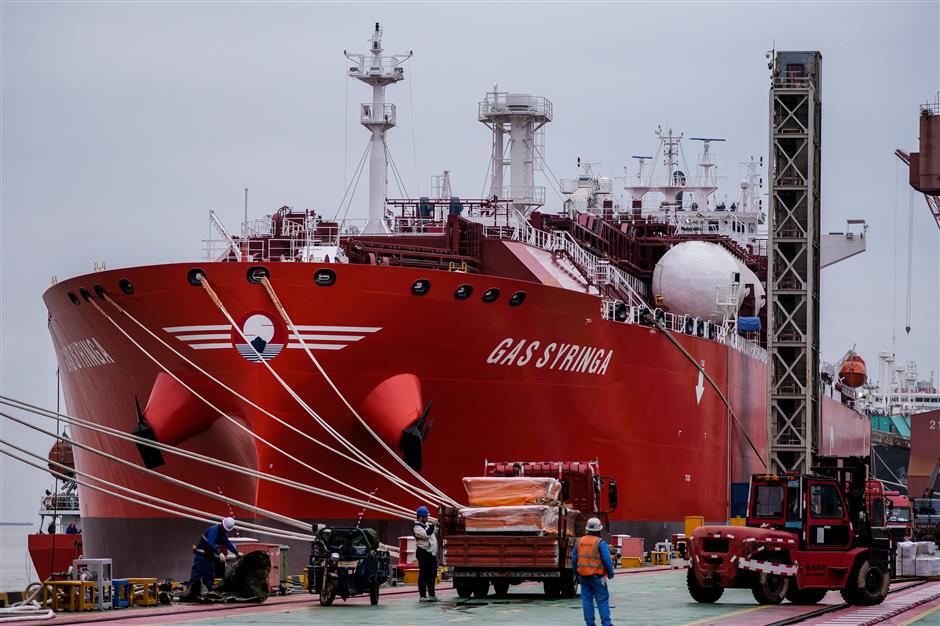
Last month, Southwest Shipping received its VLEC "GAS SYRINGA." The shipyard's Type B cargo containment system (BrillianceE®) saves money on fuel and maintenance.
It is the first vessel with an "ethane" dual-fuel main engine, shaft generators and energy-saving systems.
Green energy efficiency has advanced at the shipyard in recent years. Following global low-carbon trends, its second-generation LNG carriers optimize energy consumption and carbon emissions.
The Changxing Island shipbuilding base has also clustered and developed a domestic supply chain, with key equipment localization rates rising, improving industrial chain security and resilience.
Shanghai plans to turn Changxing Island into a world-class modern shipbuilding base by 2027 to boost new industrialization and high-end industry leadership.
Changxing Island's shipbuilding and offshore engineering equipment will exceed 120 billion yuan (US$17.63 billion) by 2027, with 80 percent high-tech ships like liquefied natural gas carriers and dual-fuel container ships.
It is also involved in CCUS projects to meet national dual carbon goals.
Carbon dioxide from thermal power plants is recycled for welding production, greening the industrial chain.
Shanghai leads in maritime environmental protection equipment.
Changxing Island Thermal Power Co Ltd's 100,000-ton coal-fired power generation project for carbon capture, utilization and storage is now operational, and Jiangnan Shipbuilding Group is the first to use pipelined carbon dioxide.
This helped island businesses go green and accelerated the construction of a low-carbon Changxing Island.
The world's first Onboard Carbon Capture and Storage System (OCCS) completed sea trials in 2024 and was delivered to a Changxing Island vessel. More progress is expected in the coming years.
OCCS is a typical success story for maritime environmental protection equipment. Using amine adsorbents, onboard carbon capture technology separates CO2‚ from vessel exhaust gas. The captured CO2‚ will be compressed and liquefied for transport and use.
Relevant parties should deepen cooperation, explore and promote new systems, and expand channels for reusing carbon dioxide.

Technology has driven Chongming agriculture's scale and quality gains.
As part of the Yangtze River Delta Agricultural Silicon Valley, Chongming has promoted the creation of a world-class ecological island and a hub for agricultural technological innovation.
Meanwhile, Zhongxing Town is developing a high-tech agricultural development corridor along the Chenxiao Highway to explore a new path for modern urban agriculture that is sustainable, driven by technology, and aims to improve local livelihoods.
Shanghai Hengze Enterprise Development Co, China's largest brown mushroom producer, has a modern mushroom cultivation base in Zhongxing.
Hengze Enterprise chairman Zhu Wenfeng said the company's in-house brown mushroom harvesting robotic arm has reduced labor costs by over 80 percent and achieved world-leading production efficiency.
The company uses its own artificial intelligence production system to manage temperature, humidity and carbon dioxide in multiple dimensions for high efficiency and quality.
Chongming builds an innovation ecosystem with universities and research institutions at the core and industry applications at the wings to develop high-end facility agriculture.
Cozy homestay
The district has been promoting a green lifestyle, working toward a resource-saving society and encouraging green buildings and eco-friendly travel.
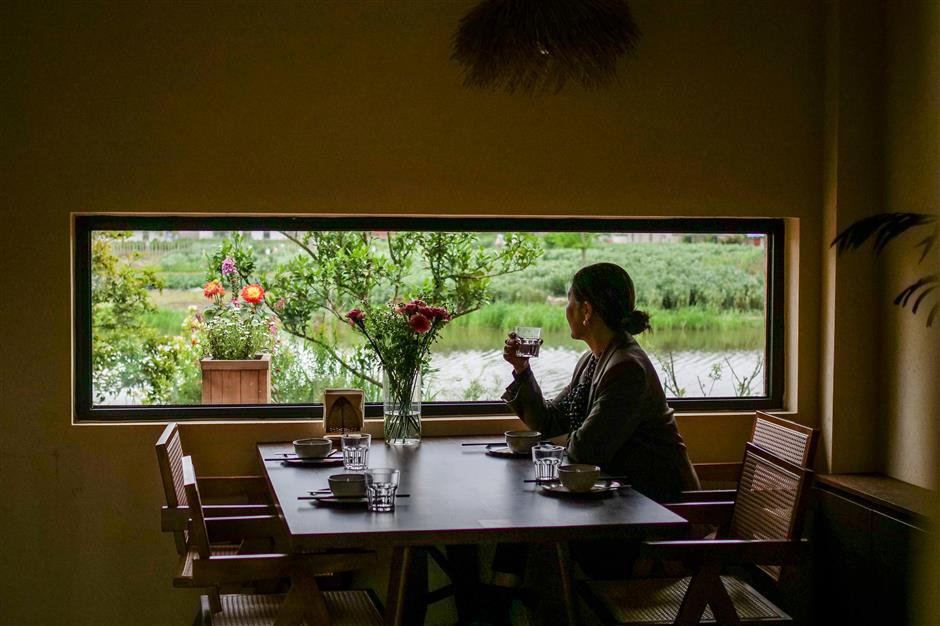
Qingman Homestay, in Zhanhong Village of Chenjia Town, has blended seasonal landscapes with leisure activities, attracting families, pet owners and many repeat visitors since its opening in 2022.
During the summer, the refreshing swimming pool becomes a joyful haven for children, while the thrill of catching small crabs along the field edges adds a charming rural element. In winter, the homestay partners with nearby bird conservation bases to offer an immersive bird-watching experience, allowing children to hear the calls of migratory birds and learn about the importance of protecting biodiversity.
Kiki Shi, a native of Chongming who returned to establish her business around 2020, expressed her commitment to integrating the area's natural beauty with a relaxed lifestyle. The homestay has resonated with locals seeking a high-quality leisure vacation. Additionally, it has introduced local cuisine to complement the offerings of Western meals, catering to customer preferences.
Editor: Li Qian

![[Quick News] Thailand Cancels 60-Day Visa Exemption for 90+ Nations](https://obj.shine.cn/files/2026/05/20/d3df5d57-78db-4659-bfd8-8a25989559aa_0.jpg)