[Current Trends] Chinese Dramas Win Global Hearts With Timeless Stories and Traditional Aesthetics
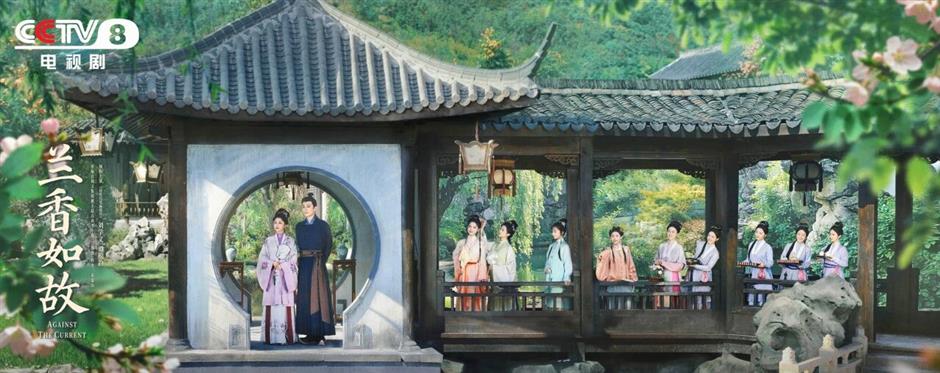
"Against the Current," a historical romance drama directed by Huang Yingxiang and Chen Dan, has gained immense popularity both in China and internationally.
With multilingual subtitles and dubbed versions, the television drama has reached audiences in more than 170 countries and regions worldwide, including Singapore, Malaysia, Japan, and the United States, as well as Spanish- and Portuguese-speaking markets.
On WeTV, the series topped the popularity charts in multiple markets, such as Singapore, the US, Japan, Malaysia, Vietnam, and the Philippines. It also reportedly became the most-watched title on Disney+ in 2026 in terms of viewing hours.
Adapted from He Yanshan's online novel "Lan Xiang Yuan," the drama follows Shen Jialan, the eldest granddaughter of Grand Secretary Shen, whose family is destroyed by false accusations. Assuming the identity of Xu Lanxiang, a servant's daughter, she infiltrates the Lin household as a maid, defies class oppression, rises to power, and ultimately clears her family's name.
The drama also stands out for its nuanced ensemble storytelling, portraying the twists and turns in the lives of a group of women navigating adversity within the household. Each character follows her own path toward self-discovery and growth.
For instance, Lin Xiuwan transforms from a naive, spoiled young lady consumed by romantic pursuits into a poised, self-aware woman with independent convictions, while Lu Ji'er evolves from a maid seeking to advance her status through powerful connections into an independent woman who charts her own course.
Many local viewers have been inspired to explore the historical context of the Ming Dynasty (1368-1644), the backdrop of the story. Some viewers have also delved into ancient Chinese rituals depicted in the drama. Others have even drawn comparisons with the classic Chinese drama "A Dream of Red Mansions," noting that both works portray the intertwined destinies of numerous characters within a prominent ancient Chinese family.
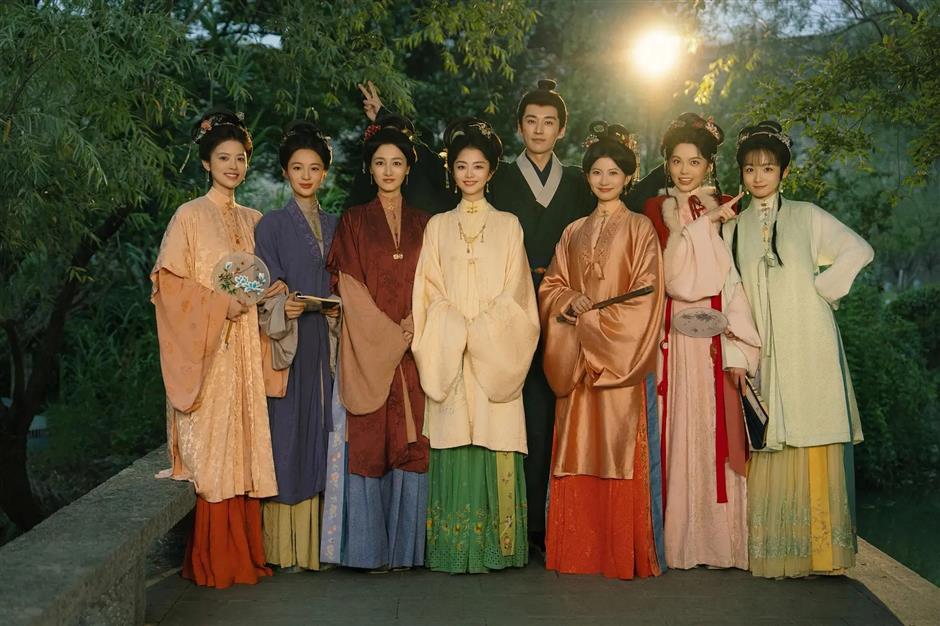
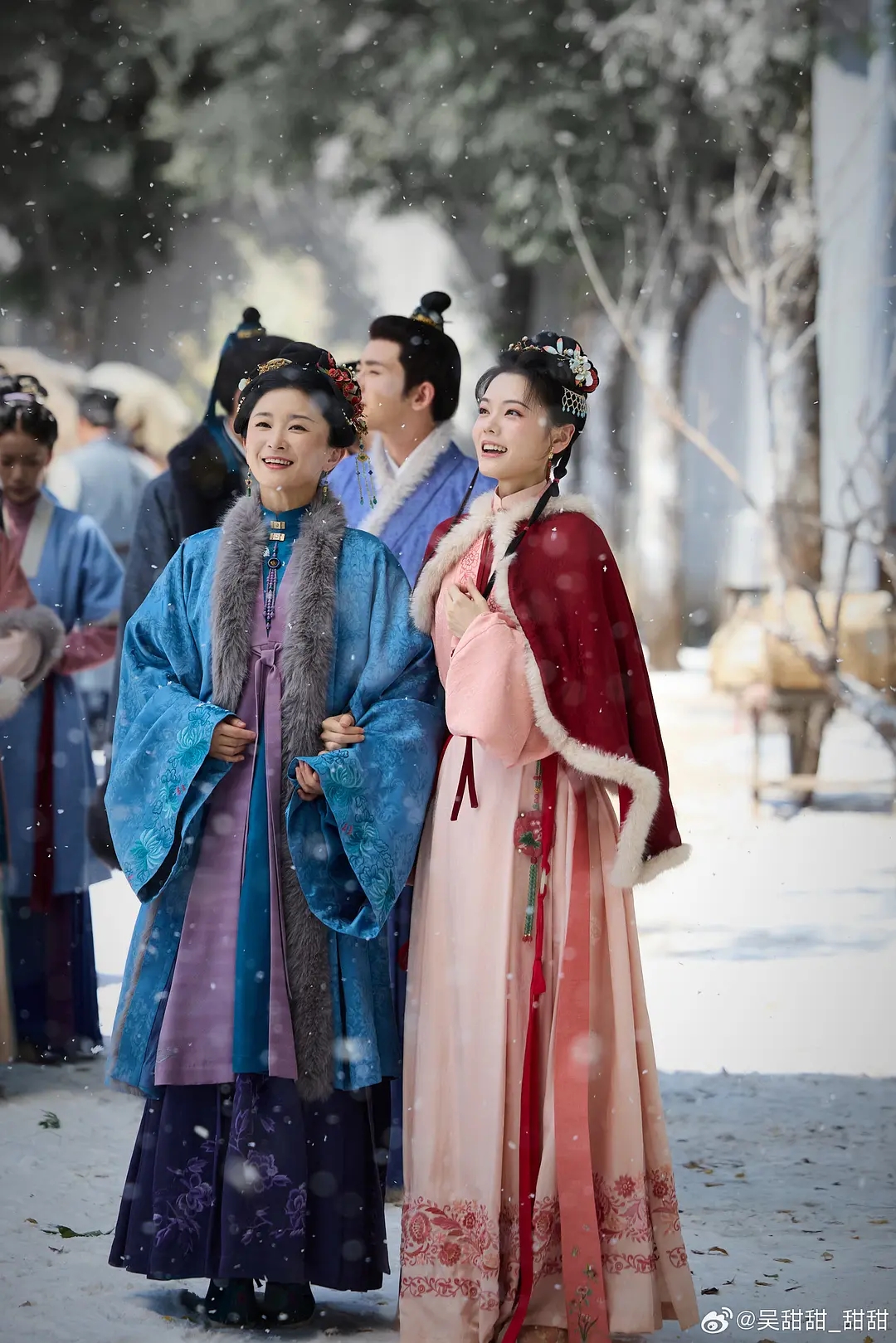
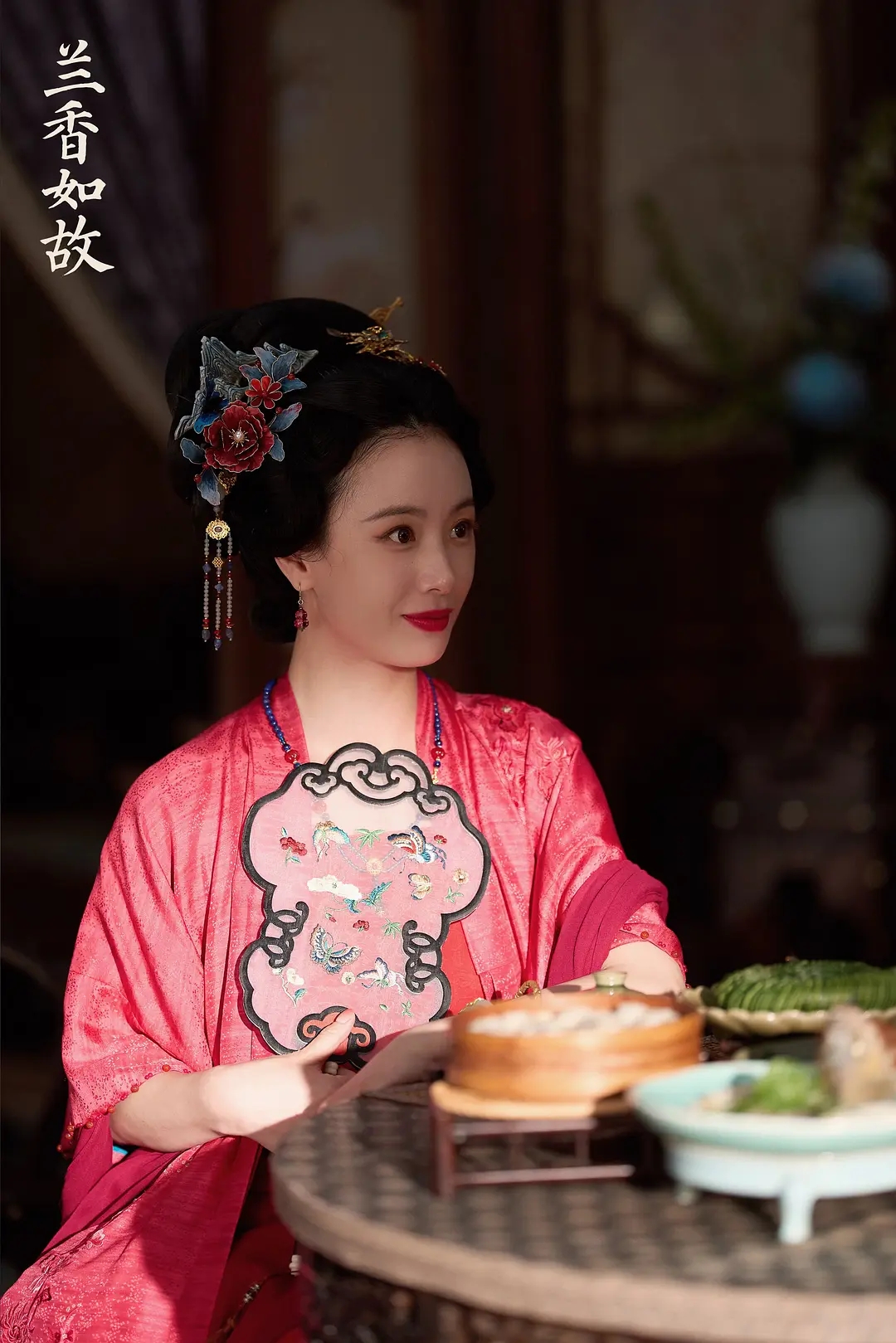
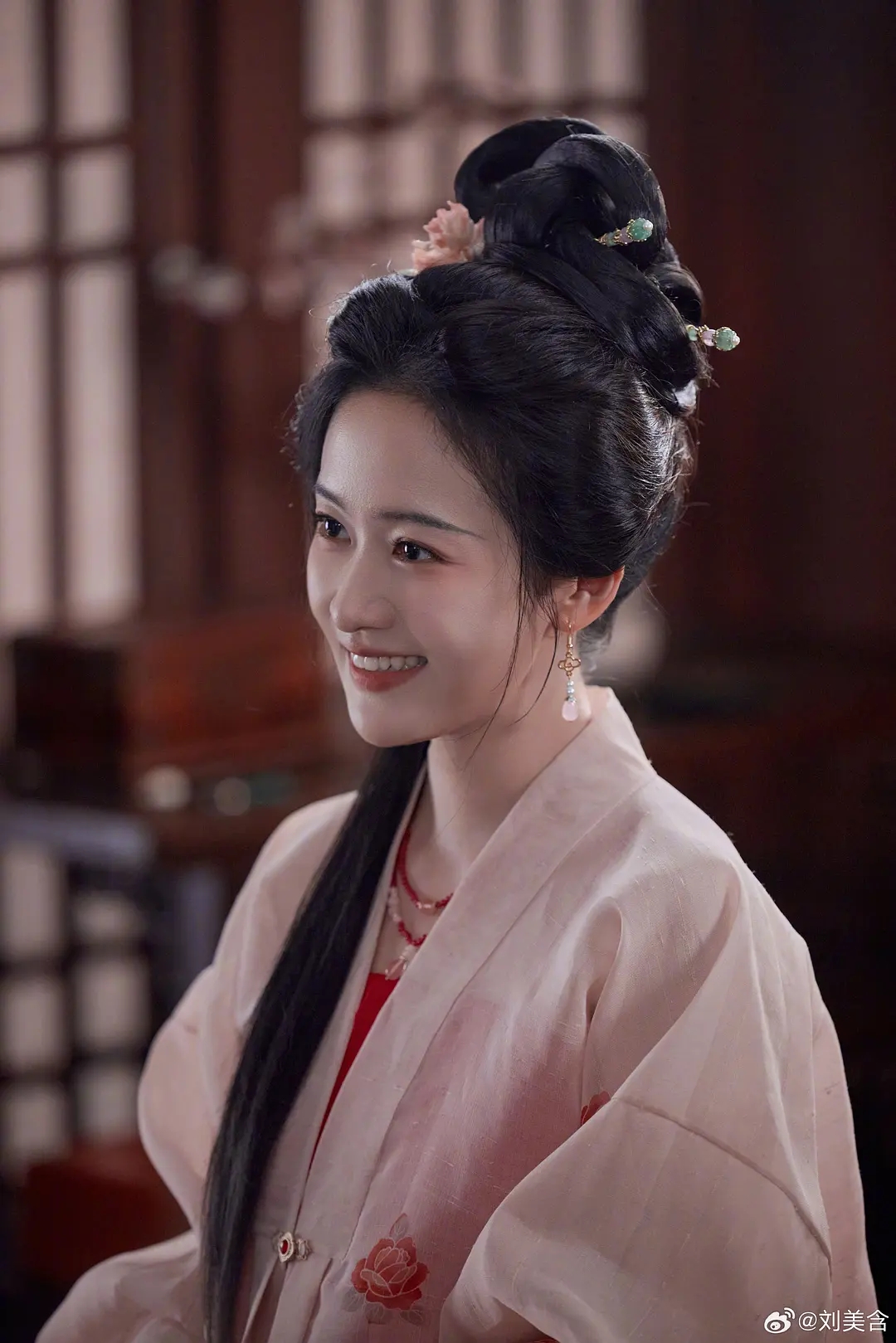
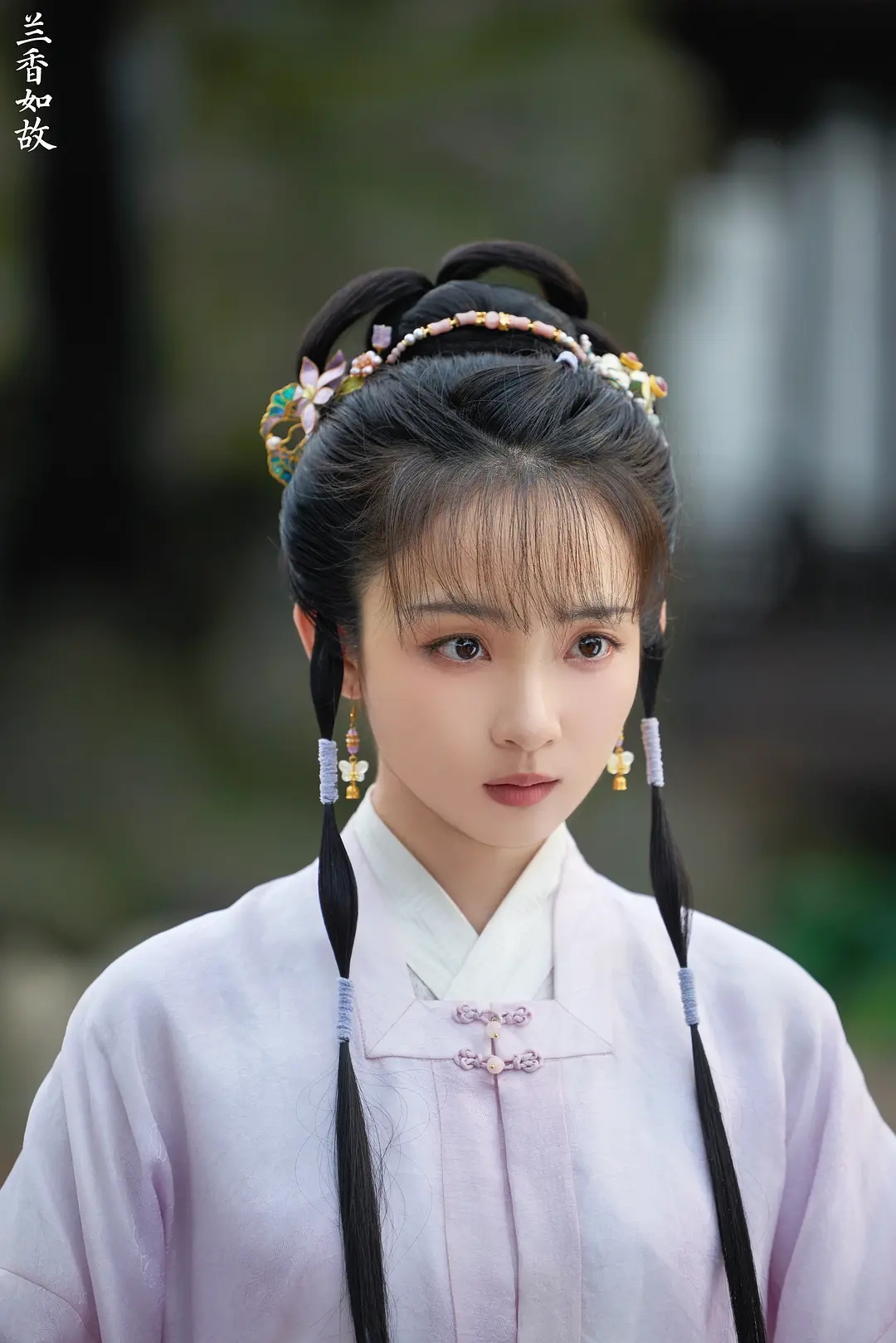
On MyDramaList, the series has an 8.9 rating out of 10 and has earned rave reviews from international audiences for its costumes, set design, Chinese aesthetics, and the cast's touching performances.
Netizen jeoneungd said that the series feels like reading a beautiful novel about perseverance and survival. In many ways, it feels like watching a Jane Austen novel come to life, where the heroine simply keeps living despite everything life throws at her.
In the eyes of netizen Anna, this drama is truly a beautiful story that touched her heart from beginning to end.
"It is more than just a story," she said. "It is a beautiful work of art that captures the beauty of life and the true value of love. Every detail has been carefully crafted, from the production and cinematography to the beautiful background music. Every actor delivers an outstanding performance, bringing their characters to life in such a convincing and touching way. In this day and age, it's rare to find a drama with such a meaningful story and such exceptional quality."
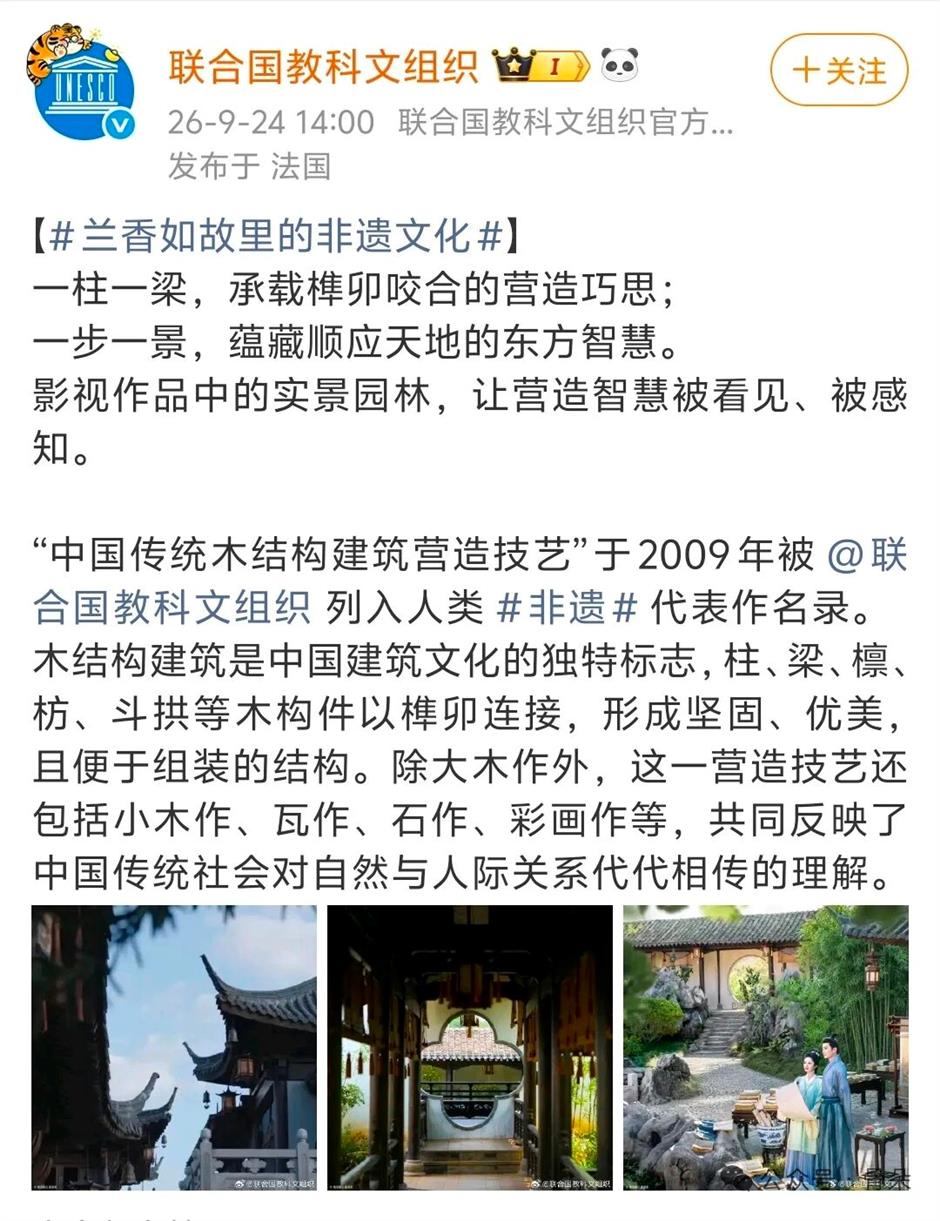
UNESCO has also highlighted the drama's portrayal of Chinese aesthetics and traditional timber-frame construction techniques on Weibo. The drama's popularity has sparked a wave of visits to filming locations, extending its impact beyond the screen and fueling people's growing interest in traditional Chinese culture and cultural tourism.
The drama unfolds like a living scroll depicting life in the Jiangnan region (areas to the south of the lower reaches of the Yangtze River) during the Ming Dynasty. The Chinese aesthetics of the drama are deeply woven into its storytelling, with every plant, garment, object, and play of light serving a narrative purpose.
Over eight months, the production team constructed an authentic Chinese-style garden spanning more than 25,000 square meters at Hengdian World Studios near Hangzhou, drawing inspiration from "The Grand View of Nanjing," a painting by Ming Dynasty artist Qiu Ying.
Blending the fluid elegance of Jiangnan gardens with the vibrancy of everyday life, the set goes beyond mere visual decoration. Its winding corridors, reflective waters, and shifting light and shadows create a poetic atmosphere that unfolds with quiet grace.
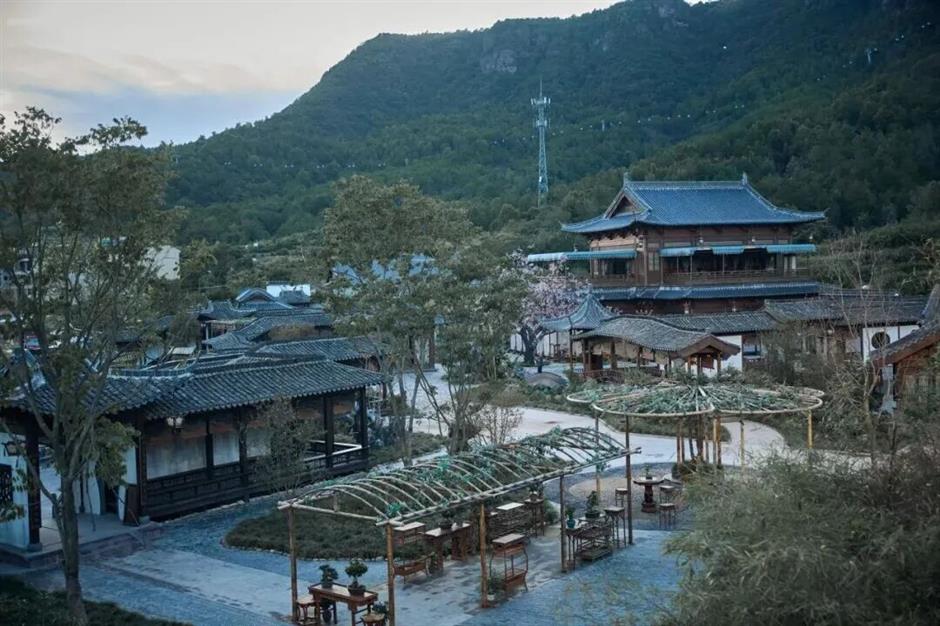
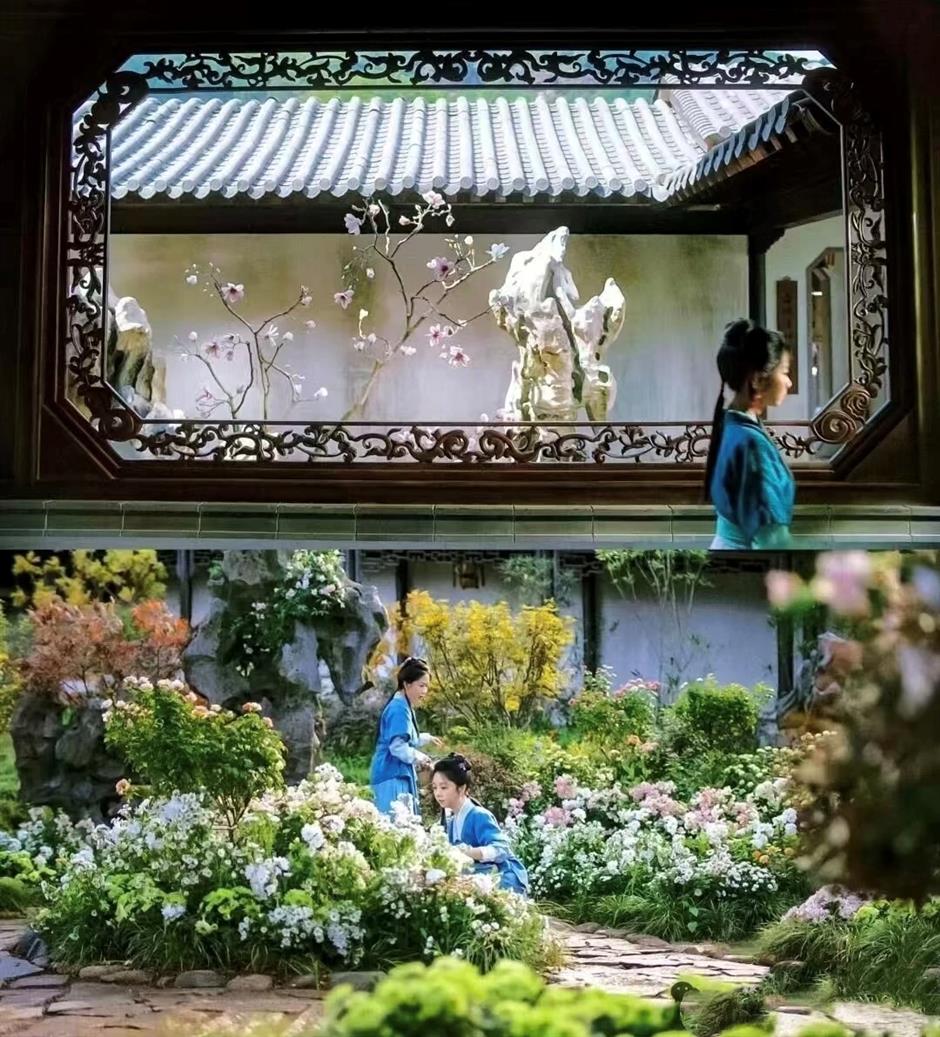
It builds a cohesive visual language rooted in Chinese aesthetics, inviting viewers to savor each frame like a traditional Chinese painting. Today, the garden has also become a popular destination for fans eager to visit the real-life seasonal settings featured in the drama.
Grounded in the dress codes of the Ming Dynasty, the costumes in the series eschew overly vibrant colors and favor a refined, understated palette inspired by the mineral pigments of traditional Chinese painting. They also incorporate traditional Chinese craftsmanship, including Suzhou embroidery and Chinese silk tapestry.
Rather than dressing characters in lavish attire, the series uses costume changes in fabric, cut, patterns, and color to reflect each character's social standing, circumstances, and personal growth. From low-ranking maids to the household matriarch, every detail evolves with the heroine's status. Costume becomes more than decoration in the series and it serves as an extension of each character's story.
The drama has also earned widespread praise for its masterful use of artistic restraint and subtle suggestions. Known as liubai, or "the art of leaving space," it is a distinctively poetic expression of traditional Chinese aesthetics that invites the imagination to fill what is left unsaid.
A foreign fan said what she liked about the drama is that a lot of the story isn't said explicitly; you have to read between the lines. There are many things that are left unsaid.
The directors excel at subtle visual storytelling, conveying emotions through imagery rather than explicit cues. Falling blossoms, autumn leaves, and drifting snow mark transitions in time and space, while the changing seasons and cycles of growth and decay symbolically mirror the characters' shifting fortunes.
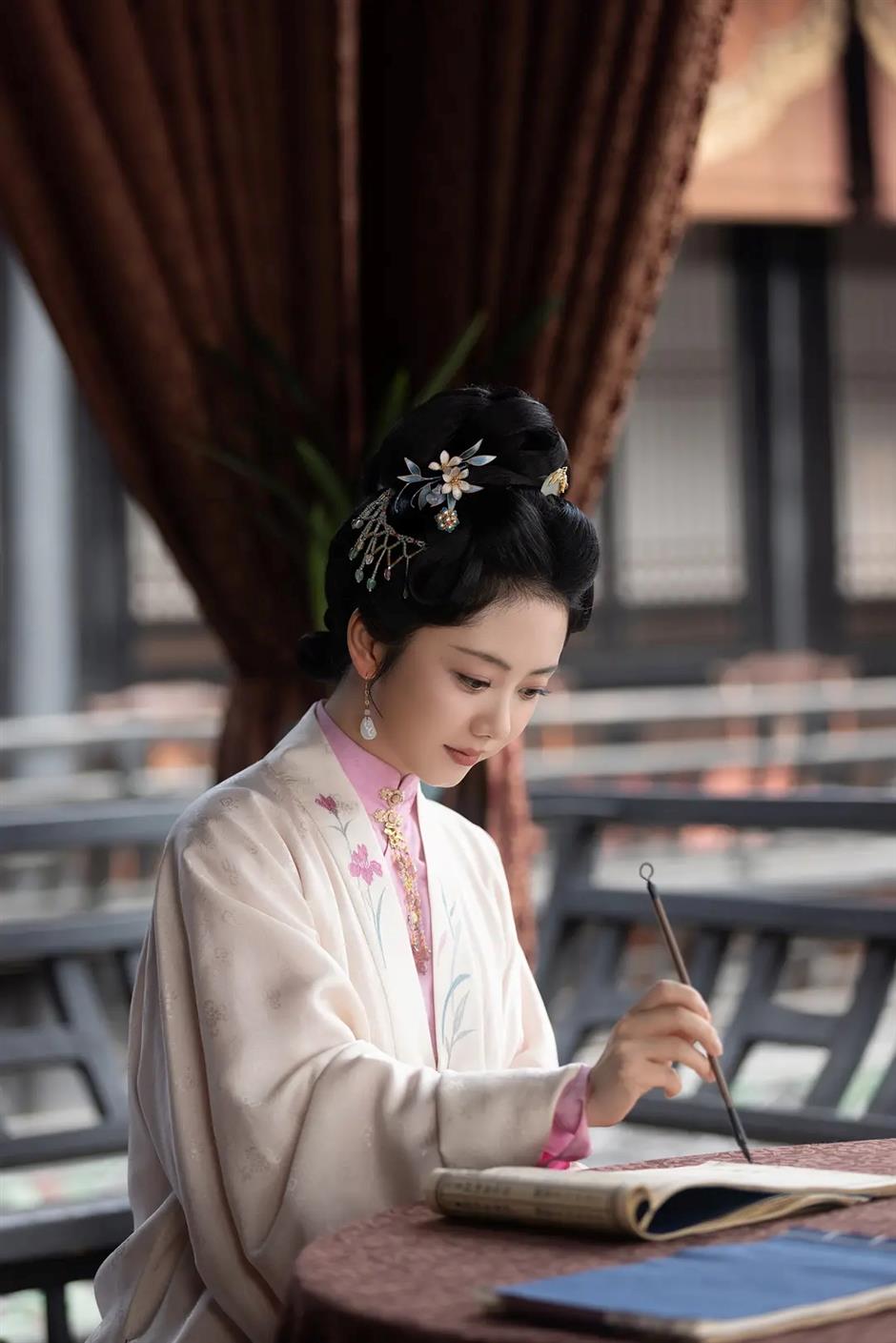
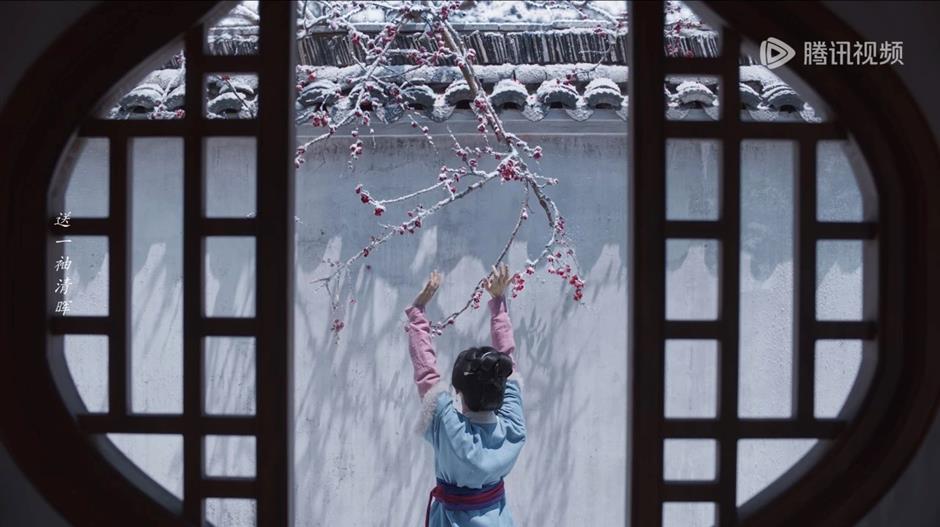
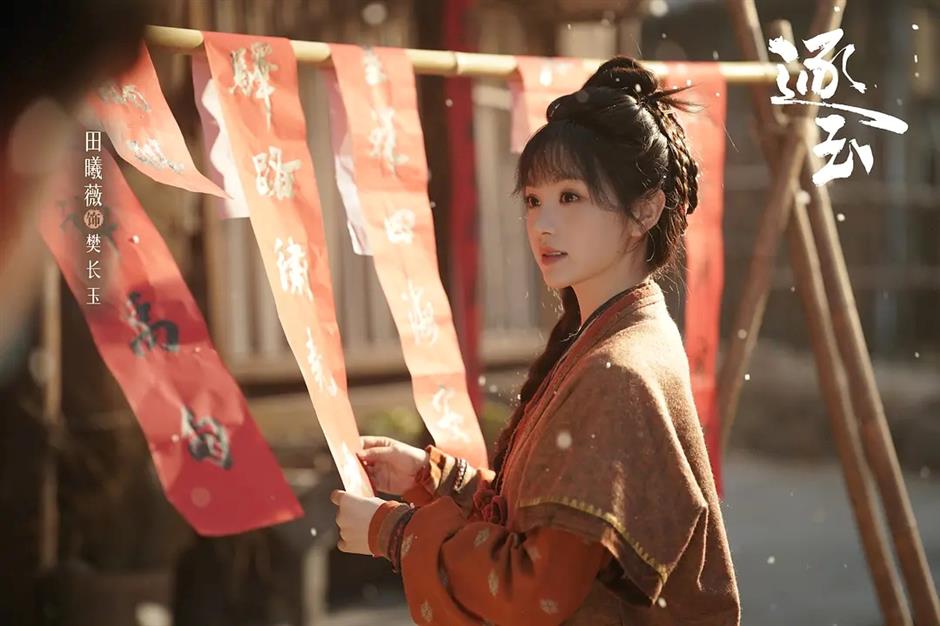
The aesthetics of the series go far beyond visual beauty. By weaving traditional Chinese gardens, classical painting, period costumes, and the subtle, evocative elegance of traditional Chinese aesthetics into its storytelling, the drama ensures that every visual element serves the narrative and deepens its characters.
More importantly, the drama explores how Chinese people confront fate, pain, and embark on a journey of self-discovery. Its success is no coincidence. Its portrayal of universal human experiences has resonated with audiences across cultures, who find in its characters a shared message of resilience and dignity.
In recent years, a growing number of Chinese dramas have gained popularity in overseas markets, and the allure of traditional Chinese culture has drawn more international visitors to China for firsthand experiences.
For instance, Chinese series "Pursuit of Jade" once landed in the top 10 of Netflix's weekly non-English TV chart for two consecutive weeks. Its Netflix views exceeded 11.6 million within just six months. Intangible cultural heritage (ICH) elements featured in the show, such as shadow puppetry, Qinqiang Opera and velvet flower hair ornaments, have sparked heated discussions among overseas audiences.
Integrating Chinese aesthetics and ICH has truly become a prevailing trend in the production of ancient costume dramas. Global audiences are amazed at the scenes depicting China's traditional festival customs, sugar painting, and traditional opera, and these productions have also opened up diverse windows for people to understand and appreciate the charm of Chinese culture.
Editor: Fu Rong
In Case You Missed It...
 Oct 22, 2026