[China Tec] Domestic proton radiation machines deliver cost-effective, modern treatment
Editor's Note
China Tech is a column dedicated to the innovations reshaping China – and, inevitably, the world. From cutting-edge AI labs and next-gen robotics to homegrown apps that redefine daily life, we explore the breakthroughs that emerge from the country's relentless drive for technological dominance. Some are game-changers, others cautionary tales, but all offer a glimpse into the future as it's being built, at breakneck speed, in China.
![[China Tec] Domestic proton radiation machines deliver cost-effective, modern treatment](https://obj.shine.cn/files/2025/04/16/10cbacc9-7565-4cd5-bc3c-686360f40134_0.jpg?x-image-process=style/style-cns)
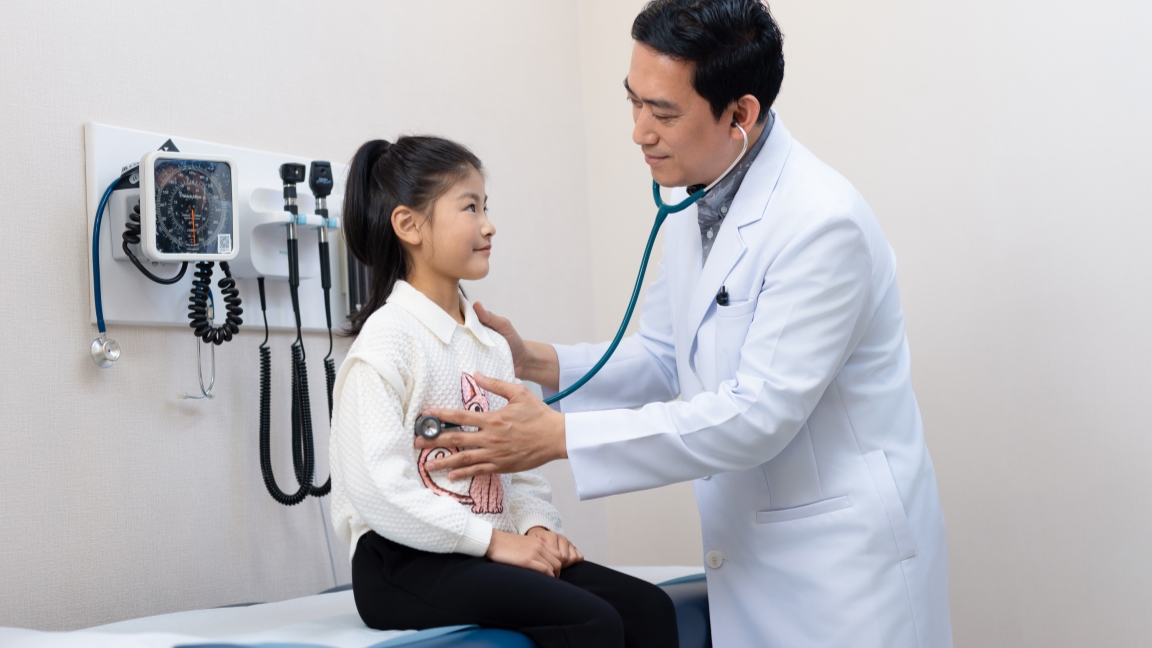
The first Chinese-produced proton radiation system has treated 600 patients, covering approximately 50 malignancies and clinical uses.
The system was certified for official use in November 2023. The 600th patient represents a significant milestone for domestic capability in high-end medical equipment, allowing individuals to obtain advanced radiation treatment at a lesser cost.
Proton is one of the world's most advanced cancer radiation therapies. It can target cancer without harming healthy tissue. Because of the high cost of importing the equipment, proton treatment in China tends to be expensive.
This first domestically produced proton machine represents a significant advancement in Chinese medical technology. The initial therapy costs 40,000 yuan (US$5,462), with subsequent treatments costing 15,000 yuan each. The maximum cost of each treatment is set at 170,000 yuan, which is nearly half the price paid by the Shanghai Proton and Heavy Ion Center, whose German-imported machine costs approximately 300,000 yuan per treatment.
For similar proton treatment in the West, the cost is more competitive. According to doctors in Ruijin, it costs between US$120,000 and US$180,000 in the United Kingdom, US$150,000 and US$200,000 in the United States, and US$73,000 to US$93,000 in Spain.
"Proton treatment is now one of the most advanced forms of radiation. It can provide precise treatment with minimal consequences. Compared to traditional radiation treatment, it can provide better results and more safety to patients," said Dr Chen Jiayi, director of Ruijin Hospital's radiation department, which teamed up with the system manufacturer on innovation and development.
"We also provide proton treatment to children and minors in the city. We have received 23 patients thus far, the youngest of whom is under the age of four years. Everyone has reported positive results."
"In addition, the system has provided treatment for several patients suffering from multiple and severe organ failure, as well as cancer. It has had the impact of both suppressing cancer and protecting organs," she explained.
Standardized database
The information and follow-up data of all patients treated in the domestic system have been entered into a standardized database for international standard evaluation.
More than 95 percent of patients have had regional cancer control, with no significant toxicities observed.
"Compared with systems produced in other countries, the domestic one has a similar and even better performance on overall survival, cancer control rate, and complication control," according to Chen.
"We have also teamed with leading domestic hospitals and experts to develop clinical guidance by ourselves to perfect medical practice and form China's technical standard and instruction to help solve the key technology for domestic equipment development."
The medical costs of proton treatment are not covered by government-run medical insurance but rather by commercial insurance and huhuibao, a private budget supplementary medical insurance for Shanghai residents.
For expatriates, the hospital works with major medical insurance carriers and has already begun offering direct billing services.
![[China Tec] Domestic proton radiation machines deliver cost-effective, modern treatment](https://obj.shine.cn/files/2025/04/16/8f7135b6-19ac-4228-808d-8c8cf390e790_0.jpg?x-image-process=style/style-cns)
If you go
The proton therapy center of Ruijin Hospital is in the north branch of Jiading District at 889 Shuangding Rd.
In Case You Missed It...
 Sep 29, 2025
![[Expats & Ailments] Clinic Brings New Hope to Pancreatic Cancer Patients with Liver Metastases](https://obj.shine.cn/files/2025/09/23/b2281e8f-be6e-4465-8c70-535ce11ee1c3_0.jpg)
![[China Tech] Shanghai researchers deploy robot to make nuclear medicine safer and precise](https://obj.shine.cn/files/2025/09/22/cc6892d1-9047-424b-890b-8c0abca656c2_0.jpg)
![[Expat & Aliments] Canadian treated for rare intestinal disorder in Shanghai](https://obj.shine.cn/files/2025/09/21/80b28195-717e-46f3-ae19-11a342e1c65f_0.jpg)
Popular Reads

AI-Faked Video of Eastroc Founder Triggers Selloff; Creator Detained

Naked Man Calls Police After Neighbor Photographs Him and Posts Image in Residential Chat Group
'Swords into Plowshares' Leads Winners at 31st Shanghai TV Festival Magnolia Awards