The Risks to Your Eyes While Playing Badminton
Badminton is popular, but it may poses serious eye risks. Ophthalmic emergency physicians are urging enthusiasts to raise awareness and adopt proper protective measures.
A shuttlecock can deliver tremendous impact force to the eye, as it may travel at speeds of up to 250 kilometers per hour.
"A direct hit to the eye can result in mild conditions such as hyphema – bleeding in the anterior chamber – while severe cases may lead to retinal detachment or even ocular rupture," explained Dr Shao Yuting from the ophthalmology department of Shanghai Tongji Hospital during a health promotion campaign. "Such injuries, caused by shuttlecock impacts, are the most common form of eyeball contusion we see.
"I recently admitted an emergency patient with a left-eye retinal detachment; the injury nearly caused permanent blindness."
Badminton-related eye trauma is far from rare. It accounts for 23 percent of all eye injuries caused by ball games, ranking second only to basketball. In ophthalmic emergency departments across parts of China, it constitutes 25 to 30 percent of all eye trauma cases.
"Extreme speed is the primary cause of injury. The eyeball protrudes 12 to 14 millimeters beyond the eye socket with no natural protection. A direct shuttlecock strike delivers enormous impact," Shao noted. "Most accidents occur during doubles, when players turn to look back at their partner behind them."
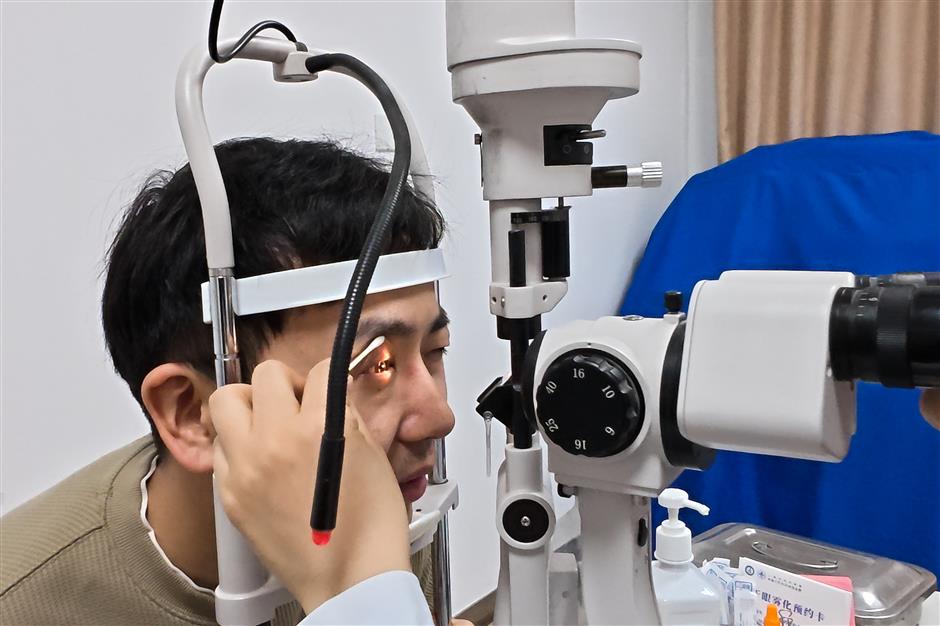
Clear first-aid guidelines apply if an injury occurs:
- For blunt eye trauma (no open wound): Do not press or rub the eye. Gently cover it with a clean cloth and seek immediate medical attention.
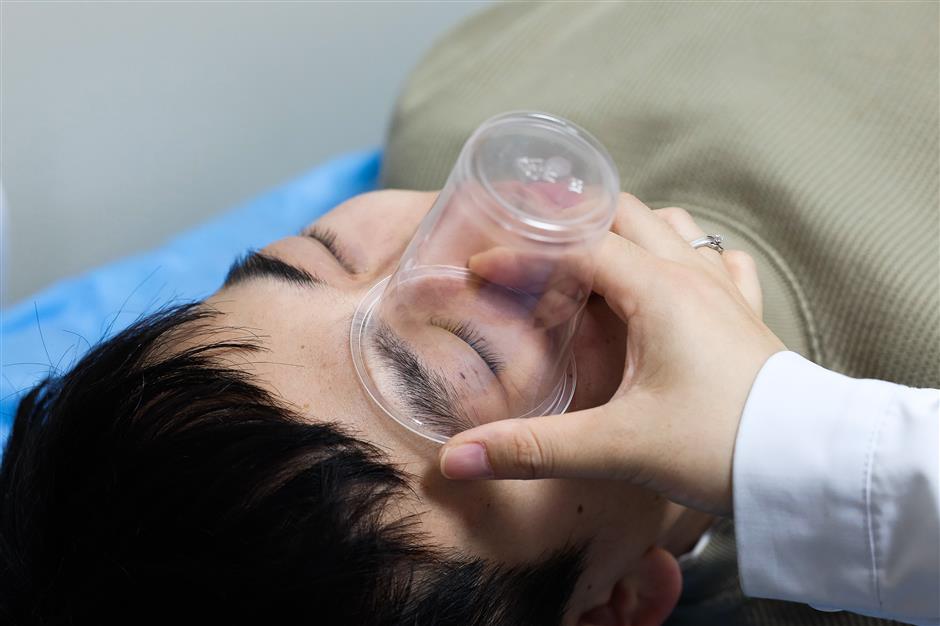
- For suspected ocular rupture (with warm fluid sensation): Follow the key principle – do not pull, press, or rinse the eye. Place a paper cup loosely over the injury and proceed to the hospital urgently.
- For eyelid bruising or swelling: Do not overlook the injury. Apply cold compresses within 48 hours. If blurred vision, double vision, pain in eye movement, or dark discoloration around the eye appear, consult an ophthalmologist immediately.
The core rule is to stabilize the eyeball, protect the injured area, and receive emergency treatment as soon as possible.
"Many people overlook one highly effective safeguard: protective sports goggles. They withstand impact forces far stronger than ordinary glasses – up to ten times more resistant – and custom prescription versions are available for myopia and astigmatism," said Shao, who won the first prize in the monthly competition, which is organized by Shanghai Health Promotion Center and has invited resident doctors from 32 hospitals citywide to promote health education through accessible and engaging language.
Editor: Fu Rong
Popular Reads

China's Automaking Juggernaut Pushes Into Europe, Shifting the Industrial Landscape
Shanghai's Smart Healthcare Practices Shared at Geneva Conference Empowered by AI
Shanghai Job Fair Merges Music And Tech To Attract Global Talent