[Only In SH] What It Was Like to Grow Up in Shanghai's Shikumen?
Editor's Note
Everyone knows the Bund. Fewer people know the sound of mahjong echoing through a Shanghai lane at dusk.
This Only In SH series explores the side of Shanghai that often escapes travel guides – the old alleyways, neighborhood eateries, fading shop signs, strange local habits, forgotten stories and everyday rituals that continue to shape the city beneath its modern image.
Have you ever wondered what life was like when several Shanghai families squeezed into one Shikumen house, sharing kitchens, gossip, sunlight, and everyday chaos?
To understand Shanghai, you cannot only look up.
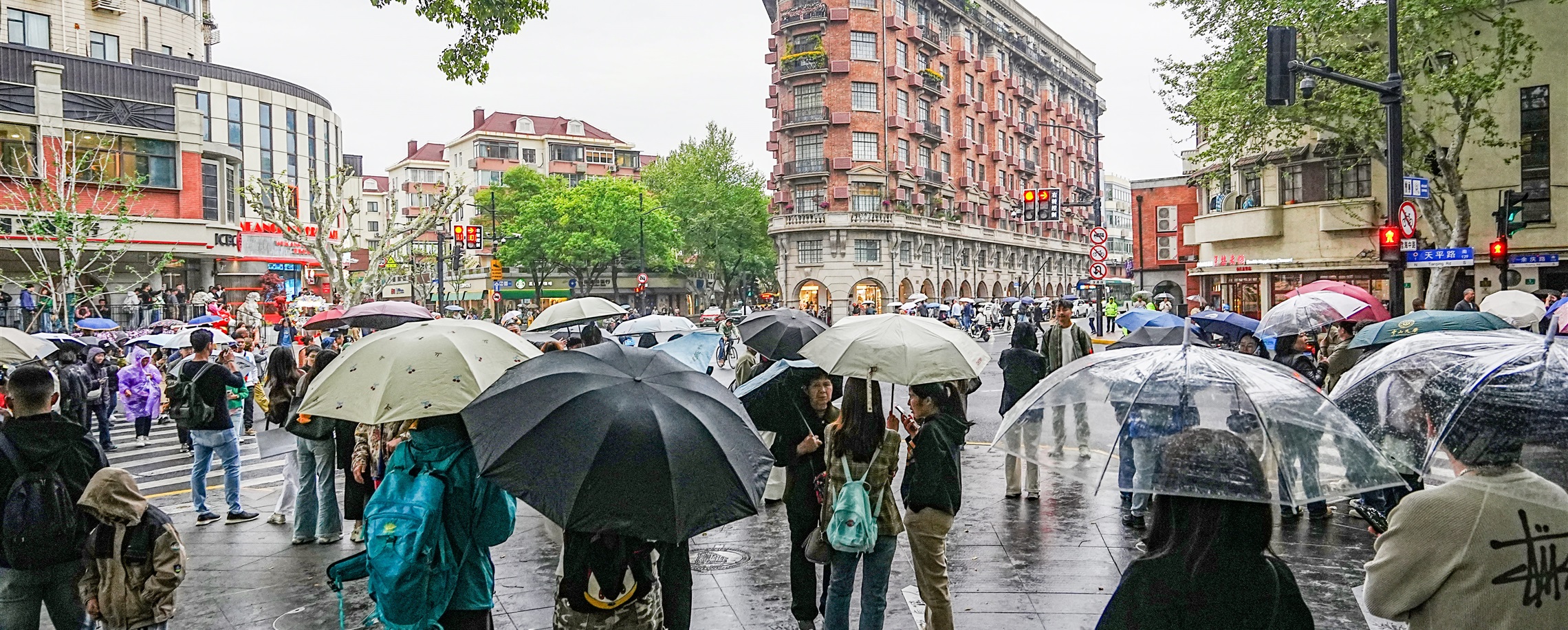
Yes, the skyline matters. The glittering towers of Lujiazui, the rooftop bars, the futuristic trains speeding through the city. That is one version of Shanghai.
However, the true essence of the city has always resided at a lower level.
It lives inside the narrow lanes of Shikumen.
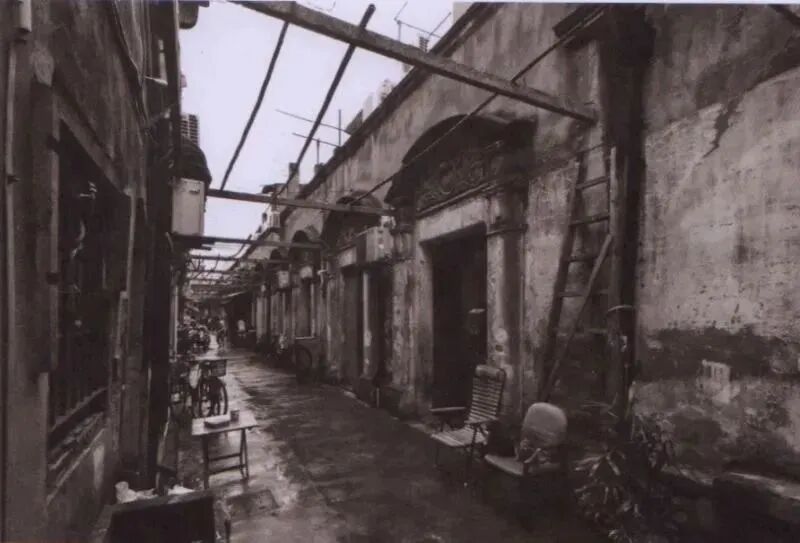
Walk through one of these old alleyways, and suddenly Shanghai changes pace. The traffic noise fades. Laundry sways overhead like colorful flags. Someone is peeling vegetables by the doorway. An old radio hums with a Shanghainese opera tune. A grandmother sits outside with a bamboo chair, watching the lane as if it were her living room.
In Shanghai, it once was.
![[Only In SH] What It Was Like to Grow Up in Shanghai's Shikumen?](https://obj.shine.cn/files/2026/05/09/d72284ce-c850-432f-9fe6-e5c5ae05dbaa_0.jpg)
The Architecture of In Between
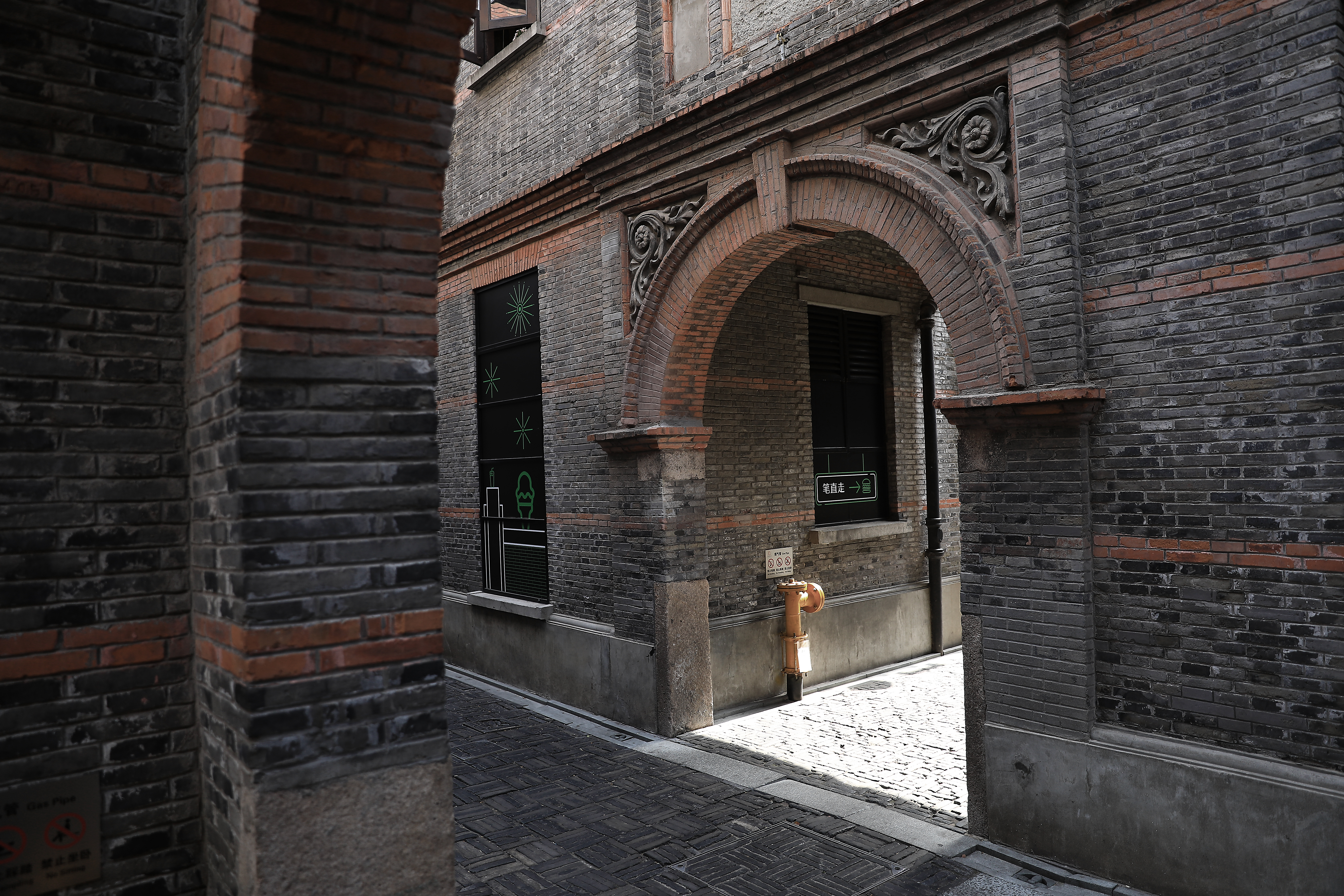
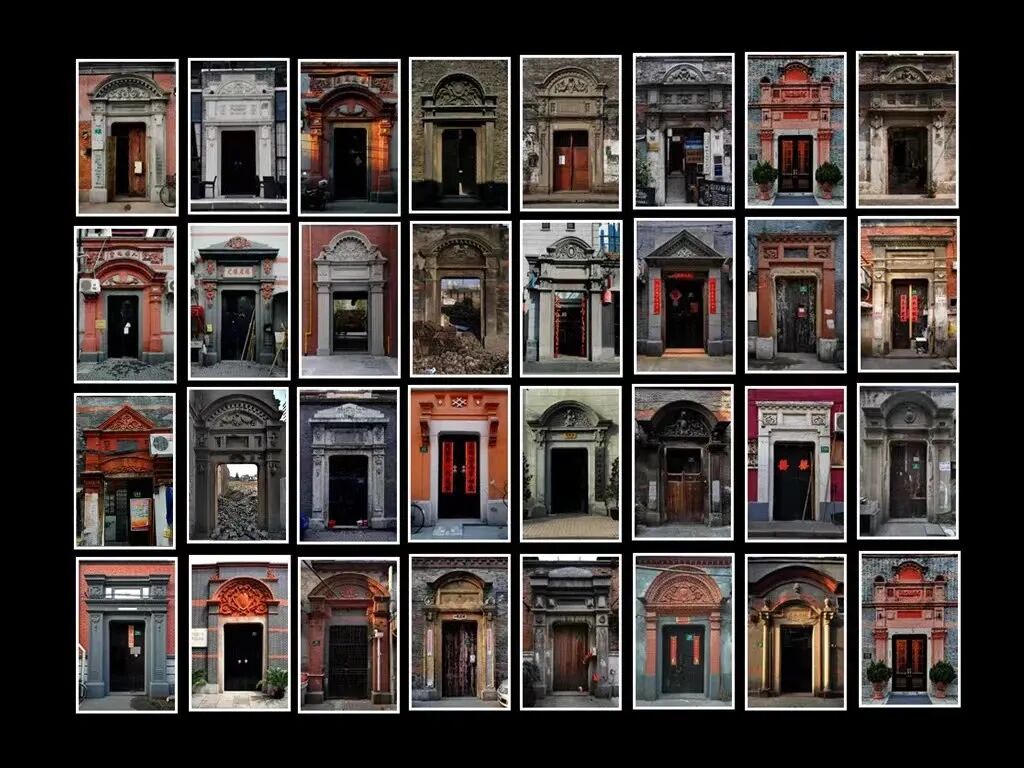
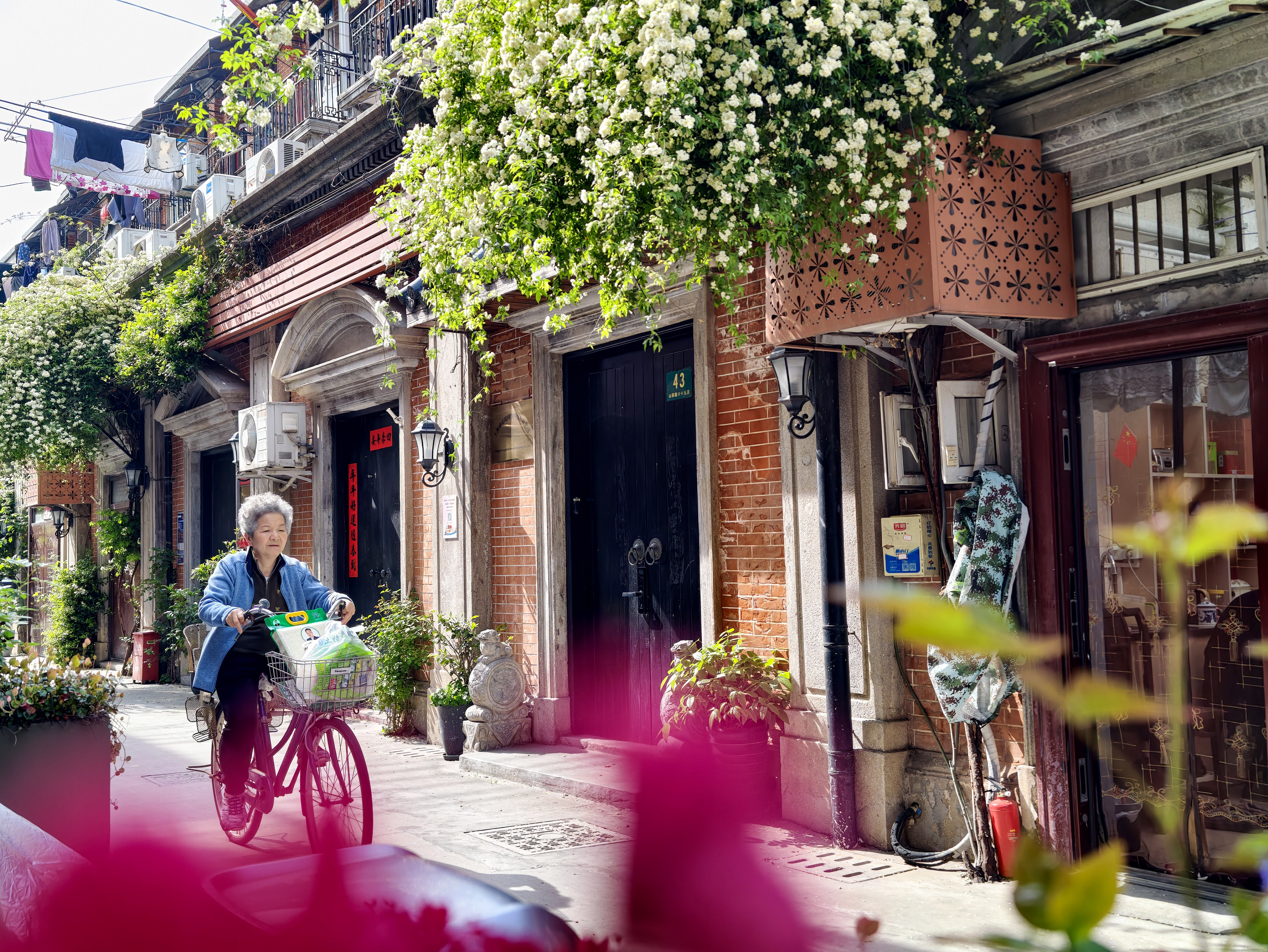
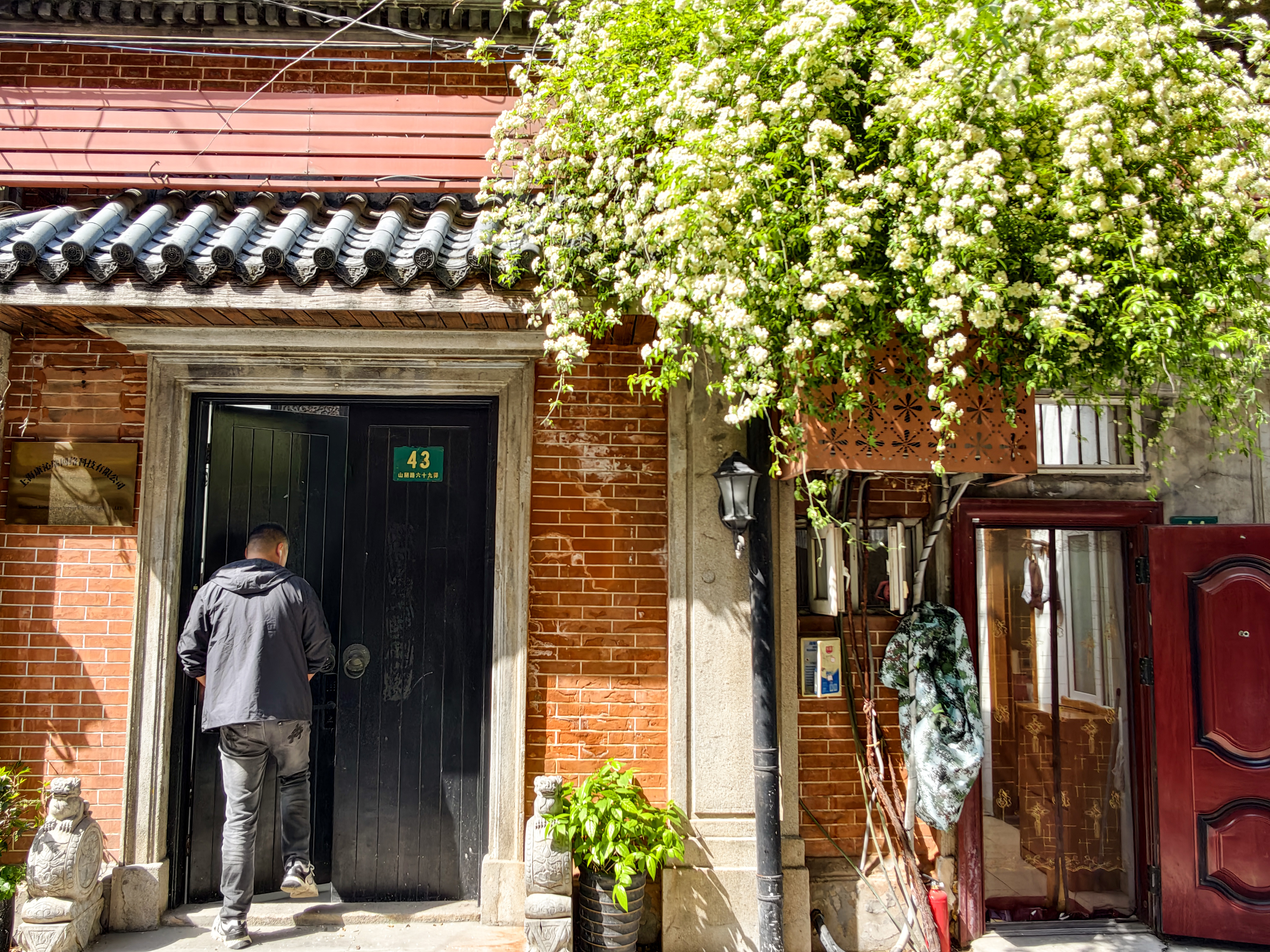
Shikumen literally means "stone gate houses," named after their heavy black wooden doors framed with stone.
But calling them a type of architecture feels too simple. Inside these lanes, Shanghai's unique way of life slowly took shape.
Built from the late 19th century onward, Shikumen homes blended Chinese and Western influences in a way that felt entirely new. Traditional Jiangnan-style courtyards met the design of European row houses. Gray brick walls stood beside Roman-inspired arches. Chinese wooden interiors hid behind distinctly Western facades.
The city itself was learning how to mix identities, and Shikumen became the blueprint.
That duality still defines Shanghai today. East and West. Tradition and reinvention. Intimacy and ambition.
A Million Tiny Lives
For decades, these tightly packed lanes were home to ordinary Shanghainese families and the small routines that made up daily life.
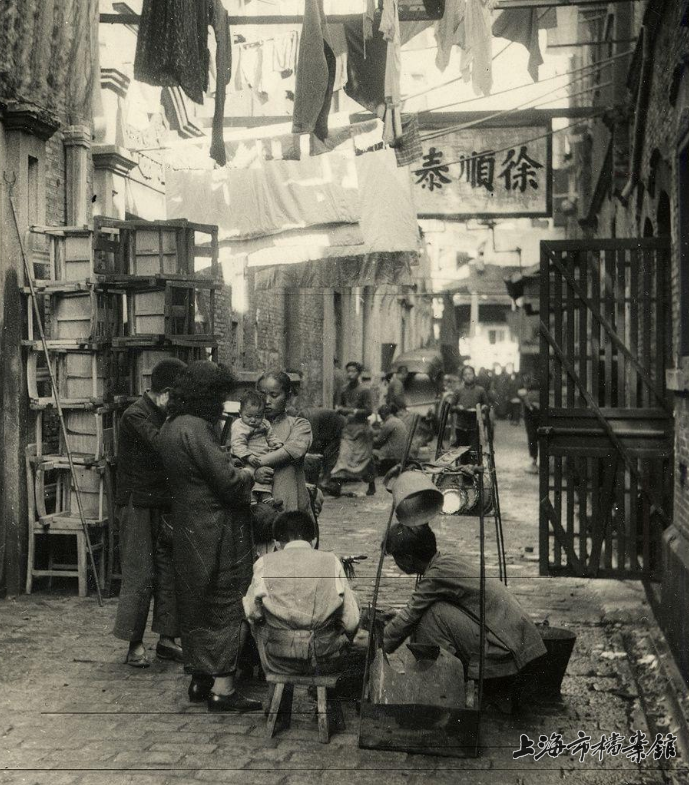
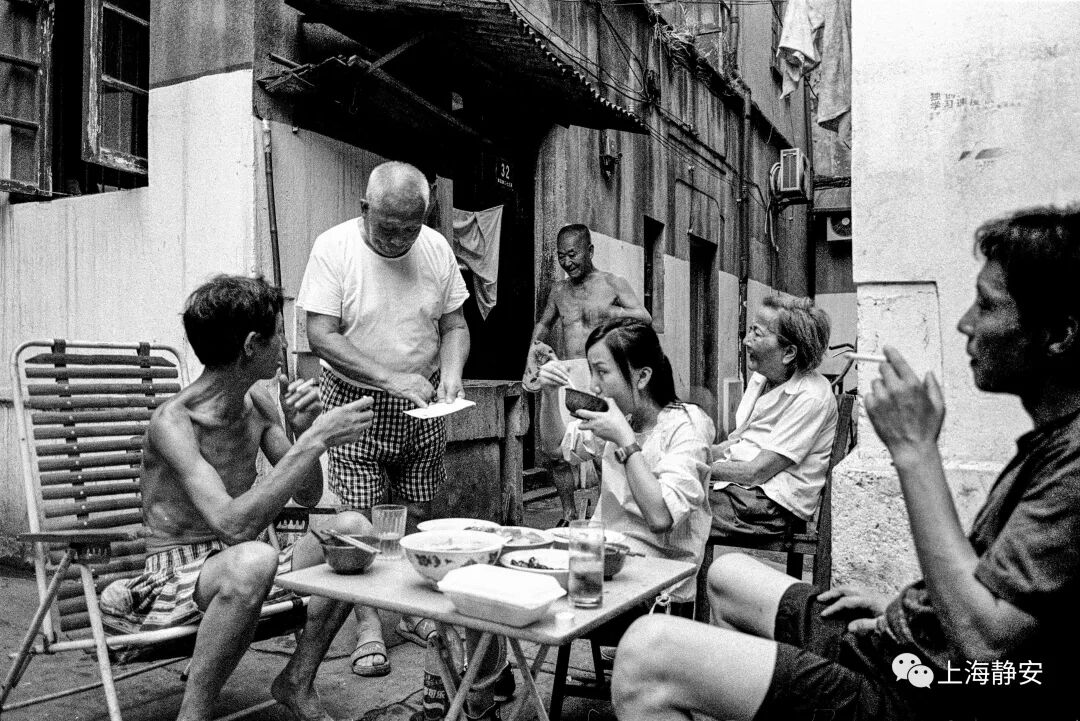
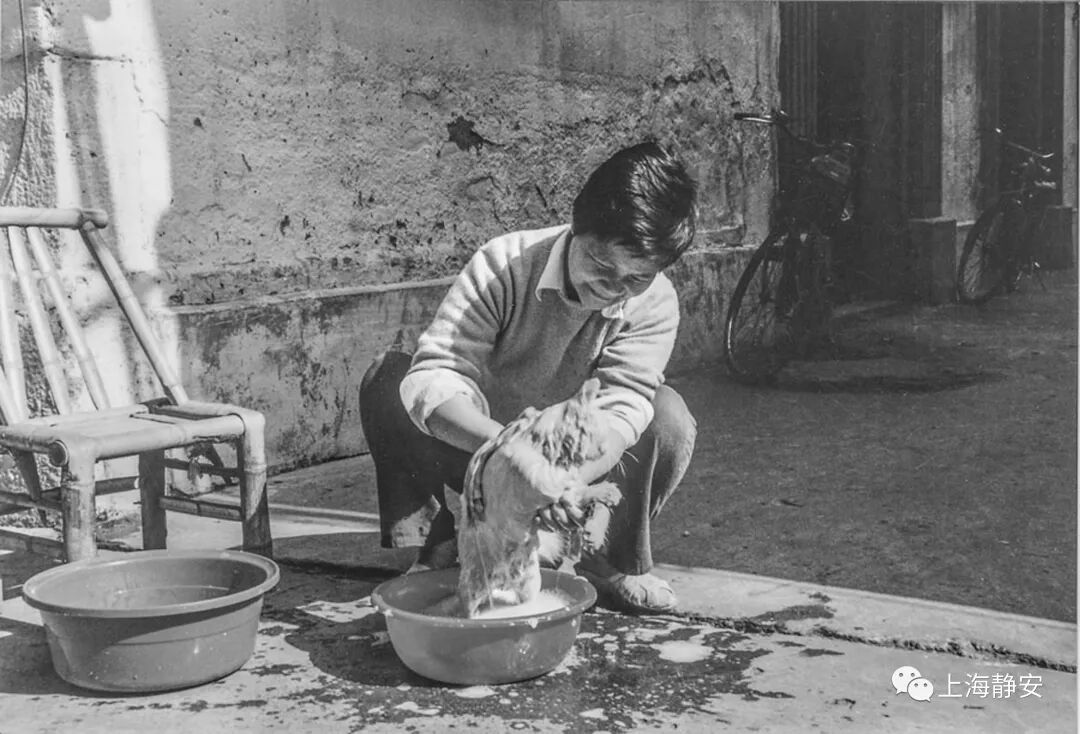
In many Shikumen houses, three or four families, sometimes even seven or eight, lived under the same roof, creating the crowded neighborhood life later remembered through the Shanghainese expression "72 tenants."
![[Only In SH] What It Was Like to Grow Up in Shanghai's Shikumen?](https://obj.shine.cn/files/2026/05/13/9a94ce7b-46e5-431d-8cd6-a6cf40f030c1_0.jpg)
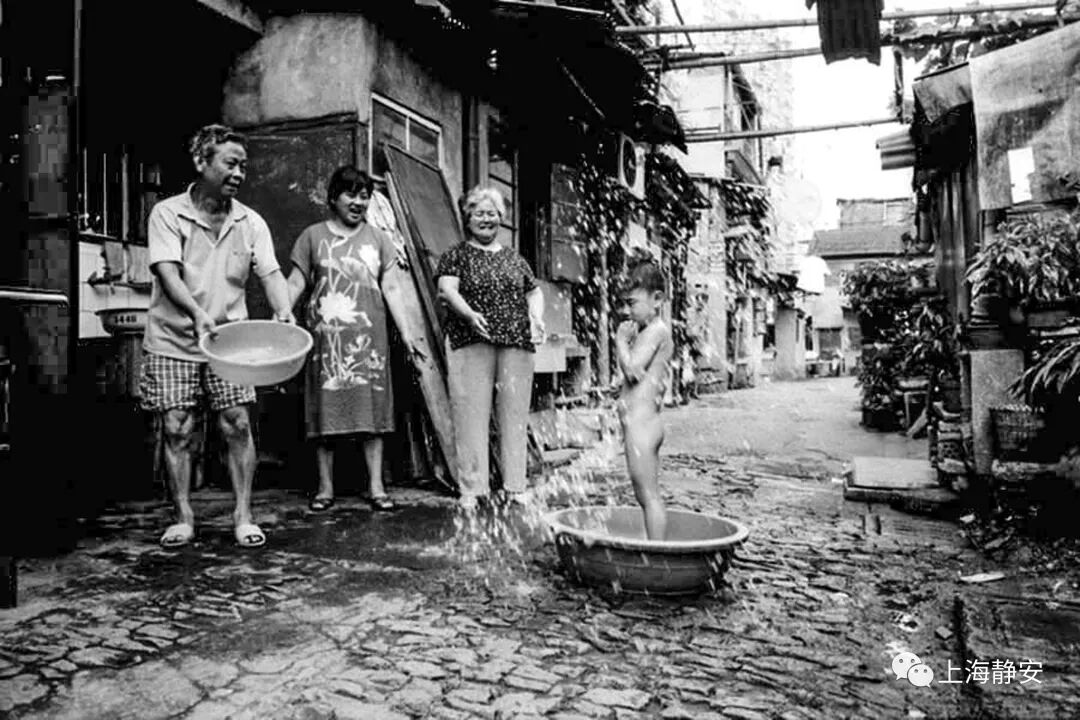
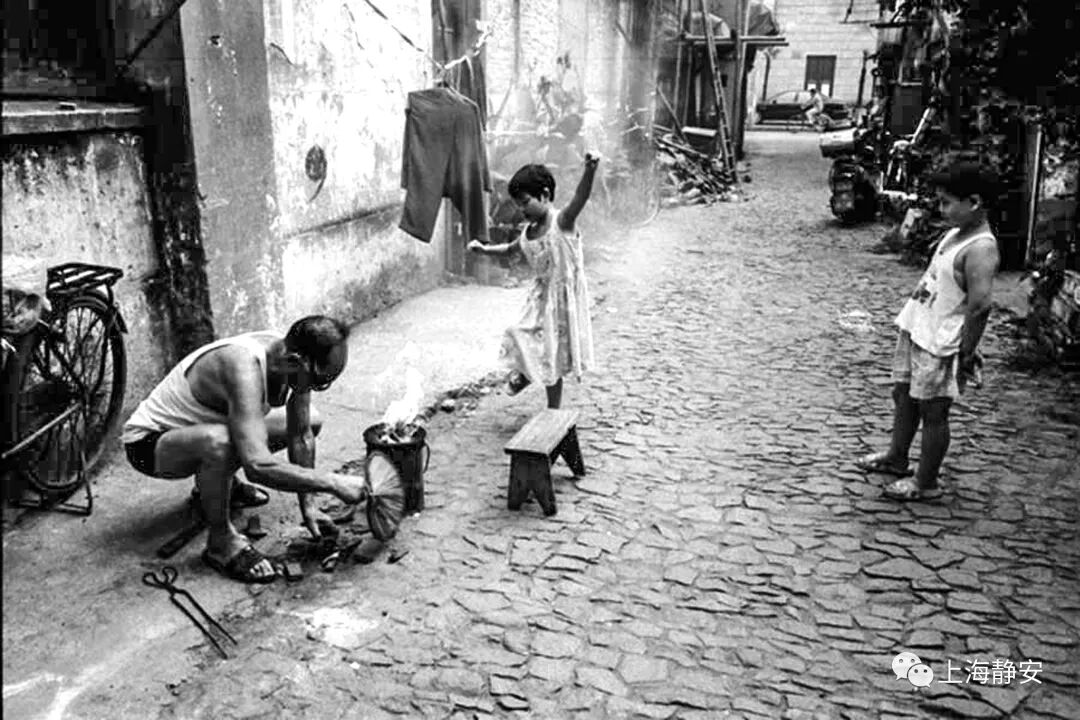
Families shared kitchens. Neighbors borrowed soy sauce from one another. Children raced through alleyways playing games until dinnertime. Hawkers pushed carts through the lanes each morning, their calls becoming part of the neighborhood's daily clock.
There was very little privacy, but there was always a sense of community.
People knew what was happening next door, across the lane, and sometimes even upstairs. Who got married. Who burned the dinner. Whose son passed an exam. Which auntie had a sharp tongue but a warm heart.
Daily life happened out in the open, noisy, crowded, and deeply connected.
And for many Shanghainese, that is exactly what makes Shikumen so difficult to forget.
Laundry as Urban Poetry
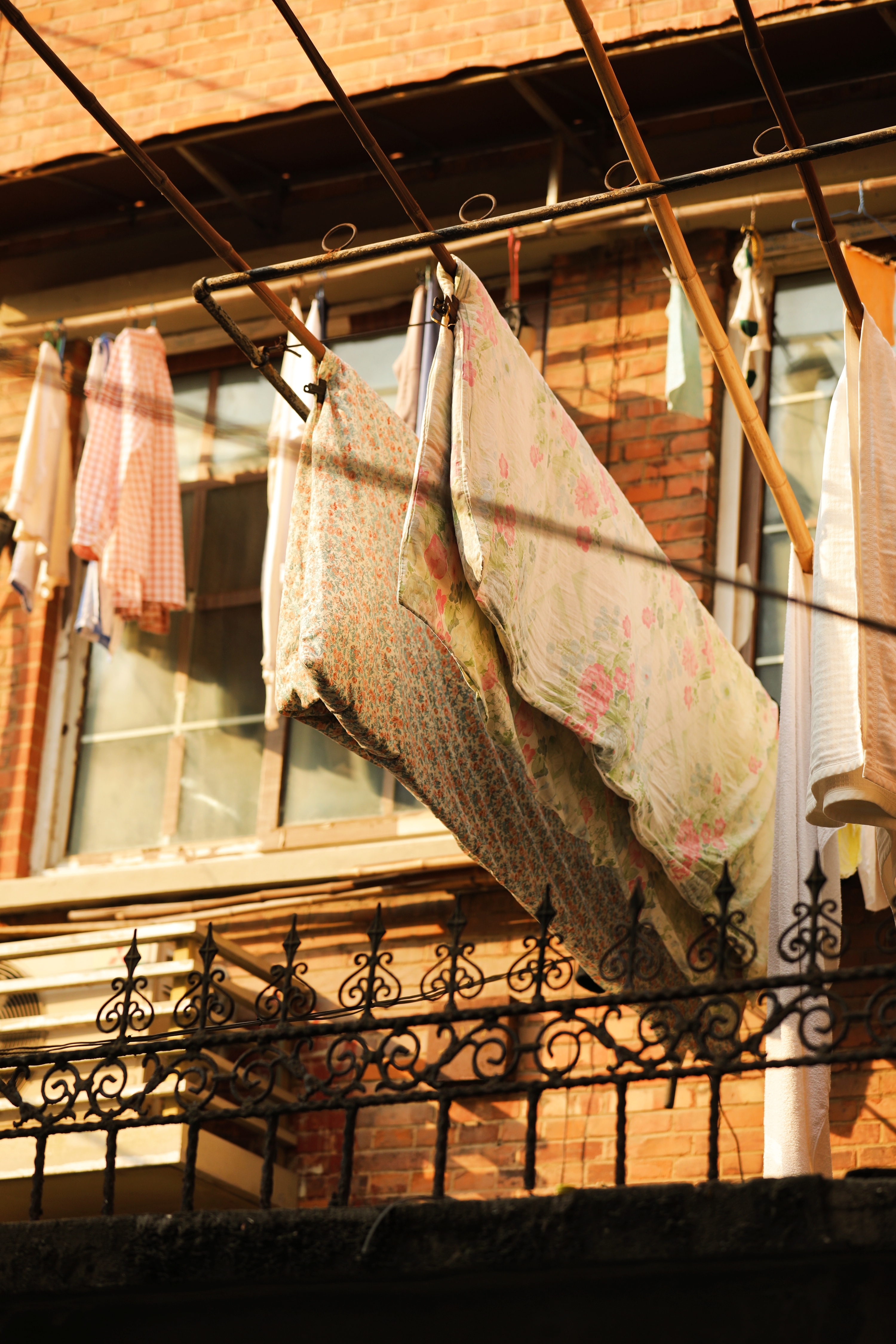
One of the most iconic scenes in old Shanghai was the laundry.
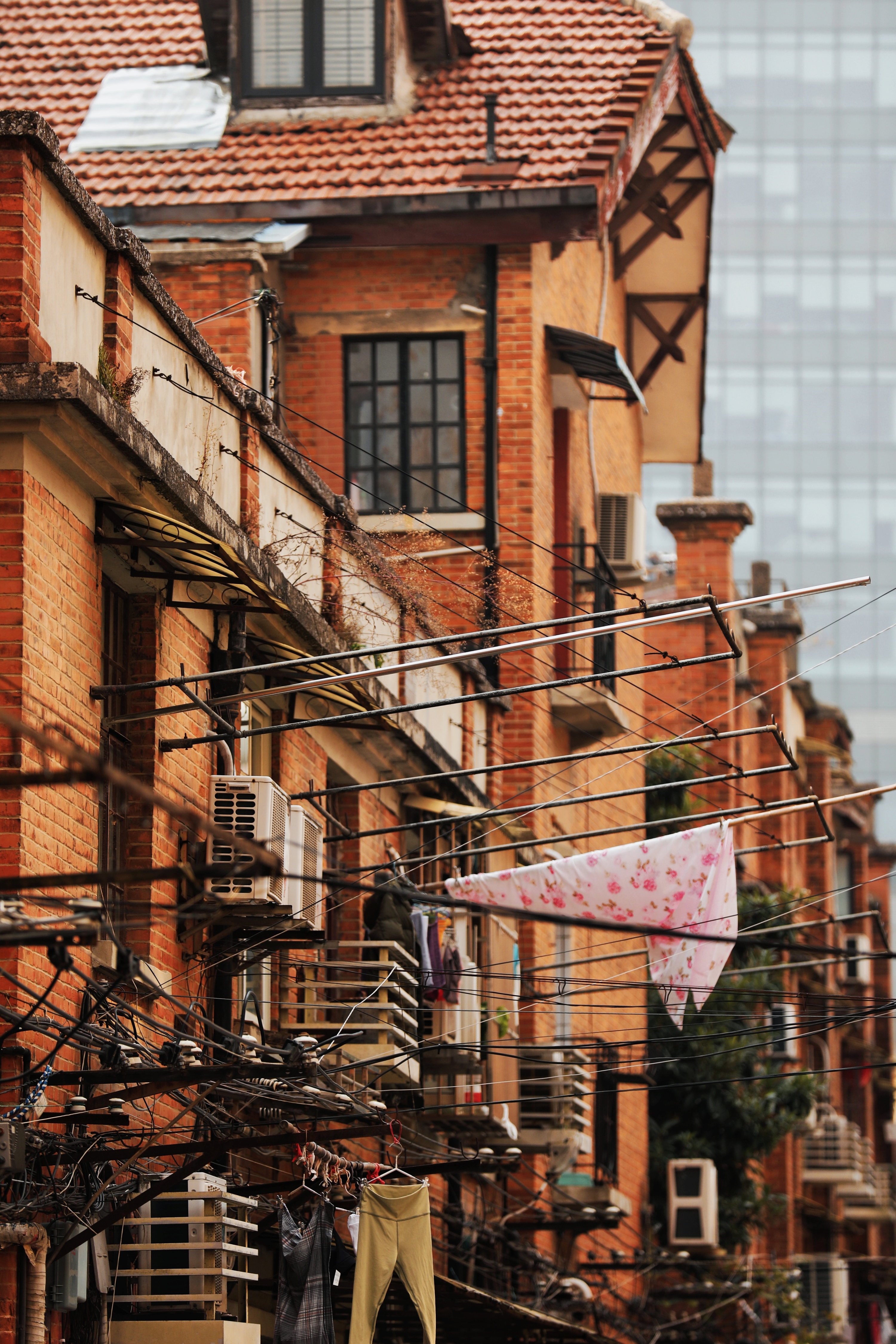
Because space was so limited, clotheslines stretched across the alleys overhead in endless layers. Bedsheets, floral shirts, school uniforms, and quilt covers, all dancing above pedestrians in the humid air.
On sunny days, the entire neighborhood became a floating textile exhibition.
You had to duck under dripping sleeves while weaving around bicycles, washbasins, and old men reading newspapers shirtless in the summer heat.
Messy? Completely.
Beautiful? Absolutely.
It was Shanghai's version of street art.
The City Changed Faster Than Memory
As Shanghai modernized, much of the old Shikumen life disappeared.
Families moved into high-rise apartments with elevators, private bathrooms, and bright kitchens. Convenience stores replaced tiny corner shops. Air conditioners replaced bamboo fans. Silence replaced the constant soundtrack of lane life.
For many people, life became more comfortable but less connected.
One elderly resident recalled finally moving into a modern apartment with two bathrooms and a bathtub. Her family thought she would love it. But she still preferred the old Shikumen neighborhood.
Not because it was easier.
Because downstairs, someone always knew her name.
She could sit outside in the sun, engage in conversation with her neighbors, and feel a sense of belonging to a vibrant community.
That was the real luxury.
Why Shanghai Still Protects Shikumen
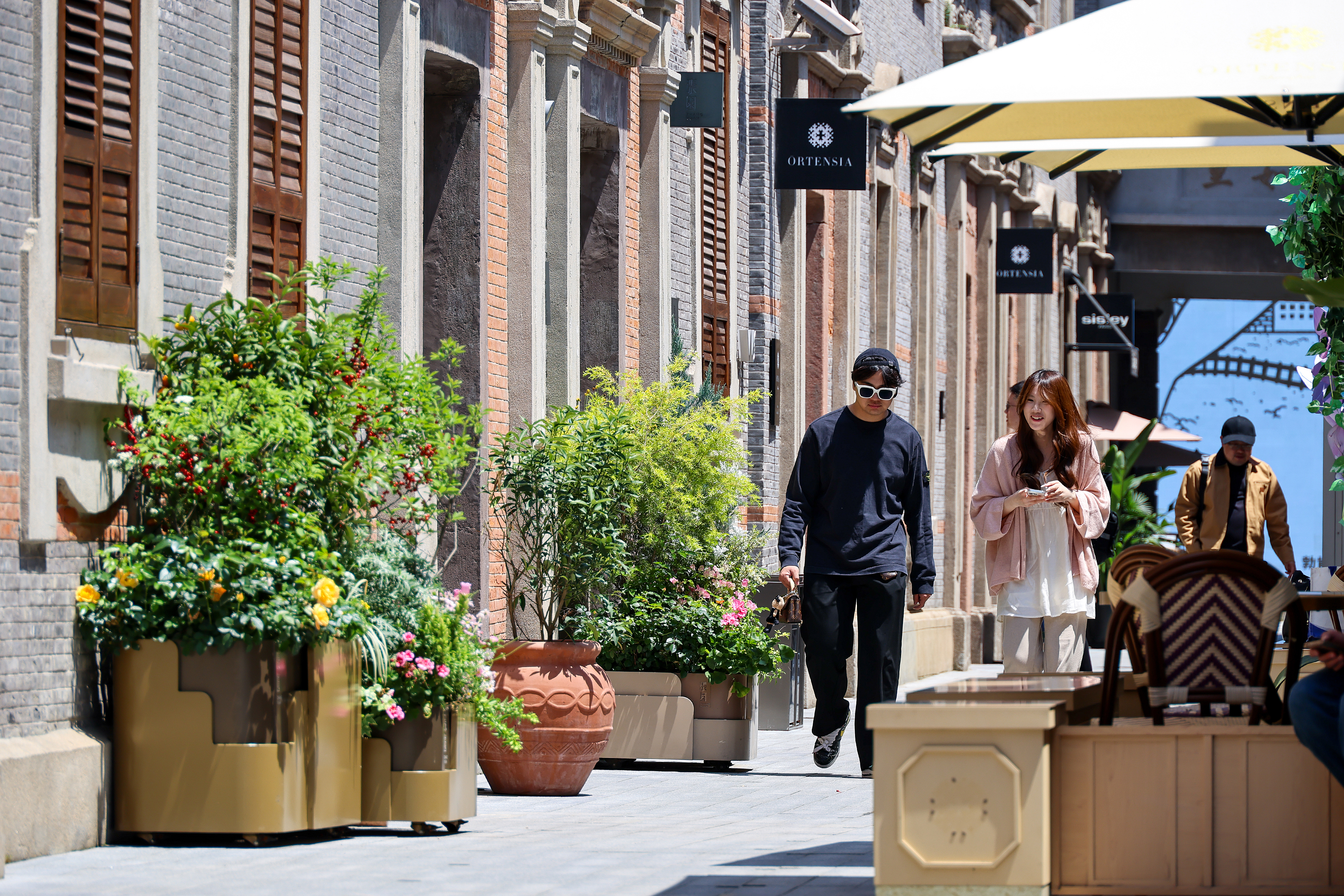
Today, many Shikumen neighborhoods are gone, but some remain carefully preserved.
These neighborhoods evoke memories of aspects that the modern city fears losing.
Shanghai is often described as China's most futuristic city. But beneath all the steel and glass, it still carries deep nostalgia for warmth, density, noise, and human closeness.
Shikumen reminds Shanghai that a city is not only built from architecture.
It is built from the small details of daily life.
The sound of mahjong tiles through open windows.
The smell of rice cooking in shared kitchens.
The echo of footsteps in narrow alleys after rain.
The feeling that someone next door is always home.
And perhaps this is why Shanghainese individuals often become emotional when discussing these historic lanes.
Because for generations, behind those stone-framed doors, life was never spectacular. It was simply shared.
Is there a way of life from your hometown that still makes you feel nostalgic?
Editor: Fu Rong