
Poetry and Artificial Intelligence: Can Machines Truly Write Like Humans?
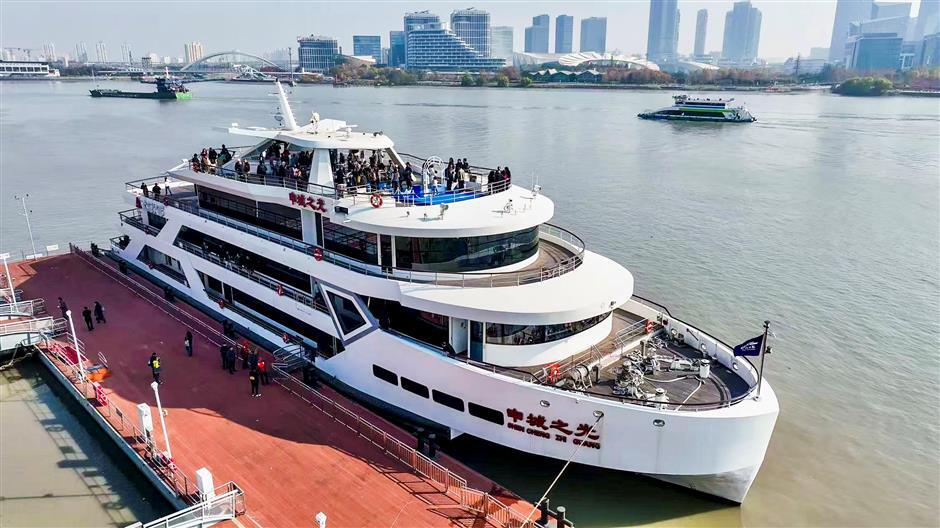
The 10th Shanghai International Poetry Festival was held in the city from December 6-9, bringing together poets from around the world to explore a bold question: Can artificial intelligence write poetry like a human? Set against the scenic Huangpu River, the festival blended technology with the humanistic spirit of poetry, showing how the two can interact.
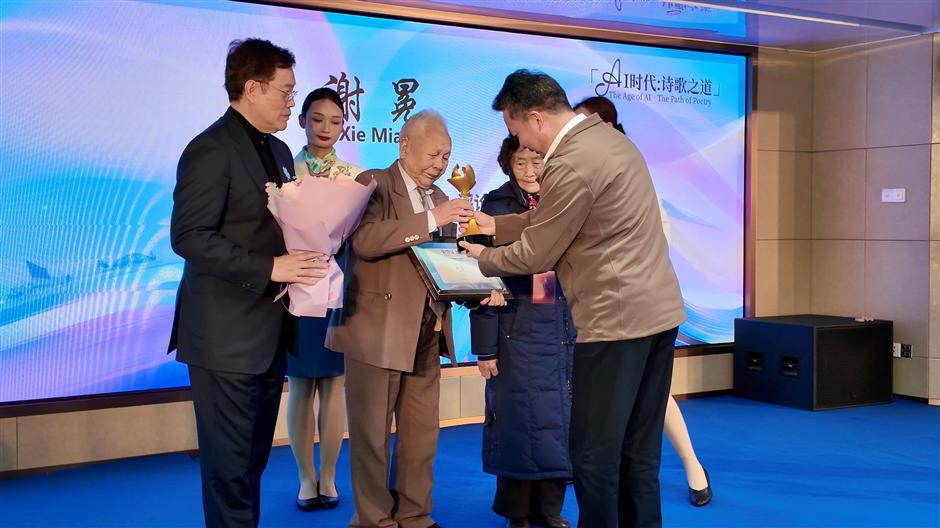
This year’s Golden Magnolia Poetry Award went to Xie Mian, a renowned Chinese poet and professor at Peking University.
Reflecting on poetry’s importance in a materialistic world, Xie said: “In this age of highly developed materialism, the great abundance of materialistic items makes us miss poetry especially. Our hobby poetry can improve ourselves spiritually, and provide spiritual enjoyment. Putting material enjoyment in a secondary position, the first and most important thing is spiritual enjoyment and spiritual development.”
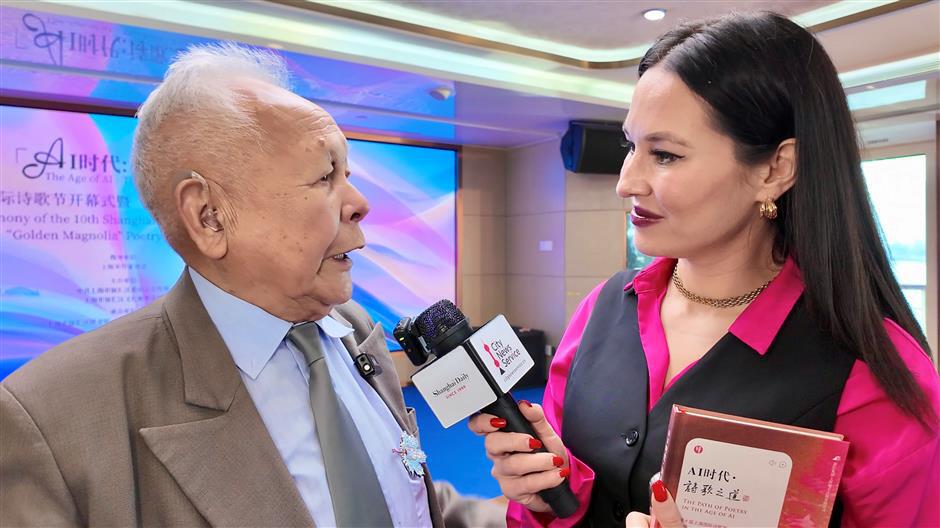
Under the theme “The Age of AI, The Path of Poetry,” the festival explored both the opportunities and limits of artificial intelligence.
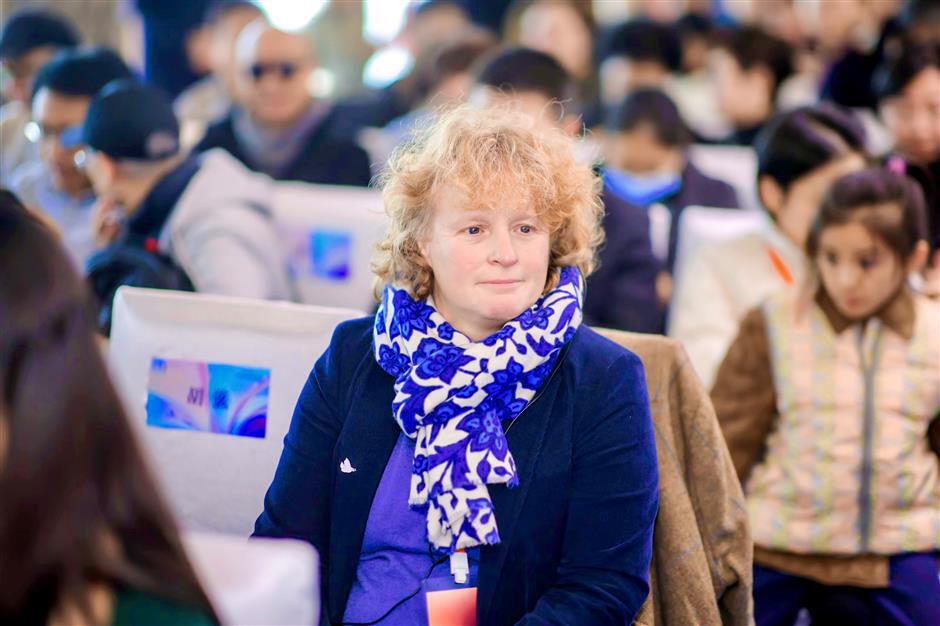
French poet Sonia Bressler explained, “Artificial intelligence does not really exist. What exists is algorithm. It’s purely mathematical probabilities. People think they can ask AI for a poem, but it will only be a reproduction. It is not a creation.
She emphasized that true poetry comes from the human heart: “Poetry is something we create ourselves in intimacy that is, something that comes from within us. AI might help us rephrase something, but it will not create poetry itself. The danger is making people believe it can.”
German poet Matthias Politycki added, “Intelligence tries to produce poetry, but the most important thing is missing the emotion that makes you write. If it was artificial emotion, that would be something completely different.”
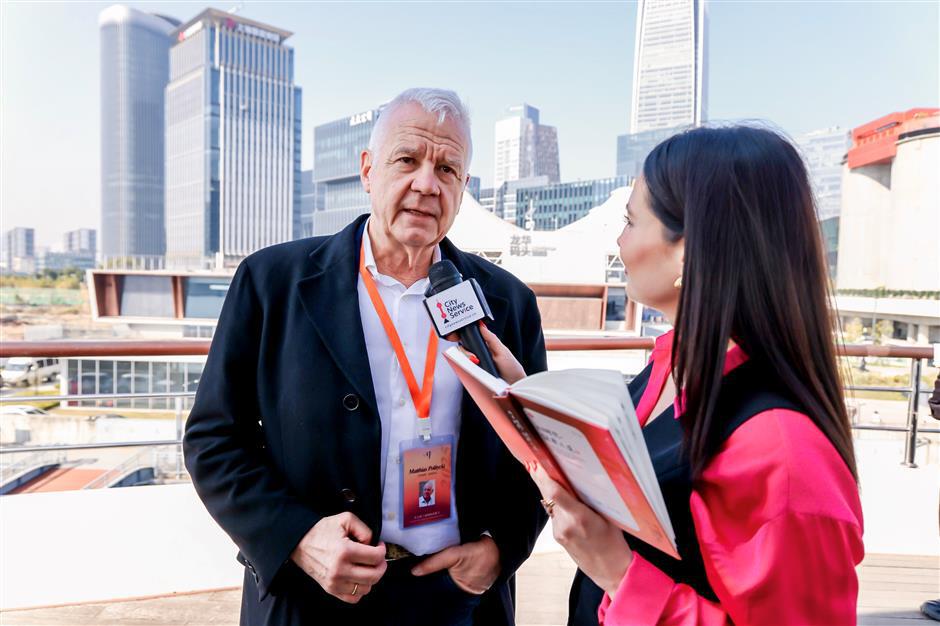
Poetry is like a ship sailing on uncharted waters, navigating between human emotion and the logic of AI. Machines can provide rhythm or structure, but they cannot replace the human voice.
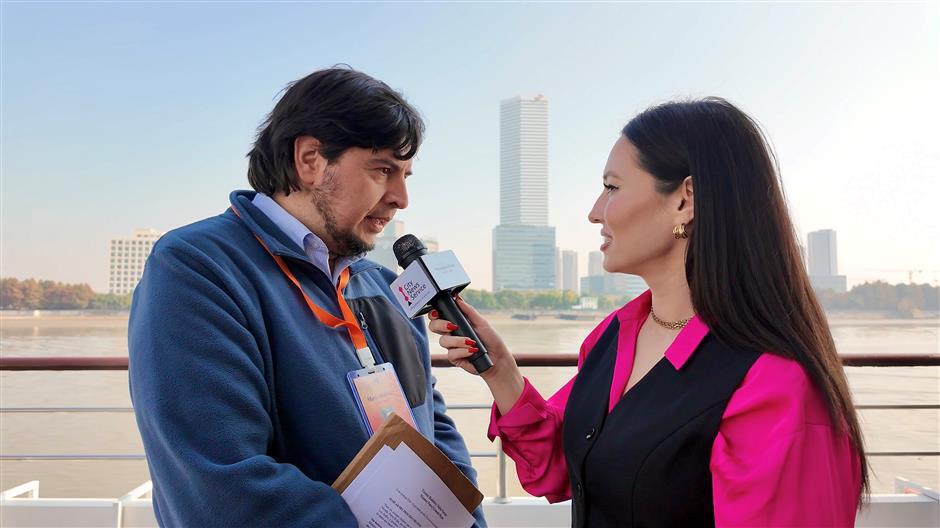
Chilean poet Mario Meléndez reflected on poetry’s role in society: “The poet is a translator of his time; the artist, in general, is a translator of his time. There is a moral, social, and political obligation to translate what is happening in the world.” For Meléndez, poetry is more than words; it is a way to witness and interpret reality.
In Case You Missed It...
 Dec 22, 2025


![[China Tech] Local Pediatric Hospital's Research Ward Attracts Overseas Patients](https://obj.shine.cn/files/2025/12/20/b4d1d747-2404-4ab3-abbc-9a3bc83a9222_0.jpg)