The Quiet Confidence of Contemporary Shanghai
Returning this summer as a visiting artist at the Swatch Art Peace Hotel residency feels like revisiting an old friend who has matured in surprising ways and become more assured.
I lived in Shanghai from 2009 to 2012 and taught at Shanghai International Studies University (SISU). During those years, I was teaching sociolinguistics and researching language change.
Now my home for three months in the city faces the Huangpu River, which divides Shanghai into two dramatic visions of China, with the Bund wearing its stately European facades with theatrical elegance, while Pudong glitters across the water like a science-fiction skyline.
Yet beneath these familiar postcard views, Shanghai, for me, has quietly transformed into a city that feels less eager to impress the world.
Fourteen years ago, I was contracted at SISU to teach a cohort of graduate students who would become teachers of English. I stumbled through basic Mandarin phrases while relying heavily on the kindness of bilingual strangers; there seemed much more of an interest to learn and use English.
Today, I hear noticeably less English spoken in shops and cafés, especially by the younger generation. This phenomenon reflects something larger than the city no longer feeling obligated to meet the world on its linguistic terms.
Instead, technology has stepped in, with translation apps effortlessly bridging conversations, in English as well as any of the languages spoken by visitors to this city. Menus appear instantly on my phone, and whether I need to buy earphones at Huawei or a particular kind of silk at the fabric market, everyone has a smartphone they speak into, which makes linguistic barriers invisible.
Cultural continuity
My own linguistic research in this city demonstrated that economic prosperity and language maintenance reinforce one another. In many parts of the world, dialects disappear because speakers associate them with limited opportunity, but in Shanghai, prosperity allowed the embrace of local identity and provided a strong foundation for cultural continuity.
This city was already comfortable in its own skin, and the women, even then, were formidable entrepreneurs.
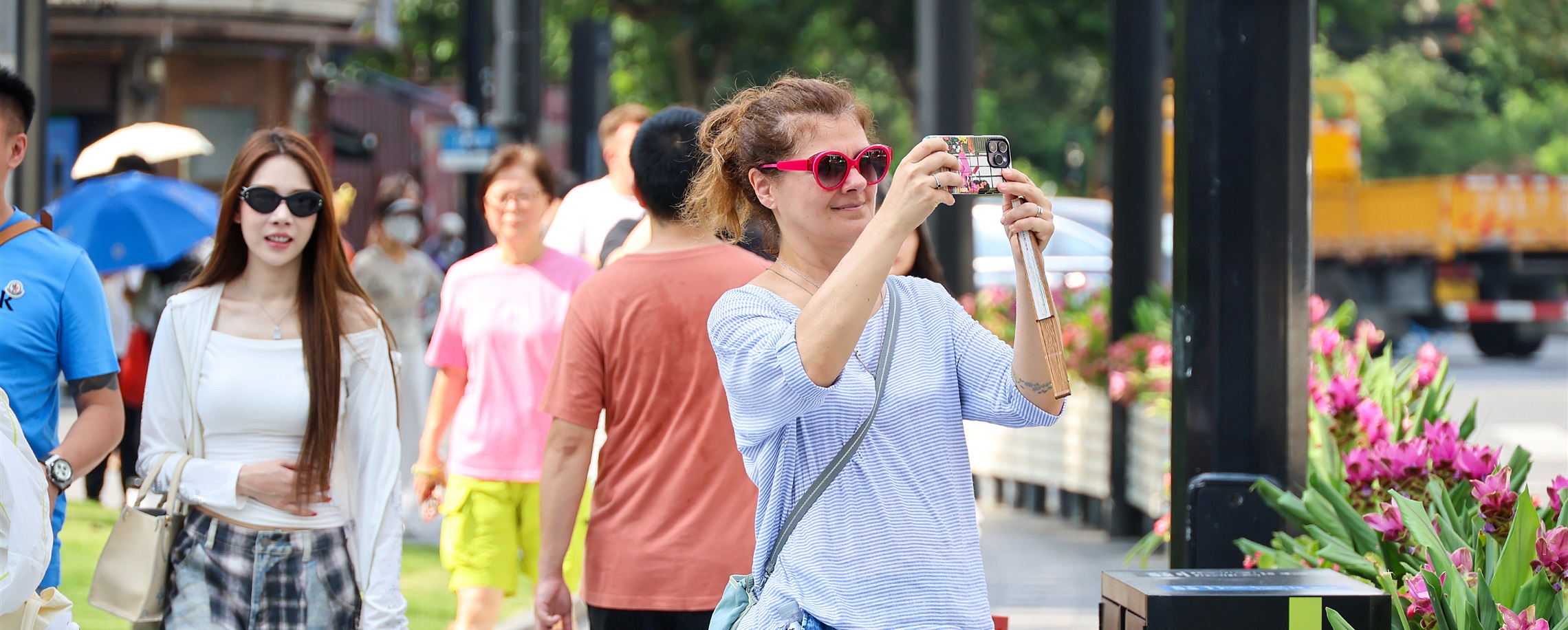
As a woman who travels extensively, I am constantly aware of how public spaces shape female freedom, and I am delighted by the ease with which women occupy Shanghai's streets late into the evening, without necessitating the exhausting vigilance that becomes second nature in many cities around the world.
No city is perfect, but the sense of everyday public safety is extraordinary and quietly liberating in the streets of Shanghai, and this may also be due to a subtle shift during my years away in the changing ideas of masculinity.
It is entirely unremarkable to see young men carrying their partners' handbags while shopping. Male actors' faces tower over foundations and make-up on cosmetics counters in a way that is not normative in other countries.
Extraordinary individuality
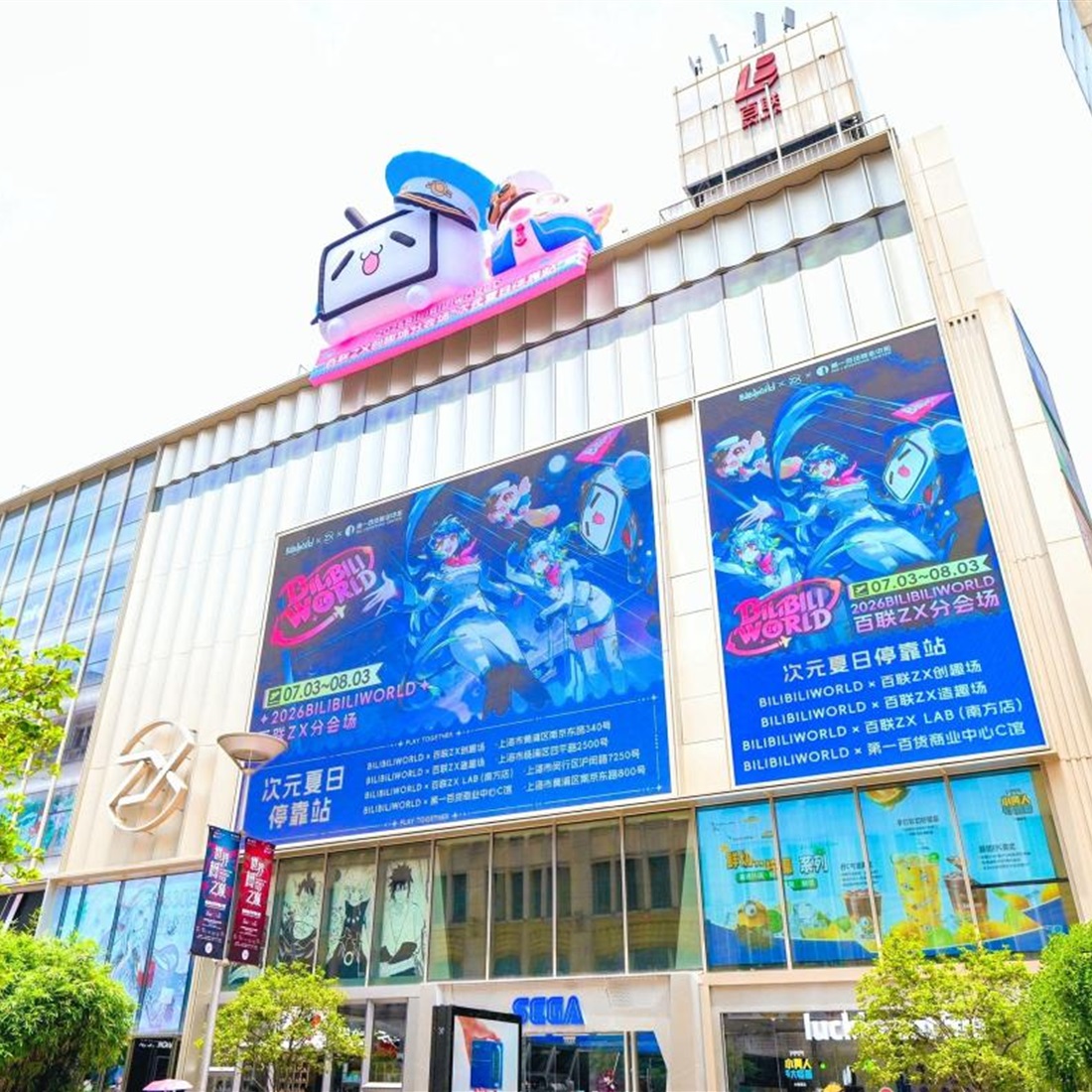
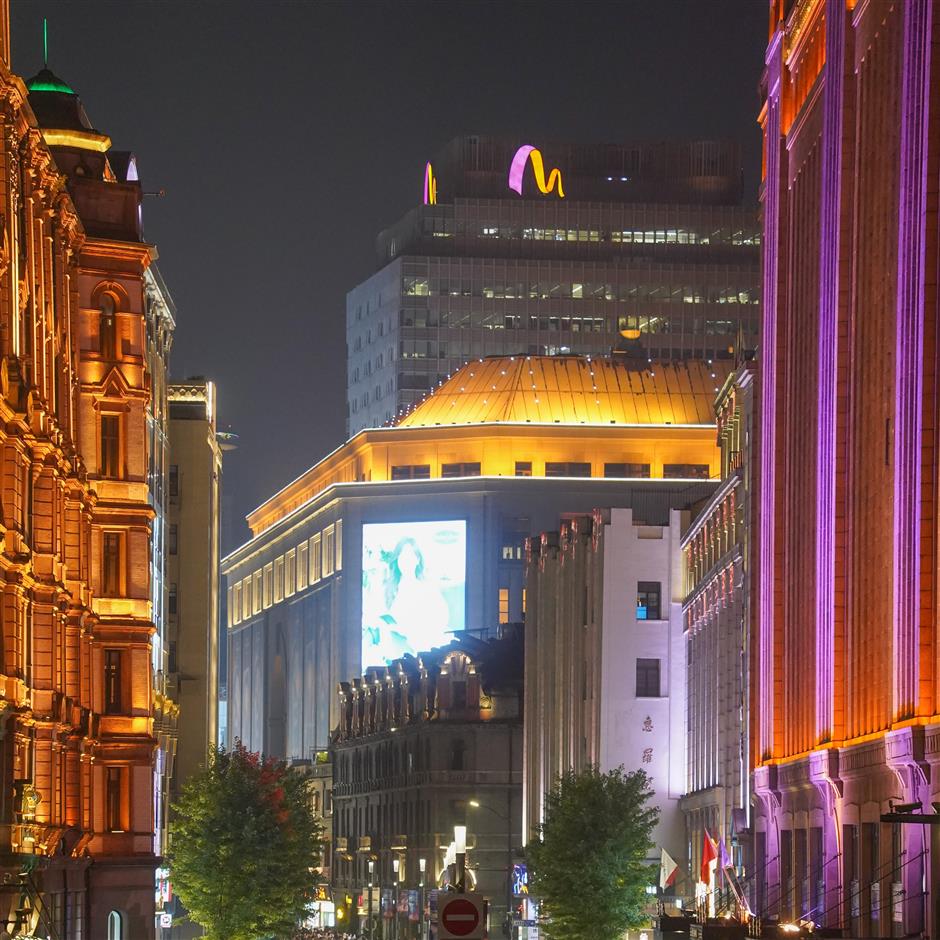
Nowhere is Shanghai's self-assurance more visible than on Nanjing Road. It feels cinematic; the pedestrian boulevard pulses with enormous digital screens, anime-inspired installations, immersive retail experiences, and crowds flowing deep into the night. It is like stepping inside contemporary Asian popular culture.
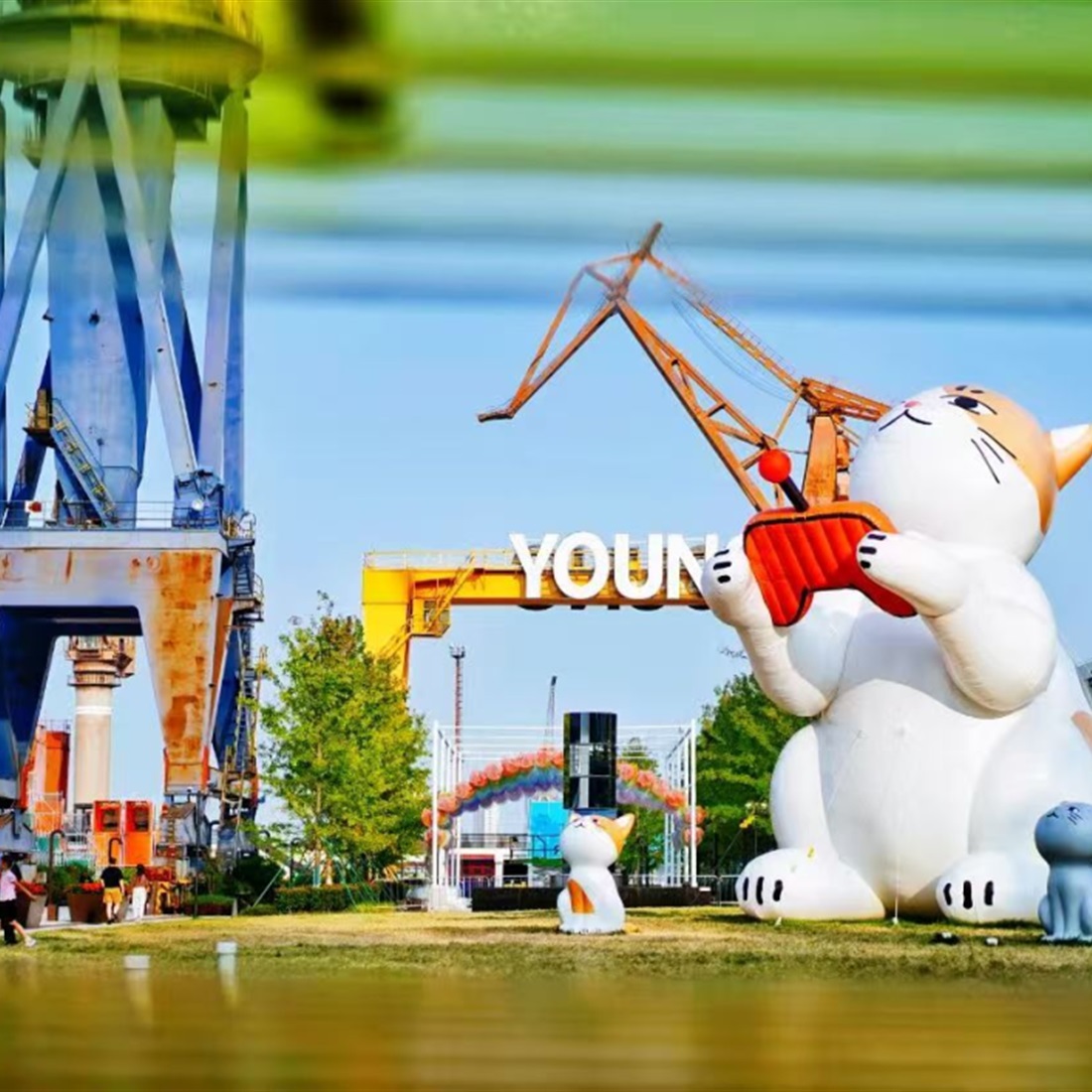
Cosplay culture has blossomed throughout the city, whether in cafés tucked into the leafy Hengfu Historical and Cultural Area, or at malls like Shanghai Joy City. Elaborately dressed and coiffed young people pose or simply gather with friends. No one stares. Shanghai's definition of ordinary has expanded to include extraordinary individuality.
Outside our windows, electric vehicles glide almost silently through traffic, and the air appears clearer than I remember, allowing Shanghai's skyline to emerge with crispness after a summer deluge.
Technology is woven into every corner of daily life, and I rarely carry cash. Food arrives within minutes through delivery platforms, and Taobao, an e-commerce platform, can offer almost anything imaginable, often arriving the next day.
Railway stations are fitted with charging ports at nearly every seat and the ubiquitous public charging cabinets dot sidewalks and shopping malls, so no one is anxious about dying phone batteries.
These are small conveniences, but together they create something larger in a city designed to minimize everyday friction.
When I left Shanghai in 2012, I did so with genuine sadness. I believed that if I ever returned, it would only be briefly, as a tourist passing through. I would never again be absorbed into the rhythms of a city that had become home.
Yet the phrase that best captured Shanghai then still resonates today: 海纳百川,有容乃大 (hai na bai chuan, you rong nai da), meaning "the sea embraces a hundred rivers; its greatness lies in its capacity to contain them all."
The Shanghai I left has changed in many ways, as have I. Yet that generosity of spirit and the capacity to absorb new influences haven't changed in the city. It has, again in these three months, made me feel most welcome.
(The author is an award-winning writer of eight books, including Writers' Postcards. She also teaches at the University of Chicago's Graham School and is the Chicago Poetry Center's Literary Life Ambassador. She is now on a residency program in Shanghai.)
Editor: Liu Qi
In Case You Missed It...

 Jul 25, 2026