Are You Dead? $0.99 Viral Check-In App Puts Spotlight on China's 120 Million Solitary Dwellers
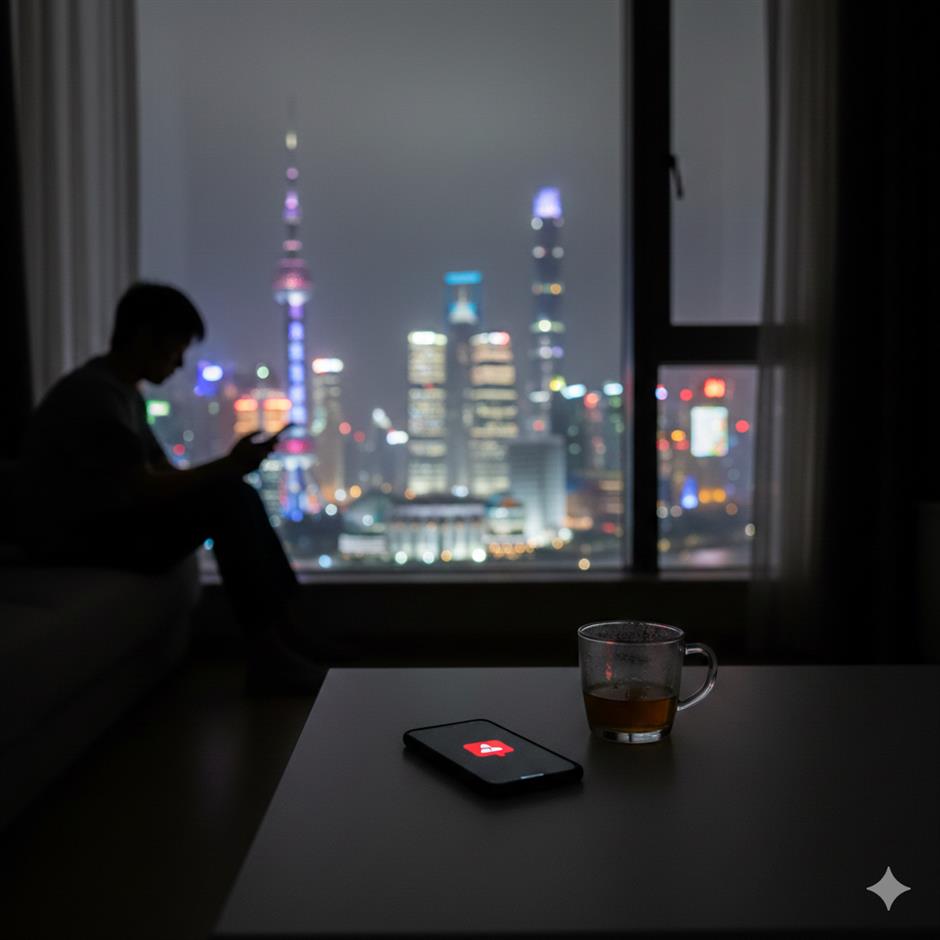
A new app with a shocking name has taken over the Apple App Store in China this week. It is called "Si Le Me," which translates to "Are You Dead?"
This app has climbed to the number one spot on the paid application charts, costing just 8 yuan (US$0.99). Its function is simple yet dark: it checks if you are still alive.
The app's sudden success has sparked a heated debate about the safety of China's 120 million solitary dwellers and the cultural taboos surrounding death.
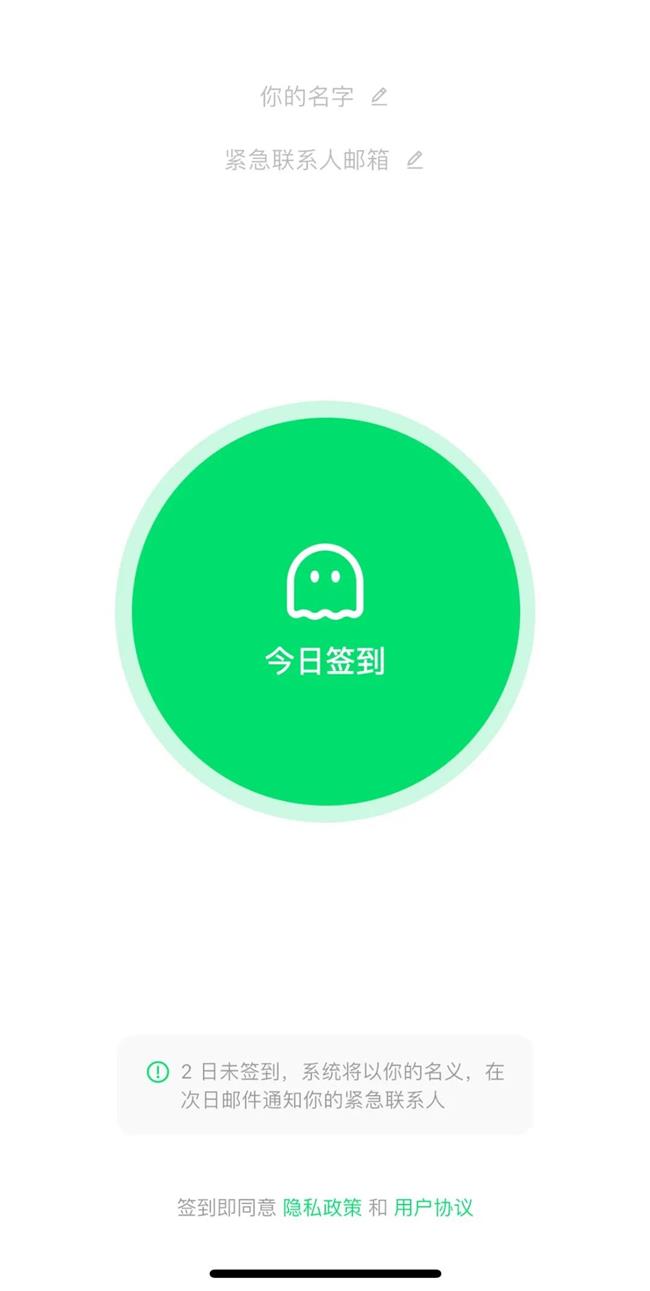
The interface is minimal. Users do not need to register an account; they simply enter the name and email address of a trusted contact.
Every day, the user clicks a button to "check in." If the user fails to click the button for a specified number of days, the app automatically sends an email to their emergency contact, warning that something might be wrong.
The app's popularity has been fueled by recent headlines that have shaken the public.
Social media users frequently reference a case in Hong Kong where the discovery of an elderly woman as a skeleton occurred a year after her death. A recent incident in Shanghai has brought the issue closer to the public's attention.
In December, a 46-year-old woman surnamed Jiang died alone in her Shanghai apartment following a brain hemorrhage. Jiang was unmarried and had no children or close relatives, and her death sparked a complex legal battle over her funeral and estate.
This local case highlights the human cost of dying alone and the complicated paperwork that follows when no one is there to step in.
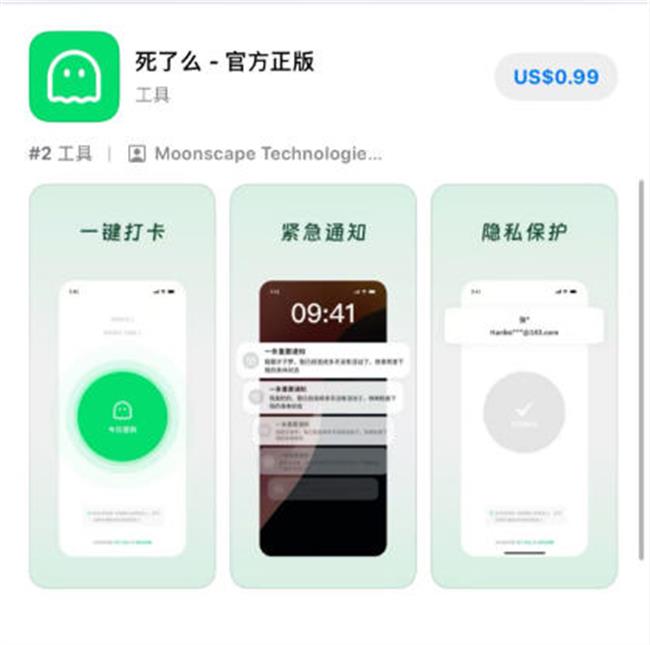
The app was developed by three "Gen Z" friends (born after 1995) with a budget of just 1,000 yuan (US$140).
"We are just an obscure small team," the developers said.
The founder, Guo, told the media that they began working on it in mid-2025, and the coding was completed in less than a month.
"I thought it might gain some attention, but I didn't anticipate it becoming this popular," Guo said. "Downloads have surged by more than 100 times... We are planning to introduce SMS notification features this month."
There was no need for marketing; the app's growth was entirely "organic," spreading from user to user via social media.
The app has garnered mixed yet passionate feedback. While some users find the name offensive, many view it as a vital tool for their well-being.
"I purchased it for my parents. They think it's annoying, but it reassures me to know the alert system is available," one user commented.
"Please add auto-detection features – sometimes I go long periods without checking my phone," another user wrote online.
"After living alone in Beijing for five years, my greatest fear is experiencing a sudden illness. Spending 8 yuan on a reminder is worth it," another netizen said.
Numerous similar "are you still alive?" applications have emerged on both the Android and Apple app stores, as well as on WeChat mini-programs.
Legal and psychological experts caution that while the app addresses a significant need, it is not a comprehensive solution.
Lawyers caution that digital tools are no substitute for legal protections. In the case of Jiang in Shanghai, the lack of a will or designated guardian created a legal vacuum, said Huang Haibo, head of the China Will Registration Center's Shanghai branch.
"If Jiang had made a will and named an estate manager... those wishes could have been carried out according to law," Huang said.
Experts warn that apps like "Are You Dead?" can alert relatives, but they cannot grant them legal power to enter a home or manage assets.
Sociologists said that the app reflects a shift in how Chinese society views mortality.
"The controversy over the name reflects our avoidance of death," a cultural commentator said on her social media account on WeChat.
"But for the 120 million people living alone, the fear of an 'unnoticed death' is stronger than the fear of a taboo word."
Despite the criticism that the name is "cursed" or "unlucky," the team is standing its ground.
"Death is something everyone must face," said Lu, a member of the team. "When people are aware of their mortality, perhaps they can better face the present."
Lu said they have announced plans to introduce "aging-friendly" designs to help the elderly and consider adding a "message-leaving" function – turning the app into a digital will of sorts.
Guo revealed they are willing to sell 10 percent of the company for US$1 million, valuing the simple app at US$10 million.
"We want to call on more people to pay attention to those living alone," the team said in a recent statement.
"They have dreams and work hard. They deserve to be seen, respected, and protected."
In Case You Missed It...

 Aug 24, 2026
![[SH Transit] Why Did Your Airplane Meal Suddenly Get Good Again?](https://obj.shine.cn/files/2026/08/21/b96c38e2-260b-430e-9f1e-e15152c7bbea_0.jpg)