From First Stop to Top Choice: How Shanghai Is Reinventing Inbound Travel
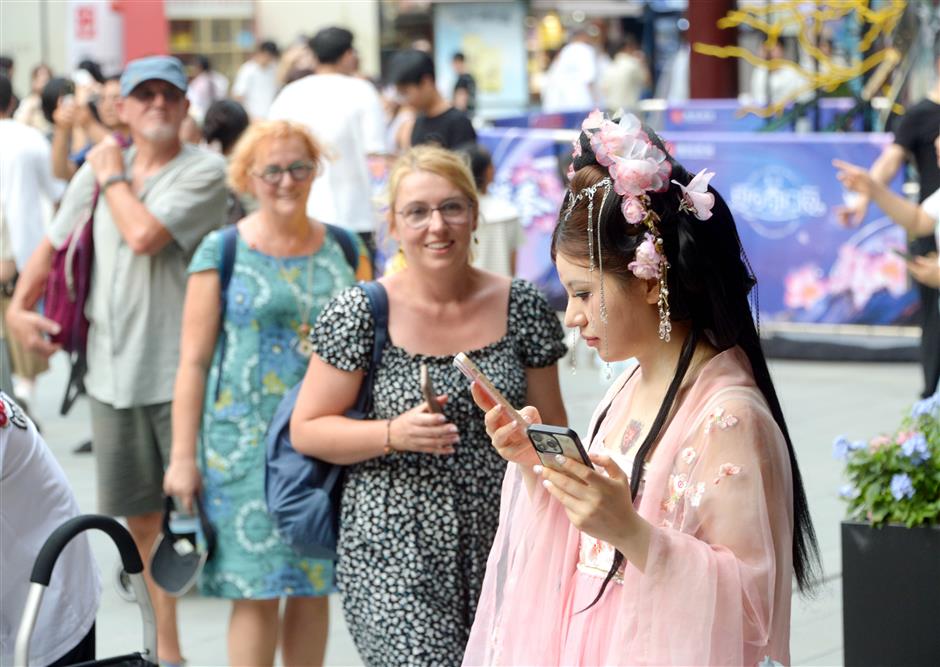
Shanghai received a record 9.36 million visitors in 2025, nearly 40 percent more than the previous year – a record – as China continues to expand visa-free entry for visitors.
As foreign arrivals rise, Shanghai policymakers must figure out how to turn visitors into better experiences.
At this year's Shanghai People's Congress, lawmakers, tourism executives and industry experts agreed that attracting foreign tourists is no longer difficult.
The real challenge was making Shanghai more accessible, captivating and worth staying in for more than a night.
With unilateral visa-free access now covering 48 countries and mutual visa exemptions in place with 29 countries, the city has firmly established itself as China's main gateway for international tourists.
"Tourists today don't just want to see a landmark and take photos," Zhou Weihong, vice president of Spring Tour and a legislator, said. "They want to eat local food, watch how things are made, and ideally try it themselves."
"Even intangible cultural heritage is no longer about watching a performance – they want to participate," Zhou told Shanghai Daily.
Shanghai already has an exceptional mix of Jiangnan (the south of the lower reaches of the Yangtze River), haipai (Shanghai-style) culture, and modern urban life, elements rarely found together in one city.
The challenge was in making these resources easy to access, understand, and book for foreign visitors.
"The resources are there," Zhou said. "What's missing is smooth connection."
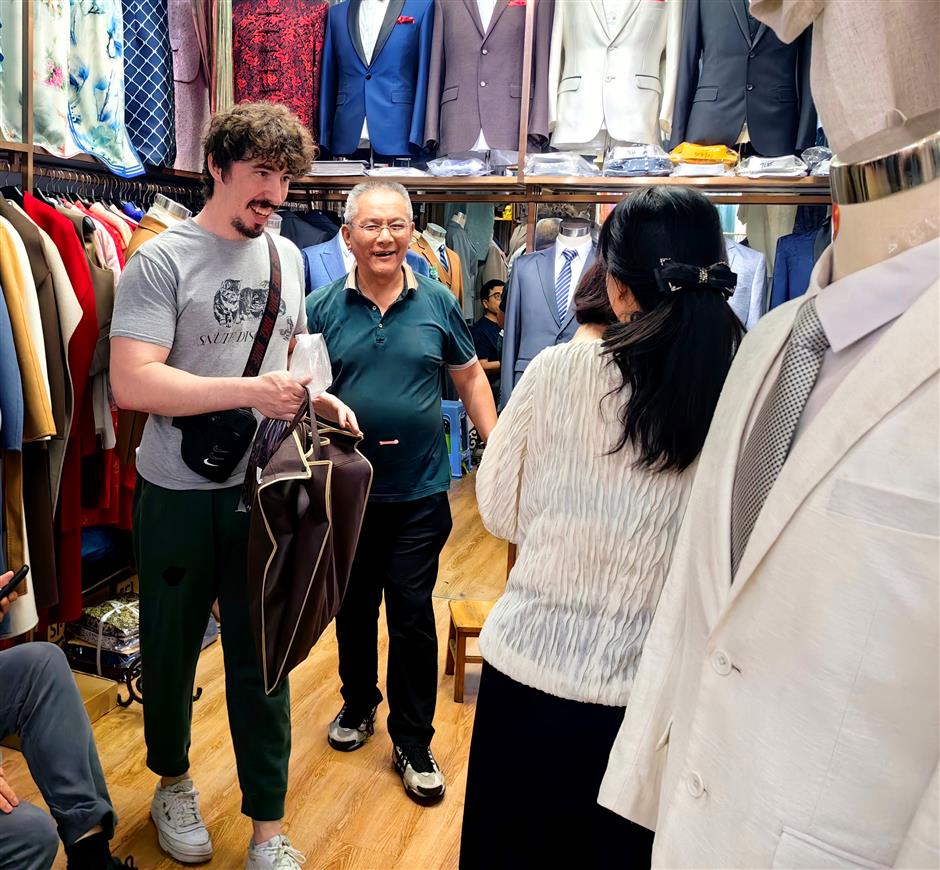
From heritage and lifestyle to tourist gems
This year, Zhou has proposed TCM wellness experiences.
"I don't think coming to China specifically for medical treatment is common," she said. "But wellness, especially TCM-based wellness, is very suitable for inbound tourism."
Shanghai already has top TCM universities, hospitals and practitioners, along with decades of experience serving international visitors.
In the 1990s, many tourists came to the city to practice tai chi, gain herbal knowledge, make scented sachets, or experience massage and acupuncture – experiences still rare in much of the world, Zhou said.
The same logic applies to intangible cultural heritage (ICH). Many heritage inheritors are eager to teach and interact with foreign guests, but language barriers and fragmented information often prevent meaningful engagement.
"It's not that these experiences don't exist," Zhou said. "It's that tourists don't know where to find them or how to participate."
Her solution is to turn heritage and lifestyle experiences into standardized, multilingual tourism products, integrated into itineraries rather than hidden behind language and logistics barriers.
That idea resonated strongly with proposals from other legislators.
Wang Suyi, another lawmaker, pointed to a viral moment earlier this year: a video of Nvidia founder and CEO Jensen Huang strolling through a Shanghai wet market, casually tasting fruit. The clip resonated deeply with the public.
"It showed that everyday Shanghai markets, neighborhoods, and community life can be deeply attractive to global audiences," Wang said.
She proposed developing "Shanghai Life Experience Tours," blending tourism with local routines: visiting wet markets, browsing community fairs, experiencing TCM wellness, and even joining residents for morning exercises.
Wang also called for strengthening the nighttime economy, extending business hours in popular districts, and launching museums, heritage night markets, and cultural walking tours.
These experiences, she argued, align perfectly with foreign travelers' growing interest in authenticity rather than spectacle.
Huangpu River: service upgrades and storytelling in sight
While content matters, service design matters just as much – a point emphasized by Qiu Yan .
Qiu proposed setting up Inbound Tourism Service Centers at cruise ports and airports, offering one-stop services such as visa extension assistance, insurance purchases and travel guidance.
She also stressed the importance of tourism product design. She called for family-friendly packages, cultural exploration routes, and themed itineraries, such as "Haipai Affection," that combine architecture, culture, and everyday consumption.
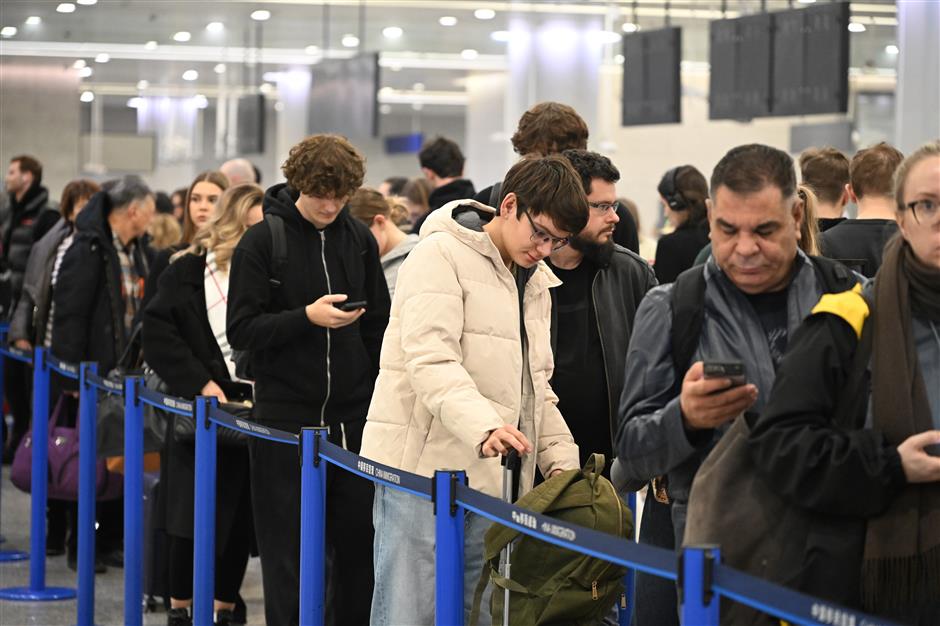
Zhou also turned attention to one of Shanghai's most recognizable assets: the Huangpu River.
"Huangpu River cruises are already a city name card," she said, "but compared with the Thames, the Seine or the Chao Phraya River, there is still room to grow."
She suggested improving capacity allocation, introducing off-peak discounts, and significantly upgrading multilingual services. More importantly, she called for richer storytelling.
"We shouldn't just explain individual buildings," Zhou said. "We should tell the story of how Shanghai connected its riverbanks and how Pudong transformed over the past 36 years."
New growth engines: youth, pet and ice snow
Delegates also focused on emerging service consumption sectors closely linked to travel.
Wu Bin, deputy secretary of the Shanghai Communist Youth League, highlighted the growing importance of youth consumption.
From January to November 2025, youth consumption accounted for 40.3 percent of total spending in Shanghai.
"Young consumers are careful where they save but generous when they care," Wu said. "They are willing to pay premiums for interest, social experiences and self-improvement."
He called for cultivating globally recognizable youth culture brands and creating Shanghai-branded international youth festivals, exhibitions and competitions.
Other delegates turned to the pet economy and the ice-and-snow economy as complementary service sectors.
With Shanghai's pet population exceeding 2 million and market size reaching 230 billion yuan, gaps such as pet insurance coverage – currently below 1 percent – were flagged as opportunities for innovation.
With Shanghai hosting the world's largest indoor skiing resort, legislators have called for year-round ice-and-snow consumption through simulations, night events, and cultural integration, blending winter sports with haipai and Jiangnan cultural elements.
Shanghai is moving beyond being China's "first stop" to positioning itself as a first choice – a city where foreign visitors don't just pass through but slow down, engage and return, Zhou said.
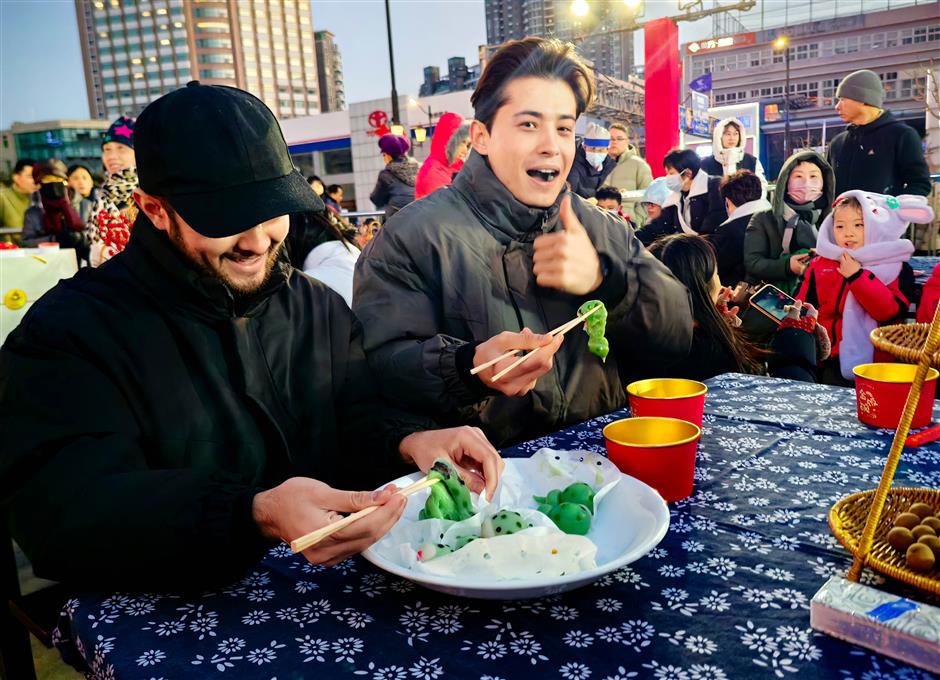
Stay longer, connect deeper
Meanwhile, at the 4th Plenary Session of the 14th Chinese People's Political Consultative Conference Shanghai Committee, another part of the Two Sessions, some political advisors echoed the focus on inbound tourism quality.
Stephanie BY Lo, CPPCC member and vice chairman of Shui On Land Limited, noted that modern travel has shifted from shopping to immersive local experiences and cultural exploration. Leveraging Shanghai's strength as a global new product launch hub, she proposed creating "Shanghai Design" spaces that integrate Chinese original brands, traditional labels, and young designers, making local culture and heritage accessible through daily consumption.
Beyond events like exhibitions and sports competitions, better coordination between commerce, tourism, culture, and communities can encourage high-spending visitors to explore more, stay longer and forge deeper bonds.
Shanghai can also attract global digital nomads with flexible policies, stable housing, and reliable international internet, turning long-term visitors into active participants in local life and frequent consumers.
Ultimately, the goal is not just more tourists, but better experiences. Visitors who feel welcome, inspired, and at ease are far more likely to return and build lasting connections with the city, said Lo.
In Case You Missed It...

 Apr 3, 2026
![[SH Buzz] BIG Changes. 13 New Openings + 6 Closures (Goodman!)](https://obj.shine.cn/files/2026/04/01/17a2d715-df2a-4452-be5c-7e713296594e_0.jpg)
![[Current Trends] What the New York Times Sees in Shanghai – and What It Doesn't](https://obj.shine.cn/files/2026/03/31/6807579f-920e-4cb5-a720-f4490463e7a0_0.png)

![[Explainer] Your Guide to Applying for A 5-Star Card in Shanghai](https://obj.shine.cn/files/2026/03/25/abba9cd8-a391-4d52-89cc-78e198e96628_0.jpg)
