Resilience amid tariffs: How Chinese exporters are thriving despite US trade pressures
Just one day after US President Donald Trump announced on April 9 a hike in tariffs on Chinese goods – raising them to as much as 145 percent – Ding Linfeng, general manager of Shanghai Wareda Sunshade Equipment Co, spent two hours on a video call with an American client who had placed an order even before the tariffs took effect.
Since the transactions followed the FOB (free on board) practice, all costs after the goods left a Chinese port – including shipping and tariffs – were the buyer's responsibility.
When Ding asked if he still wanted the goods, the American replied firmly: proceed as planned. To Ding's surprise, the client even placed an additional order.
"I'd rather pay more and keep shelves stocked than risk them being empty. If customers leave, they may never come back," the American buyer said.
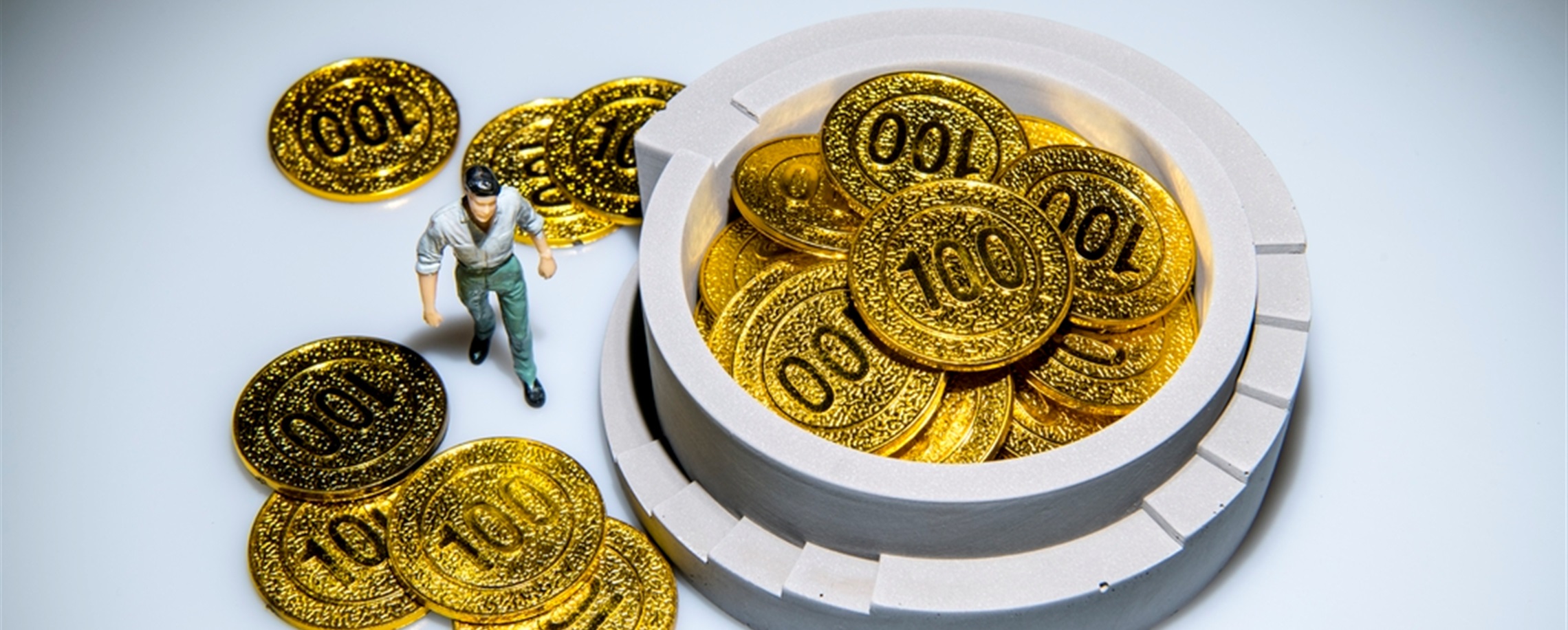
Wareda specializes in RV awnings and has benefited from the growing outdoor lifestyle trend in the US, where RVs with side tents are increasingly popular. In 2024, the company's exports exceeded 100 million yuan (US$14 million).
Despite rising costs and chaotic supply chains, Chinese exporters like Ding are showing resilience. Many have stocked overseas warehouses, diversified global markets, and leaned on China's unique supply chain ecosystem to weather the tariff storm.
China's manufacturing mojo
In 2018, when Trump launched the first wave of trade war, Chinese exporters began preparing for long-term uncertainty. Ding visited Vietnam last year to explore relocating production, but found that lower labor costs were offset by inefficiencies and unpredictable local policies.
"The cost wasn't lower overall. And chasing the lowest costs only leads to a race to the bottom – someone will always be cheaper," Ding said.
He said that China's real edge lies not in cheap labor but in technical expertise, supply chain integration, and manufacturing efficiency – advantages that are difficult to replicate elsewhere.
He is echoed by Xing Ziqiang, chief China economist at Morgan Stanley, who said that in key industries like auto parts, new-energy equipment, and precision machinery, China's supply chain remains irreplaceable.
Trust anchored in supply chain strength
In Hangzhou, Xiong Weiping runs a construction and outdoor decor company that builds sunrooms and other structures. His firm, which generated over 100 million yuan in annual revenue in 2024, sourced all its US orders through Alibaba's global platform, with about 60 percent of sales going to the US.
Even after tariffs soared, one American client flew him in to measure a ski resort project. "The customer – a Jewish businessman – had checked alternatives in Southeast Asia," Xiong said. "But after comparing, he admitted nowhere else could offer a supply chain as complete as China's."
Xiong avoids price wars and instead focuses on technology and craftsmanship. Over the past month, his company's order volume continued to rise. On the day of the interview, he just signed two US deals worth US$40,000 and US$10,000, respectively.
Doubling down on US market
After attending a trade fair in the US, Ma Tongwei, general manager of Shandong Raytu Laser Technology Co decided to take a bold step: establish a US branch. Despite tariffs spiking on April 8 – the same day the branch opened in New York – Ma is pressing forward.
Raytu's main business is laser machinery, with only 10 percent of sales currently going to the US. Some orders are on hold as customers monitor tariff developments, but Ma remains confident.
"Our clients told us: 'Don't worry, we're not shifting orders. Only China can achieve this level of cost-performance'," he said.
Ma believes that US efforts to reshore manufacturing are unlikely to succeed. He even did the math: Chinese labor plus tariffs still costs less than US labor. "We may work for 30 yuan an hour, they need US$20 – after tariffs, we're still cheaper."
Looking beyond the US
Though Wareda currently gets 50 percent of its revenue from the US, Ding is actively expanding into Europe, Southeast Asia, Latin America, and the domestic Chinese market. The company invests around 5 million yuan annually in R&D, holding over 50 domestic and international patents.
Ding believes that long-term competitiveness lies not in imitation but in innovation. "If we don't take the first step in innovation, we'll always be stuck playing catch-up," he said.
In Case You Missed It...
 Sep 21, 2026