Shanghai's First Visa-Free International Business Zone
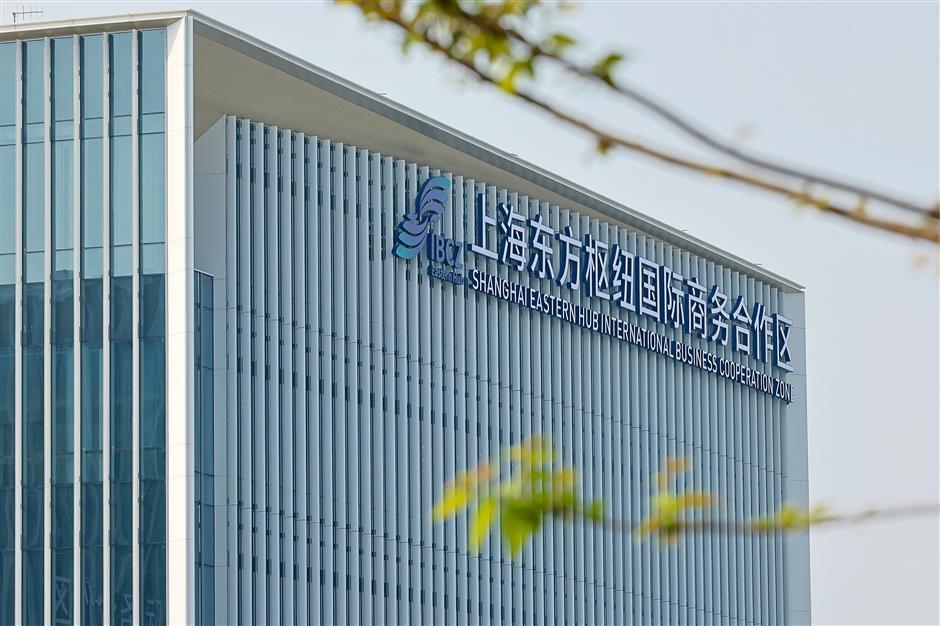
Shanghai's Eastern Hub International Business Cooperation Zone has passed a major national inspection.
The approval marks a key milestone in building China's first special-purpose international business zone designed to support cross-border business travel, global trade, and new institutional innovation.
A team led by the General Administration of Customs and joined by other national ministries conducted the joint acceptance inspection on November 28.
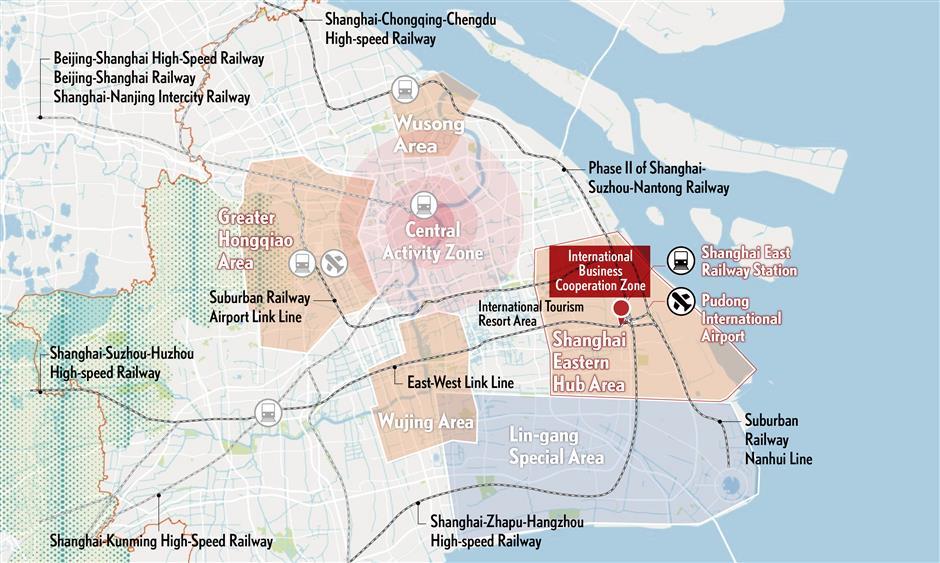
The zone was approved by the State Council, or the nation's Cabinet, in February 2024. It covers 0.88 square kilometers, an area equal to about 120 standard football pitches, between Pudong International Airport and the future Shanghai East Railway Station.
The G1503 expressway divides the zone into two sections. The eastern section, about 0.44 square kilometers, will serve as the pilot area and is the first section to be fully completed.
The visa-free entry policy is one of the zone's most important features. Foreign visitors invited by registered enterprises may enter directly and stay for up to 30 days. Extensions are available.
Travelers who later wish to visit other parts of China can complete onward immigration procedures inside the zone. Officials said the approach will save time, reduce administrative steps, and improve convenience for international business travelers.
The zone is positioned to become one of the most open business areas in China. Its purpose is to promote international business exchange, support cross-border mobility for invited visitors, and strengthen Shanghai's role as a global hub for trade, investment, and innovation.
It brings together rules from bonded zones, customs supervision zones, and port control areas, while adding new policies that allow invited business travelers to move across the border more easily, according to the zone's management authority.
Since early 2024, Shanghai has pushed forward institutional development, management systems, and infrastructure construction in line with national requirements.
Three major regulatory documents now form the foundation of the zone's governance.
The city government issued new administrative measures to guide planning, operation, and management.
The General Administration of Customs released provisional rules to support the efficient management of people, luggage, and goods in the zone.
The National Immigration Administration announced new rules that allow more convenient movement for Chinese and foreign visitors, including visa-free entry for eligible guests.
Infrastructure in the pilot area has been fully completed. The zone now has high-standard supervision facilities, intelligent checkpoints, and an integrated information management platform.
The sealed enclosure system and the corridor connecting the zone with Pudong airport are finished.
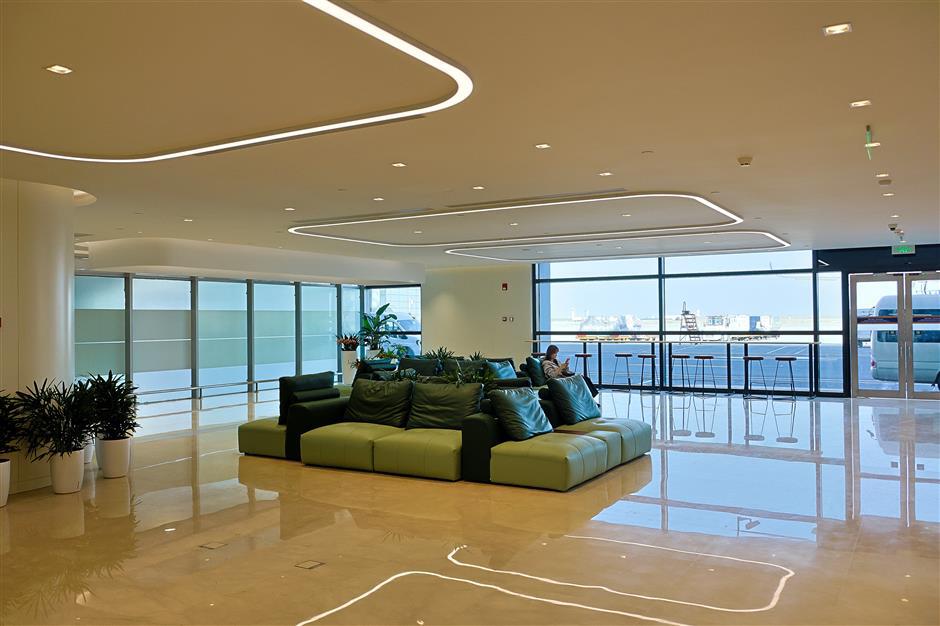
These systems allow the zone to operate under fully enclosed management. Dedicated facilities have been built for foreign visitors on the international side and for Chinese travelers on the domestic side.
The zone has also completed service facilities that support day-to-day business needs, including retail, dining, leisure, and specialized services.
Officials said these facilities will allow companies and visitors to conduct business activities efficiently from the first day of operation.
Customs authorities use digital tools to connect business flows, documents, decision-making, and supervision. Their goal is to build a system that responds when needed but avoids unnecessary intervention.
Immigration authorities have adopted an open and practical approach. Invited visitors from all countries may enter the zone without applying for a visa before arrival. Port visas and on-site stay extensions are available as needed.
These measures aim to support a wide range of cross-border business activities and improve the experience of international travelers.
Service facilities in the pilot area are ready for use. The E1 Conference Center includes a multifunction hall, a banquet hall, a lecture theater, several meeting rooms, and dedicated business negotiation spaces.
The E2 Jinjiang Radisson Blu Hotel has 445 rooms and suites, restaurants serving Chinese and Western cuisine, an executive lounge, meeting rooms, a fitness center, and a swimming pool.
The E2 Customs and Immigration area has convenience stores, coffee and light-meal shops, multi-currency ATMs, and POS machines.
A Government Service Center provides one-stop support for enterprises and visitors. A port visa service window helps eligible foreign guests apply for visas upon arrival when they need to enter China after completing business in the zone. A tax refund service window allows travelers to process departure tax refunds inside the zone.
Traffic flow and movement procedures in the zone are an improvement, with entry and exit steps designed to be seamless, fast, and contact-free.
A multi-level transport system connects the zone with the airport and the future railway station. It includes highways, underground passages, and a dedicated airside corridor.
Automated freight systems, driverless shuttles, and digital management tools will support logistics, energy use, and security. Landscaped paths and open walking areas will give the zone a pedestrian-friendly structure.
Outbound flight check-in services are available directly inside the zone. After finishing business activities, visitors can move through the port visa window to enter China if needed, making travel efficient and predictable.
The zone is designed to serve as a year-round platform for international business activity. It is expected to strengthen major events such as the China International Import Expo (CIIE) by supporting ongoing trade, displays, and cooperation.
Its modular layout allows space to be adjusted for new industries. Office and meeting areas include multilingual interpretation and smart meeting tools.
Training programs in digital trade, artificial intelligence, and international rules are being developed with universities and industry groups.
Supporting services will include international-standard medical facilities and professional firms offering legal, financial, and consulting services.
Full enclosure and core facilities are planned for completion by 2028. The entire project is scheduled to finish by 2030.
The goal is to build a new global gateway that supports China's long-term strategy of high-level opening-up and promotes Shanghai's role as a center of economy, finance, trade, shipping, and innovation, officials said.
Editor: Li Qian