South Korean Fashion Brands Seek to Replicate 'K-Pop" Success in China
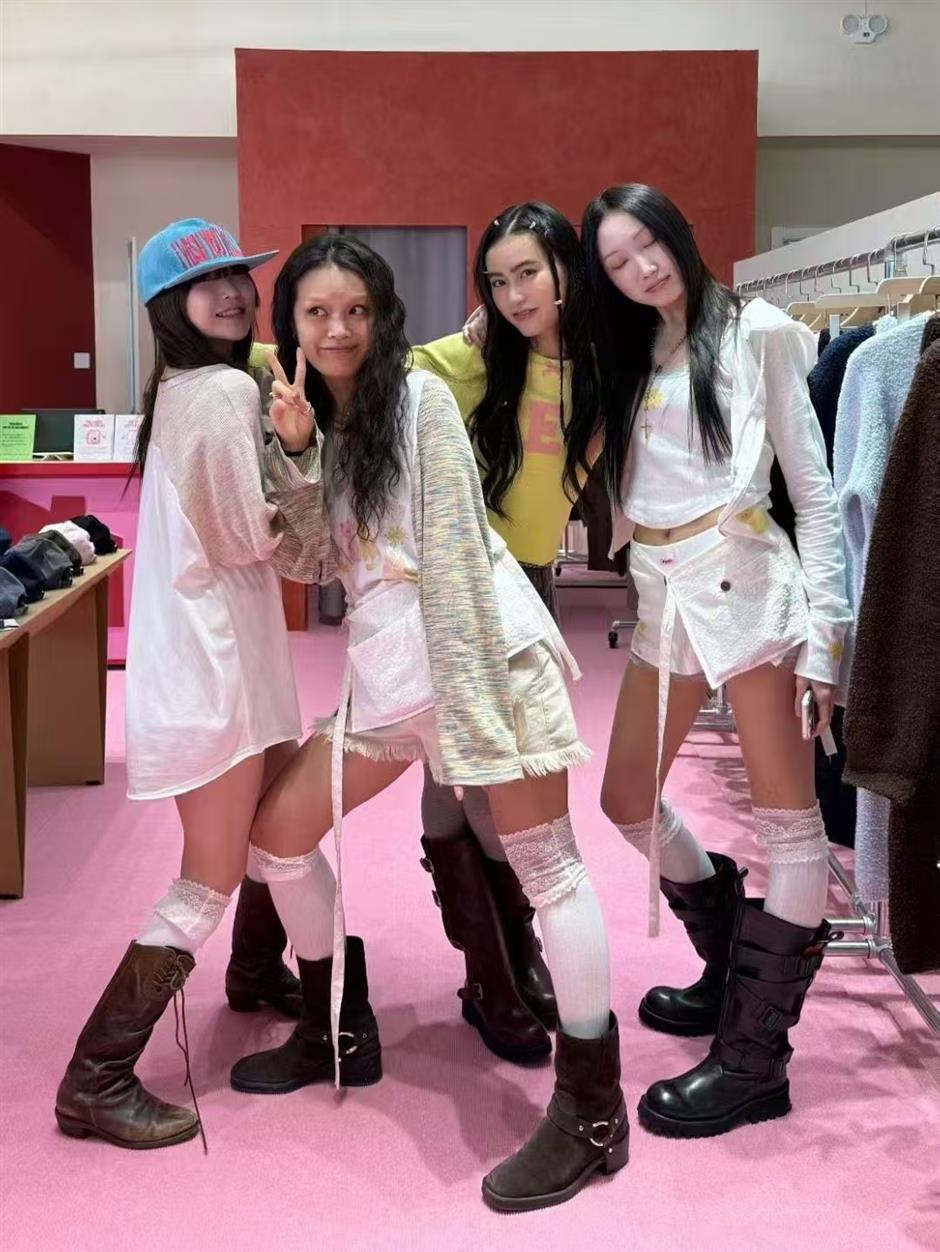
Inside Shanghai's TX Huaihai mall, pastel-colored caps and glossy home-wear from South Korean labels glow under rotating disco lights. Groups of young people linger beneath a neon sign, snapping photos, and debating whether to step into the fitting room.
The spectacle is the Her Pocket Fantasy pop-up shop, which runs to the end of January and brings South Korean fashion brands Minjiena, Lazyz and Fancy Club to one of Shanghai's most trendy shopping centers.
The glitzy promotion coincided in part with South Korean President Lee Jae-myung's visit to Shanghai during a four-day trip in China. Accompanying him was a delegation of more than 200 South Korean business leaders eager to seize opportunities in China's market.
In recent months, a new wave of Korean fashion and lifestyle brands has entered China, hoping to capture the same public attention that made K-pop music so popular on the mainland. Their main target is the generation of consumers born this century.
Musinsa Standard, the private-label brand run by Korea's number one online fashion retailer, launched its first China store in Shanghai. At the same time, labels such as Emis, Rest & Recreation, Raive, Fakeme, Ader Error and Satur were also rushing to grab spots in top-tier malls across Shanghai, Beijing and Hangzhou, many opening their very first mainland stores or shifting from pop-ups to permanent outlets.
From Huaihai Road in Shanghai to Taikoo Li in Beijing and MixC in Shenzhen, Korean brands are occupying shopping sites once dominated by European and American brands.
For mall operators, pop-ups have become less about spectacle and more about testing the market.
"We want to observe young consumers' acceptance of the style and culture, and their recognition of price range," said Ren Zhi, general manager of Shanghai Bailian Yiteng Commercial Management, which operates TX Huaihai.
"We focus first on how widely a brand's reputation catches on and then converting that to foot traffic in connected steps," he said, noting that temporary pop-up sites provide a way "to go deeper into products at an early stage and efficiently identify brands with higher potential to break out."
The commercial inroads of brand names unfold alongside a notable shift in South Korean capital flows.
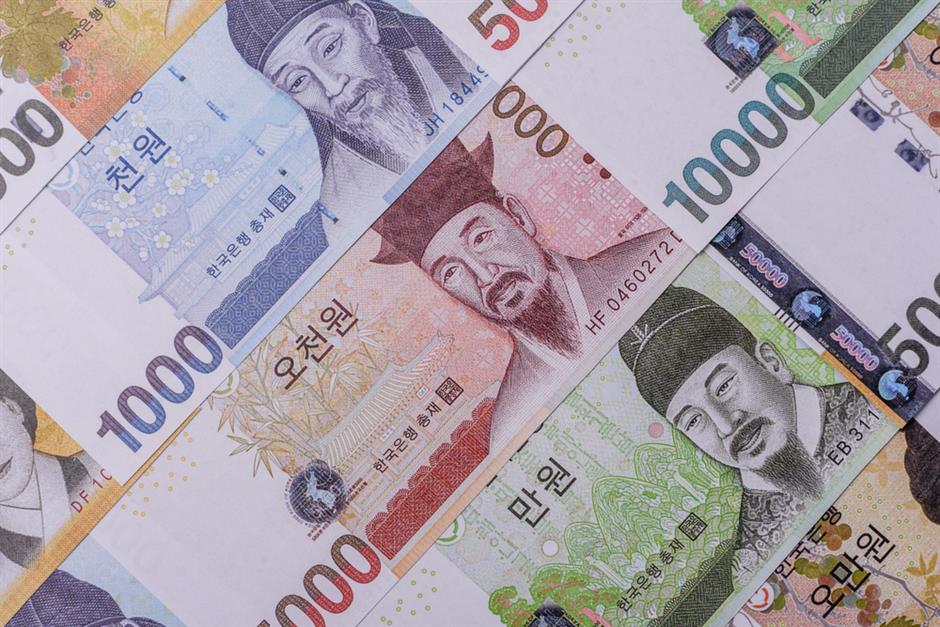
By the end of last August, cumulative Korean trading volume in Hong Kong stocks surpassed US$5.8 billion, making China the second-largest overseas investment destination for Korean investors after the US.
In 2025, Korean funds were net buyers of roughly US$499 million in Chinese equities, reversing three consecutive years of net selling Custodial Korean funds in Hong Kong rose from US$1.8 billion in January last year to US$2.5 billion by August.
Smartphone and electric carmaker Xiaomi was the most heavily bought Chinese stock by Korean retail investors last year, with net buying of about US$170 million, followed by shares in carmaker BYD and battery maker CATL.
Korean asset managers have even launched exchange-traded funds dedicated to Chinese electric vehicle and artificial intelligence sectors.
For brands like Lazyz, the shift into China began not with a distributor but with social media.
The Seoul-based label started receiving inquiries from Chinese consumers after K-pop idols wore its logo baseball caps in airport appearances in mid-2024. Searches and direct messages surged on the RedNote (Xiaohongshu) lifestyle platform, prompting the brand to seriously consider China by the fourth quarter of last year.
"China's consumers combine emotional buying, strong information-search ability and very fast response," said Sanghyun Kim, managing director of Lazyz. "Korean consumers online move from 'like' to 'consider' to 'buy,' while Chinese consumers go from 'like' to 'search' to 'compare' and then to immediate purchase."
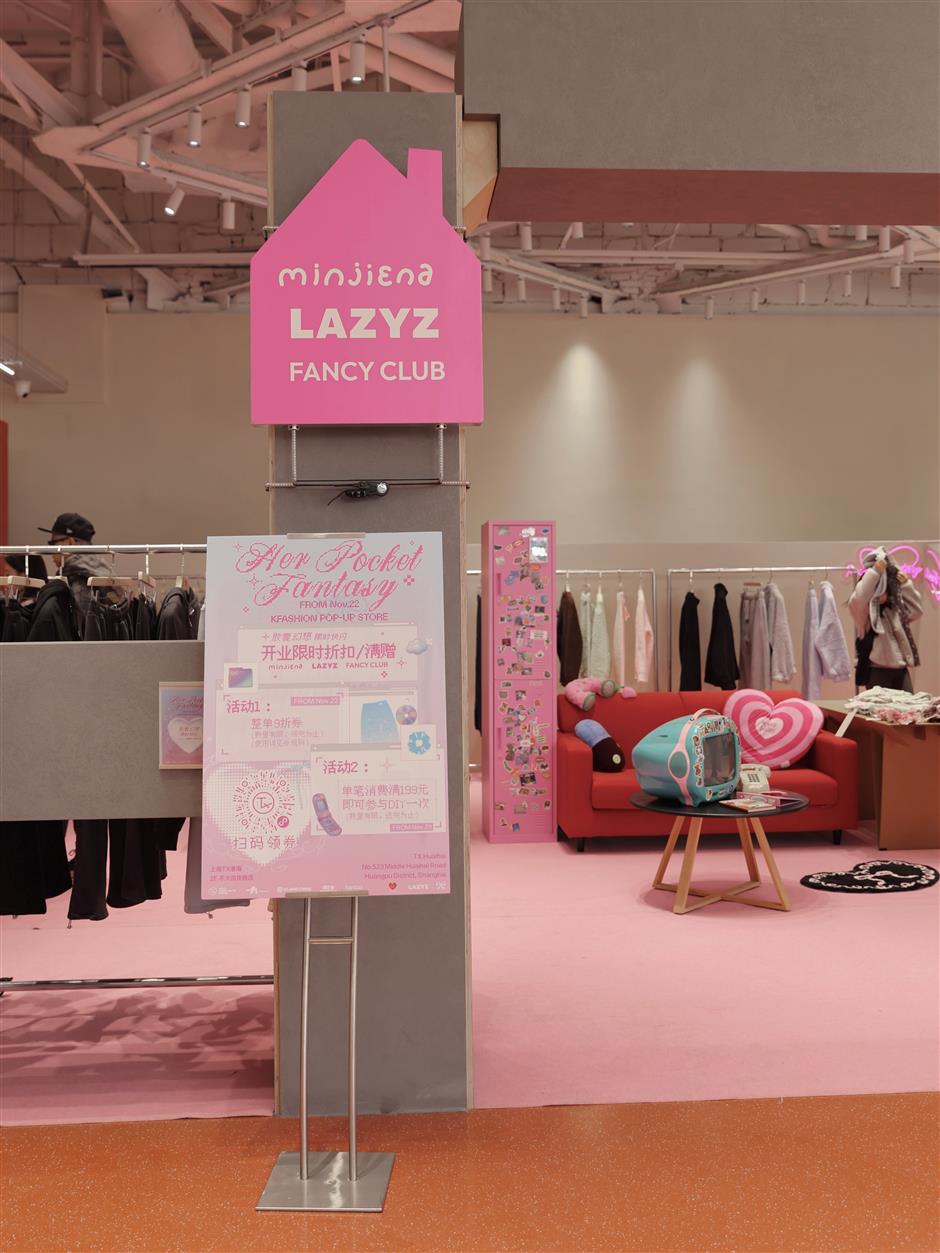
At its Shanghai pop-up shop, Lazyz discovered that Chinese shoppers favor experience-driven retail and more visually striking fabrics, and that fandom communities matter more than expected. The brand is now closely observing not just sales, but how quickly shoppers buy, whether they return and how they share products online.
"This month is our real test of China," Kim said. "We are not here simply to see how much we can sell, but to understand what kind of lifestyle Chinese consumers associate us with."
The TX Huaihai pop-up project was arranged through a channel linking Korean brands with local retail operators.
E-Innovation Valley, a Minhang-based industrial park, was developed by South Korean fashion and retail conglomerate E-Land, which has been operating in China for about 30 years.
"Through the Korean Center at the Valley, we hope to establish a more efficient channel for Korean brands to enter the Chinese market," said Chris Kim, the Seoul company's general manager for investment and operations in China.
The increasing South Korean commercial focus on China is a risk in a highly competitive market where domestic brands have carved out strong customer loyalty. But as every retailer knows, the young generation of consumers is always on the lookout for the next hot trend and that may be influenced by shifting global fads fed by interconnected social media.
In Case You Missed It...

 Jan 8, 2026


![[China Tech] Local Experts Identify a New Cancer Target](https://obj.shine.cn/files/2026/01/09/f9083ef4-fea8-4a74-8547-5a243e39e8ad_0.jpg)