Sold Out in Minutes: The Mawangdui Blockbuster Coming to Shanghai
How many people have flown all the way to central China's Hunan Province just to see the legendary Mawangdui exhibition, only to discover that tickets were almost impossible to get? Now, there's no need to travel. It's coming to Shanghai.
The highly anticipated exhibition, "A House of Nobility – Aesthetics and Cultivation of Life in the Mawangdui Han Tombs," will open on July 3 at the China Art Museum.
As the largest and highest-profile Mawangdui exhibition ever held outside Hunan in more than 50 years of archeological research, it is undoubtedly one of the year's most significant cultural events.
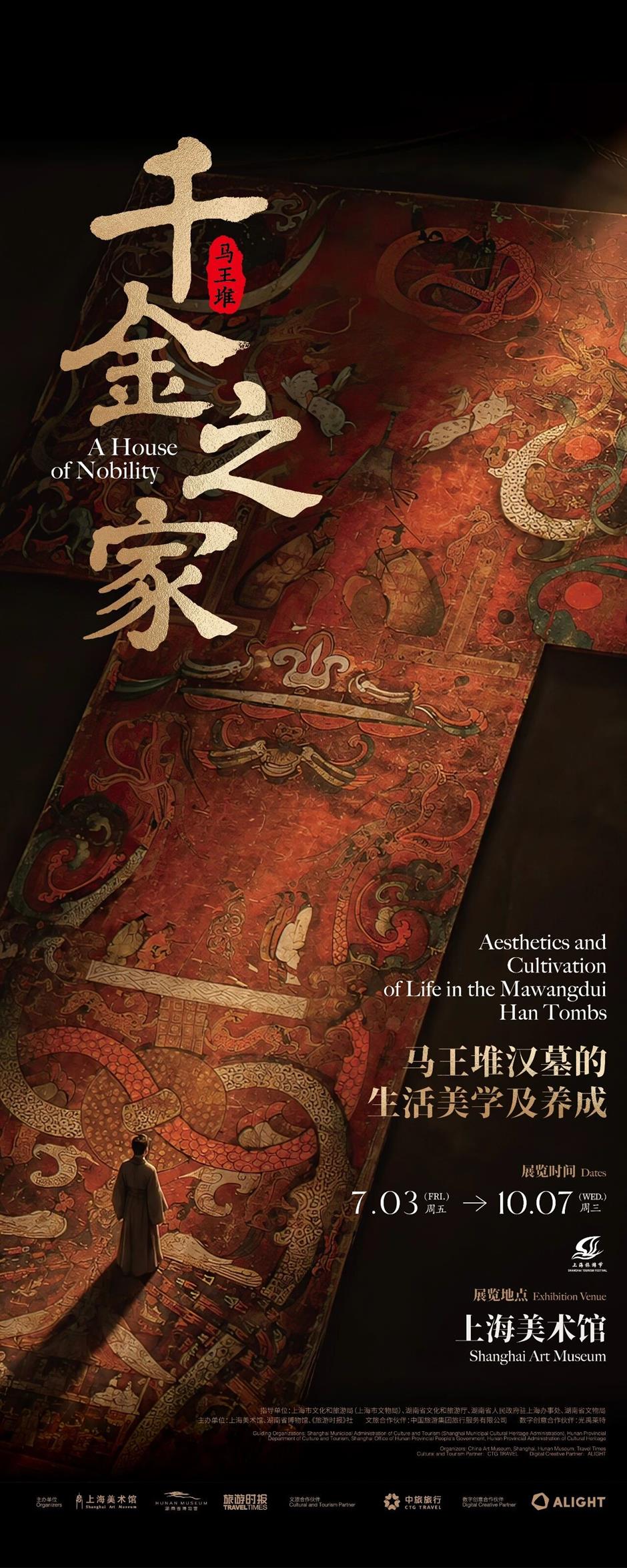
The 38-yuan (US$5.6) flash-sale tickets released on June 2 sold out in less than 2 minutes, while the first batch of early-bird tickets was snapped up within a single day.
But there's still another chance.
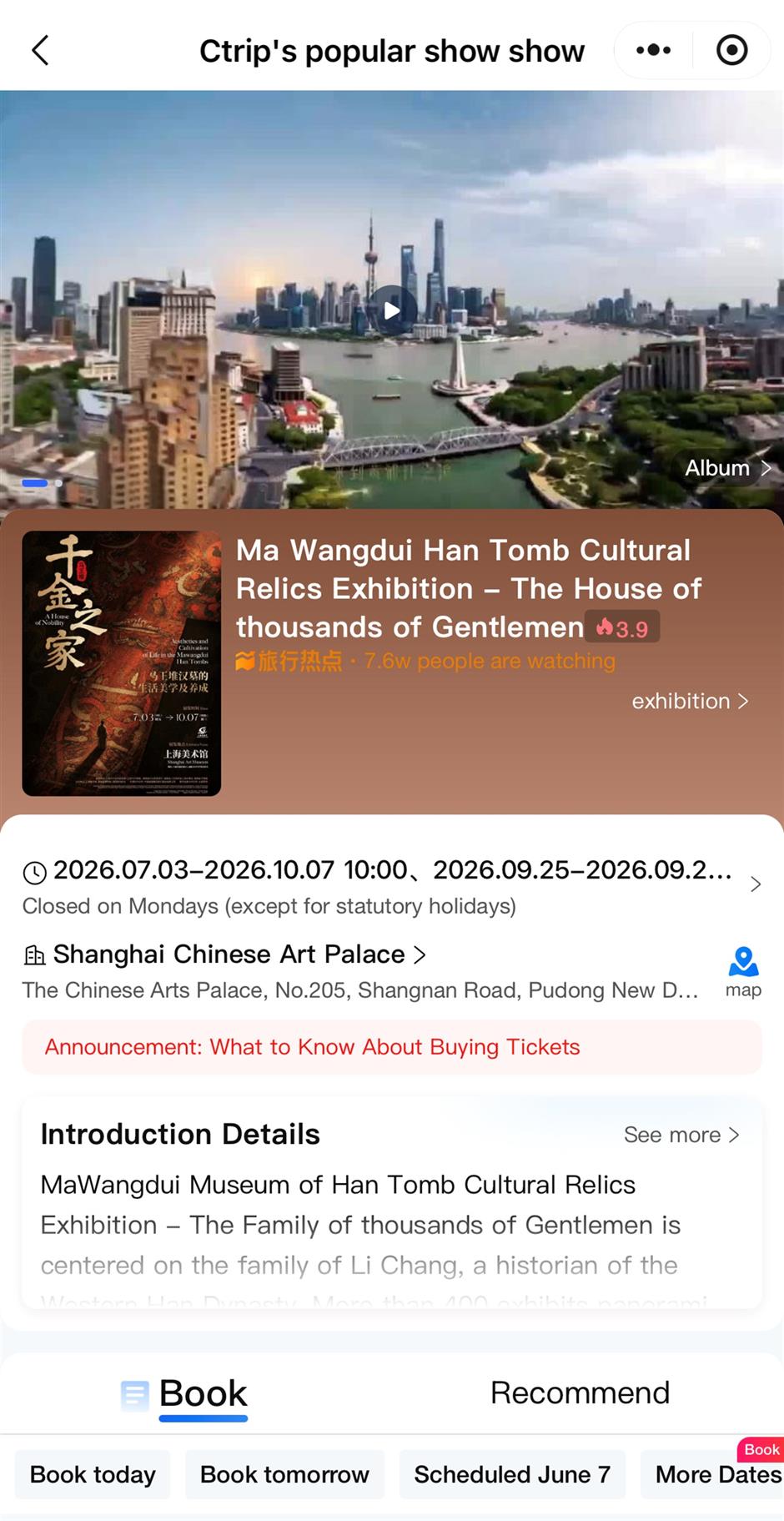
The second round of early-bird tickets, priced at 58 yuan, went on sale at 11:18 am on June 8 on six platforms: Hu Xiaoyou, Maoyan, Damai, Douyin, Ctrip and Out Tour.
Ticket Prices
- Standard ticket: 98 yuan
- Early-bird ticket: 58 yuan
- Children's ticket: 9.9 yuan (for children between 1.2m and 1.4m tall; one adult may accompany up to two children)
The exhibition features 195 sets comprising 472 artifacts, including 31 first-grade cultural relics.
Among them are three top-tier national treasures that are prohibited from being exhibited overseas, including the famous silk funerary paintings from noblewoman Xin Zhui's tomb and the silk funerary paintings from her husband Li Xi's tomb.
The exhibition will also mark three historic firsts.
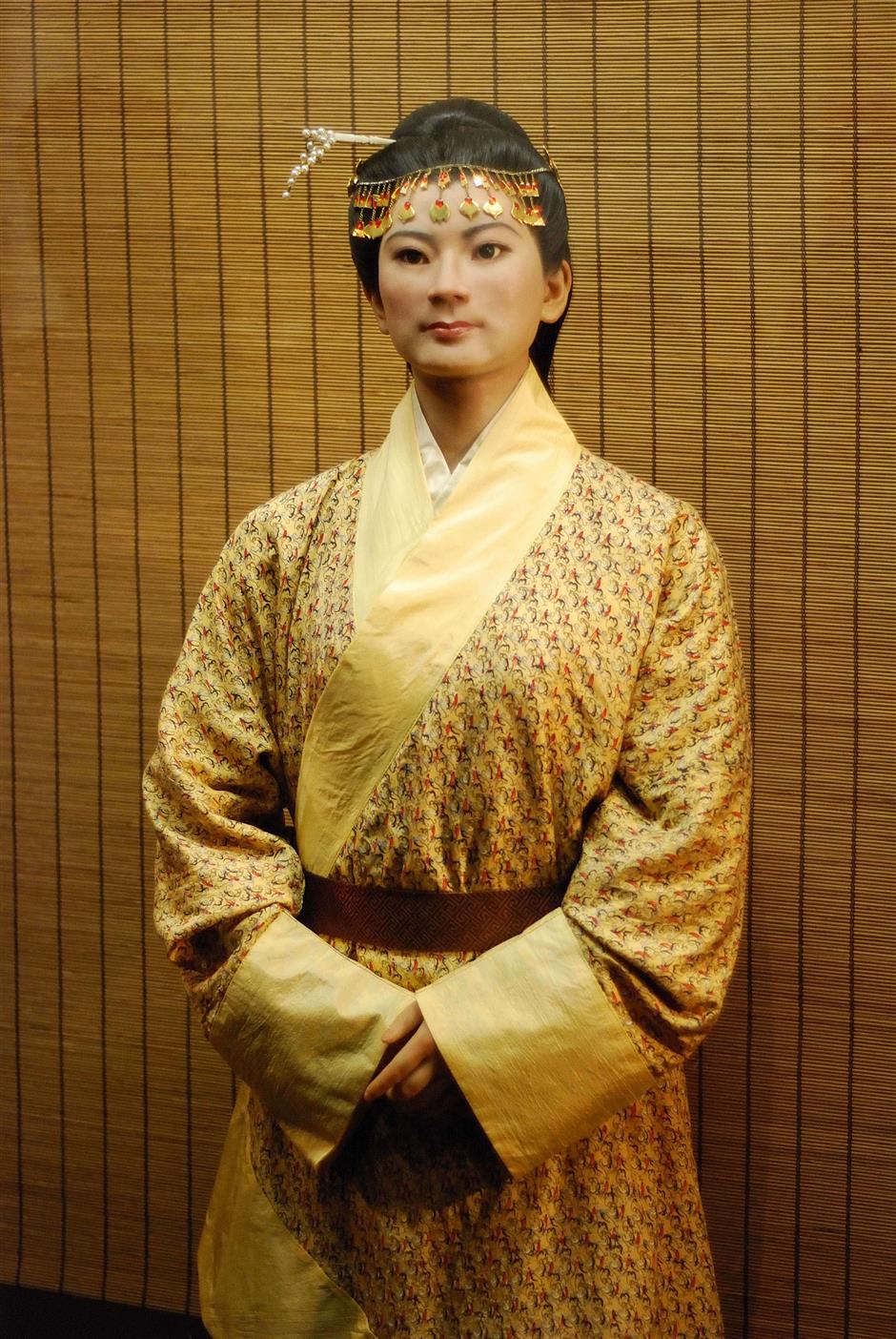
One of the main reasons visitors are so eager to explore Mawangdui is Xin Zhui (Lady Dai), whose tomb was buried 16 meters underground.
She is widely regarded as the best-preserved ancient female mummy ever discovered in China. Her lavish burial offers a remarkable glimpse into the extraordinary wealth and sophistication of Han Dynasty (202 BC-220 AD) aristocratic life, with countless precious burial objects placed alongside her.
She is also considered one of the great miracles in the history of archeology.
When her tomb was opened, her skin remained soft and moisturized, her hair was still intact, her ligaments could still bend, and her joints retained flexibility. She appeared less like someone who had been buried for more than two millennia and more like someone peacefully asleep. This "Sleeping Beauty of Two Thousand Years" stands as a testament to the extraordinary embalming techniques achieved during the Han Dynasty.
However, Lady Dai's actual remains will not travel to Shanghai.
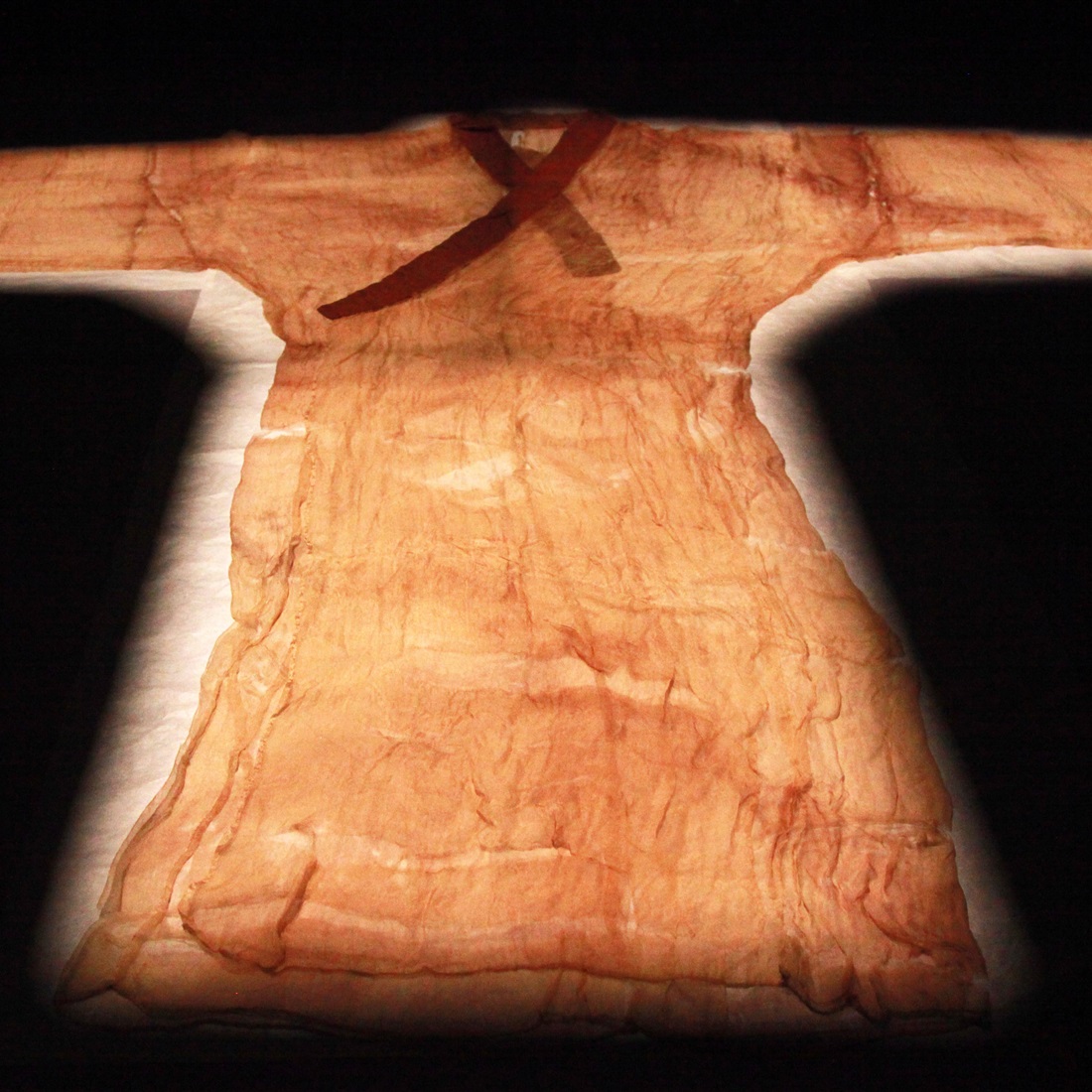
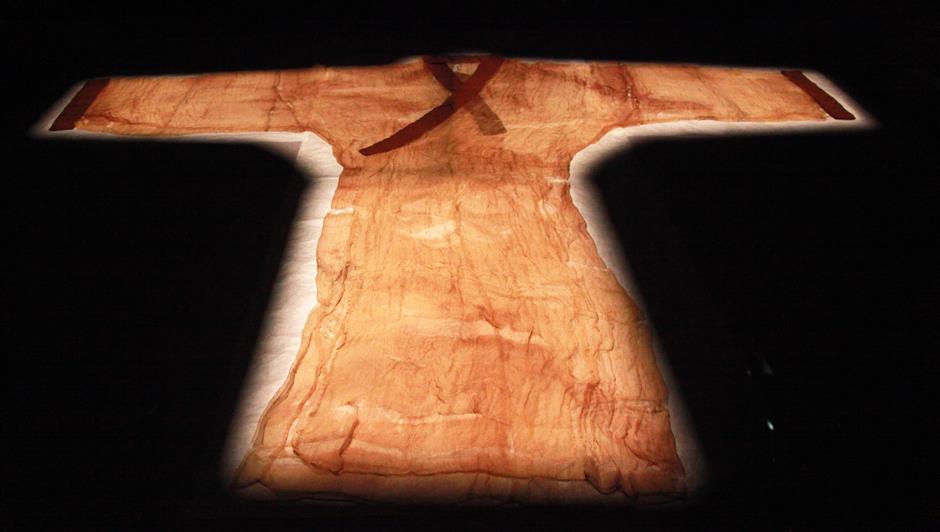
The exhibition will instead display a highly accurate replica of her famous plain gauze robe, meticulously recreated to capture the original's legendary qualities – "as thin as a cicada's wing and as light as mist" – allowing visitors to appreciate one of the finest achievements of Han Dynasty textile craftsmanship.
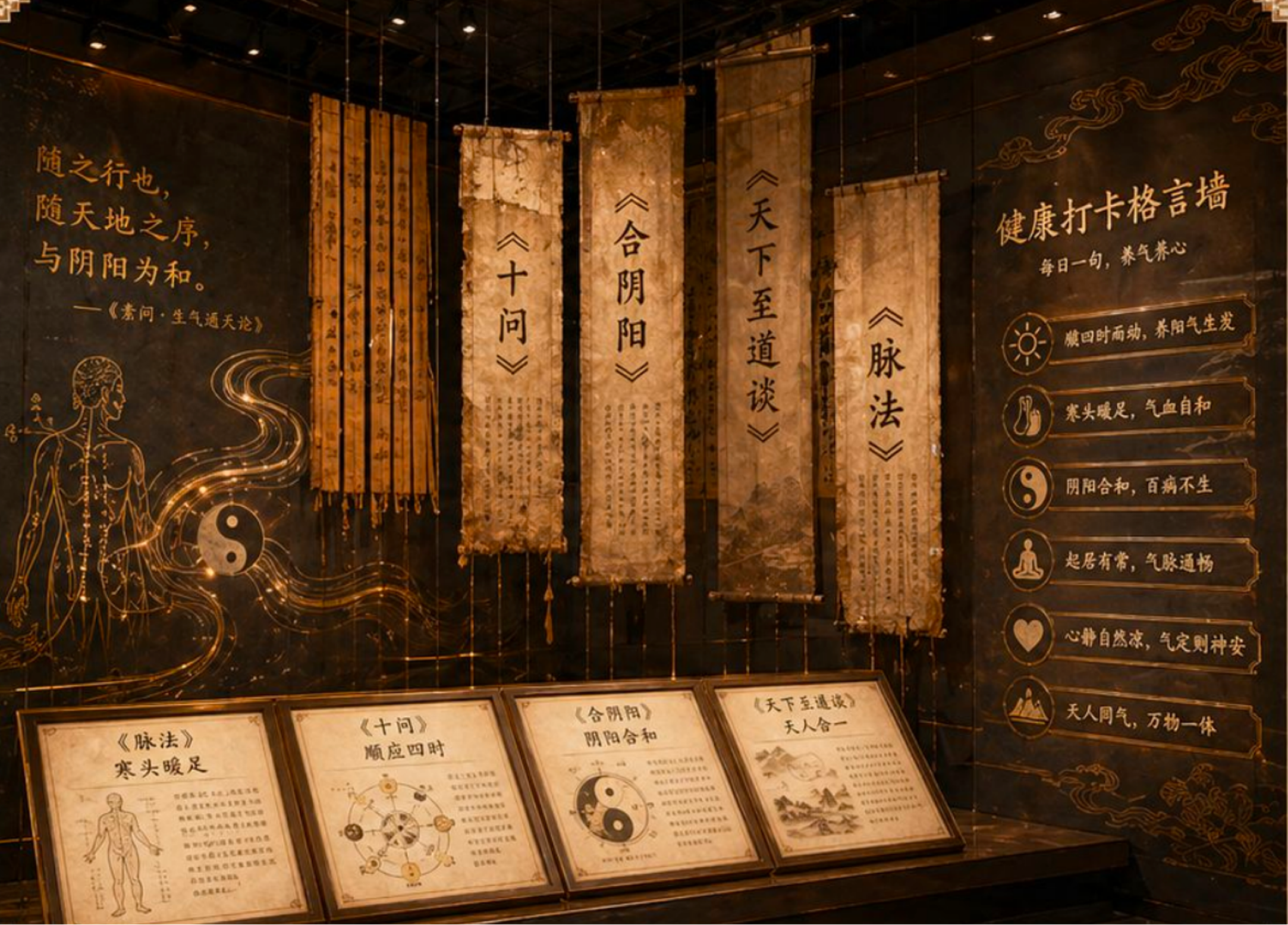
Equally astonishing are the silk manuscripts unearthed from her son's tomb.
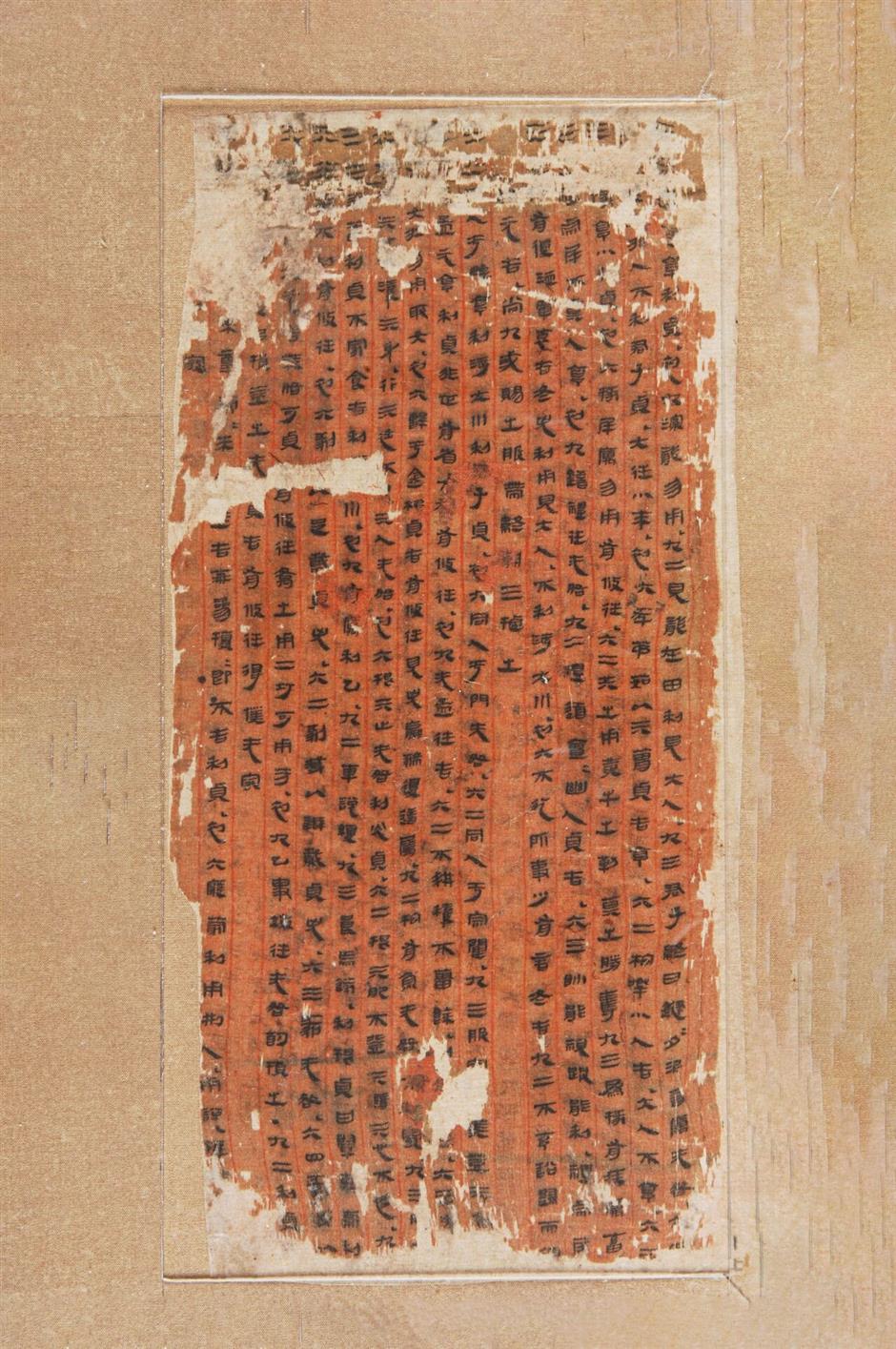
Containing 28 ancient texts and more than 120,000 Chinese characters, these long-lost works function almost like a Han Dynasty encyclopedia, filling major gaps in our understanding of early Chinese history and thought.
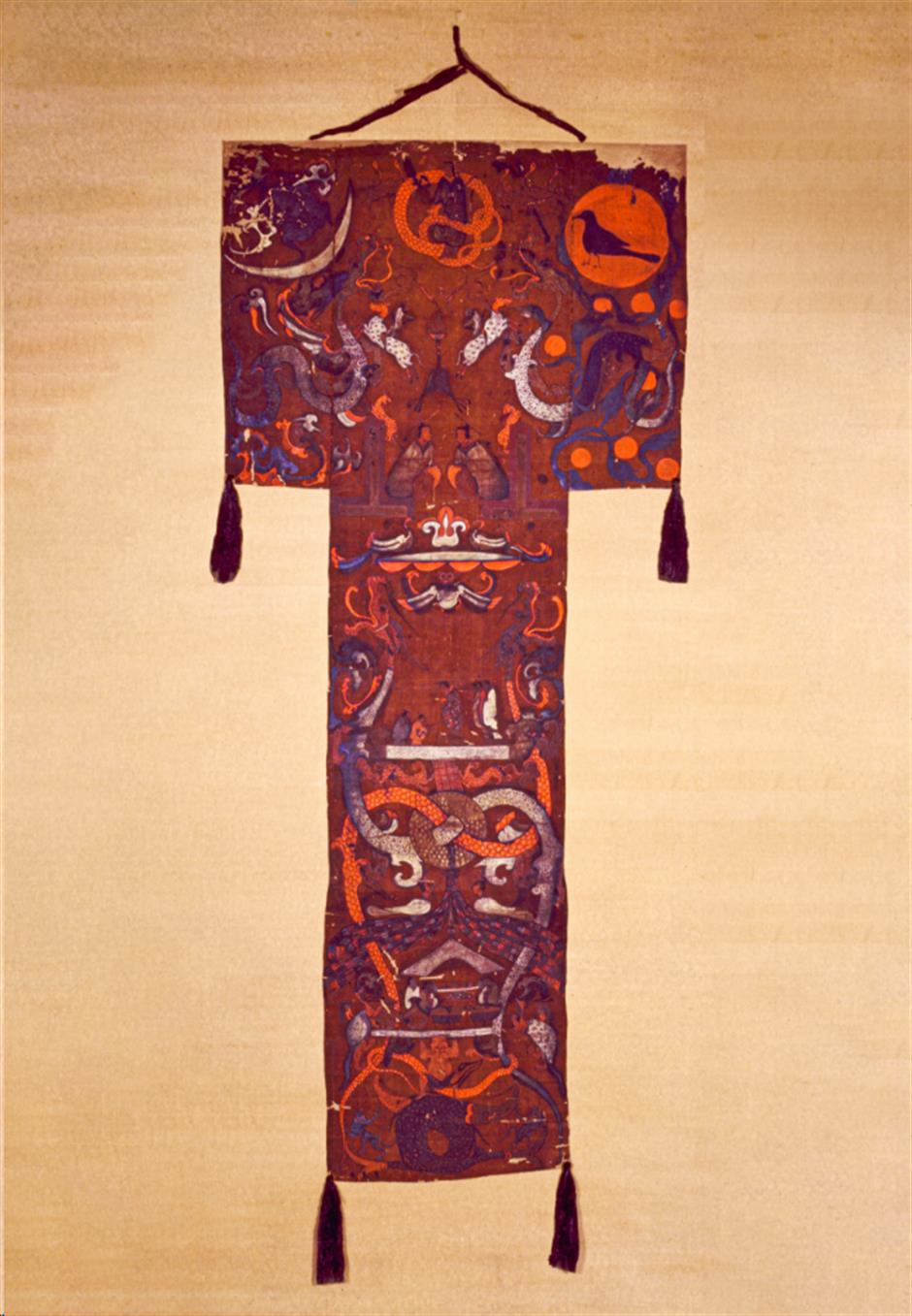
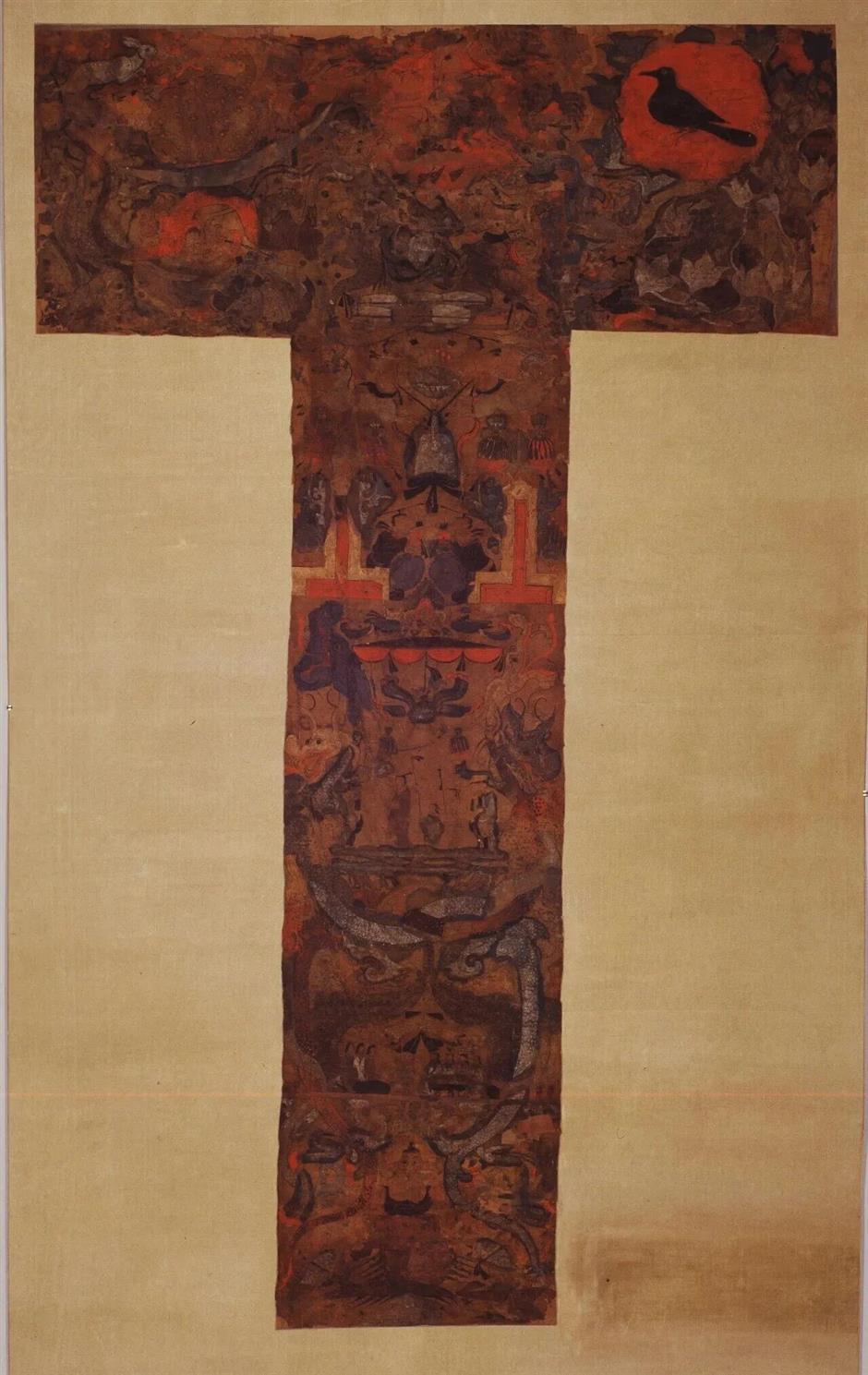
The most remarkable feature of the exhibition is the first-ever joint appearance in Shanghai of the original T-shaped silk funerary paintings from Mawangdui Tomb No. 1 and Tomb No. 3.
This is the first time these mother-and-son banners have ever been displayed outside Hunan during the same exhibition period. (Tomb No. 1 is the tomb of Lady Dai, while Tomb No. 3 belonged to her son and husband.)
1. T-Shaped Silk Painting from Mawangdui Tomb No. 1
Also known as a fei yi ("banner draped over the coffin"), it was carried during funeral processions before being placed over the coffin. Roughly the same length as the coffin itself, it is believed to have served as a vehicle for guiding the soul to heaven.
It is considered a milestone in the history of Chinese painting.
On display: July 3-August 16
2. T-Shaped Silk Painting from Mawangdui Tomb No. 3
Currently, the largest painted silk painting known from the Han Dynasty, it presents a three-tiered vision of heaven, earth and humanity, illustrating the Han worldview and cosmic order.
Compared with the silk painting from Tomb No. 1, it is earlier in date, larger in scale and richer in symbolic content.
On display: August 18-October 7
Other Must-See Highlights
Most of the remaining artifacts will be displayed throughout the entire exhibition, and many are original pieces.
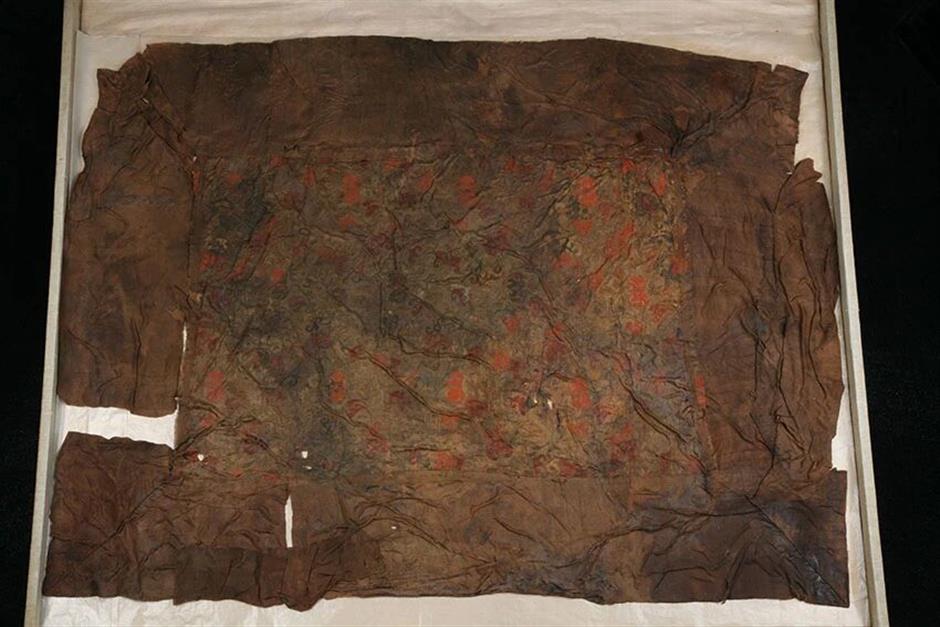
1. "Riding the Clouds" Embroidered Sitting Mat
对鸟菱形纹绮地"乘云绣"坐垫
Decorated with diamond patterns and paired birds, this is the earliest silk-woven sitting mat ever discovered through archeology.
It offers valuable insight into the daily etiquette and lifestyle of Han Dynasty aristocrats and is being exhibited publicly for the first time.
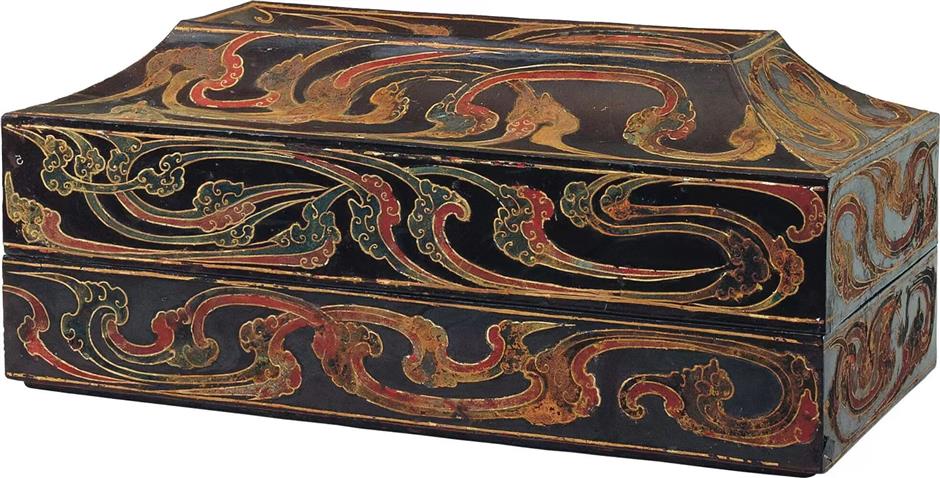
2. Painted Double-Layer Lacquer Cosmetic Case
油彩双层长方形漆妆奁
An important example of Han Dynasty piled-lacquer craftsmanship, this object demonstrates major technological innovations in lacquerware production.
A lacquered silk gauze cap, the earliest surviving physical example of the traditional black gauze official hat, was found inside. It is also listed among China's third batch of cultural relics prohibited from overseas exhibition.
3. "Qianjin" Wavy-pattern Braided Silk Ribbon
波折纹"千金"绦
These colorful silk ribbons were woven from silk threads and were used to decorate gloves and garments unearthed at Mawangdui, an archeological site uncovered in 1963 near Changsha.
The word "Qianjin" in the exhibition title A House of Nobility is derived from these ribbons. Here, "Qianjin" does not literally refer to a quantity of gold. Instead, it evokes the idea of exceptional craftsmanship and high value, highlighting the luxury and refinement of the materials and techniques, and reflecting the social status of aristocratic women in the Han Dynasty.
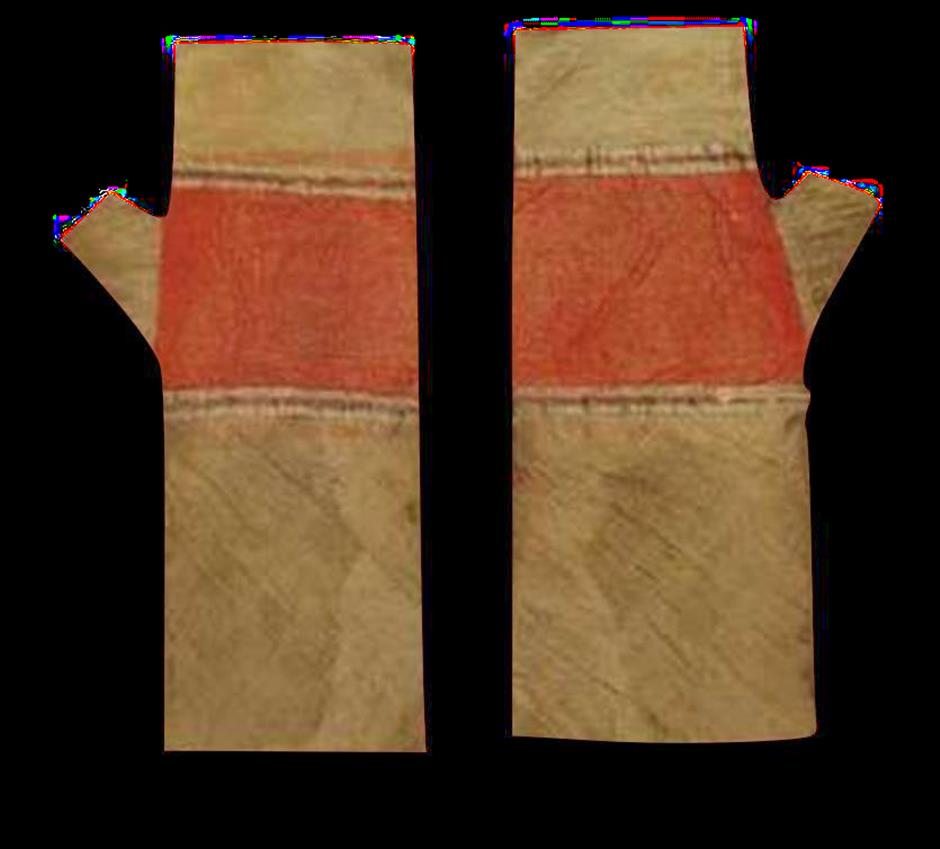
4. Textile Fragment Inscribed with "Peace, Happiness, Good Fortune and Boundless Longevity"
"安乐如意长寿无极"文字丝绵袍残片
This is currently the earliest known auspicious-text textile produced on a loom.
As an outstanding example of ancient Chinese textile artistry and technology, it demonstrates that woven-character textiles had already appeared in China during the early Western Han period.
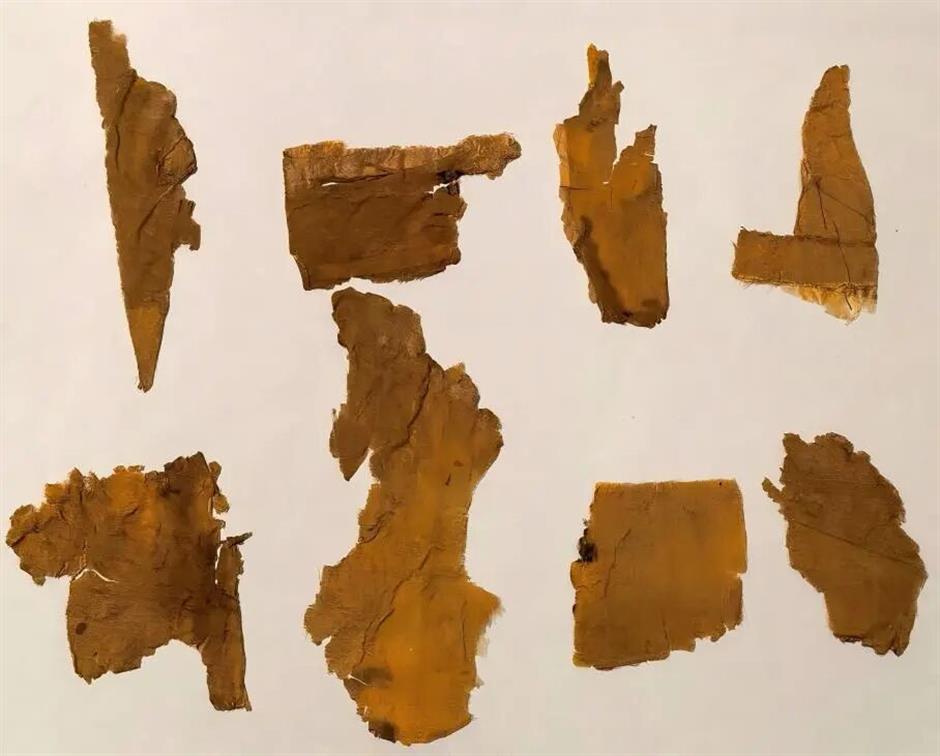
Other highlights include portions of the silk manuscript I Ching (Book of Changes), another artifact included in the third batch of cultural relics prohibited from overseas exhibition.
If you go
Dates: July 3-October 7, 2026
Venue: China Art Museum | 中华艺术宫
Address: 205 Shangnan Rd | 上南路205号
Metro: Line 8, China Art Museum Station, Exit 3