James Payne: The Man Who Made 2 Million People Not Scared of Art
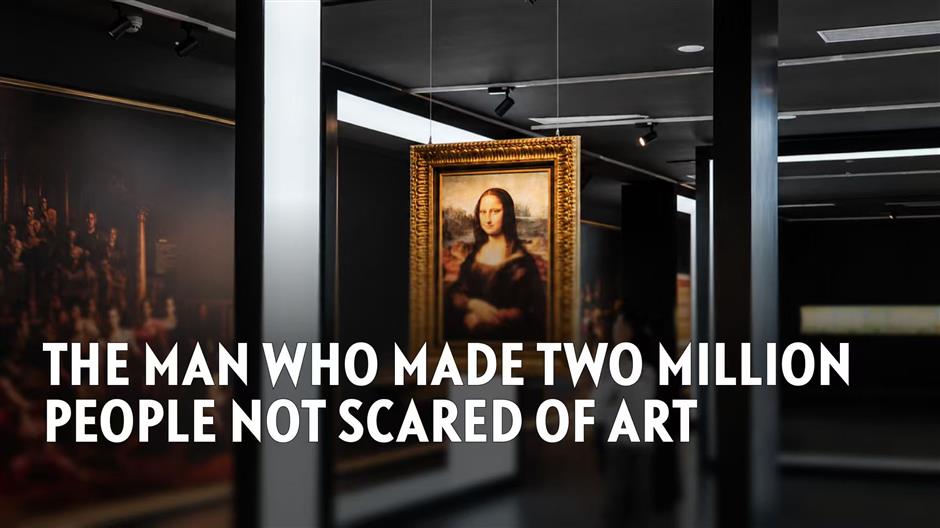
Shanghai has just recently had another visitor with star power, James Payne. Many of you might know him from the hit YouTube Channel, "Great Art Explained," with nearly 2 million subscribers, known for making art accessible to everyone. He is a British writer, curator, gallerist, and presenter who uses storytelling and the commonality of our shared human experience to transform the way people see art. As the curriculum lead for visual arts for middle and high school at Concordia International School of Shanghai, I am very familiar with James Payne. I have, on many occasions, used his videos in the classroom because of his ability to demystify the world of art, revealing the people, history, and emotions behind some of the world's most celebrated masterpieces. His storytelling is thoughtful, and through it he encourages viewers to be curious rather than intimidated by art or afraid of misunderstanding it. As a result, even the world's most iconic artworks become relatable and relevant.
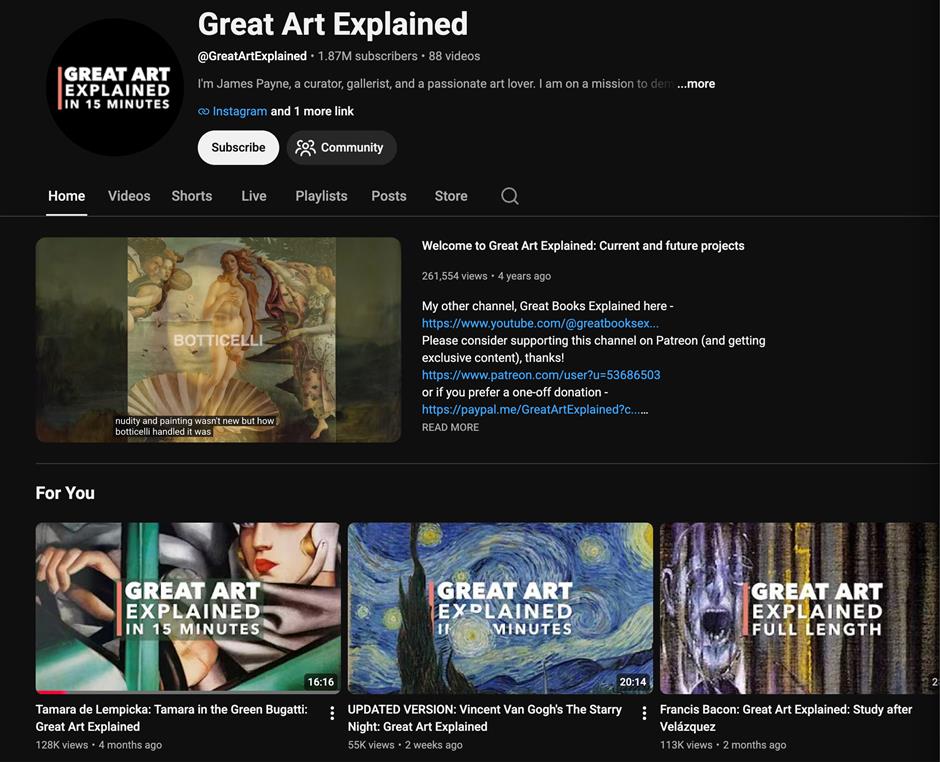
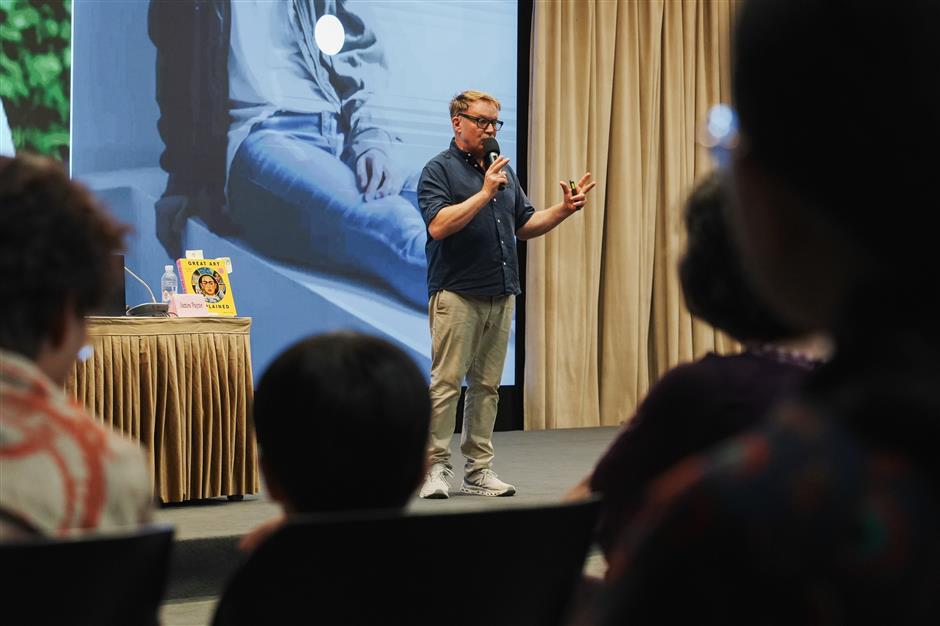
During a recent visit to Shanghai to explore the city's remarkable museums and deliver a talk to a packed auditorium at the China Art Museum, on the heels of the release of his new book, "Great Art Explained," his time in Shanghai also revealed a city with a genuine thirst for knowledge, where museums are filled with visitors eager to learn, explore, and experience art. Payne sat down with City News Service to discuss making art accessible to all, his impressions of Shanghai's museum culture, and why, as he puts it, "paintings don't bite."
CNS: Your mission is to make art accessible to everyone. Why do you think people are intimidated by art museums in the first place?
James Payne: I come from a family that never went to museums; they would have been too afraid to even step inside one. I think one of the first problems is gatekeeping. That's changing now, but for a long time a lot of kids simply didn't see themselves reflected in art. Language is one of the biggest barriers too. Art museums need to understand that young people see things differently today.
There's a class problem and a language problem, and I think both are what keep people from walking through the door. The language needs to change, and the way we present art needs to change.
CNS: That's what's so refreshing about your videos – you make it accessible and give people the context. Otherwise there's this feeling of "why bother," especially if you're already excluded by class.
James Payne: I'd put it simply: if I'm going to talk about chiaroscuro (which is the treatment of light and shade in a drawing and painting), I'll tell people what it means, because not everyone knows. I think museums assume too much. There are ways to open things up without resorting to gimmicks.
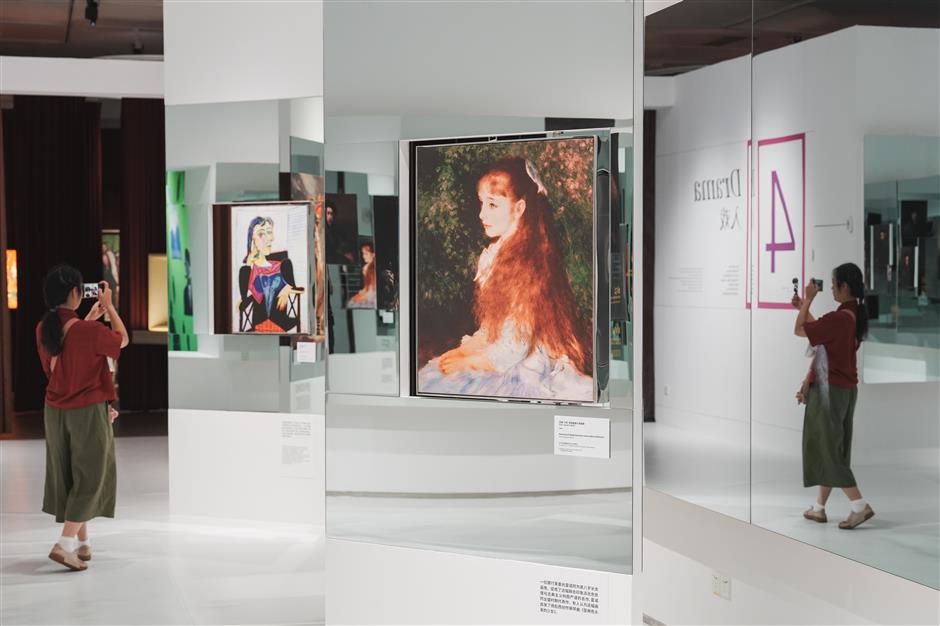
CNS: That leads into what you do so well – telling stories rather than just explaining artworks. Why do you think storytelling is such a powerful way to connect people with art?
James Payne: Everyone understands a story. Cave paintings are storytelling too – it's the oldest form there is.
I think storytelling matters because everyone loves a story. It's why cinema is popular, and I think it's why my videos are popular: they're cinematic. Personally, I love hearing the stories behind the artists.
You can absolutely walk into a gallery, look at a Rothko, and appreciate it for what it is – but knowing the story changes things. It doesn't necessarily make you think differently. It makes you feel differently.
CNS: What advice would you give someone walking into an art museum for the very first time?
James Payne: You don't have to like everything. Walk through, and let the pieces that pull you in be the ones you stop at. Nine times out of ten, that'll be a masterpiece anyway.
I don't think you have to read every wall text. Let the art itself sink in. Even as a kid, I'd sometimes love a painting simply because the frame was beautiful. That's enough, too.
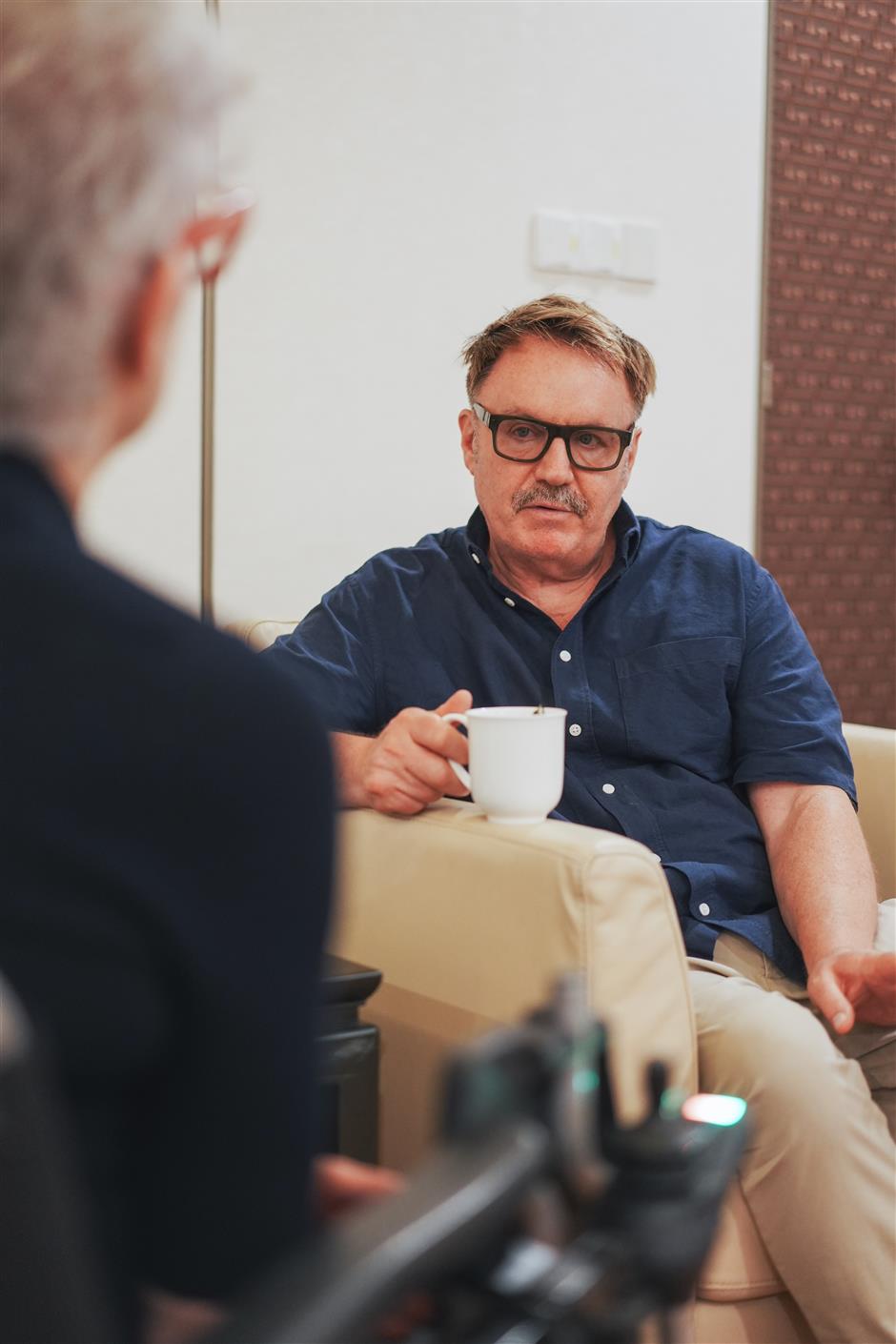
CNS: Right – no pressure to like it all.
James Payne: Exactly. But we all change our minds.
CNS: Have there been works you disliked at first but grew to love?
James Payne: Monet is a great example – I always found him boring, and now I think he's cool and radical. Artemisia Gentileschi is another. I love all of her work now.
CNS: Is that from research?
James Payne: From research, yes. Even four weeks ago, I was asked to do a TV program in the UK about Rousseau. I never liked Rousseau; now I love him. You can absolutely change your mind about things. And it works the other way too: You can fall out of favor with something you used to love.
CNS: You've visited quite a few art museums in Shanghai. What's surprised or impressed you most?
James Payne: At the Shanghai Museum East, the popularity surprised me. The bronze department was packed – you couldn't move – and the kids were completely engaged. That just wouldn't happen in the UK.
There's a real yearning for knowledge in China for art and culture that I genuinely feel. Watching teenagers absorbed in ninth-century bronzes at the Shanghai Museum East was pretty remarkable, I must say.
My favorite museum in Shanghai, though, is the Shanghai Propaganda Poster Art Center.
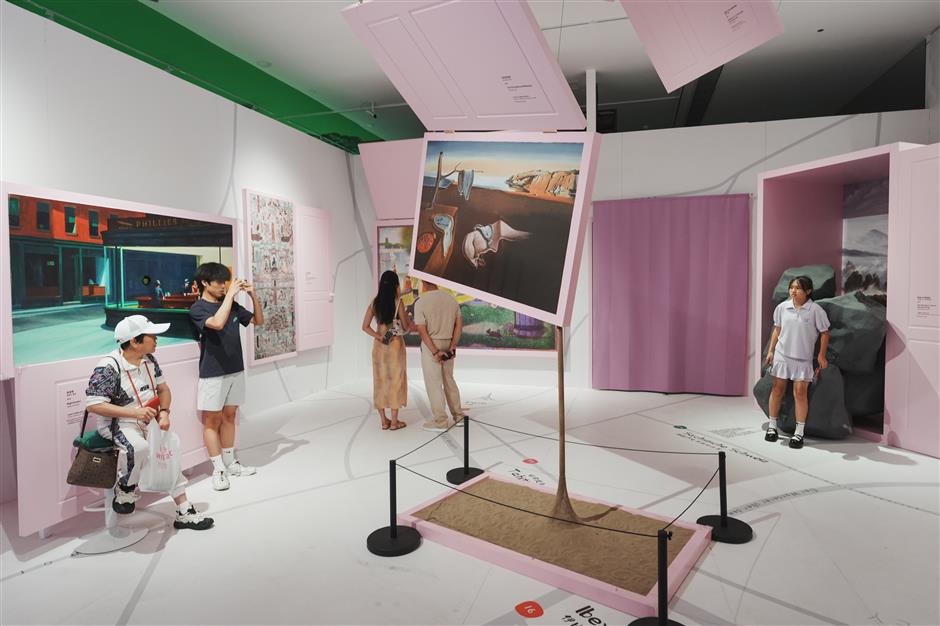
CNS: A hidden gem – I love that place too.
James Payne: Really cool. We're actually here for a specific reason. We're making a film about Shanghai. Alongside "Great Art Explained," we have a spin-off called "Great Art Cities Explained." For Shanghai, we're covering the Long Museum, this museum, and Shanghai East, plus some other material. They're a bit like travel pieces, but really about how art and culture develop within a city.
CNS: China has such a long artistic tradition that Western audiences aren't always exposed to. How has visiting Shanghai expanded the way you think about art history?
James Payne: I'd studied a bit of Chinese art before, but not nearly enough. Seeing scrolls in real life was wonderful; it's interesting how physical they are, how you actually roll them. That was one of the things I really liked. You physically interact with them rather than simply looking at them. I want to learn more about Chinese art now. I loved the brushwork, and calligraphy is something that's starting to interest me a great deal.
I would have liked to see more Chinese modern art while I was here, but overall China's been a revelation for me. It's opened my eyes quite a bit.
CNS: You mentioned how physical Chinese scrolls are. What does your new book let you explore that the videos don't?
James Payne: Objects matter; holding something matters. The videos are more passive; the book is more active. You take it at your own pace. You're forced to concentrate. When I first sat down with my designer, I said I didn't want it to look like a typical art history book. I wanted to walk into a bookstore and be able to spot it from a distance. There's something about the quality of the paper, the act of touching the pages, that adds a bit of luxury to your life.
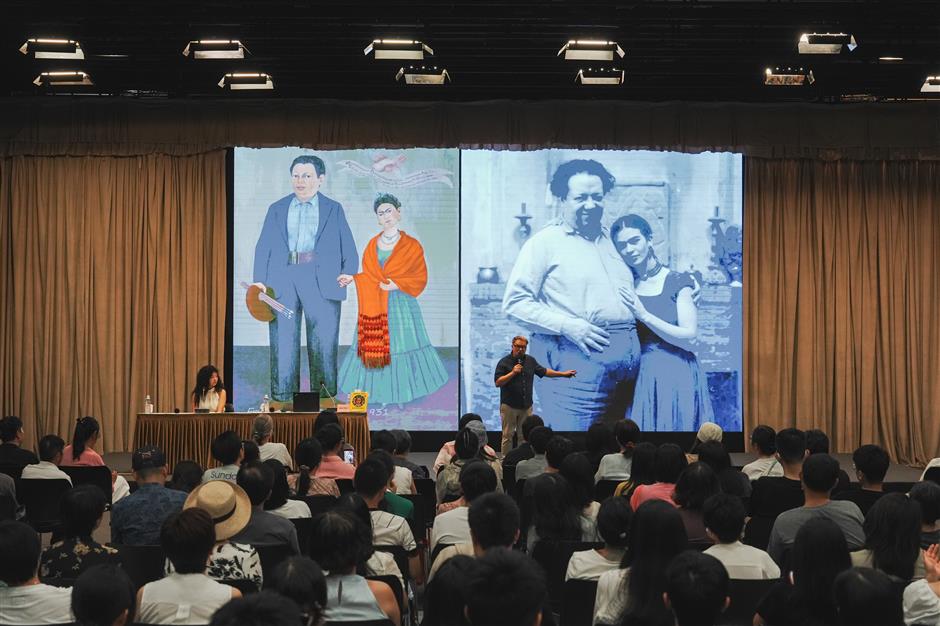
CNS: As art educators, my colleague and I use your videos with our portfolio students. Did you ever imagine "Great Art Explained" could also be used as a teaching resource?
James Payne: Not in a million years. It was a complete accident. I made a video about the Mona Lisa, thinking it would just be a one-off. It took off quickly, and by the third video it was genuinely big. The 15-minute length was a complete accident that turned out to be exactly right. People like the stories, the gossip – the context makes it relatable. I'm in my sixties now – two years off retiring – and I've somehow landed a whole new career instead. These last few years, I've worked seven days a week, including Christmas Day, and I still can't wait to wake up in the morning.
CNS: That's wonderful – finding the thing you were made for. After this visit to Shanghai – and honestly, after your talk – what do you hope people take away about art, your videos, and the book?
James Payne: From the very beginning, my goal has been to make people less afraid of art – to help them see that you can connect with religious art without being religious, or with someone else's experience without having lived it yourself. That's what art does: it opens you up to experiences beyond your own. When people tell me they don't like something, I say, "That's fine. Why would you have to?" You don't have to like everything in life. Museums need to let people make their own decisions in that space, without fear.
CNS: That's a wonderful note to end on. It's an honor to meet you.
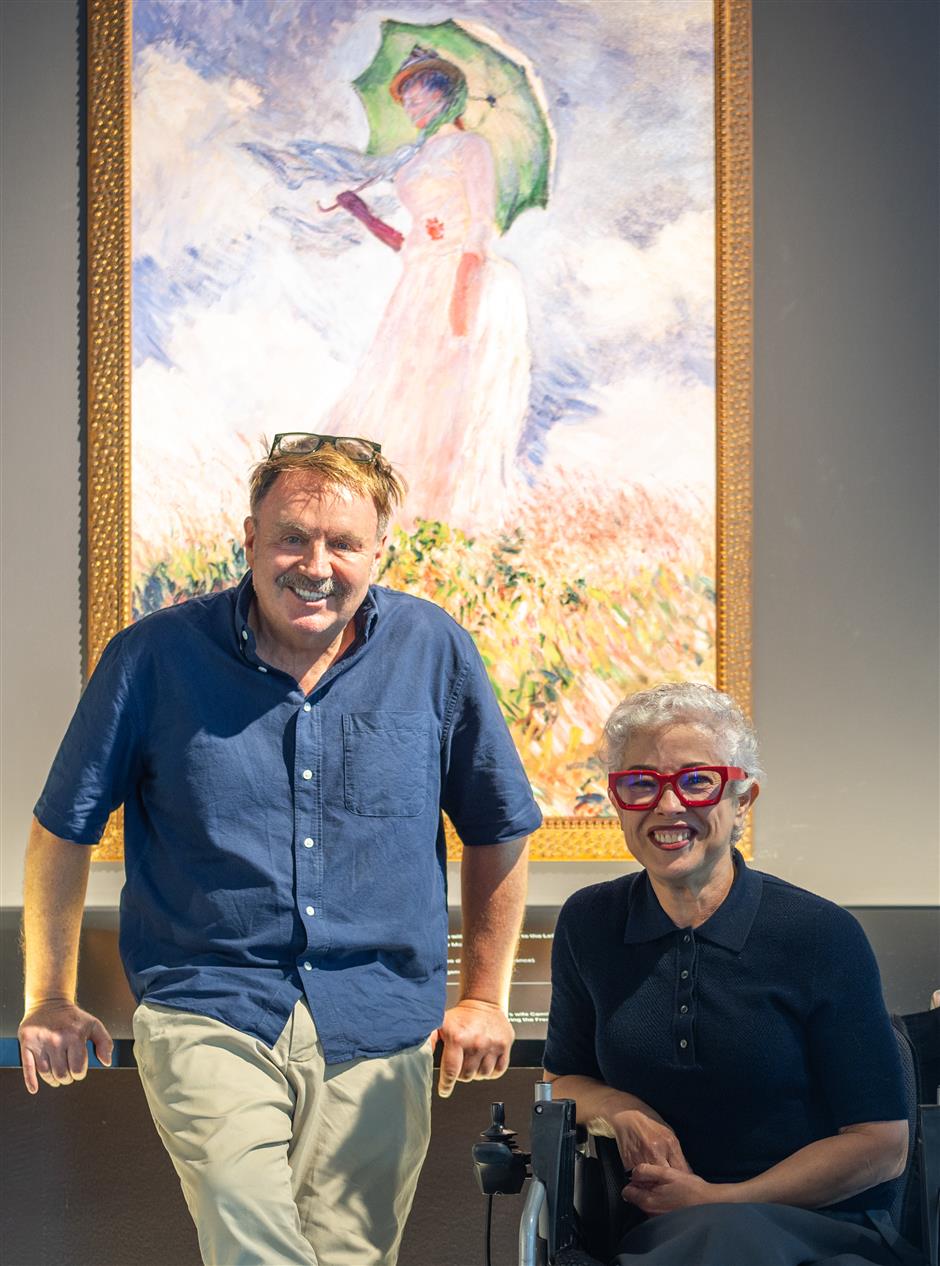
About the Author
Vanessa Vanek is an artist and high school art educator who serves as Curriculum Lead for Middle and High School Visual Arts at Concordia International School Shanghai.
Editor: Fu Rong
In Case You Missed It...

 Jul 23, 2026
![[SH Transit] Pudong Airport to Open Terminal 3 by 2028 With Smarter and Faster Travel](https://obj.shine.cn/files/2026/07/22/c2532676-e242-44fa-801d-b8bbb3e3b3f6_0.jpg)

![[A City for All] Beyond the Rat Race: New Lives on Shanghai's Rural Edges](https://obj.shine.cn/files/2026/07/23/7c532c42-a28a-4e56-bf2f-7be59827b8b3_0.jpg)

![[SH Transit] Pudong Airport to Open Terminal 3 by 2028 With Smarter and Faster Travel](https://obj.shine.cn/files/2026/07/22/ee65a171-2219-4e1e-92ce-a20b4add57fa_0.jpg)
