Bedbug Map Flags Over 600 Hotels, but Expert Urges Caution
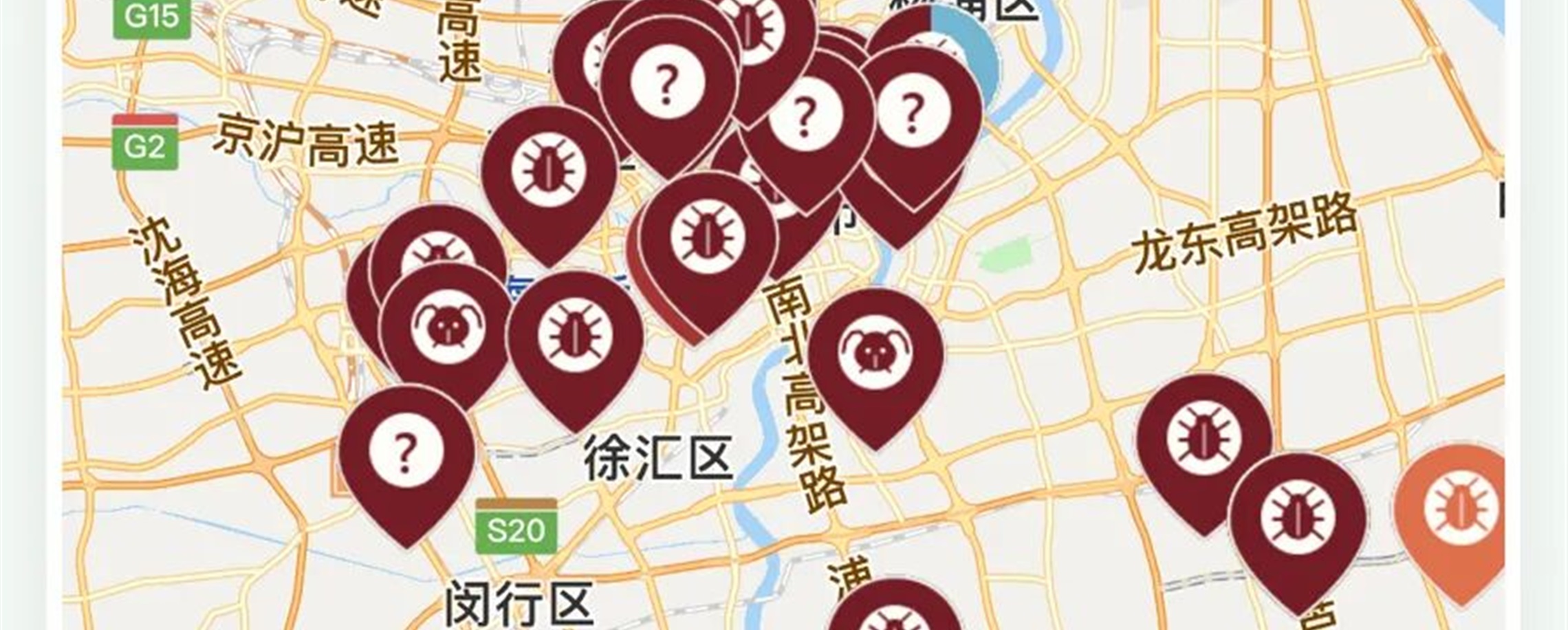
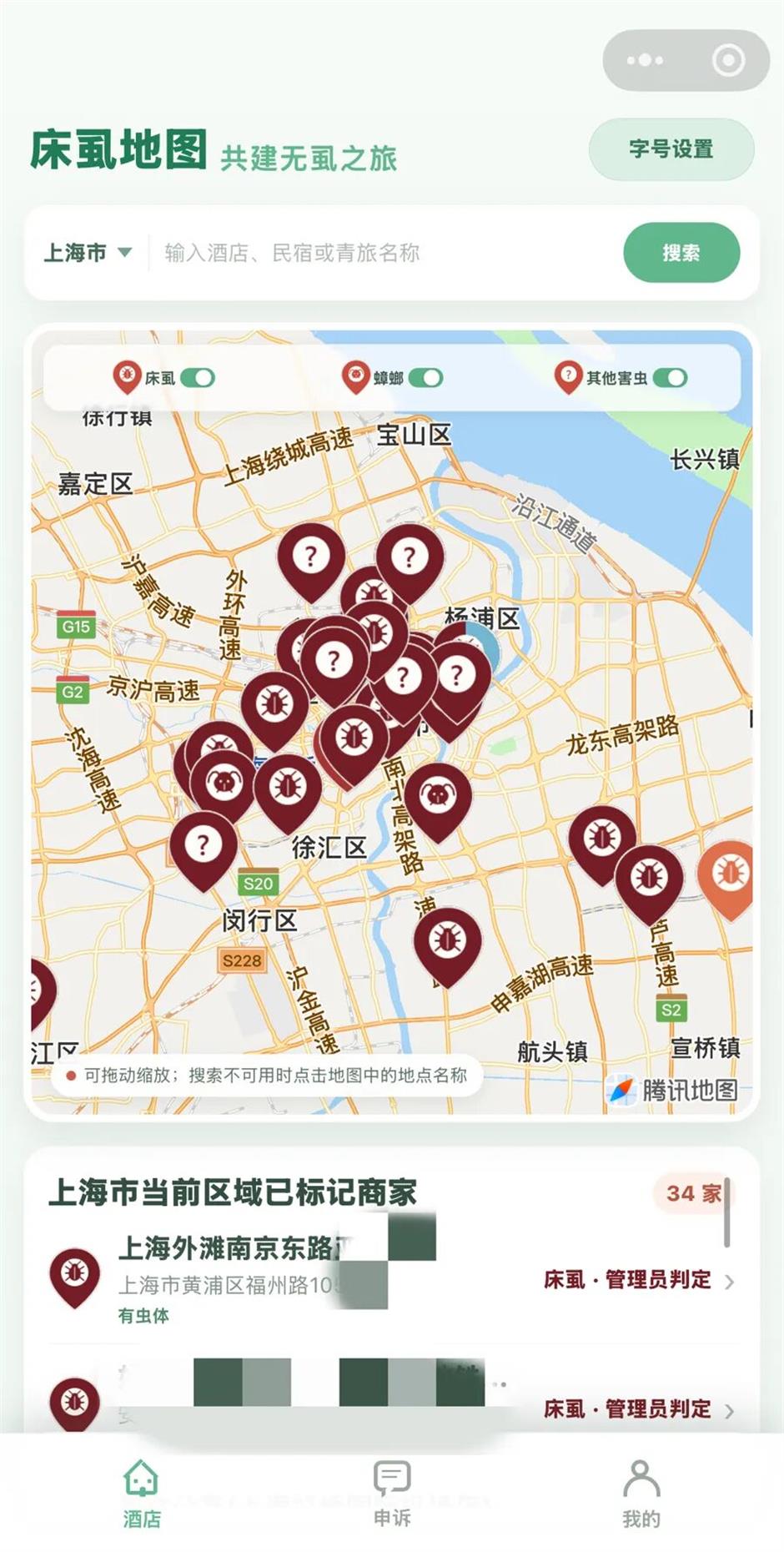
More than 600 hotels across China had been tagged for bedbugs on the "Bedbug Map" mini program as of Monday night, including 34 businesses in Shanghai, with one hotel chain flagged by 97 users, Jiefang Daily's Shanghai Observer reported.
The mini program, launched in September, has drawn large numbers of users marking hotels where they say they found the bloodsucking insects. It was suspended twice over the past week.
Its developer told the newspaper that, as an individual developer, he was not permitted to offer content in the "social – notes" category. A new version that complies with platform rules is now back in service, and he said it will tighten its review of evidence after hotel industry complaints that some user uploads were unclear. He said he has no commercial plans and hopes for guidance from authorities or professional bodies.
Wang Desen, an associate professor at South China Agricultural University's College of Plant Protection, told Shanghai Observer that hotels are not where bedbugs are most common. In China, they are concentrated in dormitories, rental housing and public transportation, and most bedbugs in hotel rooms arrive in guests' luggage.
He warned that the map is not necessarily reliable. "People sometimes judge with the naked eye alone and mistake other insects for bedbugs, leading to false reports," Wang said. Bites resemble mosquito bites, so "skin reactions alone cannot confirm bedbugs," and unclear photos could lead to wrong tags.
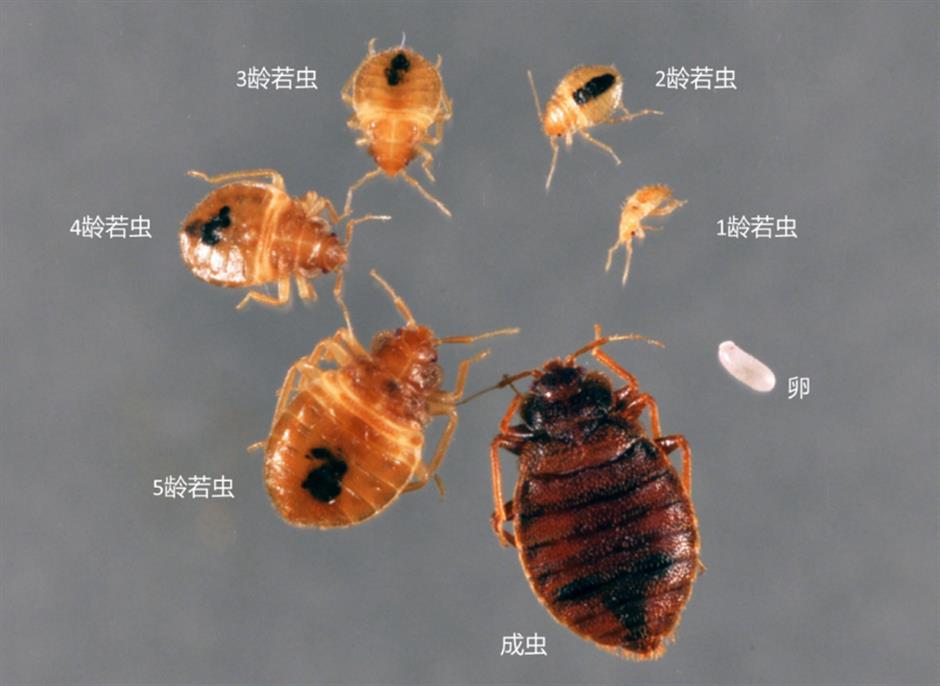
Finding bedbugs in one room means only that neighboring rooms face a higher risk, not that the whole hotel is infested, he said. Yet fast guest turnover makes hotels hard to keep clear, and an information gap with consumers can trigger a crisis of trust.
"Hotels are generally unwilling to open their premises for monitoring, so real incidence data are hard to obtain," Wang said. "Once people see one report about a hotel, they tend to assume every room is affected."
He suggested hotels commission third-party professionals to verify guests' reports, publish findings on false alarms and document treatment when bedbugs are confirmed.
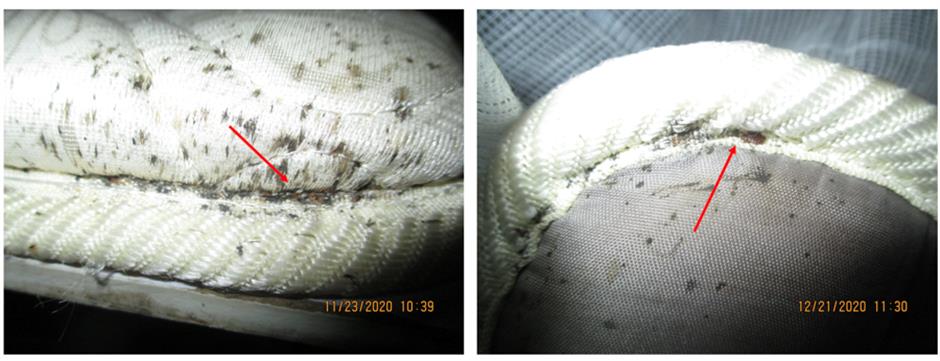
For travelers, Wang advised checking bedside table cracks and lifting sheets to inspect mattress edges for black dots, shed skins, eggs or live bugs, and keeping luggage on smooth surfaces such as plastic film. Back home, clothes can be soaked in water above 50 degrees Celsius, or high-risk items frozen at minus 20 degrees Celsius for 48 hours. Rather than heavy insecticide use, he recommended heat treatment and powders such as diatomaceous earth in cracks, saying there is no need for excessive worry.
Editor: Zhu Ying
In Case You Missed It...

 Nov 4, 2026