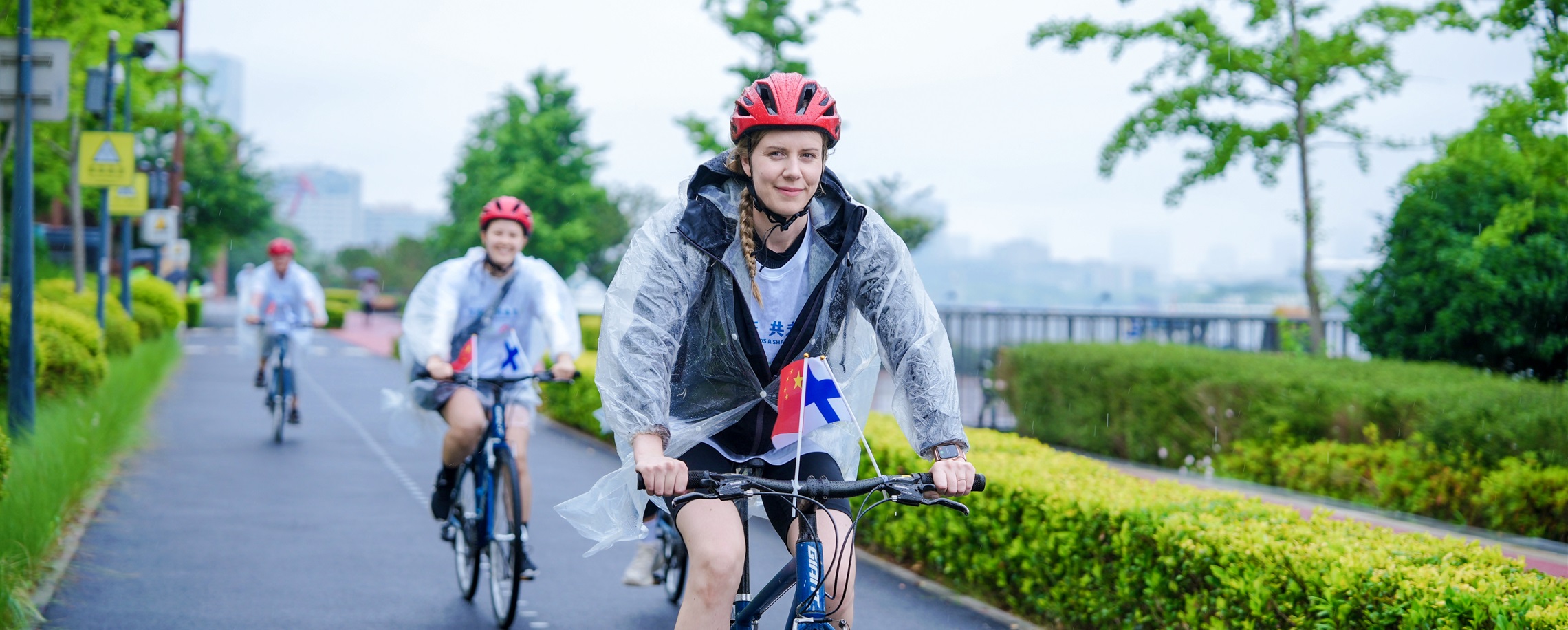
[Hai Streets] Gardens, Snacks, Tea Houses and More at Yuyuan
Hai Streets is our semi-regular column on Shanghai's great commercial arteries. From Nanjing Road East's blend of heritage storefronts and pop-culture malls to Huaihai Road's luxe lanes and Hongqiao area's international cultural diversity hubs, we explore how Shanghai's commercial hubs drive billions in sales and shape the city's identity – where commerce, culture and history collide in neon, nostalgia and non-stop foot traffic.
![[Hai Streets] Gardens, Snacks, Tea Houses and More at Yuyuan](https://obj.shine.cn/files/2026/02/11/2fe1a7f4-6757-4936-bf94-f527da75e00d_0.jpg)
Yuyuan Mall. You know it, everyone's heard of it, and now thanks to the latest hype it's crawling with tourists from everywhere. If you don't know, get to know.
The whole Yu Garden commercial zone is just Yuyuan plus BFC plus whatever street you wander onto–Shiliupu Quay, Fuyou Market, Fangbang Road M., all mashed together.
Old-school Shanghai facades, Ming dynasty garden corners, plastic toy shops, gold bling, street snacks, pets in strollers, anime, craft markets, whatever's trending this week, plus river views. It's Shanghai's all-in-one flex spot for anyone who wants to feel in the mix.
![[Hai Streets] Gardens, Snacks, Tea Houses and More at Yuyuan](https://obj.shine.cn/files/2026/02/06/05b2c6f2-1fd7-4c8e-b1bb-7807e7ae2341_0.jpg)
![[Hai Streets] Gardens, Snacks, Tea Houses and More at Yuyuan](https://obj.shine.cn/files/2026/02/06/883b2d48-ce2b-42e8-b0d3-4dec36434ea0_0.jpg)
Yuyuan Mall: Where Tradition Pretends to Be Modern Life
Smack in the middle of the old city, Yuyuan Mall is where you go when you want temples, noodles, jade souvenirs, and a selfie with a Ming dynasty roof. This place is the all-you-can-eat buffet of Shanghai: shops, food, gardens, ancient walls, random architecture, and more tourists than sense. Back in 1995, it even made the "Top 10 New Scenic Spots" list.
The story here goes deep. We're talking Qing Dynasty, Tongzhi era, over 140 years of backstory, which basically makes this place Shanghai's official postcard–right up there with The Bund, shikumen houses, and the ever-present qipao. Yuyuan is always in the montage.
Locals, expats, out-of-towners, everyone ends up here. There's always someone snapping a shot, haggling for trinkets, or queuing for dumplings. If you want Shanghai folk culture with a side of chaos, this is where you start.
![[Hai Streets] Gardens, Snacks, Tea Houses and More at Yuyuan](https://obj.shine.cn/files/2026/02/06/52002dc5-0b33-4711-b44a-89fa35997261_0.jpg)
![[Hai Streets] Gardens, Snacks, Tea Houses and More at Yuyuan](https://obj.shine.cn/files/2026/02/06/b42c9ad1-07f3-4054-823a-f773aef6496f_0.jpg)
![[Hai Streets] Gardens, Snacks, Tea Houses and More at Yuyuan](https://obj.shine.cn/files/2026/02/06/20109c8a-3532-4a11-9ced-d19fa4b2caac_0.jpg)
The tricky thing about Yuyuan Mall is that there's no real "gate." You just wander in and, boom, suddenly you're out of Shanghai and in some kung fu period drama set. One second you're dodging scooters, the next you're surrounded by dark tiles, red railings, and those classic upturned eaves – Ming and Qing dynasty all over the place.
The trick here is the blend. Yuyuan smashes together old-school architecture with a modern retail circus, somehow pulling off "ancient" and "shop-till-you-drop" at the same time. It's pure Shanghai: a little bit museum, a little bit market, a whole lot of weird charm.
![[Hai Streets] Gardens, Snacks, Tea Houses and More at Yuyuan](https://obj.shine.cn/files/2026/02/06/c3d509a6-c5f2-41bf-9d47-2d1a0fdf643f_0.jpg)
![[Hai Streets] Gardens, Snacks, Tea Houses and More at Yuyuan](https://obj.shine.cn/files/2026/02/06/8a1d3ea3-d63a-4e48-8f21-7017acd02a8d_0.jpg)
![[Hai Streets] Gardens, Snacks, Tea Houses and More at Yuyuan](https://obj.shine.cn/files/2026/02/06/9e8f97be-123e-4028-9477-b2dd894204a2_0.jpg)
![[Hai Streets] Gardens, Snacks, Tea Houses and More at Yuyuan](https://obj.shine.cn/files/2026/02/06/25decab3-945c-4f01-8071-f7810b6d3562_0.jpg)
![[Hai Streets] Gardens, Snacks, Tea Houses and More at Yuyuan](https://obj.shine.cn/files/2026/02/06/db46a234-f994-4e44-a81d-824684109105_0.jpg)
![[Hai Streets] Gardens, Snacks, Tea Houses and More at Yuyuan](https://obj.shine.cn/files/2026/02/06/fed7df05-6a11-4260-8de5-54850c709600_0.jpg)
![[Hai Streets] Gardens, Snacks, Tea Houses and More at Yuyuan](https://obj.shine.cn/files/2026/02/06/c38b8fbd-867d-4c3b-9ac1-5050067ca2ac_0.jpg)
![[Hai Streets] Gardens, Snacks, Tea Houses and More at Yuyuan](https://obj.shine.cn/files/2026/02/06/042630f4-53bb-42dc-9016-f829cb068050_0.jpg)
Hanfu Dreams at Yuyuan Mall
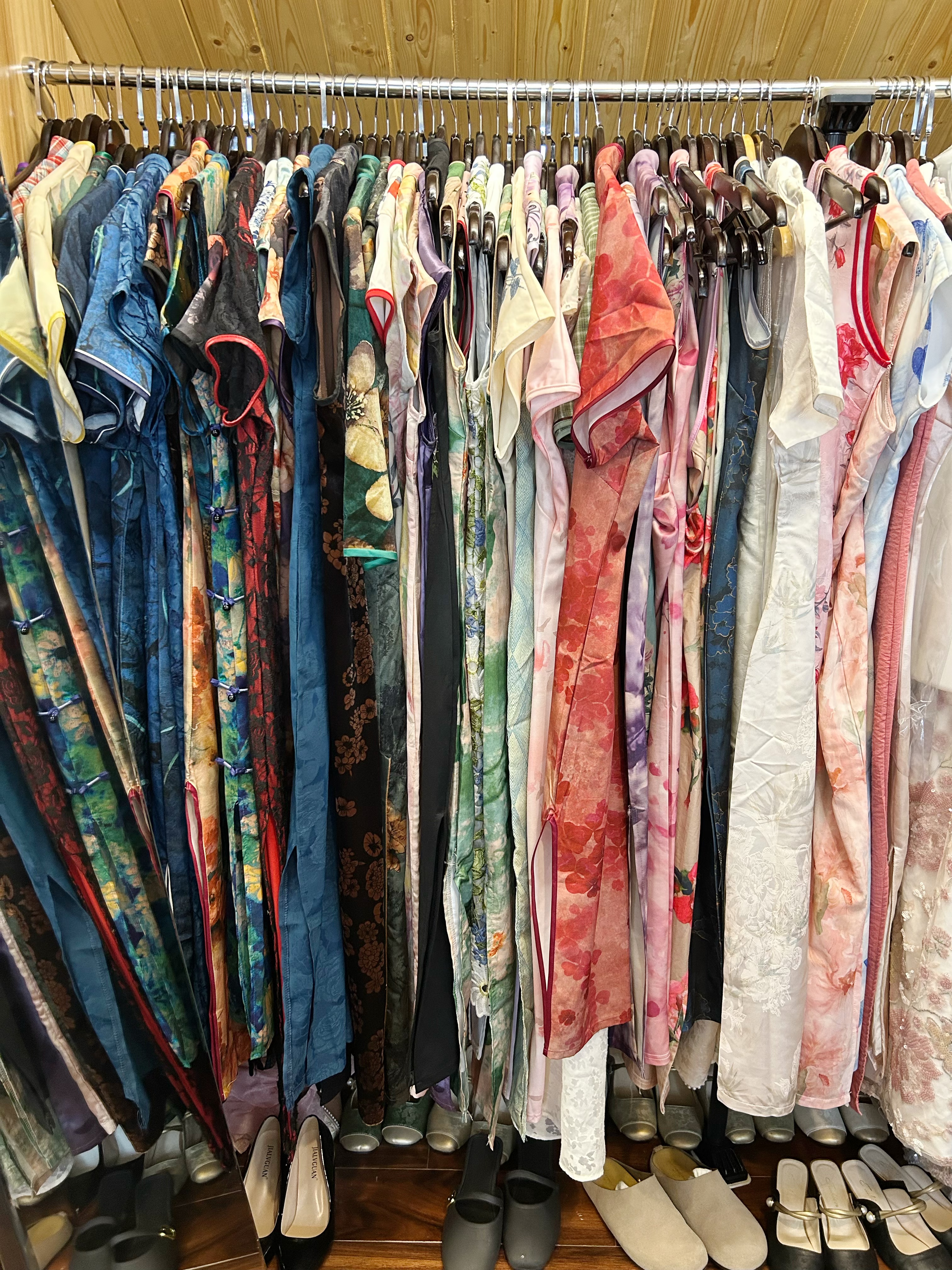
You want the full Shanghai time machine effect? Go stand on the Zigzag Bridge and count how many people are dressed in Hanfu, posing like extras in a period drama. Every other person here is channeling ancient vibes, paper umbrella in hand, looking for the perfect shot. If you have ever wanted to cosplay as a Ming dynasty princess – or just need new profile photos – Yuyuan is your place.
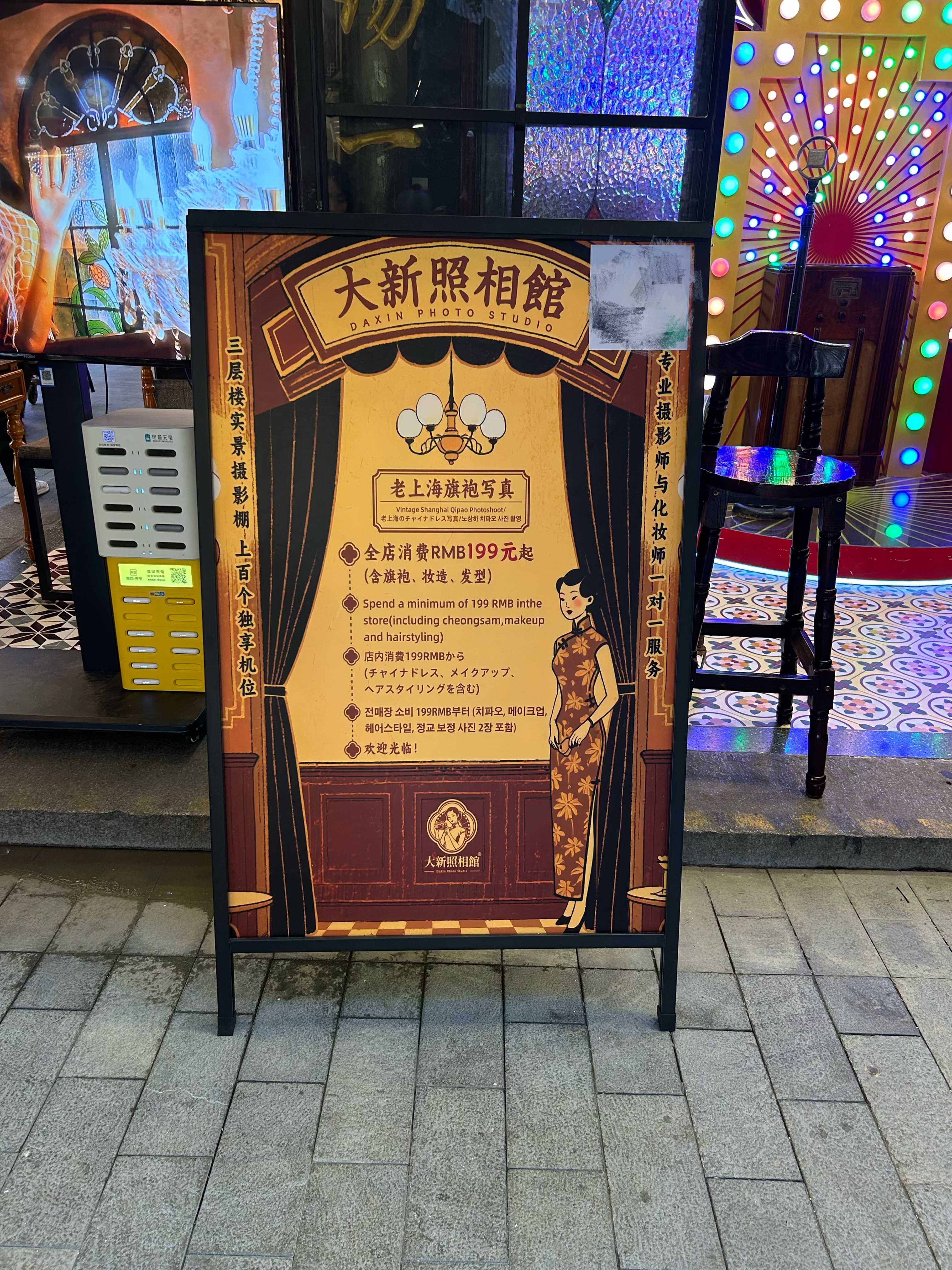
Hanfu is everywhere. Walk a few meters and you'll see someone in a rainbow robe trying to get the wind to cooperate for that perfect billowing sleeve moment. The mall is full of shops that will hook you up with the whole look: dress, hair, makeup, and even someone to Photoshop you into a work of art. They do not mess around.
It is not just locals either. Foreigners love this. If you have binged too many Chinese dramas and want your own "main character" moment, get in line. Nobody leaves without at least twenty pictures and a strong urge to buy a silk fan.
![[Hai Streets] Gardens, Snacks, Tea Houses and More at Yuyuan](https://obj.shine.cn/files/2026/02/06/7eb2c989-a825-4f10-b95c-e663a56463c3_0.jpg)
![[Hai Streets] Gardens, Snacks, Tea Houses and More at Yuyuan](https://obj.shine.cn/files/2026/02/06/6cfda635-751a-4ad3-89da-97dbd8f95645_0.jpg)
![[Hai Streets] Gardens, Snacks, Tea Houses and More at Yuyuan](https://obj.shine.cn/files/2026/02/06/20d59397-d8ac-4e9b-adb4-c2ea6f13332f_0.jpg)
![[Hai Streets] Gardens, Snacks, Tea Houses and More at Yuyuan](https://obj.shine.cn/files/2026/02/06/68d31f72-015f-4155-8b3d-add0fe535f94_0.jpg)
Yuyuan Mall is also known as the "Chinese Time-Honored Brand" in Shanghai, featuring iconic stores such as Lao Miao Gold 老庙黄金, Yayi Gold 亚一金店, and Tonghanchuntang 童涵春堂, a TCM brand established during the reign of Emperor Qianlong (1736-1796) in the Qing Dynasty (1644-1911). These shining "golden signs" are not only well-known brands passed down from old Shanghai but also represent a rich commercial cultural history of Yuyuan Mall. Finding another commercial center in Shanghai that houses so many of these historic brands is almost impossible.
![[Hai Streets] Gardens, Snacks, Tea Houses and More at Yuyuan](https://obj.shine.cn/files/2026/02/06/c10325ce-dd17-4a32-9193-6e16d18ced76_0.jpg)
But that's not all – far from it!
While Yuyuan Mall is home to time-honored brands, classic stores, delicious food, light shows, and intangible cultural heritage, it doesn't stop there. It constantly innovates to attract more Gen Z visitors.
By blending traditional culture with elements of Chinese fashion, pop culture, and the anime world, brands like Pop Mart, Shake Shack, and Fascino Bakery have opened in the mall, infusing it with a trendy, relaxed atmosphere and establishing it as a new cultural landmark.
The mall's cool, youth-oriented atmosphere has made it a major draw for visitors.
According to "Meet in Shanghai" data, during the "Yuyuan Garden Malls Summer Fantasy Night," the mall's daily foot traffic surpassed 160,000 people, with total traffic exceeding 7.5 million visitors. Over 60% of the visitors were under 35, and sales figures showed a significant increase.
Additionally, data from Jiefang Daily shows that in the first half of 2025, the Yu Garden commercial center saw a 41.6% growth in social retail revenue, with over 20 million visitors. The proportion of young and overseas visitors significantly increased, with international visitors making up about 20% of the total.
![[Hai Streets] Gardens, Snacks, Tea Houses and More at Yuyuan](https://obj.shine.cn/files/2026/02/06/01a2bc51-9017-431e-966a-9bfa2b43f06d_0.jpg)
![[Hai Streets] Gardens, Snacks, Tea Houses and More at Yuyuan](https://obj.shine.cn/files/2026/02/06/d46a97bd-9347-47ed-befe-1c7e640b3742_0.jpg)
![[Hai Streets] Gardens, Snacks, Tea Houses and More at Yuyuan](https://obj.shine.cn/files/2026/02/06/08206335-7fbd-4024-816e-7e2ece3f9e61_0.jpg)
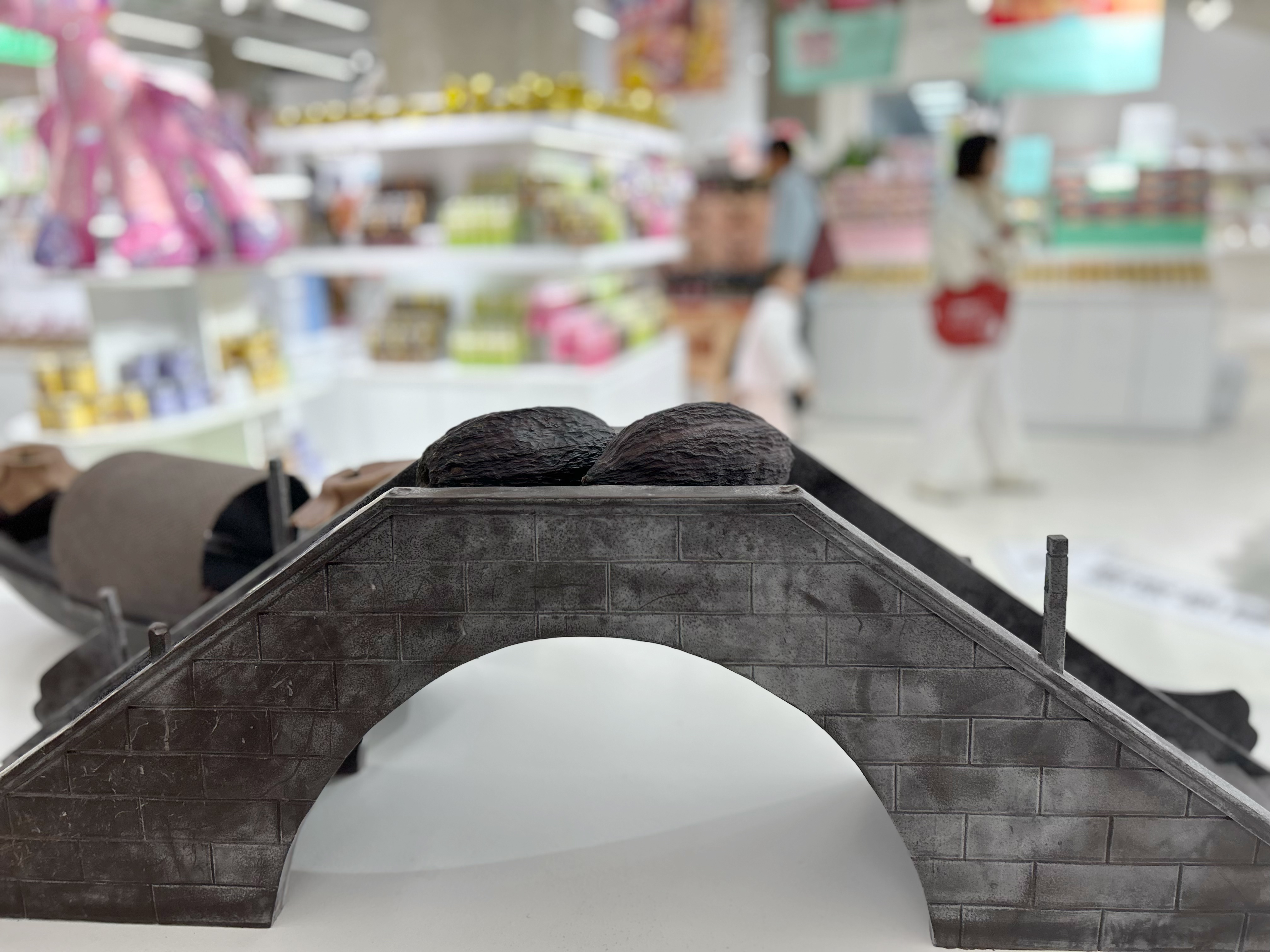
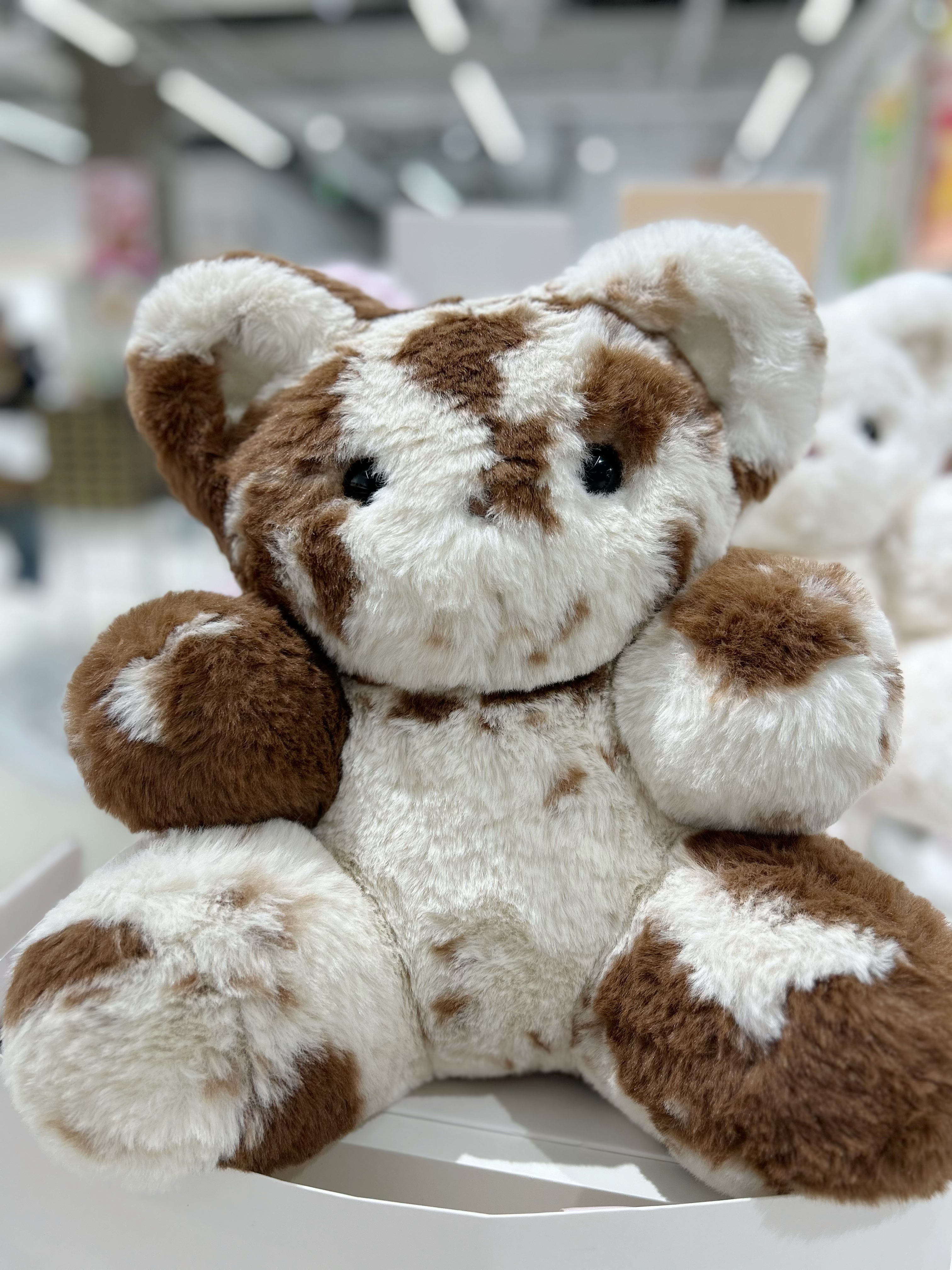
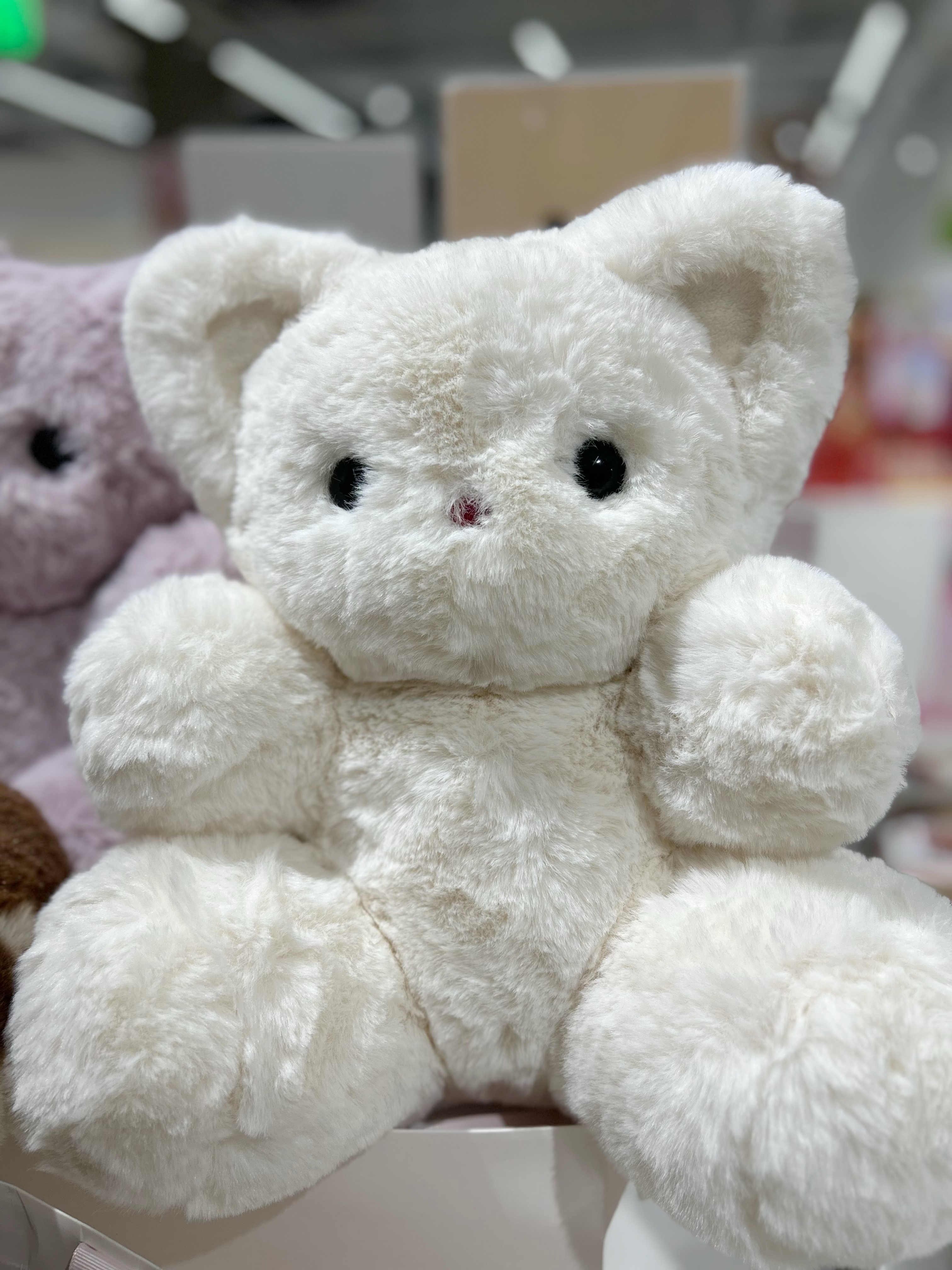
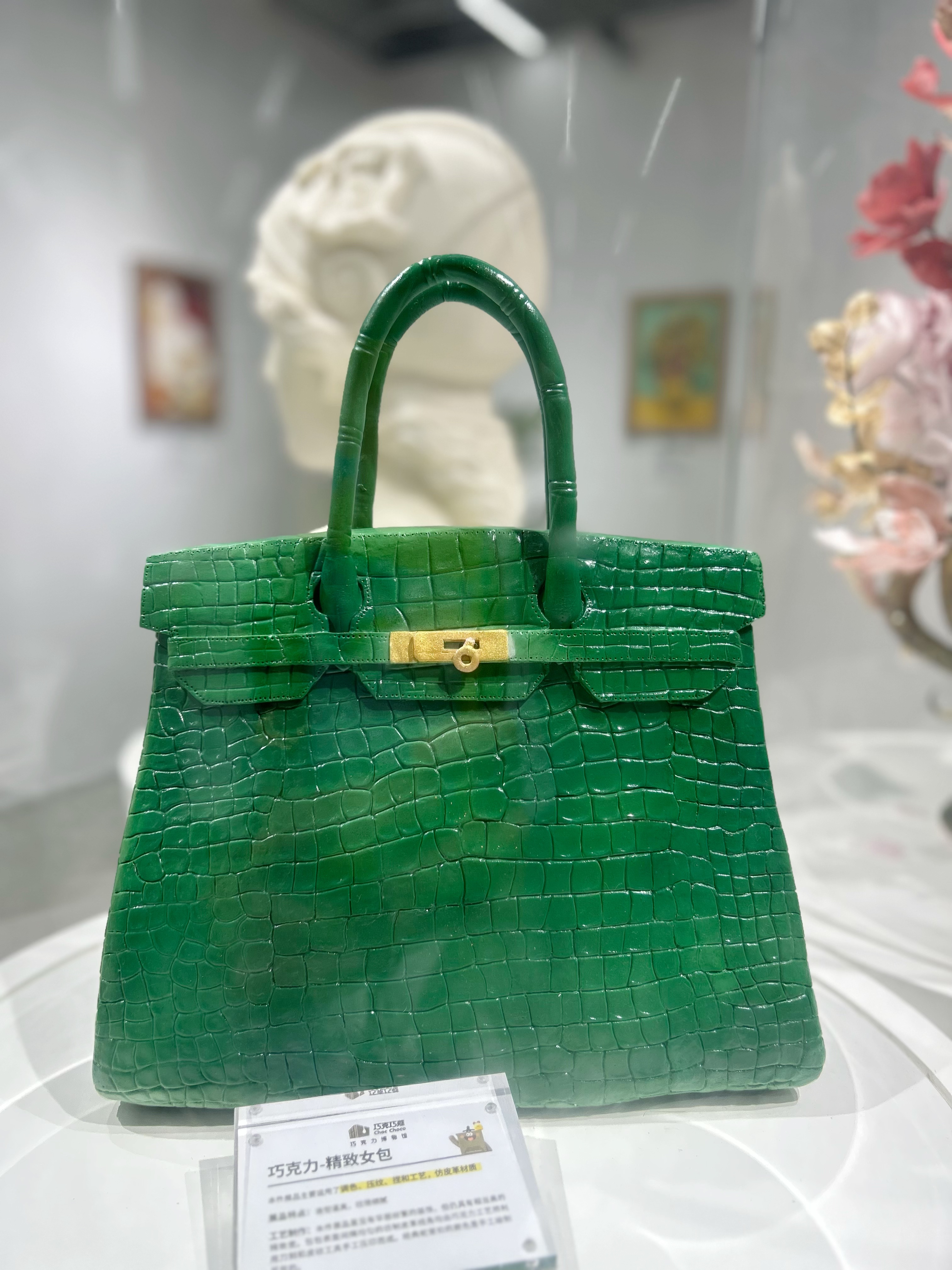
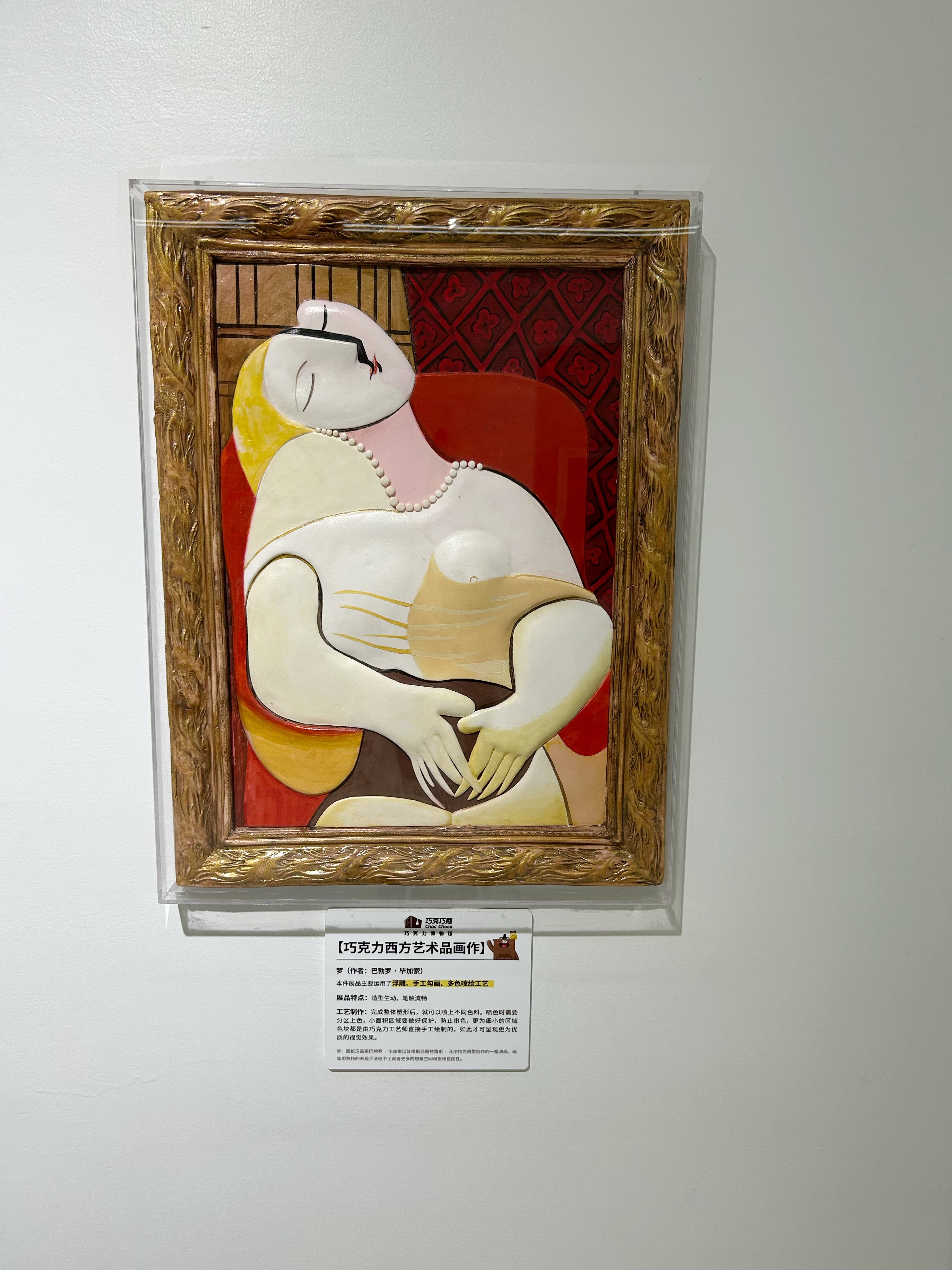
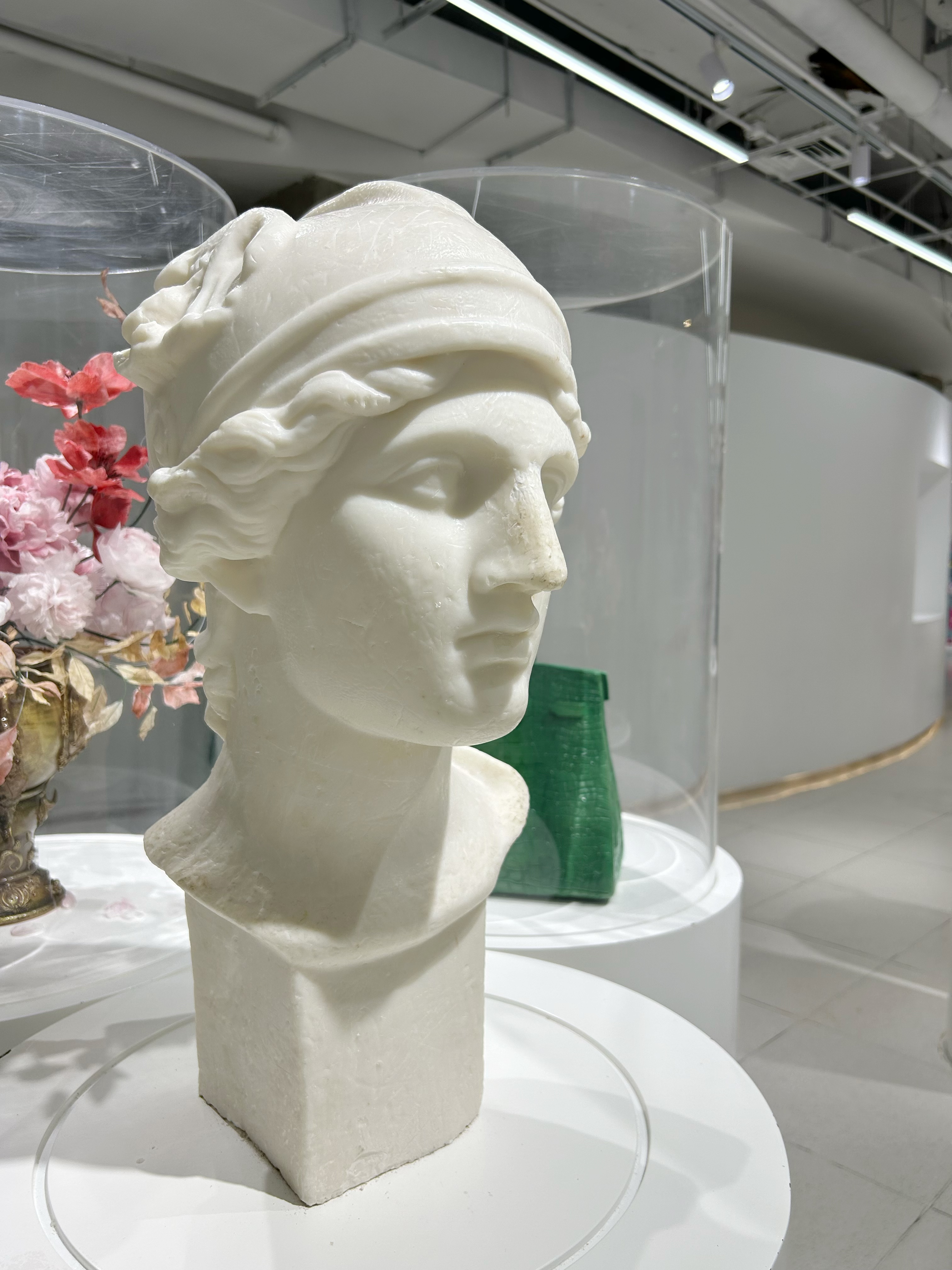
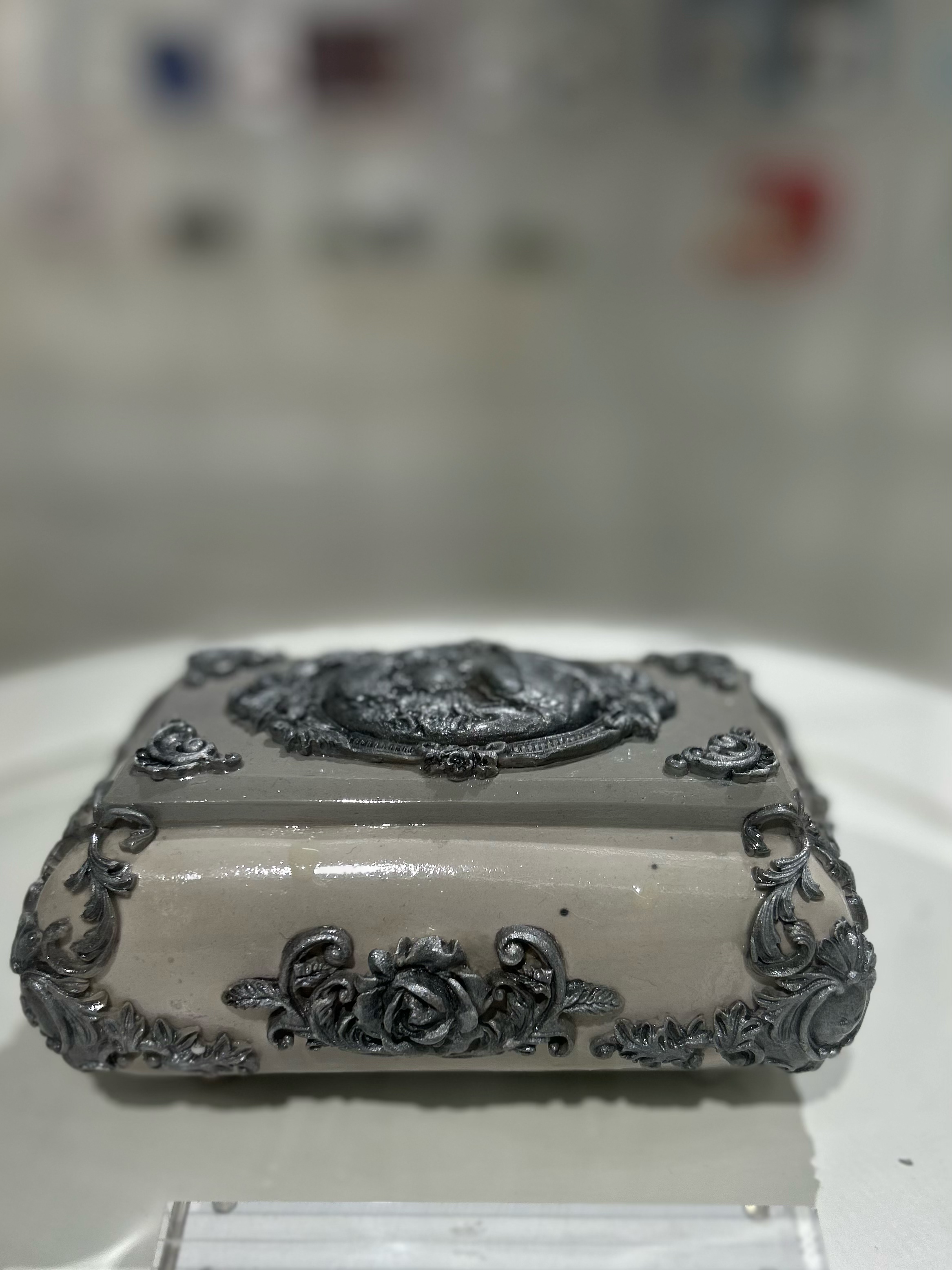
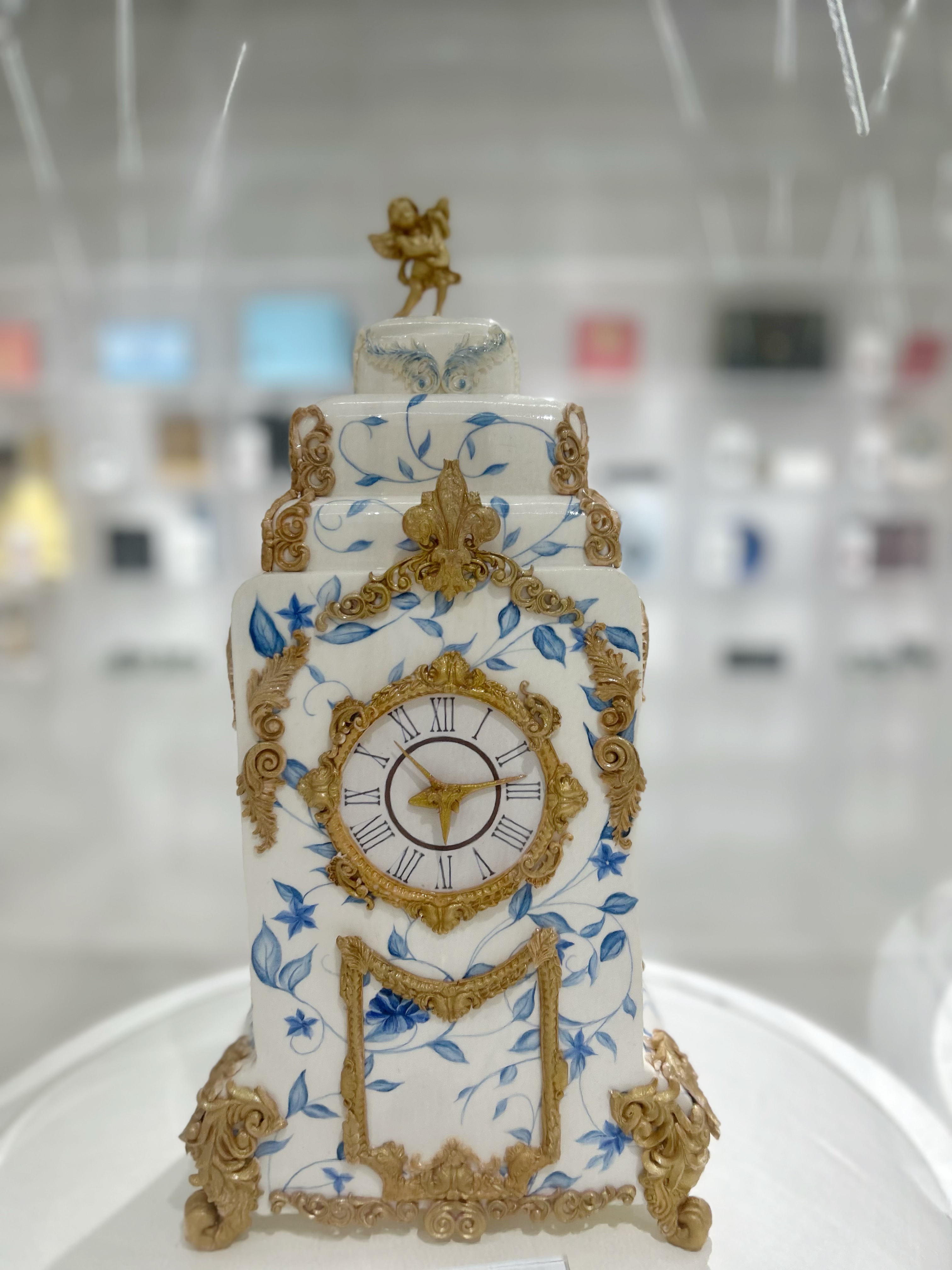
From Temple Blessings to Market Bargains
When visiting Yuyuan Mall, one important tip is to "visit the ChenghuangTemple."
The "Chenghuang," in English known as the "God of the City," is a guardian deity of the city. The Shanghai Chenghuang Temple is said to commemorate General Qin, who fought off Japanese pirates during the Ming Dynasty. After his death, a temple was built in his honor. The temple is free to visit, and you can make wishes for safety, health, studies, or love. More and more foreigners are visiting the Chenghuang Temple these days.
![[Hai Streets] Gardens, Snacks, Tea Houses and More at Yuyuan](https://obj.shine.cn/files/2026/02/06/dc2d986d-2aac-4efc-a159-767111cc4294_0.jpg)
Stepping out of Yuyuan Mall and into the lively streets outside, you'll find yourself at the nearby Fuyou Road Market, where you can pick up some affordable, good-quality goods.
This is Shanghai's first small goods market adopting the Yiwu investment management model. Originally an outdoor market, it was moved indoors and transformed into a regulated market in 2001.
You can find all kinds of holiday decorations, everyday items, clothing, hair accessories, jewelry, shoes, toys, and more, all at reasonable prices. But be sure to haggle – prices are often higher at first, so feel free to offer a lower price and negotiate until you reach a mutually satisfying deal. This process can be quite fun.
Keep in mind that you might run into some traps. Some jewelry or jade shops may try to sell overpriced items, so don't make any purchases on a whim.
![[Hai Streets] Gardens, Snacks, Tea Houses and More at Yuyuan](https://obj.shine.cn/files/2026/02/06/9ec1364b-06f7-42e1-959b-a07b71e33932_0.jpg)
![[Hai Streets] Gardens, Snacks, Tea Houses and More at Yuyuan](https://obj.shine.cn/files/2026/02/06/61283767-5876-4287-8884-a162fb889331_0.jpg)
![[Hai Streets] Gardens, Snacks, Tea Houses and More at Yuyuan](https://obj.shine.cn/files/2026/02/06/d3c22187-22db-4376-aa98-36a98a281414_0.jpg)
![[Hai Streets] Gardens, Snacks, Tea Houses and More at Yuyuan](https://obj.shine.cn/files/2026/02/06/47f26bbb-5360-4da9-a54a-ff25be98c906_0.jpg)
![[Hai Streets] Gardens, Snacks, Tea Houses and More at Yuyuan](https://obj.shine.cn/files/2026/02/06/5ce42feb-6b34-47fa-8c6c-66e9cf2783c6_0.jpg)
A Walk Along BFC and Shiliu Pu
If you continue walking for 10-15 minutes beyond Yuyuan Mall, you'll reach BFC.
The BFC (Bund Financial Center) is a large-scale landmark complex that includes office buildings, shopping centers, the Fosun Foundation, hotels, and more. It opened in December 2019 and is designed around three core elements: fashion, art, and design. With a total floor area of approximately 420,000 square meters, it is located at 600 Zhongshan Rd E2 in the Huangpu District.
The center consists of two 180-meter twin towers (S1, S2) in the southern section, and three riverside standalone office buildings (N1, N2, N3) in the northern section.
The Weekend Market @ BFC in this area is the most famous. It often hosts a variety of themed events and collaborations with different IPs, making it a lively spot – especially in the evenings.
![[Hai Streets] Gardens, Snacks, Tea Houses and More at Yuyuan](https://obj.shine.cn/files/2026/02/06/88ad7ca2-0413-4820-a366-667c1c902fa7_0.jpg)
![[Hai Streets] Gardens, Snacks, Tea Houses and More at Yuyuan](https://obj.shine.cn/files/2026/02/06/2956e38e-b85c-4d52-add2-fea9fea60f13_0.jpg)
![[Hai Streets] Gardens, Snacks, Tea Houses and More at Yuyuan](https://obj.shine.cn/files/2026/02/06/81088d74-3e64-495e-836e-f4e3776cc6de_0.jpg)
As a landmark building on the Bund, the Fosun Foundation has attracted attention since its inception. It is considered an "architectural miracle" of the Bund and has drawn significant interest.
The building's design is inspired by both classical and contemporary elements. The overall concept is rooted in the structure of traditional Chinese theatrical stages.
The building's curtain-like façade is made of multi-layered metallic "fringes," inspired by the headpieces of traditional Chinese bridal attire and the stage curtains. In July 2023, the famous Japanese architect Kengo Kuma held his solo exhibition, Kengo Kuma: Architecture for the Five Senses, at the Fosun Foundation.
![[Hai Streets] Gardens, Snacks, Tea Houses and More at Yuyuan](https://obj.shine.cn/files/2026/02/06/528ee50c-6cce-4d67-b843-00b9cc9d0633_0.jpg)
In the evening, you have a fantastic option to explore further. You can walk towards Shiliu Pu Quay, enjoy the splendid night views of the Huangpu River, or hop on a " Huangpu River Cruise " to experience the beauty of both riverbanks.
Shiliu Pu Quay once served as the largest dock in the Far East, a pivotal point for Shanghai's shipping industry, with a 150-year history at its peak.
![[Hai Streets] Gardens, Snacks, Tea Houses and More at Yuyuan](https://obj.shine.cn/files/2026/02/06/57cb0c2e-d4a9-47a9-93d5-18a814bf05a5_0.jpg)
Originally an industrial water transport dock, it was once lined with piers and served as the main hub for domestic passenger and cargo routes. As Shanghai's shipping industry flourished, so did the economic development of the region, improving the lives of its residents and giving rise to the unique "dock culture" of Shanghai.
From 1853, Shiliu Pu Quay became China's largest port. The 1970s and 1980s marked its heyday as a passenger terminal. In 2004, after a series of demolitions, the passenger services ceased, and it underwent a major transformation. Today, it lies just north of the Bund, west of Yu Garden, and east across the river from Lujiazui. No matter the direction, Shiliu Pu Quay is strategically situated at a prime location.
![[Hai Streets] Gardens, Snacks, Tea Houses and More at Yuyuan](https://obj.shine.cn/files/2026/02/06/2b25dc7a-5447-45cc-838f-fd67299d41ad_0.jpg)
![[Hai Streets] Gardens, Snacks, Tea Houses and More at Yuyuan](https://obj.shine.cn/files/2026/02/06/6e3d262b-9a72-47c4-8449-bb553377c6d2_0.jpg)
![[Hai Streets] Gardens, Snacks, Tea Houses and More at Yuyuan](https://obj.shine.cn/files/2026/02/06/609e4b39-96a4-48a4-8355-363fbe3e0d23_0.jpg)
Editor: Shi Jingyun

![[Health Byte] Shanghai's First Bad Breath Clinic Opens in Huadong Hospital](https://obj.shine.cn/files/2026/05/25/0cc5059c-33fe-41d9-9efd-e5e8339dec54_0.jpg)