China's Takes Aim at Musk's Starlink with 'A Thousand Sails'
China is rapidly accelerating the development of its commercial low-orbit satellite system, enjoining a global race with competitors like SpaceX's Starlink, with Shanghai emerging as a critical hub.
Compared with high-orbit satellites, low-Earth orbital systems enhance the ability for direct satellite-to-device communications – creating a comprehensive "space-air-ground" network. These advantages are crucial for next-generation applications like 6G, in-flight Wi-Fi, autonomous driving and remote communications.
At the 2025 Satellite Internet Industry Ecosystem Conference held in Shanghai late last week, the city announced an update for the Spacesail Constellation Program, which was initiated in 2024.
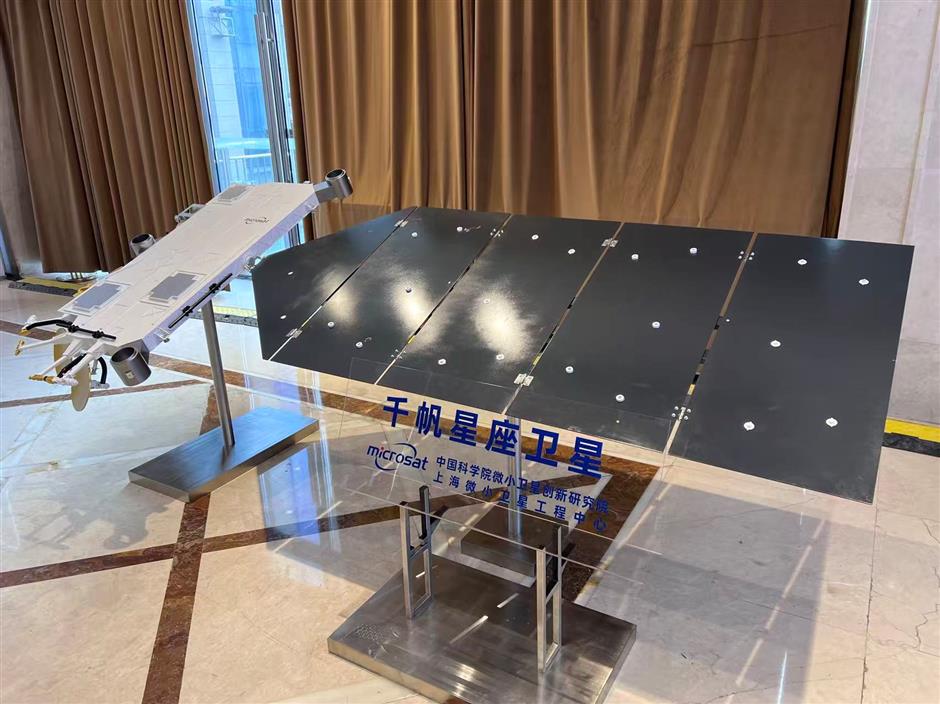
Shanghai Spacecom Satellite Technology, the system's builder and operator, has signed an agreement with Airbus to develop satellite interconnectivity services to be integrated into the European jet-maker's planes. They will enhancing passenger digital connections.
The Spacesail program is scaling up quickly. In October, the system completed the launch of 18 satellites with a single rocket. To date, the constellation has successfully deployed six groups of orbiters, totaling 108 operational satellites. Currently, the system can maintain stable switching across 19 satellites, achieving continuous communication for up to 120 minutes. Spacesail, with the Chinese name Qianfan, meaning "a thousand sails," plans to operate 15,000 satellites in the future.
The Spacesail Constellation is already expanding its global footprint. Application tests have been successfully conducted in international locations including Malaysia, Mongolia and Kazakhstan, with confirmed positive user experiences.
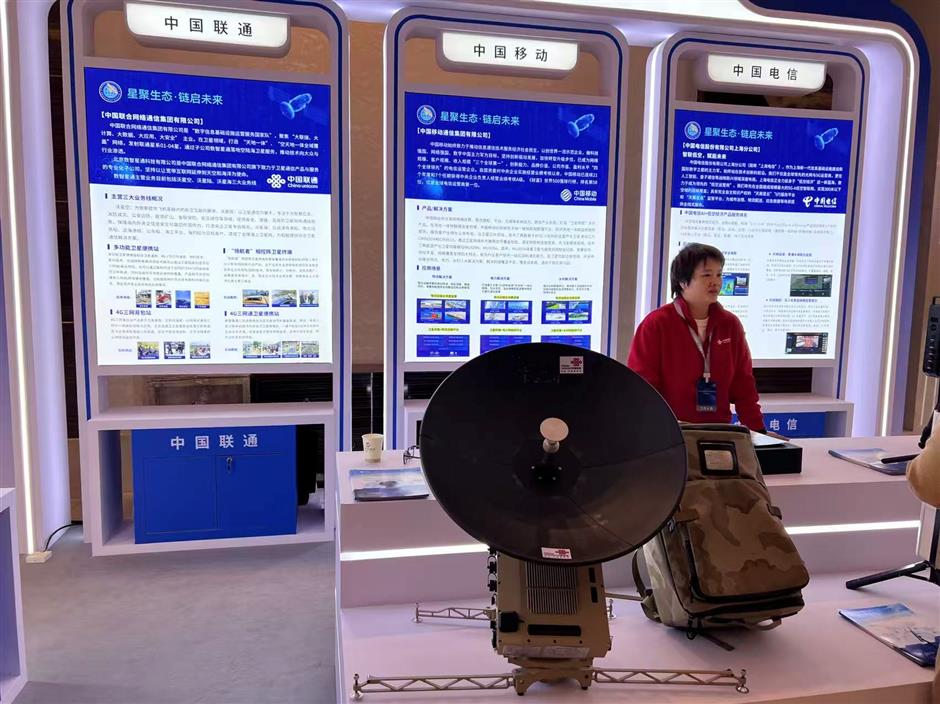
Furthermore, low-orbiting satellites are poised to revolutionize mobile Internet access, with providers China Mobile, China Unicom and China Telecom planning to develop new satellite communications packages. This integration is a key direction for future 6G technology development, carrier officials said.
The Shanghai conference underscored broader completion of Shanghai's satellite Internet ecosystem with the release of the Shanghai Satellite Internet Industry Report 2025.
The report noted that Chinese launches of satellites last year surged 11-fold in 10 years to 276 orbiters, though the development of commercial satellites and the effective payload capacity of "multi-satellite launch" missions still lag behind developed nations.
Development of commercial satellite Internet is part of China's 15th Five-Year Plan (2026-2030). According to industry experts, China will conduct about 500 satellite launches in that period to meet demand for 7,000 satellites. By 2030, China's satellite Internet market value will hit over 1 trillion yuan (US$141 billion).
By contrast, the number of Starlink's satellites in orbit exceeds 6,300, with approximately 6,000 currently active and maintaining normal operations by October 2024, according to industry sources. The US Federal Communications Commission has approved the deployment of about 12,000 satellites in its first phase.
Starlink, owned by Elon Musk's SpaceX, is no longer just a constellation in development. It is a live, working network that continues to expand its coverage and capacity.
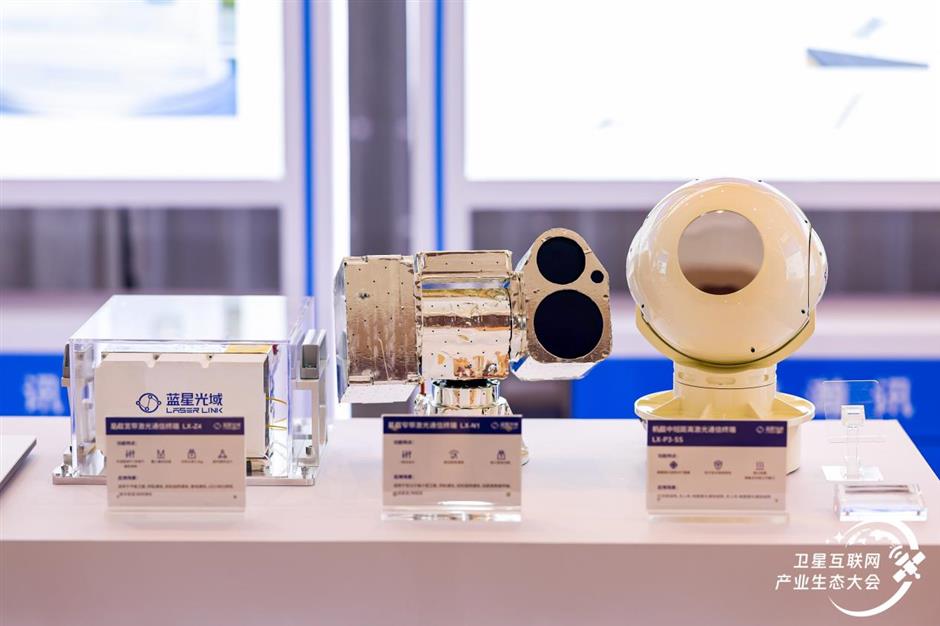
To close the gap, China is promoting further development. The Shanghai conference unveiled new institutions and platforms aimed at supporting a stronger ecosystem of satellite Internet development.
They include the Chinese Academy of Sciences' Innovation Academy for Microsatellites, Shanghai Spacecom Satellite Technology, Shanghai Aerospace Space Technology and Fudan University's Space Internet Research Institute.
Ecosystem partners span major manufacturers such as Microsatellite and SSST, and operations like the Shanghai branches of China Telecom and China Mobile.
Shanghai's Songjiang District hosts Spacecom Satellite Technology and has created a special zone for satellite development, with 50 participating companies spanning the industry chain. The district is aiming for production capacity of 300 commercial satellites and over 600 satellites in orbit by 2027.
The conference event also initiated a financial services platform to underpin development from seed stage through maturity. It's estimated 7 billion yuan will need to be raised.
On the application side, connected car company Pateo announced a funding requirement of 1.5 billion yuan to develop intelligent cockpit solutions for an integrated space-ground safety framework.
In Case You Missed It...
 Mar 2, 2026
Popular Reads
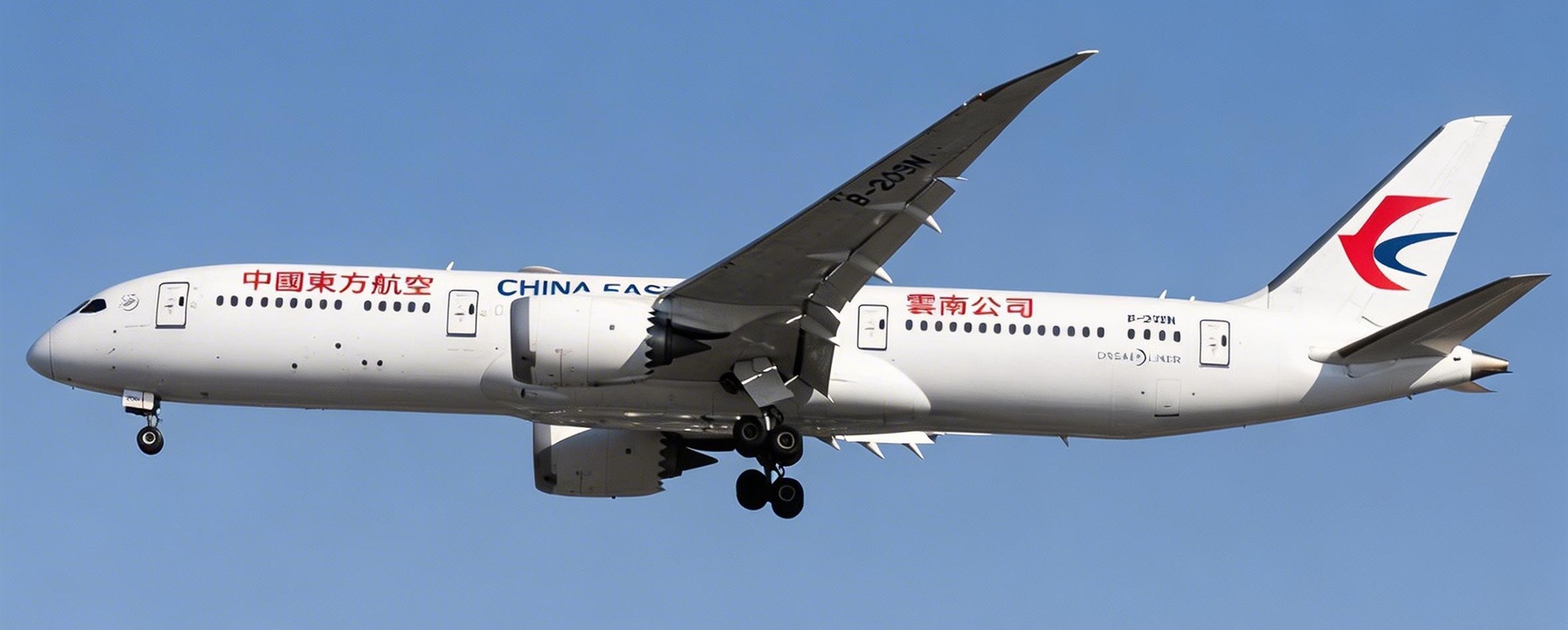
Mideast War Grounds Flights and Triggers Emergency Refunds
![[China Tech] Local Experts Develop Novel Gene-editing Tool for Autism](https://obj.shine.cn/files/2026/02/28/bcd42f01-b0ca-4dba-8779-c8b64434ecee_0.jpg)
[China Tech] Local Experts Develop Novel Gene-editing Tool for Autism

China-SCO Platform Launched in Shanghai to Tackle Metabolic Diseases
![[China Tech] Chinese Experts Develop World's First AI System With Traceable Reasoning for Rare Disease Diagnosis](https://obj.shine.cn/files/2026/02/25/115392ea-bbde-409c-b37b-af65d6db7c4e_0.jpg)
