Building Bridges at a Historic Crossroads in China-US Relations
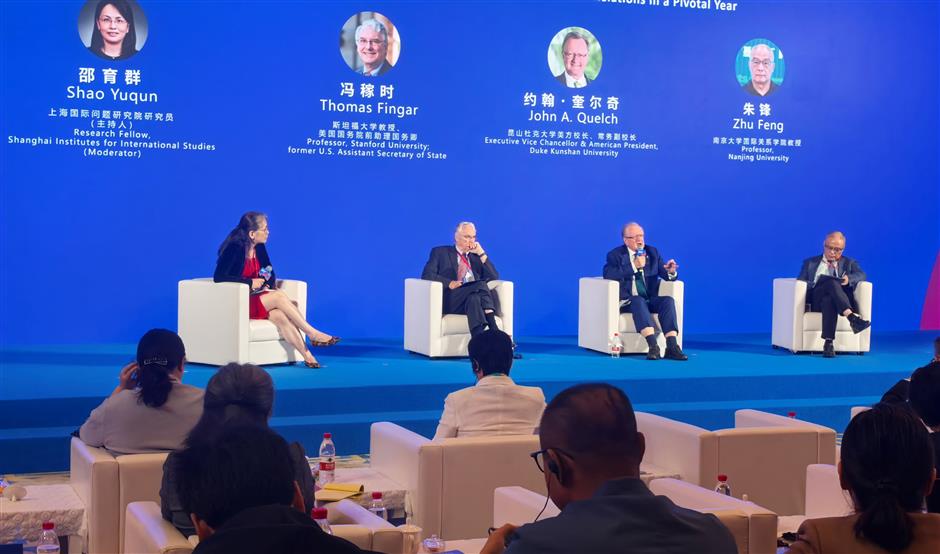
More than 100 guests from China and the United States recently gathered in Shanghai for a meeting aimed at identifying the next bridge builders in China-US relations, similar to Henry Kissinger.
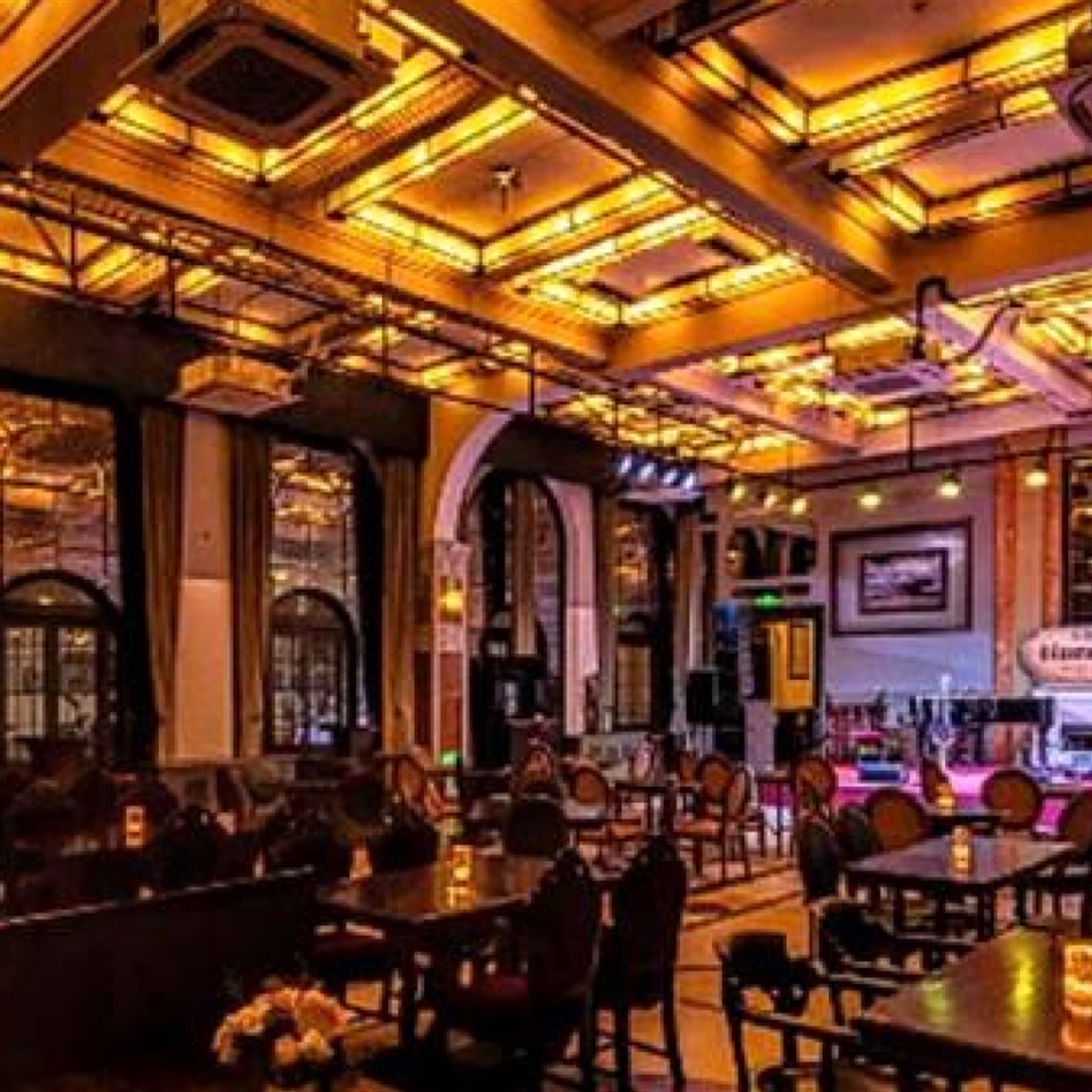
The Paper and the Shanghai Institute of International Studies jointly hosted the "China-US Intergenerational Dialogue 2026: the Next Bridge Builders" at Jin Jiang Hotel's Grand Hall, where the 1972 Sino-US Joint Communique was signed.
This year marked a turning point in China-US relations when the two heads of state completed historic reciprocal visits within six months and pledged to build a constructive, strategically stable relationship based on respect and fairness. The next APEC Economic Leaders' Meeting will provide another opportunity to monitor these shared understandings.
Participants from academia, business, the arts, and civil society engaged in discussions about how to cultivate a new generation of individuals capable of maintaining communication between the two nations.
Hu Minghua, president of Shanghai United Media Group, advised communicators to stick to facts, especially when differences arise, and connect people since big-power relations are shaped by genuine interactions.
"This intergenerational dialogue passes on the baton: it will not hand down ready-made answers from older generations but shares historical lessons, communication channels and responsibilities, while leaving room for young people to understand reality and shape the future."
Chen Dongxiao, president of the Shanghai Institute of International Studies, noted Henry Kissinger's emphasis on hands-on cooperation rather than abstract discussion.
"Building bridges does not mean we must agree on everything," he said. "It means keeping dialogue open, moving past stereotypes and identifying areas where we can work together."
Zhao Qizheng, former director of China's State Council Information Office, recalled the historic significance of the auditorium, where the Shanghai Communiqué was signed during Richard Nixon's 1972 visit to China.
Sharing his personal interactions with Kissinger, including Kissinger's support for Shanghai's Pudong development, Zhao said the world should not wait for one single "Kissinger." Instead, China and the US need a group of young Americans who truly understand China – these will be the next bridge-builders.
Qian Jing, vice president of the Asia Society, joined the discussion via video. He said the search for "Kissinger" today is a search for people willing to carry forward the mission and build a peaceful future together.
Thomas Fingar, Stanford professor and former US Assistant Secretary of State, said bridge-builders aim to remove barriers rather than trade blame. Their courage for honest talk is meant to spot obstacles and solve problems, not win arguments. The core lesson from Kissinger, he added, is pragmatic engagement amid disagreements.
John Quelch, executive vice chancellor of Duke Kunshan University, used the metaphor of a real bridge: it needs solid, balanced foundations so people crossing feel safe and know they can return freely.
Zhu Feng, a professor at Nanjing University, said Kissinger's legacy rests on respect for China's long civilization and its historical roots behind national development. It also calls for mutual, humanistic respect: all people share one planet, and global peace serves everyone beyond narrow geopolitical games.
Eirc Zheng, president of the American Chamber of Commerce in Shanghai, revisited the chamber's role in supporting projects such as Shanghai Disney Resort. He stressed China remains an important market for US firms.
George Retelas, a descendant of a Doolittle Raid participant and documentary filmmaker, shared his work documenting wartime friendships. He hopes to inspire youth to maintain connection.
The Doolittle Raid was a bold 1942 US air strike on Japan, which forged a lasting bond of friendship between American airmen and Chinese civilians who sheltered the downed pilots.
Chinese pianist Kong Xiangdong discussed music's shared roots. The popular Chinese song "Farewell" is based on an American folk tune, proving that music can transcend nationality, religion, and ideology.
Editor: Yang Meiping
In Case You Missed It...

 Nov 4, 2026