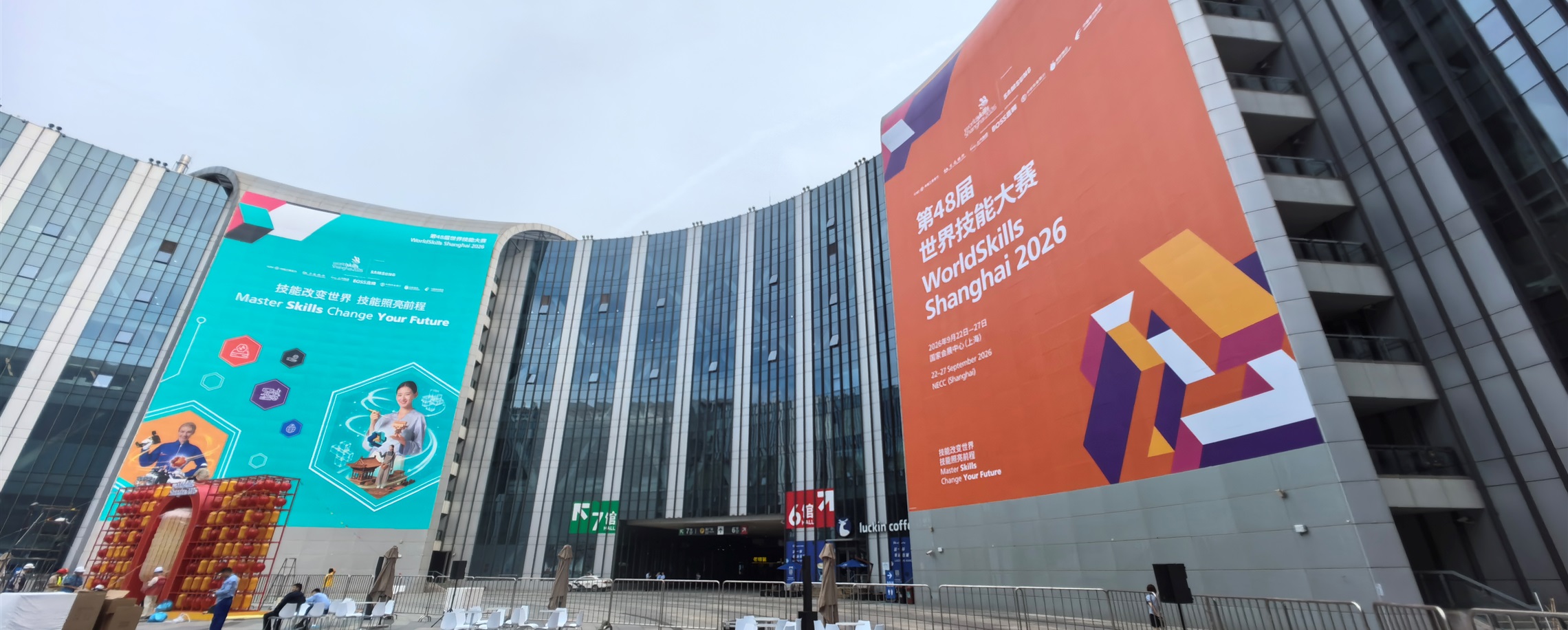
Minhang Aligns Industrial Growth with Urban Vitality
Minhang plans to coordinate industrial capability and urban vitality with emerging industry plans.
The Xinzhuang Industrial Zone has prioritized urban development, industrial upgrades, and supporting facility upgrades to meet residents' and visitors' needs.
It is a vital transportation hub and an important industry cluster that connects the industry value chain.
Minhang's "Five-Year Action Plan for Promoting High-Quality Development of the Aerospace Industry (2026–2030)" was unveiled at the end of August. It sets a target for the industry to reach 150 billion yuan(US$22.4 billion) by 2030 and a detailed spatial layout based on the district's geographical and industrial advantages
Efforts will focus on six key areas – aero-engines, airborne systems, low-altitude equipment, commercial rockets, commercial satellites, and terminal applications – to build a distinctive aerospace industry cluster.
The eight key areas for industrial development include aero-engines and their critical components, airborne systems, low-altitude equipment, civil aviation service capabilities, commercial rocket development, commercial satellite mass-manufacturing, ground-based satellite terminals, and satellite operation services.
In terms of spatial layout, the "Grand NeoBay" will serve as the core area for aerospace technology innovation, and research institutes, key industry-leading enterprises, and universities are leveraged with aims to build the area into a hub for industrial innovation.
An integrated cluster for aviation industry development will be built along Lianhua Road S, linking Wujing, Meilong, Hongqiao, and the Minhang sections of the Hongqiao Business District, with a focus on segments such as aero-engine R&D, precision component manufacturing, final assembly and testing, and customer service.
A "Commercial Aerospace Rocket-Satellite-City" will be developed along Huaning Road, covering a planned area of about 15.3 square kilometers. The research strengths of the Shanghai Academy of Spaceflight Technology and other universities will be leveraged to create an innovation hub, with the Xinzhuang Industrial Zone serving as the core industrial area and the Jiangchuan Road Subdistrict and Pujiang Town serving as industrial expansion zones.
The Xinzhuang area is known as the "heart" of Shanghai's geographical map, and it takes only 15 minutes to reach Hongqiao Transportation Hub, 45 minutes to reach Pudong Airport, and 2 hours to reach all parts of the Yangtze River Delta region.
In terms of industrial layout, the Xinzhuang Business Park is a cluster for future industries, with multiple sub-sectors, such as the digital economy and embodied intelligence, already flourishing.
The two major characteristic industries, integrated circuits and industrial software, contributed over 20 billion yuan in industry size in 2025, and this year the size is expected to exceed 25 billion yuan.
The "Future Xinzhuang" industrial development zone was launched in late July, located in the northwest corner of the Xinzhuang urban sub-center and adjacent to the core area of the Xinzhuang business district.
It's positioned as a dedicated cluster for smart industries and has introduced several emerging companies in the field of superconducting materials, IoT, and electronics to create a leading source of industrial transformation and a diversified and integrated industrial-urban development zone.
According to Qin Yunxiao, deputy director of Xinzhuang Town, Xinzhuang is continuously optimizing its industrial layout to create a modern town that integrates industry and city, with convenient transportation, and is livable and business-friendly.
It's also quickly embracing forward-looking industries. The Minhang Industrial Digital Innovation Center is located in the Lingang Xinhai Science and Technology Park and has just invested 15 million yuan to build a local computing power foundation, providing a powerful engine for the region's digital and intelligent development.
It's now focusing on four major directions: integrated circuit services, software and information services, future industries, and internet platform transformation.
It seizes breakthrough opportunities in four areas, namely AI-backed short dramas, serendipity nodes, intellectual resources, and technology consumption, and strives to create a distinctive industrial hub radiating across the Yangtze River Delta region.
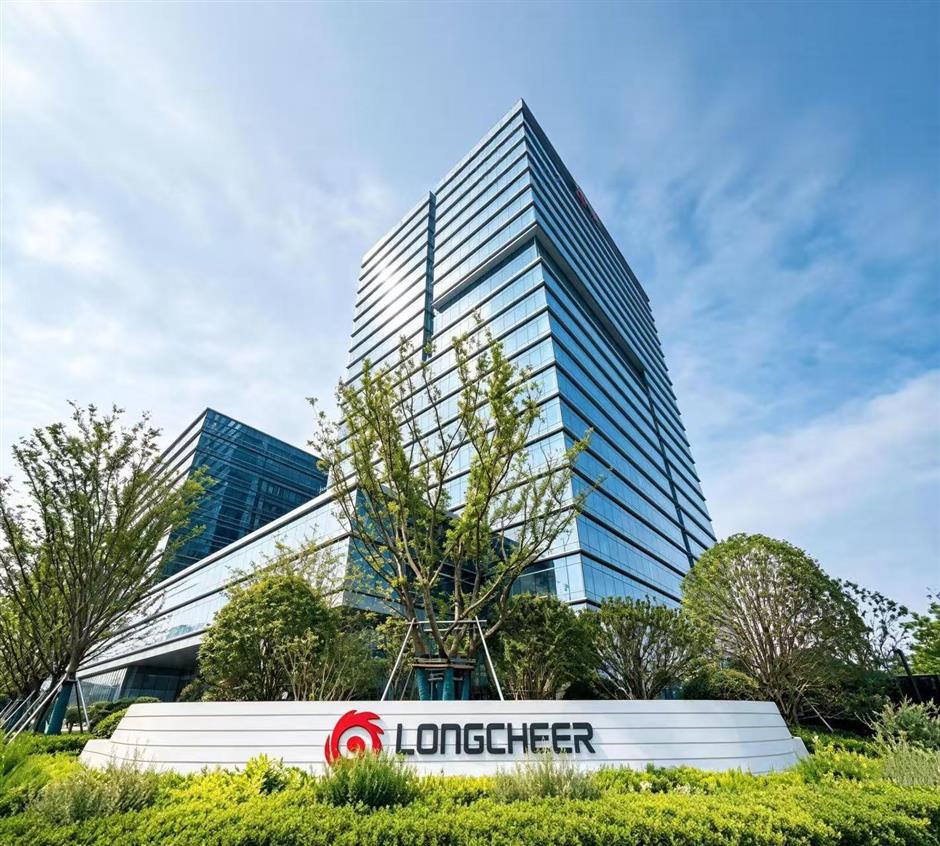
Shanghai Longcheer Technology Co Ltd, an industry benchmark enterprise that ranks first in global smartphone ODM shipments, benefits from the well-developed industrial cluster, which not only reduces operating costs but also provides a solid foundation for attracting high-end R&D talent and strengthening innovation.
The headquarters park covers an area of 125,000 square meters and can accommodate 5,000 employees working together. With "humanity, technology, and green" as its core concepts, it has been built into a modern industrial park integrating R&D innovation, testing and verification, supporting services, and accommodation.
"We have a deep trust in Xinzhuang's warm government services and precise industrial support," remarked Zhang Lugang, assistant to the chairman of Longcheer Technology.
Besides established players, Xinzhuang is also a preferred destination for returnees and entrepreneurs.
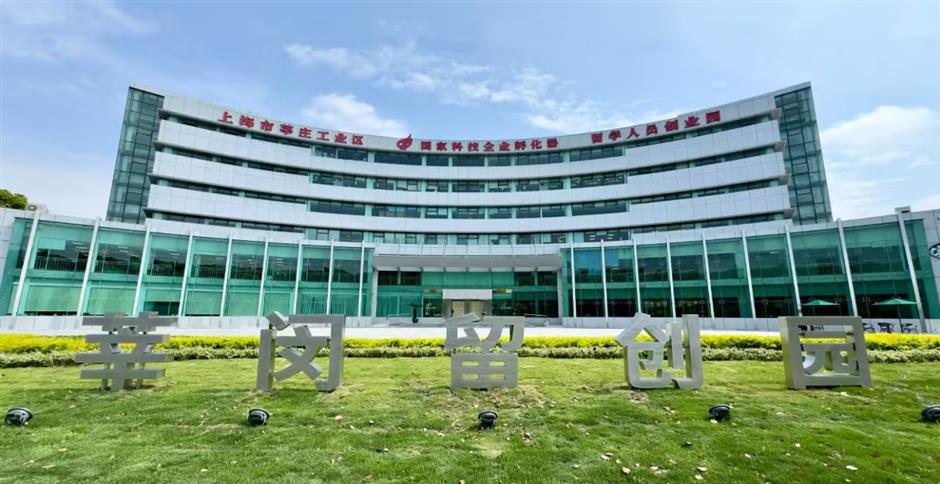
The Xinmin High-Tech and Returning Overseas Students' Science and Technology Entrepreneurship Park is the first incubator dedicated to overseas returnees in Minhang District and a national-level high-tech business service center. The park has built a reputation for turning early-stage technological concepts into thriving market-leading enterprises through a specialized, multi-tiered support framework.
Unlike conventional incubators that rely on one-size-fits-all services, Xinmin High-Tech Park operates a step-by-step incubation model tailored to every phase of a company's lifecycle. During the initial startup stage, the park helps founders navigate early survival challenges by offering low-cost operational solutions, including rent reductions, shared laboratory space, legal counseling, and access to an expert mentor pool spanning tech, marketing, and venture capital.
As enterprises transition into technical expansion and market growth, the park connects them with regional universities and research institutes to streamline technology transfer. Through targeted matchmaking events, industry networking, and tailored financial offerings like specialized tech loans and equity financing, growing companies secure the resources needed to bridge the gap between initial innovation and market readiness.
For mature companies, the incubator integrates businesses into broader industrial supply chains. By facilitating joint R&D hubs with market leaders and assisting in national-level science project filings, the park helps scale enterprises to higher industry tiers. This structured approach has driven the park's incubation success rate well above industry standards, cultivating over 100 accredited high-tech firms to date.
It has also facilitated collaboration between a resident startup specializing in automated smart label recognition and a leading cosmetics company in the park that has relevant needs for this solution.
Xinmin High-Tech Park is also aligning its next phase of expansion with the broader growth of the Xinzhuang Industrial Zone, particularly within smart manufacturing and biomedicine.
Establishing overseas innovation centers will allow international researchers to pre-incubate projects before commercializing them in Shanghai. The park is also using big data and AI to track corporate performance and technology trends in real time. Xinmin High-Tech Park is becoming China's top entry point for foreign entrepreneurs and a key driver of regional high-tech growth, with infrastructure improvements like talent apartments.
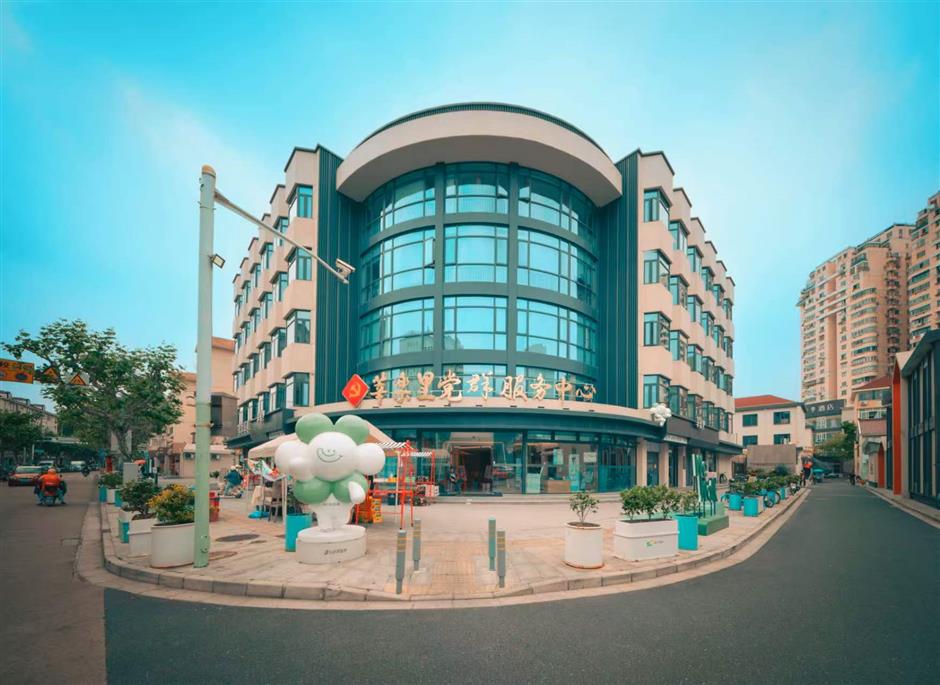
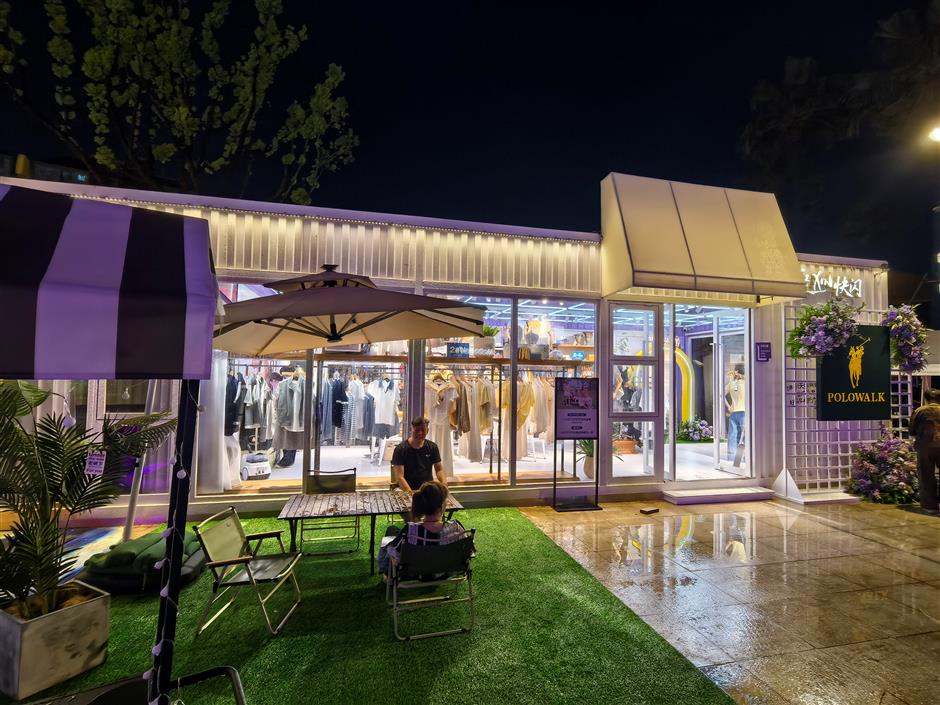
Urban renewal is also progressing steadily in the area.
Xindu Commercial Plaza, as the only large-scale commercial complex in the industrial zone, has long transcended the significance of ordinary commercial buildings. It serves as a crucial link connecting industry, the city, and its inhabitants.
Its upgrade and transformation directly impact the enhancement of the region's industrial-urban integration capabilities and the well-being of its 250,000 permanent residents and 100,000 industrial and office workers.
Located in the center of the Xindu City residential area, it is surrounded by seven industrial zone residential communities and one talent apartment, covering 89 residential communities and 31 industrial office buildings within a 3-kilometer radius.
The public space has been revitalized, and the commercial plaza has transformed from a "shopping venue" to a "one-stop life and social center in Xinzhuang Industrial Zone."
Over 8,000 square meters of the public plaza were renovated, adding children's play facilities, seating, and a new pocket park, turning the plaza into an "open community living room."
In early 2025, well-known catering providers such as Subway were introduced in blocks 2 and 3, offering dining options for residents, and block 1 now hosts retail brands such as ALDI and Starbucks, targeting the needs of office workers and young families.
In terms of public events, regular outdoor bazaars, festival carnivals, and commercial promotions are held to continuously attract foot traffic and boost consumption.
The industrial park naturally integrates into regional development by prioritizing people's needs.
Editor: Li Qian
In Case You Missed It...
 Sep 22, 2026